Albania Itinerary Without a Car 2026: 7-Day Budget Adventure That Changed How I Travel
📅 16/04/2026✍️ WanderFunTrip⏱ 13 min read
I landed at Tirana International Airport, walked out into the blinding Mediterranean sun, and immediately did something stupid — I looked at the chaotic line for rental cars, checked the outrageous peak-season deposit prices on my phone, and said, “fuck it, no car”.
That single, highly impulsive decision turned what was supposed to be a standard, predictable Balkan holiday into one of the most alive, chaotic, and profoundly beautiful adventures I’ve ever experienced. Most people on the internet will boldly claim that you absolutely need your own wheels to explore the rugged, mountainous terrain of this country. They talk about the freedom of the open road and the unreliability of public transit. This 7-day Albania itinerary proves they are completely wrong. You just need furgons (the local minibuses), a slightly open mind, a handful of small Albanian Lek bills, and a daily budget of roughly €40.
This is the exact route I followed without a vehicle in 2026. It is a journey built on real furgon stories, sharing bags of fresh cherries with local grandmothers on winding mountain roads, watching golden sunsets over Ottoman-era towns, and experiencing that rare travel feeling that you are exactly where you are supposed to be.
If you’ve been following my guides on scoring cheap flights to Europe, you already know I love maximizing value without sacrificing the experience. Budget travelers can easily get by on approximately €40 per day on necessities like hostel dorms, incredible street food, and public transit. Want a bit more comfort? Budget around €90 to €100 daily to cover beautiful boutique hotels, sit-down restaurant dinners with local wine, and the occasional taxi ride when you just don’t feel like walking.
Albania Itinerary Without a Car 2026 – Day-by-Day Furgon Route
Day 1-2: Diving Headfirst into the Chaos of Tirana
Start your Albania adventure right in the beating heart of the capital city. Forget the expensive private airport transfers. As soon as you exit the arrivals terminal, look for the LU-NA furgon company stop, which is marked with a simple bus sign across the street. The ticket costs a mere 400 lek (about €3.80), and it drops you off in a little park right behind the Opera & Ballet Theatre. In just 30 minutes, you are standing in the middle of everything.
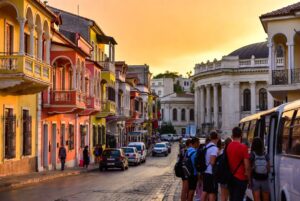
Tirana feels like Europe’s best-kept secret. It is a visually wild mix of Ottoman history, brutalist communist relics, brightly painted apartment blocks, and a surprisingly sophisticated café culture that rivals anything you will find in Italy. I spent my first two days simply getting lost in the Blloku district. This area was once strictly reserved for high-ranking communist party officials, but today, it is the epicenter of Tirana’s nightlife. I found myself drinking rich espresso, exploring the chilling underground bunkers of Bunk’Art 2, and watching the city buzz until 2 a.m.
Where to stay in Tirana:
If you are on a strict budget, Trip’n Hostel offers €12-15 dorm beds and provides a fantastic, slightly chaotic social atmosphere where I met half of my travel buddies for the rest of the trip.
For mid-range comfort, Boutique Hotel Kotoni costs between €35-50 per night and is perfectly located within a five-minute walking distance to the massive Skanderbeg Square.
Travelers looking for a splurge will absolutely love Plaza Hotel Tirana, which runs about €60-80 and features a stunning, high-end rooftop bar with insane views of the surrounding mountains.
If you want an authentic local vibe, Vila Alba is a wonderful family-run guesthouse charging €25-35 that includes a massive, traditional Albanian breakfast of fresh tomatoes, cheese, eggs, and homemade jam.
Transport hubs you need to know:
Tirana does not have one central, organized bus station. The main terminal for heading south is called Terminali i Autobusave të Veriut dhe Jugut. Look for the crossroads of Rruga 29 Nëntori and Rruga Kastriotet on Google Maps. To get there from the center, hop on the city bus L5B (which costs 40 lek), and it will drop you off right at the terminal in about 30 minutes.
Book your flights early through Aviasales. I consistently find that May and June flights are often 30% cheaper than the peak summer months of July and August.
Don’t skip travel insurance.EKTA starts from just 30 EUR and is absolutely essential since Albania is still outside the EU roaming and healthcare zones.
Day 3: The Wild and Beautiful Furgon Ride to Berat
A typical furgon journey in Albania costs between €1 and €5 depending on the distance, making it a dream for budget backpackers. The route from Tirana to Berat, for example, costs around €3 (roughly 300-400 lek) and takes just over two hours. These are not luxury rides with Wi-Fi and air conditioning, but sitting shoulder-to-shoulder with locals heading to the market is half the magic of the trip.
Leave your accommodation by 8:30 a.m. to catch the frequent morning departures. The road rapidly transitions from urban sprawl to winding mountain passes that make you completely forget you’re still in Europe.
The authentic furgon experience:
Finding your specific van is incredibly easy because drivers simply put a handwritten cardboard sign in the windshield — just walk through the lot and look for the word “BERAT”.
There are absolutely no assigned seats or pre-booking requirements, meaning you just hop in, greet the driver, and grab an empty spot by the window.
The departure schedule is entirely dictated by passenger volume; they leave when full, which takes about 5 minutes in peak summer season, or up to 20 minutes during the quieter low season.
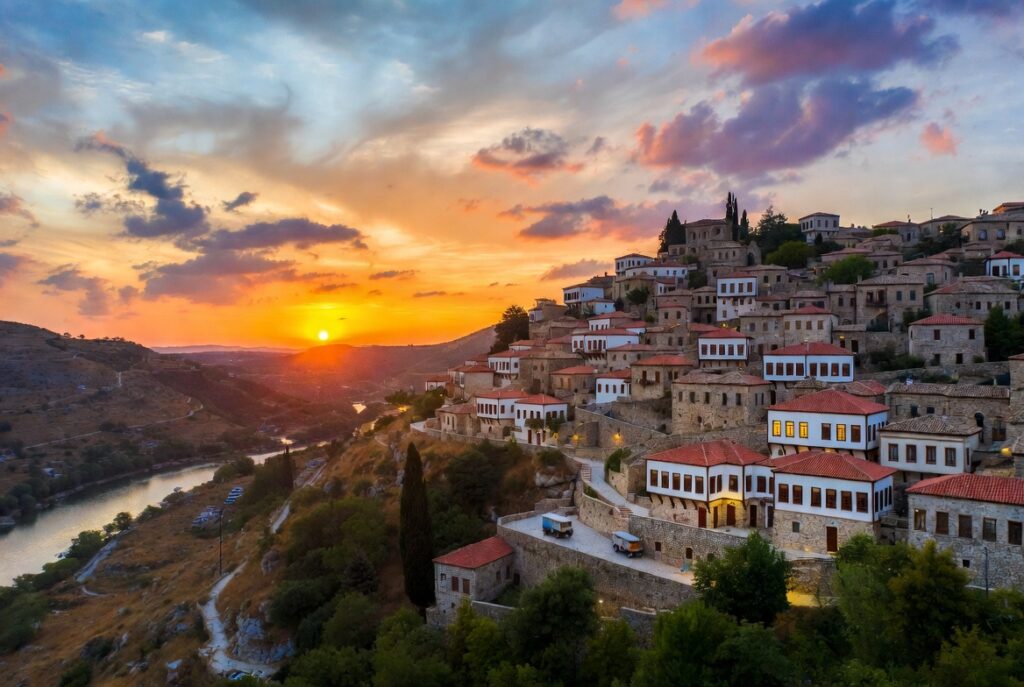
When Berat finally appeared on the hill — hundreds of white Ottoman houses stacked so tightly they looked like they were glued there by giants — I literally stopped breathing for a second. The warm sunset light hitting the ancient castle walls made me instantly understand why people call this place a fairytale. I sat on a stone wall overlooking the Osum River for almost an hour, phone deep in my pocket, just soaking the atmosphere in.
Day 4: Getting Lost in Berat (The City of a Thousand Windows)
Berat is unquestionably Albania’s historical crown jewel. The city is divided by the river into two historical neighborhoods: Mangalem and Gorica. Accommodation here is excellent value, and staying in a traditional guesthouse built right into the Ottoman-era architecture is an experience you cannot miss.
Solo female safety in Berat: I felt completely, one-hundred-percent safe walking alone as a woman here. The locals are incredibly welcoming, and navigating the historic center’s dimly lit cobblestone alleys late at night felt entirely peaceful.
Must-do experiences in the city:
You absolutely must climb the steep, slippery cobblestones to Berat Castle, which offers free entry and holds a living, breathing neighborhood inside its ancient walls that takes 2–3 hours to fully explore.
Taking an hour to visit the Onufri Museum for just 300 lek will reward you with some of the most stunning, vibrant medieval religious icons in the entire Balkans.
Wandering aimlessly through Mangalem’s labyrinth of cobblestone streets and hidden alleyways provides endless Instagram-gold photography opportunities.
You cannot leave without trying tavë kosi at Lili Restaurant, an intimate courtyard dining experience where you can taste Albania’s national lamb and yogurt dish for just €6–8.
Day 5: Mountain Views and Gjirokaster’s Stone Streets
Another day, another furgon adventure through scenery that violently rivals the Swiss Alps. You’ll catch a van heading south, usually transferring in the city of Fier. The entire journey takes roughly 2.5 to 3 hours, and the landscape becomes noticeably more dramatic and rugged as you approach the Greek border.
Gjirokaster is Albania’s second UNESCO World Heritage city, and it possesses a much darker, more imposing atmosphere than Berat. Built almost entirely from local grey limestone, the city’s houses resemble miniature fortresses climbing steeply up a mountain, with a massive, brooding castle watching over everything from the peak. This was the birthplace of communist dictator Enver Hoxha, and that heavy, layered history permeates the air here.
Where to stay in Gjirokaster:
Stone City Hostel is the undisputed backpacker central of the area, offering highly comfortable €12-18 beds and a massive communal kitchen where travelers swap road stories.
Guesthouse Sopoti is a beautiful, traditional stone house providing €25-40 private rooms that feature sweeping, uninterrupted views of the historic castle.
If you have a higher budget, Hotel Cajupi is a brilliantly converted Ottoman mansion that offers upscale, boutique comfort for €45-65 per night.
Zekate House is a premium, highly traditional option costing €30-50, allowing you to literally sleep inside museum-quality, 19th-century architecture.
Book reliable transfers between cities with Welcome Pickups if you are traveling with heavy luggage or simply want the peace of mind of a guaranteed departure time without the furgon hustle.
Day 6: Down to the Riviera – Saranda Awaits
The winding route from Gjirokaster to Saranda is widely considered one of the most spectacularly scenic furgon rides in the entire Balkan peninsula. Morning furgons depart from the highway junction around 7-8 AM and cost between 500-700 lek (€4-6). The journey takes about 1.5 to 2 hours. You begin high up in the cold mountains, wind your way down through endless, shimmering olive groves, and suddenly, the deep blue Ionian Sea appears on the horizon like a mirage. It is pure magic.
Is it safe to travel to Albania for solo female travelers? Yes. Absolutely. I felt safer walking the seaside promenade of Saranda at midnight than I do in many major Western European cities. Use your basic common sense at night in the larger hubs like Tirana, and you will be perfectly fine everywhere else.
Saranda accommodation recommendations:
Hairy Lemon Hostel creates an energetic, highly social atmosphere for €15-20, drawing a fun international crowd that is perfect for finding beach buddies.
Hotel Ajtona features excellent, sweeping sea views and a highly central location near the promenade for a very reasonable €35-50 a night.
Villa Aleksander is a warm, welcoming family-run establishment priced at €45-70 that includes a fantastic morning breakfast to start your beach day right.
Backpackers Villa provides a great, clean budget option at €12-18 and features a shared kitchen alongside a brilliant rooftop terrace for sunset beers.
Day 7: Ksamil – The ‘Maldives of Europe’ Reality Check
Getting from Saranda to Ksamil is incredibly easy using the local public bus, which costs approximately 100 ALL (about €1). Be warned, however: this bus gets notoriously packed in the summer months, and you will likely be standing shoulder-to-shoulder holding onto the overhead rails.
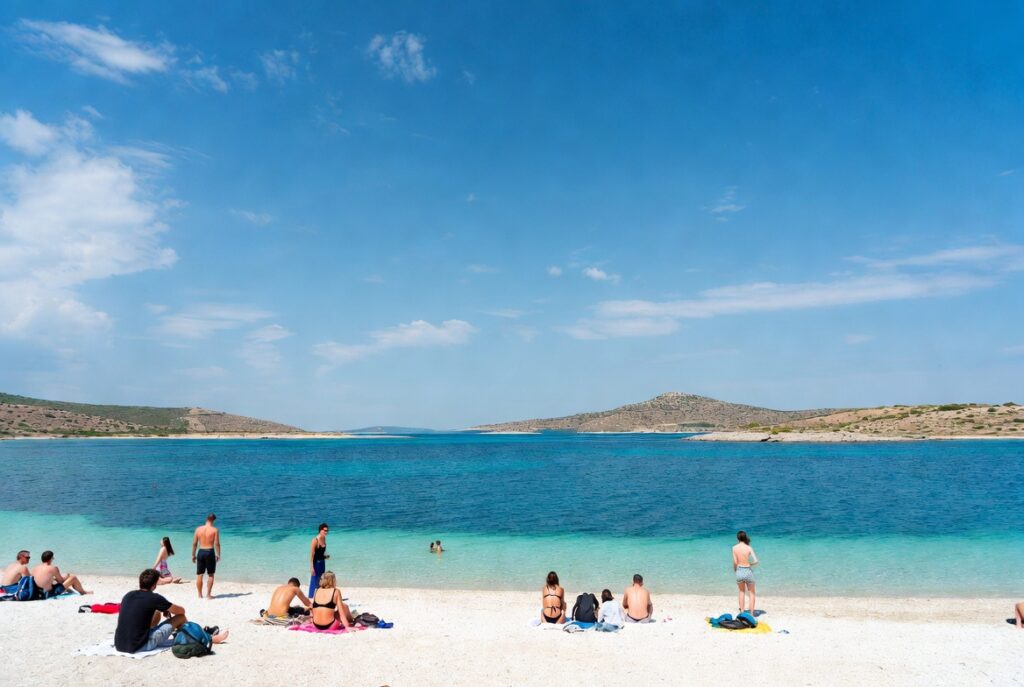
The Ksamil reality check: The water in Ksamil is genuinely that unreal, glowing turquoise color you see on TikTok. However, the viral ‘Maldives of Europe’ tag has made the town quite expensive in recent years. You should expect to pay anywhere from 1,500 to 3,500 ALL (€15–€35) just to rent two sunbeds and a simple umbrella for the day.
Smart budget strategies for the Riviera:
You can save a significant amount of money by bringing your own towel and hunting early for the remaining free beach spaces tucked between the private clubs.
Packing your own lunch, snacks, and drinks from a supermarket in Saranda is highly recommended, since the beachfront restaurants in Ksamil tend to charge double the normal Albanian prices.
Planning your beach visit on weekdays rather than weekends is a smart move, because local clubs frequently drop their sunbed prices by 20-30% when the local weekend crowds depart.
Albania Public Transport 2026: What Really Works
For long-distance travel between major hubs (like Tirana to Saranda), you can often find larger, coach-style buses that operate on a slightly more predictable schedule. However, for shorter distances and intercity travel, furgons are the absolute undisputed kings of the road. They are highly flexible, incredibly cheap, and full of vibrant local life.
Crucial furgon insider tips you need to know:
Furgon prices are completely fixed by the route, meaning you never need to stress about haggling or getting scammed—locals and tourists pay the exact same fare.
The unwritten payment rule dictates that you usually hand your cash to the driver halfway through the trip or right at the end, so always make sure to carry small bills and coins.
The system is incredibly flexible, so if you need to get off the furgon before reaching the final terminal, simply shout “Ndal!” (Stop!) to alert the driver.
Daily Budget Breakdown 2026
Albania remains one of the most affordable destinations in Europe, provided you know how to manage your daily expenses. Here is exactly what you should expect to spend based on your travel style.
Ultra-budget (€30–35/day): Your expenses will remain incredibly low if you sleep in €12-18 hostel dorms, eat €2 street food pastries for breakfast, and rely exclusively on €3-5 furgons for all your transportation needs.
Comfortable Mid-range (€45–60/day): You will enjoy a highly comfortable trip by spending €25-35 on private guesthouse rooms, eating at nice sit-down traditional restaurants for €15, and occasionally taking a short taxi ride.
Luxury (€120–250+/day): If you want to splurge, this budget will secure you stunning boutique hotels, high-end seafood dinners on the Riviera, and front-row sunbeds at the most exclusive beach clubs in Ksamil. For more, see our Saranda vs Ksamil nightlife guide and the Kala Festival guide.
Frequently Asked Questions
Is Albania safe to travel to for solo female travelers in 2026?
Yes, absolutely. Violent crime against tourists is extremely rare in Albania. I consistently felt safer walking alone here at night than I do in many major Western European capitals. The locals are deeply protective of guests due to their cultural code of hospitality known as “Besa”.
What’s the daily budget for Albania travel in 2026?
You should plan for €35–50 if you are a budget traveler staying in hostels, and €80–130 if you prefer mid-range hotels and nice restaurants. Keep in mind that coastal areas in the summer cost significantly more, while the inland historical towns offer excellent value.
How do furgon buses actually work in Albania?
Furgons are privately owned minibuses that drive back and forth on specific routes without a rigid timetable. You simply flag them down on the side of the road, hop in to find an empty seat, and pay the driver in cash when you reach your destination.
When is the absolute best time to visit Albania in 2026?
The shoulder months of May to June and September to October are undeniably the best times to visit. You will experience perfect, warm weather, the seawater is swimmable, the crowds are highly manageable, and prices are much lower than the August peak.
Your Albania Adventure Awaits
Albania without a car isn’t just possible — it is, without a doubt, the most authentic and rewarding way to experience this incredible, rapidly changing country. Traveling by furgon strips away the sterile bubble of a rental car and forces you to interact with the staggering natural beauty and ridiculously friendly people.
This country is exactly what Croatia was fifteen years ago, and what Montenegro was a decade ago. It is wild, welcoming, and boasts prices that still feel entirely unreal compared to the rest of Western Europe.
If you’re ready for a trip that actually challenges and moves you — not just another sanitized, checklist destination — Albania in 2026 is waiting for you.
Stop overthinking the logistics. Search for the best flight deals on Aviasales, secure your peace of mind with travel insurance from EKTA, and book that hassle-free airport transfer with Welcome Pickups.
The only real question left is — are you ready for Albania?
 Start your Albania adventure right in the beating heart of the capital city. Forget the expensive private airport transfers. As soon as you exit the arrivals terminal, look for the LU-NA furgon company stop, which is marked with a simple bus sign across the street. The ticket costs a mere 400 lek (about €3.80), and it drops you off in a little park right behind the Opera & Ballet Theatre. In just 30 minutes, you are standing in the middle of everything.
Tirana feels like Europe’s best-kept secret. It is a visually wild mix of Ottoman history, brutalist communist relics, brightly painted apartment blocks, and a surprisingly sophisticated café culture that rivals anything you will find in Italy. I spent my first two days simply getting lost in the Blloku district. This area was once strictly reserved for high-ranking communist party officials, but today, it is the epicenter of Tirana’s nightlife. I found myself drinking rich espresso, exploring the chilling underground bunkers of Bunk’Art 2, and watching the city buzz until 2 a.m.
Where to stay in Tirana:
Start your Albania adventure right in the beating heart of the capital city. Forget the expensive private airport transfers. As soon as you exit the arrivals terminal, look for the LU-NA furgon company stop, which is marked with a simple bus sign across the street. The ticket costs a mere 400 lek (about €3.80), and it drops you off in a little park right behind the Opera & Ballet Theatre. In just 30 minutes, you are standing in the middle of everything.
Tirana feels like Europe’s best-kept secret. It is a visually wild mix of Ottoman history, brutalist communist relics, brightly painted apartment blocks, and a surprisingly sophisticated café culture that rivals anything you will find in Italy. I spent my first two days simply getting lost in the Blloku district. This area was once strictly reserved for high-ranking communist party officials, but today, it is the epicenter of Tirana’s nightlife. I found myself drinking rich espresso, exploring the chilling underground bunkers of Bunk’Art 2, and watching the city buzz until 2 a.m.
Where to stay in Tirana:
 A typical furgon journey in Albania costs between €1 and €5 depending on the distance, making it a dream for budget backpackers. The route from Tirana to Berat, for example, costs around €3 (roughly 300-400 lek) and takes just over two hours. These are not luxury rides with Wi-Fi and air conditioning, but sitting shoulder-to-shoulder with locals heading to the market is half the magic of the trip.
Leave your accommodation by 8:30 a.m. to catch the frequent morning departures. The road rapidly transitions from urban sprawl to winding mountain passes that make you completely forget you’re still in Europe.
The authentic furgon experience:
A typical furgon journey in Albania costs between €1 and €5 depending on the distance, making it a dream for budget backpackers. The route from Tirana to Berat, for example, costs around €3 (roughly 300-400 lek) and takes just over two hours. These are not luxury rides with Wi-Fi and air conditioning, but sitting shoulder-to-shoulder with locals heading to the market is half the magic of the trip.
Leave your accommodation by 8:30 a.m. to catch the frequent morning departures. The road rapidly transitions from urban sprawl to winding mountain passes that make you completely forget you’re still in Europe.
The authentic furgon experience:
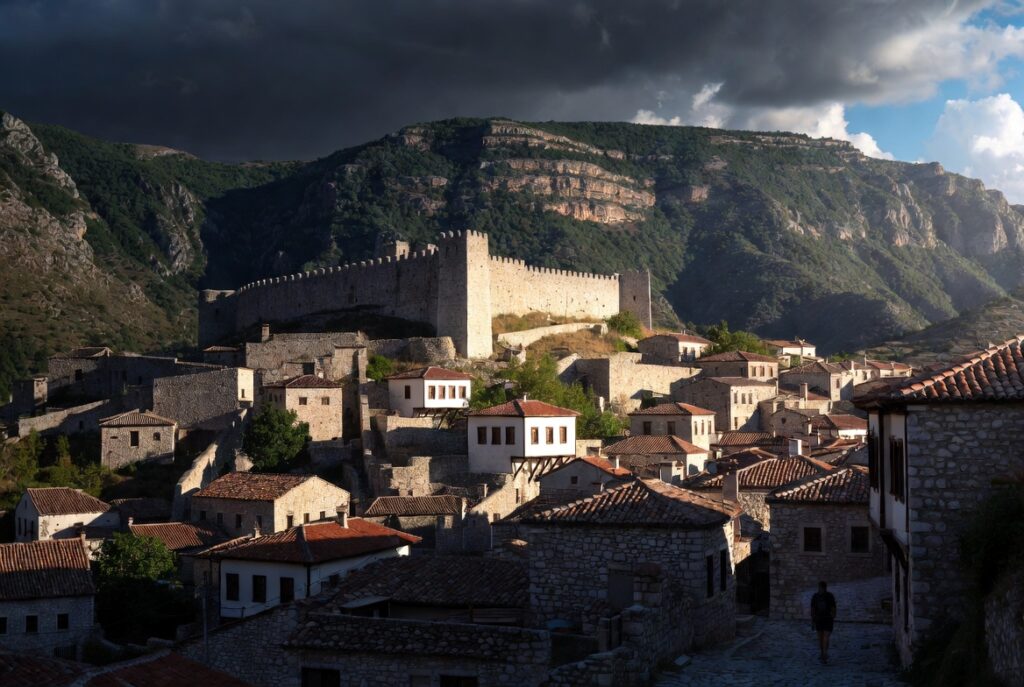 Gjirokaster is Albania’s second UNESCO World Heritage city, and it possesses a much darker, more imposing atmosphere than Berat. Built almost entirely from local grey limestone, the city’s houses resemble miniature fortresses climbing steeply up a mountain, with a massive, brooding castle watching over everything from the peak. This was the birthplace of communist dictator Enver Hoxha, and that heavy, layered history permeates the air here.
Where to stay in Gjirokaster:
Gjirokaster is Albania’s second UNESCO World Heritage city, and it possesses a much darker, more imposing atmosphere than Berat. Built almost entirely from local grey limestone, the city’s houses resemble miniature fortresses climbing steeply up a mountain, with a massive, brooding castle watching over everything from the peak. This was the birthplace of communist dictator Enver Hoxha, and that heavy, layered history permeates the air here.
Where to stay in Gjirokaster: