You know that feeling when you discover a flight from New York to Bangkok for $400, but realize you could visit Istanbul AND Dubai for the same price? That’s the magic of using cheap multi-city flight hacks — a travel trick that lets you see 3 countries for the price of 1. Most travelers waste hundreds booking separate flights when they could be exploring multiple destinations on a single ticket in 2026.This isn’t your typical budget travel advice. I’m talking about legitimate cheap multi-city flight hacks and airline strategies that turn a boring 14-hour layover into a free mini-vacation in Iceland or Turkey. Airlines actually want you to do this — they call them “stopover programs” and market them heavily. The catch? Most booking sites hide these options, and travel agents rarely mention them. By the end of this guide, you’ll know exactly how to hack the system and build epic multi-city adventures for less than a standard round-trip ticket.
Understanding Layovers vs Stopovers: The Game-Changing Difference
Here’s where most travelers get confused. A layover is that annoying 2-hour wait in Frankfurt where you’re stuck in the terminal eating overpriced sandwiches. A stopover is completely different — it’s an extended break (usually 24+ hours) where you leave the airport, explore the city, maybe grab a hotel, then continue your journey.
The magic happens because airlines use their hub cities as connecting points anyway. Turkish Airlines routes most European-to-Asian flights through Istanbul. Emirates funnels traffic through Dubai. Instead of rushing through these hubs in 3 hours, you can stay for days or even weeks at no extra cost. Just remember that bouncing between countries means your phone plan has to keep up — a single regional travel eSIM keeps you online from one hub to the next without hunting for local SIM cards.
Most airlines define stopovers as stays longer than 24 hours on international flights (4 hours on domestic). But here’s the kicker — some airlines offer free stopovers even on shorter connections. Icelandair lets you stop in Reykjavik for up to 7 days on any transatlantic flight. Qatar Airways gives you 4 days free in Doha. These aren’t mistakes or loopholes — they’re official programs.

When I searched for flights from London to Sydney last month, the direct route cost £1,200. The same trip with a 3-day stopover in Dubai? £800. That’s £400 saved plus a free mini-vacation. The airlines win because they fill more seats on connecting flights. You win because you see more places for less money.
Start your search on Aviasales to compare baseline prices before diving into stopover strategies. Their interface shows connection times clearly, making it easier to spot potential stopover opportunities that other sites might miss.
The Big 5: Airlines Offering Free Extended Stopovers
Turkish Airlines: Istanbul Gateway
Turkish Airlines operates the most generous stopover program globally. Their “Stopover Istanbul” lets you stay 1-6 nights free when connecting through Istanbul Airport. The program includes free hotel accommodation (yes, really), airport transfers, and city tours.
I tested this route from Chicago to Bangkok via Istanbul last year. The 3-day stopover cost exactly $0 extra compared to the shortest connection. Turkish Airlines even covered my hotel at the Airport Hotel and provided shuttle service to Sultanahmet. You can explore the Blue Mosque, Grand Bazaar, and Bosphorus cruise before continuing to Asia.
The program works on flights with connections over 20 hours. Book directly through Turkish Airlines website or call their stopover desk at +90-212-444-0849. Third-party sites like Expedia rarely show the free hotel option, so book direct.
Qualifying routes include most US-Europe-Asia connections and Europe-Middle East-Africa routes. The free hotel varies from 4-star Airport Hotel to city center options depending on availability. Book 72 hours ahead for best hotel selection.
Icelandair: Reykjavik Stopover Magic
Icelandair practically invented the modern stopover program. Their “Iceland Stopover” allows stays up to 7 days in Reykjavik on any transatlantic flight at no additional airfare cost. This works on flights between North America and 25+ European destinations.

The program is ridiculously easy to book. When searching flights on Icelandair’s website, simply extend your stopover duration using the dropdown menu. A 2-hour connection costs the same as a 7-day adventure. I’ve used this hack to see the Northern Lights in March and explore the Blue Lagoon before continuing to Amsterdam.
Peak season (June-August) flights from New York to London with a 5-day Iceland stopover typically cost $400-600. Compare that to separate tickets: NYC-Reykjavik ($300) plus Reykjavik-London ($200) totals $500 minimum. You’re basically getting Iceland thrown in free.
Icelandair also partners with hotels offering stopover packages. The Reykjavik Natura includes breakfast and Blue Lagoon transfers for $180/night. Gray Line Iceland offers Northern Lights tours specifically for stopover passengers. Book these add-ons during flight purchase for package discounts.
Qatar Airways: Doha Desert Oasis
Qatar Airways’ “Doha City Tour” program offers 4 different free city tours for passengers with 5+ hour layovers. But their extended stopover program is even better — stay up to 96 hours in Doha with discounted hotels and visa-free entry for 80+ nationalities.
The Oryx Airport Hotel offers special stopover rates from $89/night including airport shuttle. For longer stays, downtown hotels like the Marriott start around $120/night with stopover discounts. Qatar Airways arranges everything through their dedicated stopover desk.
I discovered this hack flying from London to Melbourne. Instead of the usual 1-day journey, I spent 3 nights exploring Doha’s Museum of Islamic Art, Souq Waqif markets, and desert safaris. The extended stopover added $0 to my ticket price but included $300 worth of hotel discounts.
Book through Qatar Airways directly and mention “stopover program” when calling reservations. Their online booking tool doesn’t always show extended stopover options clearly. The program works on most intercontinental routes through Doha hub.
Emirates: Dubai Luxury Layovers
Emirates offers complimentary hotel accommodation for Economy passengers with layovers over 10 hours and First/Business class passengers with 4+ hour connections. But their unofficial extended stopover program is where real savings happen.
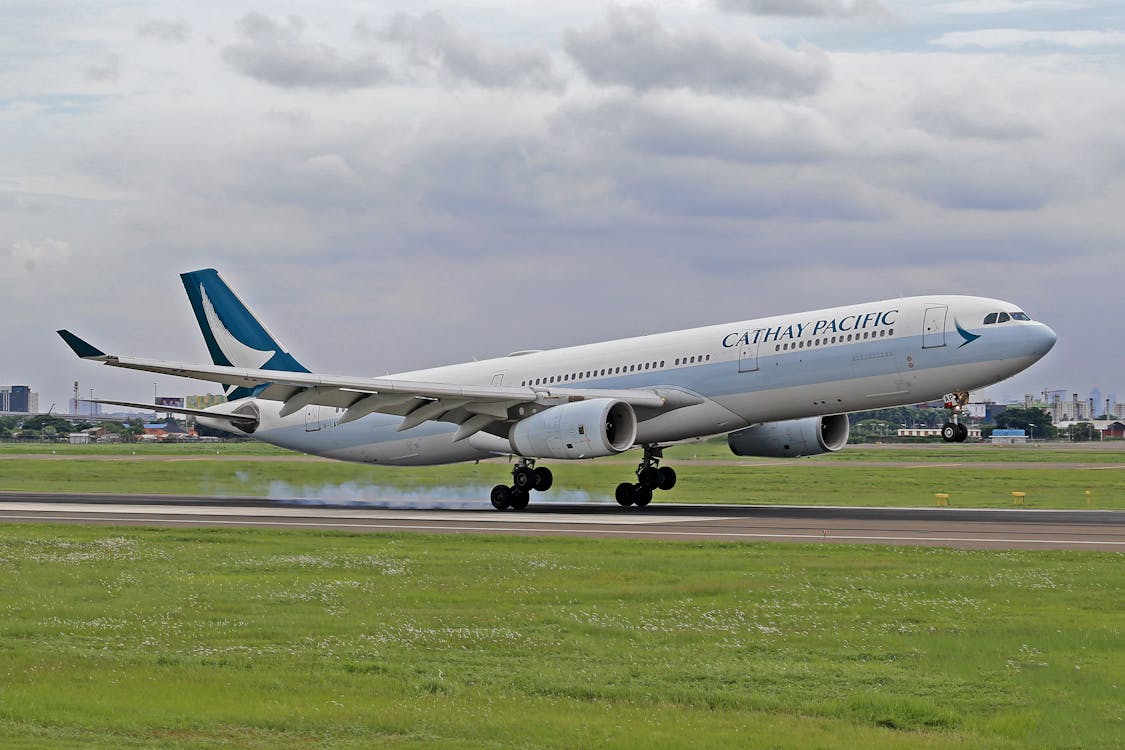
You can extend Dubai connections up to 30 days for around $100-200 extra depending on your destination. That’s essentially a month-long Dubai vacation for the cost of a weekend in Paris. Emirates provides visa assistance and partners with over 50 hotels offering “Dubai Stopover” packages.
The Citymax Hotel Bur Dubai offers stopover rates from $65/night including breakfast and airport transfers. JA Ocean View Hotel provides beach access packages from $150/night. Book these through Emirates’ dedicated stopover website or call their Dubai tourism partnerships team.
I used this strategy flying from Manchester to Singapore last winter. A 7-day Dubai stopover cost $150 extra but saved me $800 compared to booking Manchester-Dubai and Dubai-Singapore separately. Plus I got to experience the Burj Khalifa, gold souks, and desert camping.
TAP Air Portugal: Lisbon Surprise
TAP Air Portugal’s “Portugal Stopover” program is Europe’s best-kept secret. Stay up to 10 days in Lisbon or Porto when flying between North America and Africa, or transatlantic routes to Europe. The program costs exactly $0 extra on most intercontinental flights.
Their website has a dedicated “Stopover” booking section that’s surprisingly user-friendly. Select your origin and final destination, then choose stopover duration up to 10 days. Hotels partners offer “TAP Stopover” rates 20-40% below standard prices.
The Tivoli Oriente Lisboa provides stopover packages from €89/night including breakfast and metro passes. For budget travelers, Yes! Lisbon Hostel offers stopover rates from €25/night with TAP passenger discounts. Both include airport transfer arrangements.
This hack works brilliantly on routes like Boston-Casablanca via Lisbon or Toronto-Madrid via Porto. You’re getting Portugal vacation essentially free while traveling to your main destination. TAP’s stopover program extends to Azores islands too — imagine free time in the mid-Atlantic paradise.
Check current Aviasales prices before booking directly with airlines to ensure you’re getting genuine value on these stopover programs.

Step-by-Step: Using Kiwi.com’s Nomad Tool for Multi-City Magic
Traditional flight search engines suck at finding complex multi-city routes. They’ll show you London-Bangkok direct flights but miss the London-Istanbul-Bangkok-Singapore-London combinations that could save you hundreds. This is where Kiwi.com’s Nomad tool becomes your secret weapon.
Setting Up Your Nomad Search
Start by visiting Kiwi.com and clicking “Nomad” in the top menu. The interface looks different from typical flight search — it’s designed for complex routing that traditional sites can’t handle.
Enter your departure city first, then add destination cities one by one. The tool lets you specify exact dates or “anytime within 30 days” for maximum flexibility. Select “I want to return” if you’re planning a round trip, or leave it unchecked for one-way multi-city routing.
Here’s where Nomad gets clever: it searches millions of flight combinations across 750+ airlines, including budget carriers that don’t appear on Google Flights or Expedia. The algorithm finds routing patterns that would take hours to discover manually.
Advanced Nomad Filtering Tricks
Use the “Max stopovers” filter to control connection complexity. Set it to 2-3 stops for reasonable journey times, or increase to 5+ if you want maximum destinations for minimum cost. The “Max total travel time” slider prevents 40-hour nightmare journeys.
The “Nighttime departures only” filter helps you save hotel costs by flying overnight. Combine this with stopover cities that offer free airport hotels (like Istanbul or Dubai) for additional savings.
Nomad’s “Flexible dates” option shows price variations across different departure days. Tuesday and Wednesday departures typically save 20-30% compared to weekend flights. Use this data to optimize your stopover timing.
Real Example: 5 Cities for $800
I’ll walk you through my actual Nomad search from last month. Starting point: New York. Destinations: Istanbul, Dubai, Bangkok, Singapore, back to New York. Travel period: March 2024, flexible dates, 30-day total trip length.

Nomad found 47 different routing combinations. The cheapest option: JetBlue NYC-Boston, Turkish Airlines Boston-Istanbul (3 days), Emirates Istanbul-Dubai (4 days), Singapore Airlines Dubai-Bangkok (5 days), Scoot Bangkok-Singapore (3 days), Turkish Airlines Singapore-NYC via Istanbul. Total cost: $798 including all taxes.
Compare this to booking five separate round-trip flights from NYC to each destination: roughly $3,200 minimum. Nomad’s routing saved $2,400 while creating a logical travel flow across three continents.
The tool also showed alternative routings using Qatar Airways through Doha or TAP Portugal through Lisbon. Each option included estimated travel times, total stops, and baggage policy summaries.
Booking Through Kiwi vs. Direct Airlines
Kiwi offers “Kiwi.com Guarantee” covering missed connections even when booking separate tickets from different airlines. This protection costs 5-10% extra but eliminates the biggest risk of complex routing.
For maximum savings, note down Nomad’s suggested flights and book directly with airlines when possible. Turkish Airlines often matches or beats Kiwi prices when booked directly, plus you’ll earn frequent flyer miles and get better customer service.
However, Kiwi excels at finding routing combinations involving budget airlines like Wizz Air, Ryanair, or AirAsia that don’t partner with traditional booking sites. Their “self-transfer” options connect these carriers in ways you’d never discover manually.
Hidden City Ticketing: High Rewards, Real Risks
Hidden city ticketing is flight hacking’s controversial cousin. The concept: book a flight from New York to Bangkok with a layover in London, but intentionally miss the Bangkok leg and stay in London. Your NYC-London ticket costs less than a direct NYC-London flight because airlines price longer routes competitively.
Skiplagged popularized this technique, but it exists in a legal gray area. Airlines hate it because it undermines their hub-and-spoke pricing models. You’re not breaking laws, but you are violating airline terms of service.
How Hidden City Pricing Works
Airlines use complex algorithms that sometimes make longer routes cheaper than shorter ones. A NYC-Bangkok flight via London might cost $600, while NYC-London direct costs $800. The airline prices the longer route aggressively to compete with other carriers serving the NYC-Bangkok market.

The pricing anomaly happens because airlines view London as a connection point, not a destination on these routes. They’re willing to lose money on the NYC-London segment to capture the profitable NYC-Bangkok passenger.
This strategy works best on one-way tickets from major hubs. Round-trip hidden city bookings are nearly impossible because missing your outbound connection cancels your return flight automatically.
Success Stories and Savings Examples
Sarah, a London-based consultant, saved £300 monthly using hidden city ticketing for business travel to European cities. She’d book London-Prague-Bucharest flights but skip the Prague-Bucharest leg, staying in Prague instead. Over 12 months, she saved £3,600 on company travel.
Tech workers traveling between San Francisco and Seattle regularly use the SF-Seattle-Vancouver route, skipping Vancouver. The three-city routing often costs $150-200 less than direct SF-Seattle flights due to airline competition on the US-Canada corridor.
However, these savings come with strings attached. Sarah’s strategy worked because she traveled light with carry-on only and never needed to check bags through to the final destination.
The Risks You Need to Know
Airlines can and will ban frequent offenders from their loyalty programs. United revoked elite status from passengers caught using hidden city ticketing repeatedly. American Airlines has canceled future bookings for passengers with obvious hidden city patterns.
Checked baggage goes to your ticketed final destination automatically. If you’re doing hidden city NYC-Bangkok via London, your bag goes to Bangkok while you stay in London. There’s no way to retrieve it mid-journey.
Missing flights triggers airline algorithms that flag suspicious booking patterns. Do this too often and airlines will restrict your account or demand full fare differences. The risk increases if you’re using the same credit card and frequent flyer number repeatedly.
Your return flight gets canceled automatically if you no-show for any outbound segment. Book hidden city tickets as one-way only, never round-trip.

Travel insurance rarely covers issues arising from intentional missed connections. If your NYC-London-Bangkok flight gets rerouted through Paris, you could end up stranded in Paris instead of London with no recourse.
If your flight gets delayed and you miss the connection, airlines will reroute you to your ticketed destination (Bangkok) not your intended stop (London). You have no right to refuse the rerouting since Bangkok is where you’re supposed to go according to your ticket.
Safer Alternatives to Hidden City Ticketing
Instead of risky hidden city bookings, focus on legitimate stopover programs that airlines actually encourage. The savings are similar but without contract violations or account bans.
Use error fares and mistake pricing instead. Sign up for Scott’s Cheap Flights or Secret Flying to get notified when airlines accidentally publish routes at massive discounts. These deals are rare but completely legitimate.
Book open-jaw tickets where you fly into one city but depart from another. For example: NYC-London, then Prague-NYC separately. This often costs less than NYC-London-Prague-NYC while giving you overland travel flexibility between London and Prague.
Consider positioning flights from cheaper departure cities. Sometimes driving 3 hours to a different airport saves more money than hidden city ticketing, with zero risk of airline penalties.
Building Your Perfect Multi-City Route Strategy
The best multi-city routes follow logical geographic patterns that airlines actually want you to book. Think of major airline hubs as stepping stones across continents rather than obstacles to your travel plans.
The Hub-and-Spoke Advantage
Airlines design their networks around major hubs for good reason — it’s more efficient to fly passengers through central points than operate direct flights between every city pair. You can exploit this system by choosing destinations that align with natural hub routing.
Turkish Airlines routes most traffic through Istanbul when traveling between Europe and Asia. Instead of fighting this pattern, embrace it. Book London-Istanbul-Bangkok with extended stopovers, and you’re working with the airline’s preferred routing instead of against it.

Emirates uses Dubai as their global hub, making it perfect for Africa-Asia-Europe combinations. Qatar Airways funnels traffic through Doha for similar routing options. These aren’t inconveniences — they’re opportunities for free vacations in world-class cities.
Seasonal Route Planning
Airline pricing and availability changes dramatically by season, creating opportunities for savvy multi-city planners. Northern hemisphere winter (November-March) offers cheapest flights to Southeast Asia, while shoulder seasons (April-May, September-October) provide best value for European stopovers.
Istanbul shines during spring (April-May) and fall (September-October) when weather is perfect and tourist crowds smaller. Dubai works brilliantly during their winter season (November-March) when temperatures drop to comfortable levels.
Reykjavik offers two distinct experiences: Northern Lights season (September-March) and midnight sun season (May-August). Plan your transatlantic routing accordingly depending on which natural phenomenon you want to experience during your stopover.
Budget Allocation for Maximum Impact
Split your budget 60% for flights, 40% for ground expenses when planning multi-city adventures. This ratio ensures you can actually enjoy your destinations rather than just passing through airports.
Budget $50-100 per day for accommodation in stopover cities, depending on your comfort level. Istanbul and Bangkok offer excellent hostels from $15-25/night, while Dubai and Reykjavik require $80-120/night minimum for decent hotels.
Don’t forget about visa costs for multiple countries. US passport holders get visa-free access to Turkey (90 days), UAE (30 days), and Iceland (90 days), but need visas for Thailand ($35) and potentially other Asian destinations.
Transportation between airports and city centers varies wildly. Istanbul’s new airport is 45km from the city center ($15 taxi), while Singapore’s Changi connects to downtown via $2 metro. Factor these costs into your stopover city selection.
Timing Your Stopovers for Maximum Value
The sweet spot for most stopovers is 2-4 days. This gives you enough time to recover from jet lag, see major sights, and experience local culture without feeling rushed. Longer stopovers start feeling like separate vacations, which defeats the “bonus destination” psychology.

Schedule your longest stopovers in cities with the most activities. Dubai and Istanbul offer enough attractions for week-long visits, while smaller hubs like Panama City or Reykjavik work better for 2-3 day stops.
Consider time zone progression when planning eastward routes. A New York-Istanbul-Bangkok-Singapore routing fights jet lag naturally by advancing your sleep schedule gradually. Westward routing (Singapore-Dubai-London-New York) can be harder on your body.
Book stopovers during shoulder seasons when possible. March-April in Istanbul offers perfect weather and fewer crowds compared to peak summer months. September-October in Dubai provides comfortable temperatures before the winter tourist rush.
Legal Protection and Travel Insurance Essentials
Multi-city flight hacking creates complex insurance scenarios that standard travel policies don’t always cover. You need protection that understands modern flight booking patterns and covers multiple destinations effectively.
Flight Delay Compensation Rights
EU regulations require airlines to compensate passengers €250-600 for delays over 3 hours on flights departing from or arriving in EU countries. This applies to each segment of your journey separately. If your Istanbul-London flight delays 4 hours, you can claim compensation even if your original New York-Istanbul segment was on time.
Compensair specializes in these complex multi-segment claims and charges only if they successfully recover money for you. They understand how stopover programs affect compensation rights and can pursue claims across different airlines and countries.
The compensation applies to connecting flights too. If your delayed New York-Istanbul connection causes you to miss your Istanbul-Bangkok flight, you can claim compensation for both the delay and the missed connection disruption.
US passengers get weaker protection under Department of Transportation rules, but you can still claim compensation under EU law if any segment touches European airspace.
Multi-Destination Travel Insurance
Standard travel insurance policies assume simple round-trip or one-way travel patterns. Multi-city routes with extended stopovers need specialized coverage that protects each destination segment independently.

EKTA offers comprehensive plans starting from €30 that cover multi-destination travel specifically. Their policies protect you if one segment gets canceled but others proceed normally — a common scenario with complex routing.
Look for “trip interruption” coverage that pays for accommodation and rebooking if you get stranded in a stopover city. Standard medical coverage should apply worldwide, not just at your final destination.
Baggage insurance becomes crucial with multiple connections and longer stopovers. Extended stopover programs increase luggage handling touchpoints, raising loss and delay risks. Ensure your policy covers baggage delays over 12 hours, not just permanent loss.
Booking Protection Strategies
Book complex routes with credit cards offering trip protection benefits. Chase Sapphire Preferred provides trip delay coverage if any segment delays over 6 hours, plus baggage delay protection and trip interruption benefits.
Screenshot all your flight confirmations and save offline copies on your phone. Multi-city bookings involve multiple airlines and confirmation codes that airline staff sometimes can’t access during disruptions.
Register for airline apps and SMS notifications for each carrier in your routing. Turkish Airlines, Emirates, and Qatar Airways offer excellent real-time updates about delays, gate changes, and rebooking options.
Consider “flexible ticket” upgrades when available during booking. An extra $50-100 for date change flexibility can save hundreds if your extended stopover plans change or flights get disrupted.
Book airport transfers in advance for each stopover city to avoid language barriers and overcharging during arrival. Welcome Pickups operates in major stopover hubs like Istanbul, Dubai, and Singapore with English-speaking drivers and fixed pricing.
Common Mistakes That Cost Hundreds (And How to Avoid Them)
After helping dozens of friends plan multi-city adventures, I’ve seen the same expensive mistakes repeated constantly. These errors can turn a $800 dream trip into a $2,000 nightmare, but they’re all completely avoidable with proper planning.

Mistake 1: Booking Too Close to Departure
Multi-city flights require advance planning because award availability and stopover program slots fill up quickly. I learned this the hard way trying to book a New York-Istanbul-Bangkok route just 3 weeks before departure. Turkish Airlines’ free hotel program was fully booked, forcing me to pay $150/night for downtown Istanbul accommodation.
Book complex routes 6-8 weeks ahead for best availability and pricing. Airlines release stopover program inventory differently than regular flight seats. Some routes need 90+ days advance booking during peak seasons.
The sweet spot is 45-60 days for most international routes. Earlier than 90 days and you might face schedule changes. Later than 30 days and you’ll pay premium pricing with limited stopover options.
Mistake 2: Ignoring Visa Requirements
Nothing kills multi-city plans faster than visa problems at unexpected transit points. Even brief connections sometimes require transit visas depending on your nationality and routing specifics.
Chinese transit visas are particularly tricky — US passport holders need visas for connections over 24 hours in Beijing or Shanghai, but can transit visa-free through Guangzhou for up to 144 hours. These rules change frequently and vary by airport.
Research visa requirements for every country you’ll touch, including brief connections. Sheremetyevo Airport in Moscow requires transit visas for many nationalities even on 4-hour connections. Missing this requirement means denied boarding and rebooking fees.
Use the IATA Travel Requirements tool or consult embassy websites directly. Don’t trust airline customer service for visa advice — they’re often wrong about complex multi-country routing.
Mistake 3: Poor Luggage Strategy
Checked baggage becomes exponentially more complex with multi-city routing. Different airlines have different policies, and your bags might not follow your extended stopover plans.
When I booked that New York-Istanbul-Bangkok route, I assumed my checked bag would wait in Istanbul during my 3-day stopover. Wrong. Turkish Airlines forwarded it to Bangkok automatically, leaving me with carry-on clothes only for my Istanbul adventure.

Pack essentials for your longest stopover in your carry-on bag. This includes medications, one outfit change, toiletries, and any electronics you’ll need. Assume your checked luggage won’t be available during stopovers.
Consider shipping clothes ahead to longer stopover destinations if you’re staying over a week. DHL and FedEx offer “hold for pickup” services at major airports worldwide.
Mistake 4: Underestimating Airport Transit Times
Minimum connection times assume perfect conditions — no delays, no long immigration lines, no terminal changes. Multi-city routing often involves multiple terminals or even different airports in the same city.
Istanbul has two major airports: the new Istanbul Airport (IST) and Sabiha Gokcen (SAW). Some multi-city routes mix these airports, requiring 2+ hours for inter-airport transfers that aren’t included in your ticket.
London’s five airports create similar problems. A route connecting through Heathrow (LHR) and continuing from Gatwick (LGW) requires expensive and time-consuming transfers across the city.
Build in extra connection time for complex routing — at least 3 hours for international connections involving different terminals or airlines. The money saved on clever routing disappears quickly if you miss connections due to tight timing.
Mistake 5: Forgetting About Airline Alliances
Booking multi-city routes across different airline alliances can create service nightmares when things go wrong. Star Alliance airlines won’t help you if your Oneworld connection gets delayed, leaving you stranded with finger-pointing between carriers.
Turkish Airlines (Star Alliance) connects beautifully with United, Lufthansa, and Singapore Airlines. But mixing Turkish with Emirates (no alliance) or British Airways (Oneworld) creates complications during irregular operations.
Stick to routes within single airline alliances when possible, or use airlines with strong partnership agreements. Emirates and Jetblue code-share on many routes, providing better protection than completely unrelated carriers.
Kiwi.com offers connection protection even across different alliances, but charges 5-10% extra for this service. Consider this insurance cost when comparing against alliance-based routing.

FAQ
How long can I stay during a free airline stopover?
This varies by airline and route. Icelandair allows up to 7 days in Reykjavik at no extra cost. Turkish Airlines offers 1-6 nights free in Istanbul with hotel included. Qatar Airways permits up to 96 hours (4 days) in Doha with discounted hotels. Emirates allows up to 30 days in Dubai for a small fee ($100-200). The key is booking through the airline’s official stopover program rather than just extending a regular layover.
What’s the difference between hidden city ticketing and stopovers?
Hidden city ticketing involves intentionally missing the final segment of your flight (booking NYC-Bangkok via London but staying in London). This violates airline terms of service and risks account penalties. Stopovers are official airline programs where you’re encouraged to stay in hub cities for extended periods. Stopovers are completely legal and often include perks like free hotels and city tours.
Can I use frequent flyer miles for multi-city routes with stopovers?
Yes, but it’s more complex than cash bookings. Most airline loyalty programs allow stopovers on award tickets, but you’ll need to call their award desk rather than booking online. Star Alliance airlines offer “Round the World” awards that include multiple stopovers for 140,000-200,000 miles. For a cash alternative, see our Kiwi Nomad round-the-world tutorial. Some airlines charge small fees ($50-100) for award stopovers, but it’s still much cheaper than separate tickets.
What happens if I miss a connection during my multi-city journey?
If you booked all segments on one ticket (even across different airlines), the first airline is responsible for rebooking you at no extra cost. They must get you to your final destination, though you might lose time in planned stopover cities. If you booked separate tickets, you’re responsible for rebooking missed connections yourself. This is why booking protection through sites like Kiwi.com or buying flexible tickets can be worth the extra cost.

Do I need travel insurance for multi-city trips with stopovers?
Absolutely. Multi-city routing creates more opportunities for delays, cancellations, and missed connections. Standard policies might not cover extended stopovers properly, so look for “multi-trip” or “worldwide” coverage that protects each destination independently. EKTA offers specialized multi-destination coverage starting from €30. Also consider flight delay compensation services like Compensair since EU regulations can get you €250-600 per delayed segment.
Your Next Multi-City Adventure Starts Now
Multi-city flight hacking isn’t just about saving money — it’s about completely reimagining how you explore the world. Instead of expensive separate trips to Istanbul, Dubai, and Bangkok, you can experience all three for less than a single round-trip flight to Europe. New to flight searching? Our guide on how to find cheap flights in 2026 covers all the tools and tricks you need before booking.
The strategies in this guide work because they align with how airlines actually want to route passengers through their hubs. You’re not gaming the system — you’re using it intelligently. Start by checking current prices on Aviasales, then experiment with Kiwi.com’s Nomad tool to discover routing combinations you never knew existed. For a full walkthrough, see our Kiwi Nomad tutorial that builds a $600 round-the-world trip.
Your first multi-city adventure is just a few clicks away. Pick three destinations you’ve always wanted to visit, find the connecting hub cities, and start building your route. The world is smaller and cheaper than you think when you know how to navigate it properly.
Ready to put those savings somewhere unexpected? Our guide to things to do in Almaty, Kazakhstan is packed with adventures you won’t find in Europe, and our European skiplagging guide shows how to dodge the penalties on the way there.