⚡ Heads up: This post contains affiliate links. If you book or buy through them, we may earn a small commission — at no extra cost to you. We only recommend stuff we’d actually use ourselves.
Quick answer: a 2026 Kilimanjaro climb runs from around $1,850 for a bare-bones 5-day Marangu trip to $4,000+ for an 8-day Lemosho expedition with a small group, and your odds of actually reaching Uhuru Peak depend far more on how many days you spend on the mountain than on which company you book with.
That’s the part nobody tells you upfront: the cheapest route is usually the one with the lowest success rate. Before you hand over a deposit, here’s what the routes, the park fees, and the acclimatization schedule actually mean for your summit day.
What Kilimanjaro Really Costs in 2026
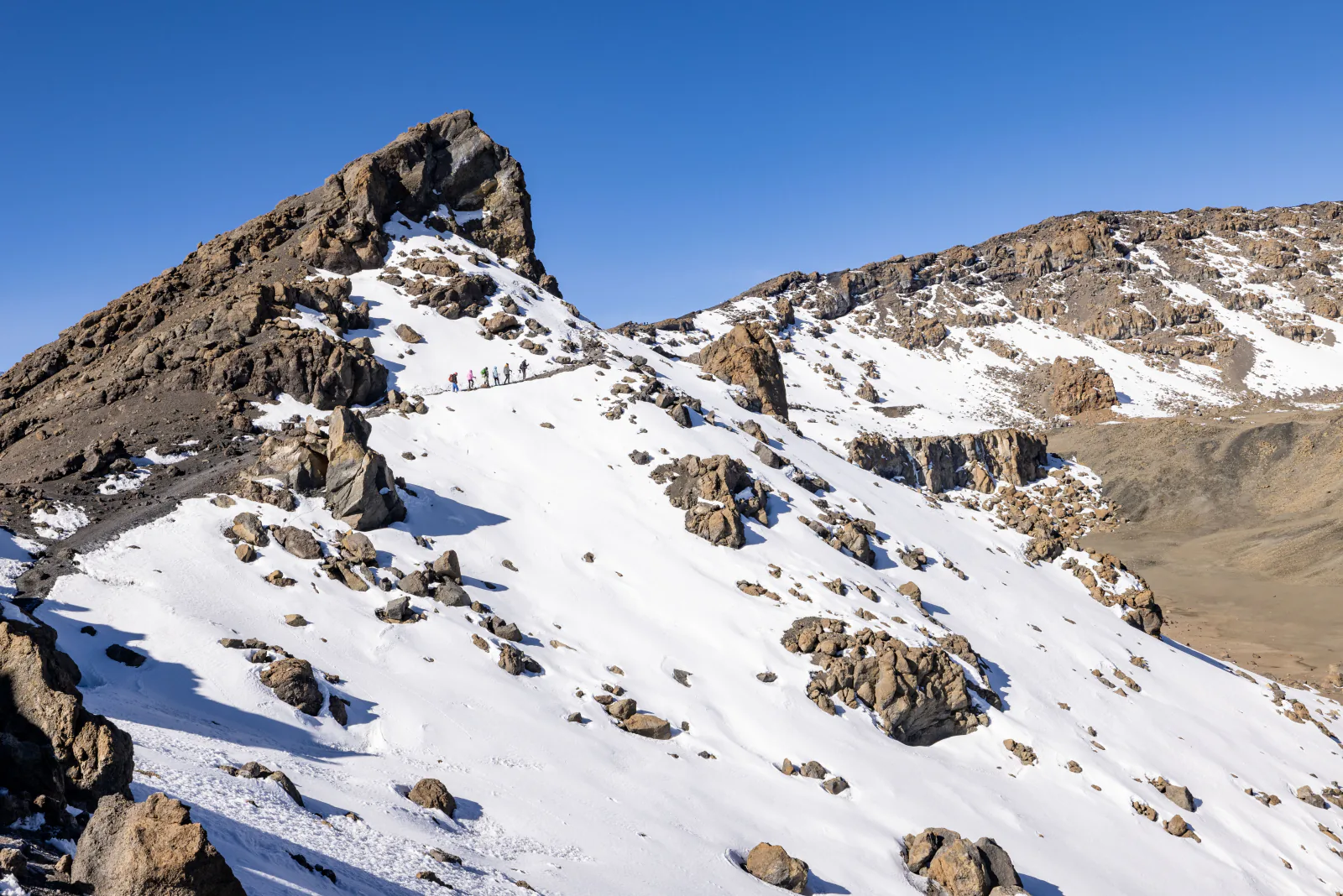
A Kilimanjaro climb costs between $1,850 and $2,400 for a standard group package, according to 2026 operator pricing — solo climbers or small private groups routinely pay $3,500–$4,300 for the same route. The gap comes down to group size: guide, porter, and park-fee costs get split between however many trekkers are on your permit, so joining a scheduled group of 5–8 people can cut your bill by 15–25% compared to a private climb.
Whatever you pay, a big chunk of it never touches the tour operator’s pocket. Tanzania’s national park charges a conservation fee of around $70 per person per day (climbing toward roughly $81/day under a proposed 2026/27 increase), plus a $50/day camping fee, a one-time $20 rescue fee, and a $20 forest fee on routes that pass through the lower rainforest, like Machame and Lemosho. On a 7-day climb, park fees alone add up to around $1,210 per person before your operator adds guides, porters, food, and transport.
| Cost item (per person) | 2026 rate |
|---|---|
| Conservation (park entry) fee | ~$70–$81/day |
| Camping fee | ~$50/day |
| Rescue fee (one-time) | ~$20 |
| Forest fee (Machame/Lemosho only) | ~$20 |
| Total park fees, 7-day climb | ~$1,210 |
A standard 2026 package usually bundles park fees, a licensed guide, a full porter and cook crew, camping or hut fees, and three meals a day on the mountain. It almost never includes your international flight, the Tanzania e-Visa ($50 for most nationalities, applied for online in advance since visa-on-arrival was scrapped), gear rental, or crew tips.
On top of the package price, budget roughly $200–$300 for tipping your guide and porter crew (this is genuinely expected, not optional), $100–$200 if you need to rent a sleeping bag or down jacket locally, and $50–$100 for travel insurance that actually covers high-altitude trekking and emergency evacuation.
Picking Your Route: Machame, Lemosho, Marangu, or Rongai?
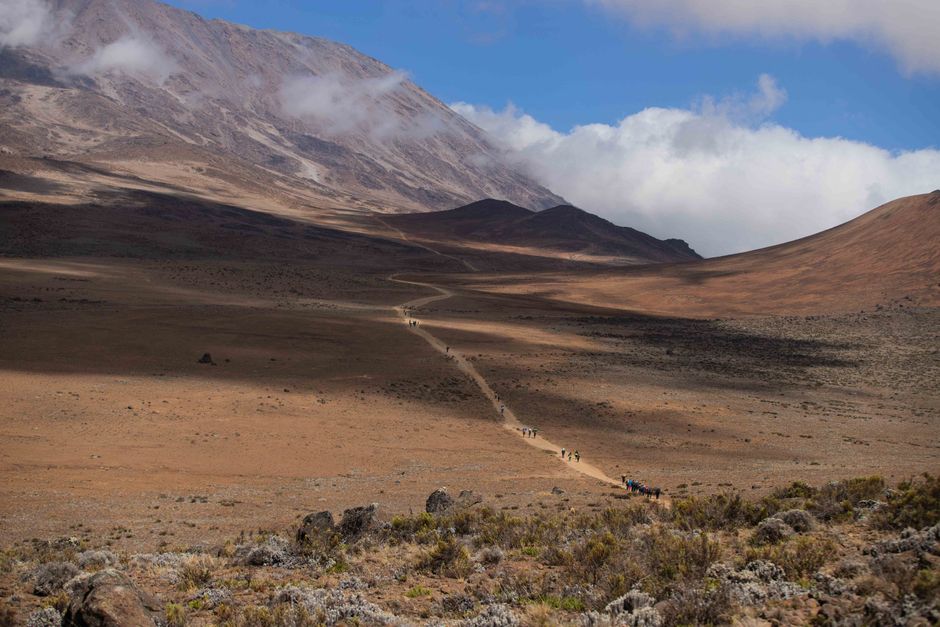
Machame is the most popular route for good reason — it balances scenery, cost, and acclimatization on a 6- or 7-day itinerary — but Lemosho gives you an extra approach day through untouched rainforest that meaningfully improves your summit odds. Marangu is the only route with sleeping huts instead of tents, which makes it cheaper and more comfortable at camp, but its shorter standard itinerary is also the least forgiving on altitude.
| Route | Typical length | Best for |
|---|---|---|
| Marangu | 5–6 days | Hut camping, lowest sticker price |
| Machame | 6–7 days | First-timers wanting the classic “Whiskey Route” scenery |
| Lemosho | 7–8 days | Best acclimatization-to-crowd-level ratio |
| Rongai | 6–7 days | Drier northern side, fewer other trekkers |
| Northern Circuit | 9 days | Maximum acclimatization, circles the whole peak |
Machame’s nickname among guides, the “Whiskey Route,” comes from its steep, varied terrain through rainforest, moorland, and alpine desert — it’s scenic but tougher on the knees than Marangu’s gentler, more gradual path. Lemosho starts further west and spends an extra day crossing the Shira Plateau, which is exactly the kind of low-stakes acclimatization day that pays off on summit night. Rongai approaches from the drier northern side near the Kenyan border, which means less rain but also less dramatic rainforest scenery than Machame or Lemosho.
If your budget allows only one upgrade from the cheapest option on the table, spend it on an extra day, not a fancier camp — that single change moves the needle on your summit chances more than anything else you can buy.
Summit Success Rates: Why More Days Beats a Cheaper Package
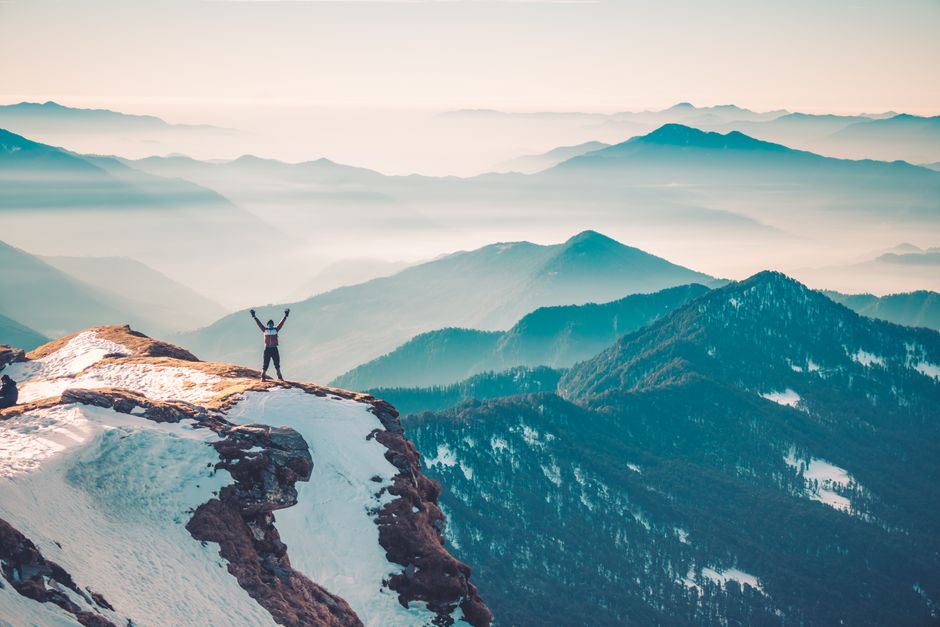
Longer itineraries on the same route consistently post higher summit success rates because your body gets more time to adjust to falling oxygen levels. The 8-day Lemosho itinerary is commonly reported around a 90% success rate, dropping to about 85% on the 7-day version and roughly 75% on the compressed 6-day option. Machame follows the same pattern: around 70% success on 7 days versus close to 50% when squeezed into 6. Marangu’s popular 5-day itinerary — the fastest and cheapest way up — is frequently cited around just 30%, though stretching it to 6 days pushes success rates back toward 50–80% depending on the operator.
- 8-day Lemosho: ~90% success rate
- 7-day Lemosho: ~85% success rate
- 7-day Machame: ~70% success rate
- 6-day Machame: ~50% success rate
- 6-day Marangu: ~50–80% (operator-dependent)
- 5-day Marangu: ~30% success rate
Read those numbers as a warning label on discount packages: a 5-day trip might look like a bargain until you’re the 7 out of 10 climbers who turn back below Stella Point.
Enjoying This?
Get more guides like this — plus flight deals — sent straight to your inbox.
Best Time to Climb Kilimanjaro

The two dry windows — January to mid-March and June through October — give you the clearest skies and the driest trails, which matters most on summit night when you’re hiking scree in the dark. June to October also overlaps with Tanzania’s main safari season, so it’s easy to bolt on a few days in the Serengeti before or after your climb. Late June through August brings colder night temperatures at high camp, sometimes down to -15°C to -20°C, so gear quality matters as much as timing.
April, May, and November fall in the long and short rainy seasons — trails turn to mud and cloud cover blocks the summit views, though operators do sometimes discount packages by 10–20% during these shoulder months if a lower price matters more to you than dry socks.
Training, Gear, and Beating Altitude Sickness
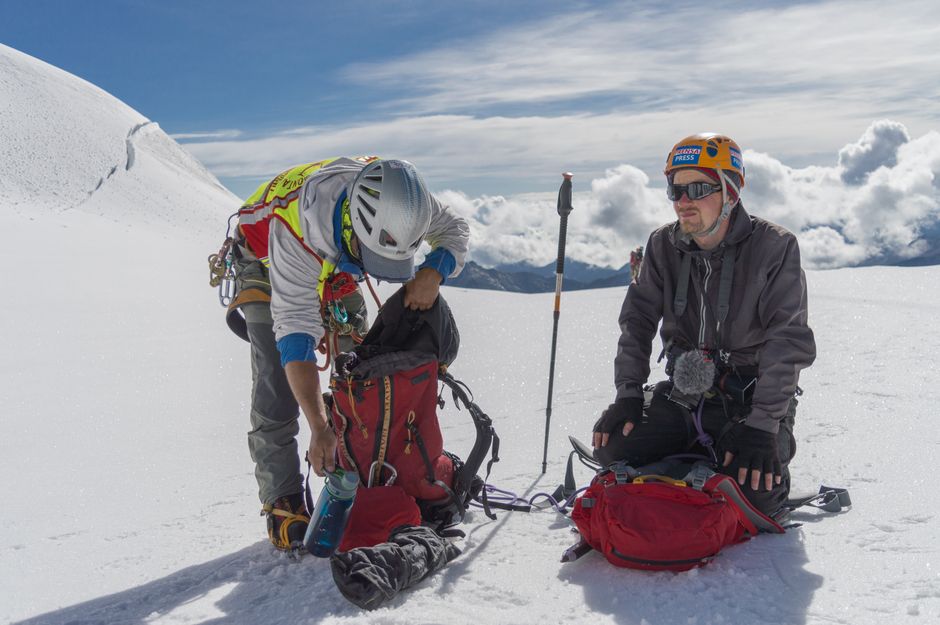
You don’t need mountaineering experience to summit Kilimanjaro — it’s a long, cold walk, not a technical climb — but cardio fitness built over 2–3 months of hiking, stair training, or running makes the daily 5–7 hour trekking days feel manageable instead of brutal. Break in your boots for at least 50km before you fly out; blisters on day two of a week-long trek are miserable.
Altitude sickness is the real risk, not fitness. As many as 3 in 4 climbers experience some symptoms — headache, nausea, disrupted sleep — regardless of how fit they are, because acclimatization is about physiology, not leg strength. Many trekkers start a course of acetazolamide (Diamox) a day or two before climbing on their doctor’s advice, and every reputable operator’s guides carry a pulse oximeter and oxygen to monitor climbers on summit night.
You’ll hear your guides repeat one Swahili phrase constantly: “pole pole” (slowly, slowly). It’s not a suggestion — deliberately slow pacing keeps your heart rate and breathing steady at altitude, and trekkers who ignore it and push ahead of the group are disproportionately the ones who develop symptoms bad enough to turn back.
- Layered clothing system: base layer, insulating fleece, waterproof/windproof outer shell
- Rated to at least -20°C sleeping bag for high-camp nights
- Broken-in waterproof hiking boots, plus camp shoes for evenings
- Trekking poles — your knees will thank you on the descent
- Headlamp with spare batteries for the midnight summit push
Getting to Kilimanjaro: Flights, Guides, and Permits

Every climb starts and ends at Kilimanjaro International Airport (JRO), reached via connections through Amsterdam, Doha, Istanbul, or Addis Ababa — there’s no way around at least one long-haul layover from most of Europe or North America. Since flight schedules for this route change often and delays on the connecting legs aren’t rare, it’s worth using a flight search tool that compares all the connecting options to JRO rather than booking the first itinerary you see, and keeping a backup plan for tight layovers with a service that helps you claim compensation if a delayed flight costs you a night’s hotel.
By Tanzanian law, you cannot climb Kilimanjaro without a licensed local guide — solo, unguided ascents aren’t permitted, and your operator arranges the park permits directly, so you never deal with TANAPA paperwork yourself. Build in at least one buffer day after your scheduled descent before flying home; summit night can shift by 24 hours if weather or an under-acclimatized group member forces a slower pace, and you don’t want that buffer eating into your flight connection at JRO. What you can and should arrange yourself is trip insurance that explicitly covers high-altitude trekking and emergency medical evacuation above 5,000m, since standard travel policies often exclude it; check a policy built for adventure trips like this one before you hand over your deposit. If you’ve priced out other physically demanding trips before, our guide to adventure sports travel insurance breaks down what “high-altitude” coverage actually needs to include.
FAQ: Your Kilimanjaro Questions Answered
Do I need climbing experience to summit Kilimanjaro?
No technical climbing skills are required — Kilimanjaro is a non-technical trek. Solid cardio fitness and multi-day hiking stamina matter far more than any prior mountaineering background.
How much does a Kilimanjaro guide and porter crew cost?
Guide and porter wages are usually bundled into your package price, but budget an additional $200–$300 per person in tips — this is the standard, expected way crew are compensated on top of their base pay.
Which Kilimanjaro route has the highest success rate?
Longer 8- and 9-day itineraries like Lemosho and the Northern Circuit consistently report the highest success rates, commonly around 90%, because extra days allow better acclimatization.
Can you climb Kilimanjaro without a tour operator?
No — Tanzanian regulations require every climber to be accompanied by a licensed guide arranged through a registered operator, so independent or unguided climbs aren’t legally possible.
What’s the coldest part of a Kilimanjaro climb?
Summit night is by far the coldest point, with temperatures at high camp and the crater rim often dropping to -15°C to -20°C, especially between June and August.
Is travel insurance mandatory for climbing Kilimanjaro?
Most operators require proof of insurance that covers high-altitude trekking and emergency evacuation before they’ll accept your booking, since standard travel policies frequently exclude climbs above 5,000m.
A Kilimanjaro summit isn’t won on gear or grit alone — it’s won by picking a route with enough days built in and treating the acclimatization schedule as non-negotiable, even when a shorter, cheaper package is tempting. The math is simple once you’ve seen the success-rate numbers side by side: paying a few hundred dollars more for two extra days on the mountain is cheaper, per percentage point of summit chance, than almost any other upgrade an operator will try to sell you.
Start by locking in adventure-trekking insurance that actually covers high altitude before you book anything else, then compare flight routings to JRO once your dates with an operator are confirmed. If Kilimanjaro is just the first name on a longer bucket list, our guide to adventure sports in Split, Croatia is a far cheaper way to test your limits before the big trip.
Never Miss a Deal
Get the best travel tips, festival guides & flight deals straight to your inbox.

Gbuska is the founder and lead writer at WanderFunTrip. What began as one too many 3 a.m. festival fields and a $40 flight booked on a whim turned into a full-time habit of testing adventure trails, party cities, and adults-only resorts firsthand — then writing up what actually worked (and what didn't). Every guide here starts from a real trip or a real booking, never a press release. Usually somewhere between a departures board and the next cliff jump.