We stood at the base of the Col dei Bos route, harnesses buckled, helmets strapped tight, staring up at a sheer limestone wall that looked impossible from below. Twenty minutes later, we were 200 meters up, clipped into steel cables, grinning at the view over Cortina d’Ampezzo. That first via ferrata changed how we think about mountain adventure — and it didn’t require years of climbing experience.
If you’ve ever looked at photos of climbers on iron ladders bolted to Dolomite cliffs and thought “that looks incredible but terrifying,” this guide is for you.
What Is Via Ferrata — And Why the Dolomites Are Perfect for Beginners
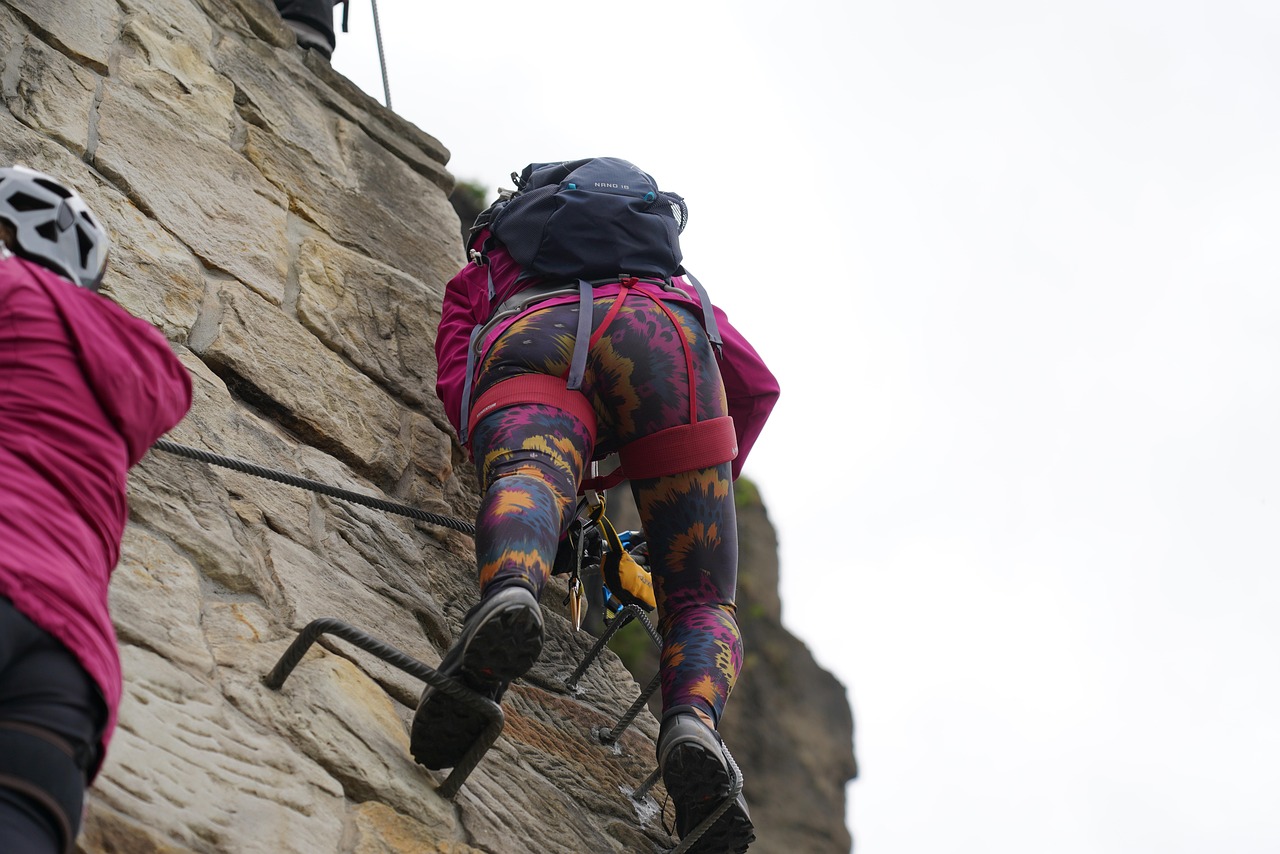
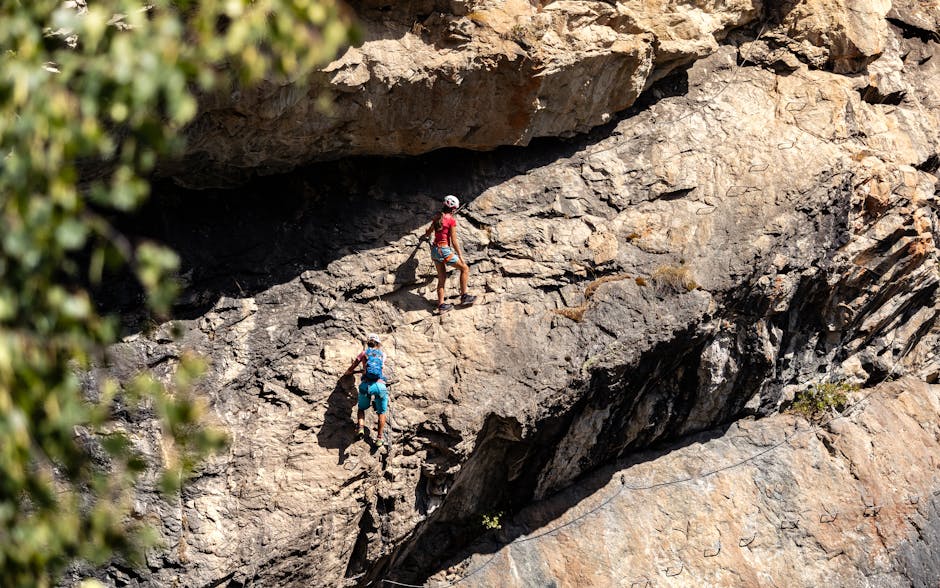
Via ferrata literally means “iron path” in Italian. It’s a protected climbing route built into a mountain face using steel cables, iron rungs, ladders, and bridges permanently fixed to the rock. You wear a harness connected to the cable with a shock-absorbing lanyard — if you slip, you fall maybe a meter before the system catches you.
The Dolomites are arguably the birthplace of modern via ferrata. During World War I, troops built thousands of these routes to move soldiers across impossible terrain. Many have been restored, creating over 170 mapped routes across the range.
What makes the Dolomites ideal for beginners:
- Graded difficulty system — Routes use the K-scale (K1 to K6). K1–K2 are accessible to fit hikers with zero climbing background.
- Stunning scenery — UNESCO World Heritage site with jagged peaks and alpine meadows you won’t find anywhere else in Europe.
- Infrastructure — Well-maintained cables, clear signage, mountain huts (rifugios), and easy access from Cortina d’Ampezzo.
- Guide availability — Certified English-speaking guides are plentiful and reasonably priced compared to Swiss or French Alps.
⚡ Heads up: This post contains affiliate links. If you book or buy through them, we may earn a small commission — at no extra cost to you. We only recommend stuff we’d actually use ourselves.
The closest airports to the Dolomites are Venice Marco Polo and Innsbruck. We always check Aviasales first — midweek flights from London or Berlin to Venice often drop to €45–65 return if you book 6–8 weeks out. If you want to master the art of finding cheap flights, our step-by-step guide to cheap flights breaks down the exact timing and tools we use.
Best Beginner-Friendly Routes in the Dolomites
Not all via ferrata routes are created equal. These four are where we’d send a nervous first-timer — tested, well-secured, and genuinely enjoyable rather than just survivable.
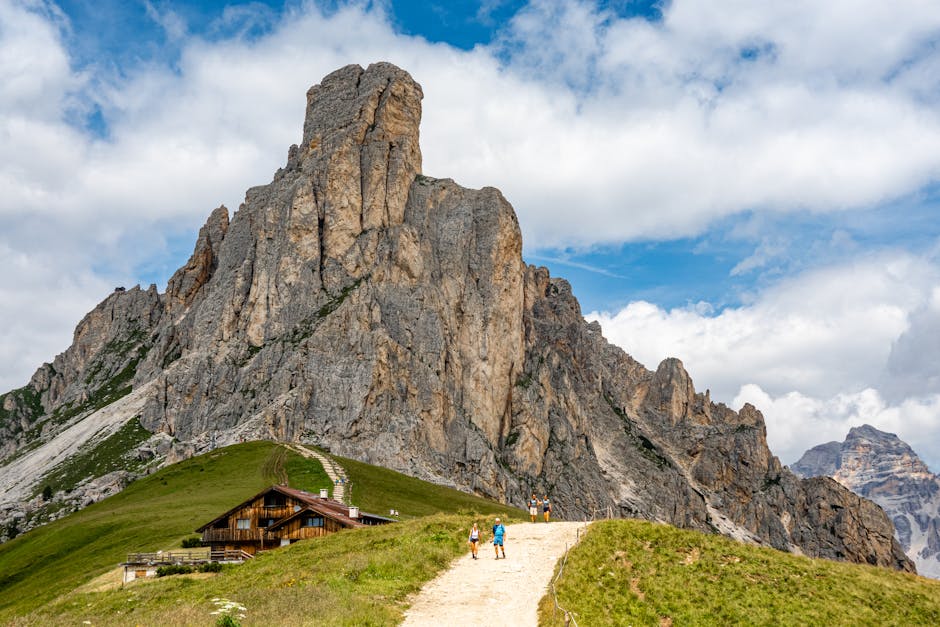
Col dei Bos (K2) — Cortina d’Ampezzo
The verdict: Best first route. Period.
This is where we started. The route climbs the southern face of Col dei Bos (2,555m) with cable-protected hiking sections, short iron ladders, and one memorable traverse with exposure that looks dramatic but feels completely secure once you’re clipped in.
- Duration: 3–4 hours round trip
- Elevation gain: ~450 meters
- Guide cost: €70–85 per person including equipment (2026 rates)
The final section opens onto a broad summit ridge with 360-degree views of the Tofane group. We arrived at 10am and had the summit to ourselves for twenty minutes before the next group caught up.
Piz da Lech (K2–K3) — Sella Group
Slightly more committing but still manageable for fit beginners. The route crosses the Sella massif with two short ladder sections and a spectacular suspension bridge — there’s an optional bypass if the bridge feels too exposed on your first go.
- Duration: 4–5 hours | Elevation: ~600m | Guide cost: €85–100
Tridentina (K3) — Sella Group
The most famous beginner route for good reason. Well-secured, logically constructed, and finishing at the Rifugio Maria terrace where you can order a cold beer while your legs stop shaking.
- Duration: 4–5 hours | Highlight: 50-meter bridge with views into Val Gardena
- Best time: Start by 8am to avoid afternoon thunderstorms
Monte Piana (K1) — Near Toblach
Technically the easiest route — more of a protected hiking path than a true climb. Perfect for testing equipment without real exposure. Crosses actual WWI trenches and bunkers, which adds a surreal historical layer to the experience.
- Duration: 2–3 hours | Best for: Families, nervous first-timers | Guide cost: €65–75
| Route | Grade | Duration | Elevation | Guide Cost* | Best For |
|---|---|---|---|---|---|
| Col dei Bos | K2 | 3–4 hrs | 450m | €70–85 | Absolute beginners |
| Piz da Lech | K2–K3 | 4–5 hrs | 600m | €85–100 | Fit beginners |
| Tridentina | K3 | 4–5 hrs | 550m | €80–95 | Scenic lovers |
| Monte Piana | K1 | 2–3 hrs | 200m | €65–75 | Families/nervous climbers |
What to Expect on Your First Climb — The Real Experience
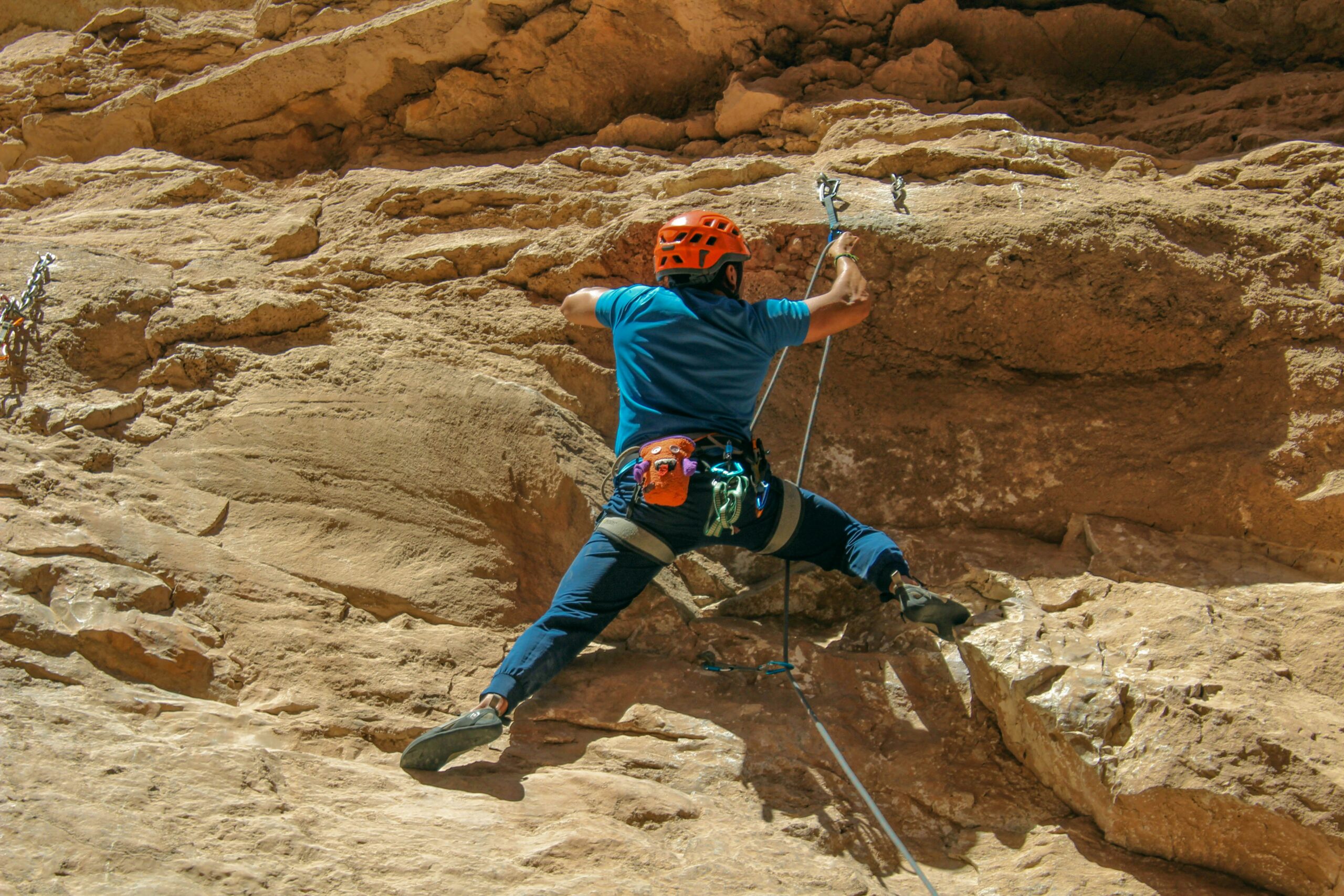
The hardest part is the psychological barrier. Standing at the base, your brain insists this is insane. Your palms sweat. Your heart pounds against the harness. You look up and the wall seems to lean over you deliberately.
Ten minutes in, something shifts. Your hands find the rhythm of clip-unclip-clip. Your breathing steadies. The lanyard clicks reassuringly each time you transfer between cable sections. By the first rest ledge, you’re not thinking about falling — you’re thinking about the view.
Here’s what your body actually feels:
- Your legs do 90% of the work — pushing up iron rungs, finding footholds on rock. They burn on the sustained sections, especially the last 100 meters before the summit.
- Your arms mainly balance and clip carabiners. By hour three, your forearms feel heavy from gripping cables — that’s normal, not a sign you’re unfit.
- Your hands on bare steel cables feel cold and slightly rough even with gloves. The vibration of the cable when someone clips above you travels down to your palms — weird at first, then reassuring.
- Your head — the exposure is real on K2+ routes. Hundreds of meters of air below your feet. The cable system is completely secure, but your lizard brain doesn’t know that. Focus on the cable ahead, breathe steadily, trust the equipment. The fear doesn’t disappear — you just stop caring about it.
The Clipping Rhythm
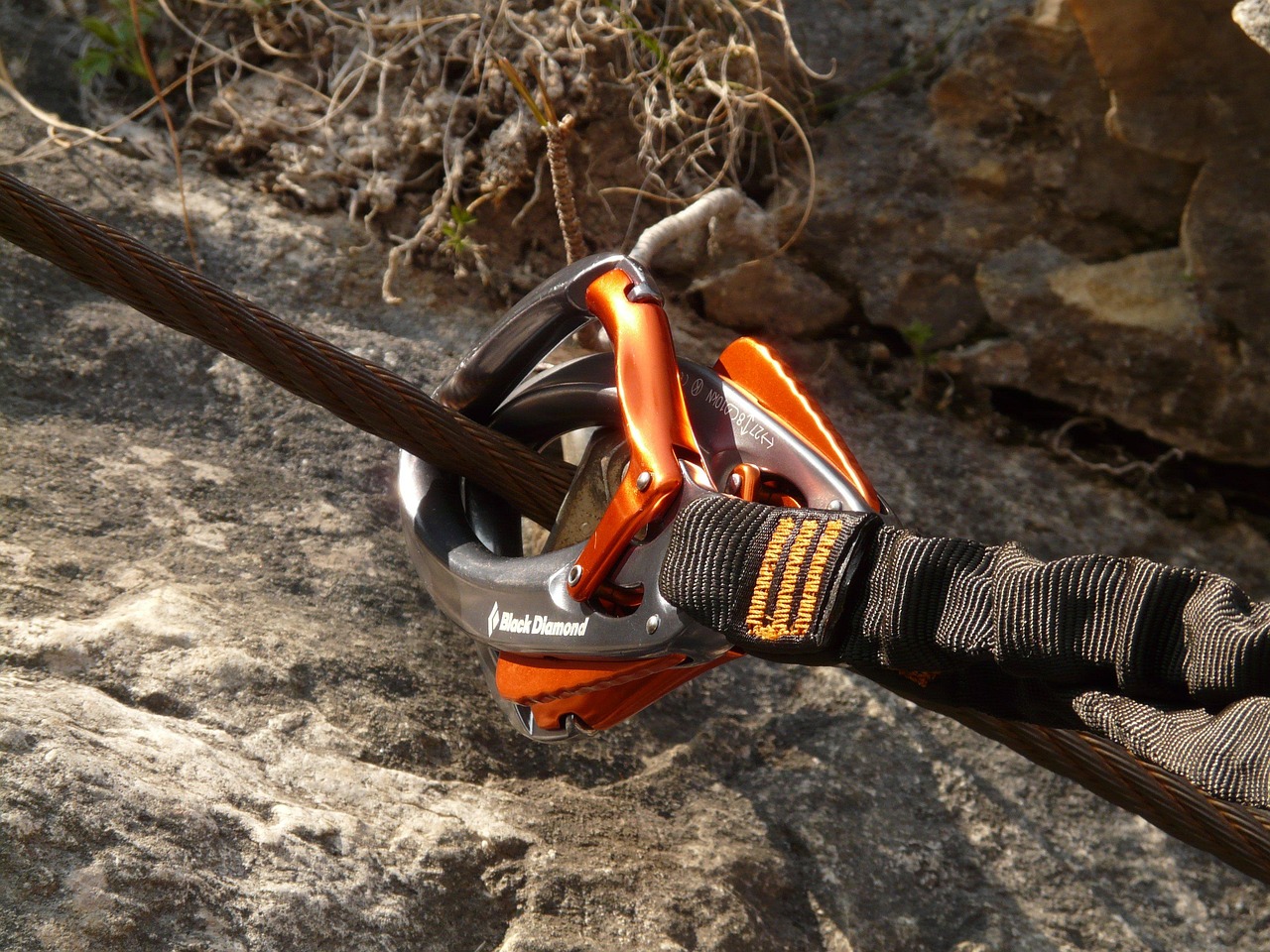
Your via ferrata set has two carabiners on a shock-absorbing strap. Golden rule: one carabiner always attached to the cable. Never unclip both simultaneously.
The rhythm becomes automatic: reach up and clip the higher carabiner past the anchor, unclip the lower, move up, repeat. Guides check this obsessively on beginner tours — it’s the first thing they drill.
Weather Considerations
Afternoon thunderstorms are the biggest hazard, building fast between 1pm and 4pm. Lightning and wet steel cables are a genuinely dangerous combination.
Our rule: Start by 8am, off the mountain by 2pm. Check MeteoArpa Veneto the night before — it’s more reliable than generic weather apps for alpine conditions.
First-Timer Packing List & What to Wear
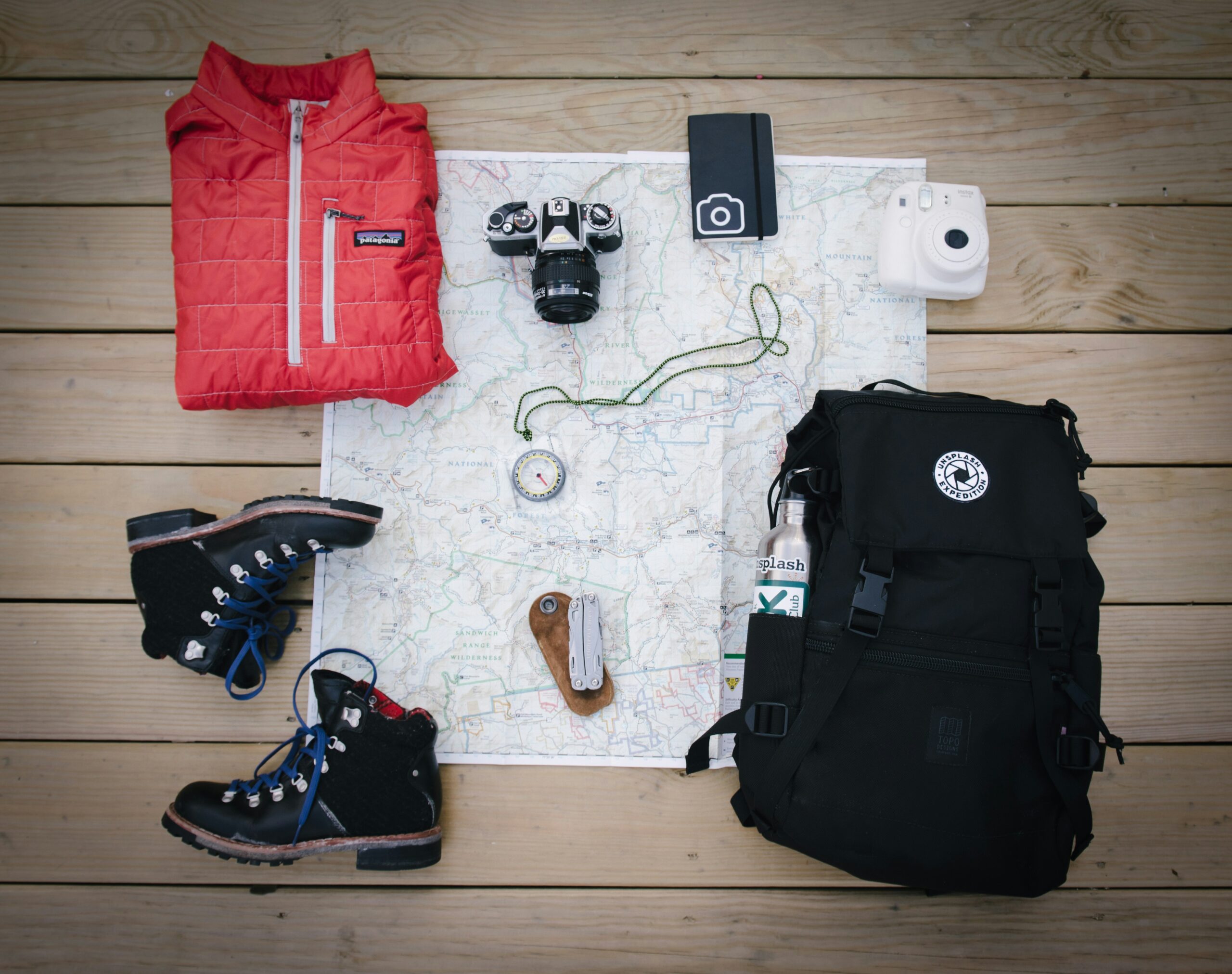
You don’t need technical climbing wardrobe for your first via ferrata, but the right clothing makes a massive difference between enjoying the experience and suffering through it.
What to Wear
| Item | Why It Matters |
|---|---|
| Hiking boots with ankle support | Prevents twists on uneven rock and gives confidence on small footholds |
| Quick-dry synthetic layers | Cotton stays wet and cold at altitude — synthetics wick sweat and dry fast |
| Packable hardshell rain jacket | Afternoon storms are common even on sunny forecast days |
| Sunglasses (Category 3+) | Alpine UV is intense; retention strap essential so they don’t drop |
| Sunscreen SPF 50+ | Reapply every 2 hours — reflection off pale Dolomite rock is brutal |
What to Pack
- 2 liters water minimum — dehydration happens faster at altitude than you’d expect
- Energy snacks — trail mix, energy bars. Rifugio lunch is €15–22 but you need backup
- Phone + portable battery — signal is patchy but exists on most routes near ridges
- Lightweight gloves — €5–8 rental, or bring fingerless cycling gloves. Steel cables shred bare hands
Pro tip from our first climb: We forgot sunglasses and spent the descent squinting painfully into reflected glare. Don’t be us.
Before any adventure activity in the mountains, get proper travel insurance. EKTA covers via ferrata and other mountain sports — plans start from around €35 for a week in the Alps. It’s less than the cost of one guided route and could save you thousands in rescue costs.
Gear & Costs: What You Actually Need to Pay For
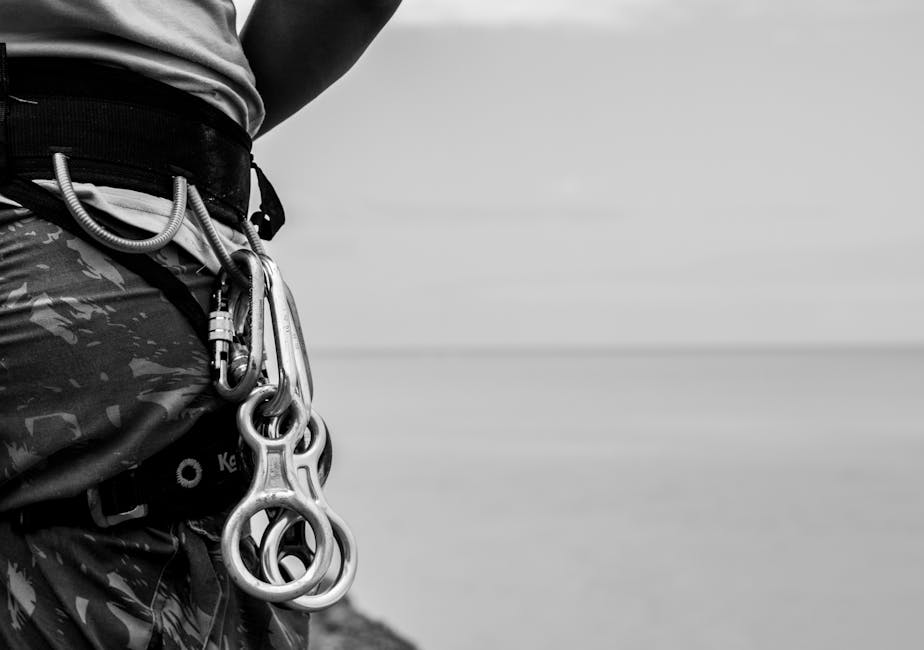
One beautiful thing about via ferrata: minimal gear investment for beginners. Unlike rock climbing, where a full rack costs €500+, you can try this sport with rented equipment and decide later if you want to commit.
Essential Equipment
| Item | Rental | Buy | Notes |
|---|---|---|---|
| Helmet | With guide | €45–80 | Non-negotiable — rockfall is real in the Dolomites |
| Harness | With guide | €50–90 | Any basic climbing harness works for via ferrata |
| Via ferrata lanyard | With guide | €60–120 | UIAA-certified with shock absorber — don’t cheap out |
| Gloves | €5–8 | €10–20 | Fingerless cycling gloves work fine for beginners |
| Hiking boots | — | — | Ankle support essential — approach trails are rough |
Our advice: Don’t buy anything initially. Book a guided tour with included equipment. After 2–3 routes, invest in your own helmet and gloves — they’re the items that matter most for hygiene and fit.
Hidden Costs to Budget For
- Rifugio lunch: €15–22 per person — pasta, polenta, or speck platters
- Cable car: €15–25 round trip where applicable (some routes require lifts)
- Parking: €5–10 per day at trailheads
- Guide tip: €10–15 for exceptional service — not obligatory but appreciated
Total for a guided half-day: €85–110 per person all-in. For comparison, a single day of skiing in Cortina costs €65 just for the lift pass — via ferrata is genuinely good value for the experience.
How to Get There & Where to Base Yourself
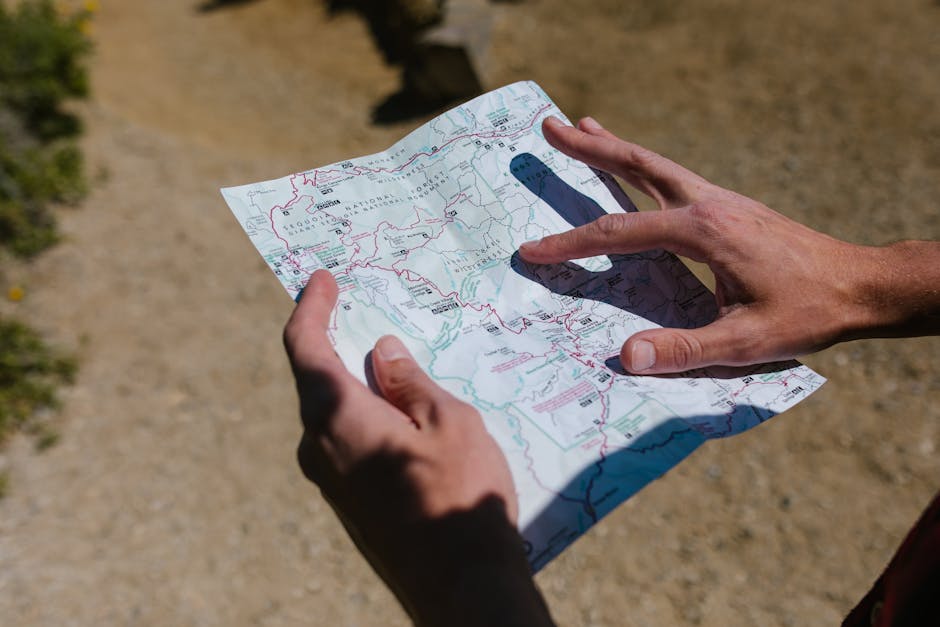
Cortina d’Ampezzo is the classic base — chic alpine town, great restaurants, and within 30 minutes of most beginner routes. But it’s not your only option.
Cortina d’Ampezzo — The Classic Choice
- Best for: First-timers who want comfort, restaurants, and easy guide access
- Accommodation: €80–150/night for mid-range hotels in shoulder season (May/June, September)
- Guide offices: Multiple operators on Corso Italia — book a day ahead in peak season
Alta Badia — Quieter & More Affordable
- Best for: Budget travelers, families, those who want fewer crowds
- Accommodation: €50–90/night — mountain huts and family-run guesthouses
- Routes: Piz da Lech and Tridentina are accessible from here
From Venice Marco Polo airport, the drive to Cortina takes about 2 hours through stunning mountain passes. If you’re not renting a car, Welcome Pickups offers direct transfers from Venice to Cortina for around €180–220 per vehicle — split between 3–4 people and it’s competitive with public transport plus taxi combinations.
Flying budget airlines to get to Venice? Smart. Just save Compensair before you go — if your flight gets delayed over 3 hours, EU regulations entitle you to up to €600 automatically.
Enjoying This?
Get more guides like this — plus flight deals — sent straight to your inbox.
When to Go: Season & Timing Tips
| Month | Conditions | Crowds | Verdict |
|---|---|---|---|
| June | Good weather, some snow patches at altitude | Moderate | ✅ Best balance |
| July | Stable weather, warmest | High | ⚠️ Book guides 2 weeks ahead |
| August | Hot, afternoon storms frequent | Peak | ⚠️ Start routes by 7am |
| September | Crisp air, stable weather | Moderate | ✅ Our favorite month |
| October | Cooler, possible early snow | Low | ⚠️ Check cable conditions |
We did our first route in late June and had perfect conditions — warm enough for a t-shirt on the approach, cool enough at the summit that a light jacket felt good. The trails were dry and the afternoon storm pattern hadn’t fully kicked in yet.
Booking Your First Guided Route
While experienced climbers can tackle K1–K2 routes independently, we strongly recommend a guide for your first time. Here’s why:
- Safety check: Guides verify your equipment fit and clipping technique before you leave the ground
- Route knowledge: They know which sections spook beginners and how to talk you through them
- Equipment included: No need to buy or rent separately — helmet, harness, and lanyard are provided
- Local beta: Current cable conditions, recent rockfall, best photo spots — intel you can’t get online
Book at least 48 hours in advance for weekend slots in July and August. Walk-ins are rarely accepted on Saturdays during peak season — we learned this the hard way and lost a day waiting for a Monday opening.
3-Day Sample Itinerary for First-Timers
If you’re flying in for a dedicated via ferrata trip, here’s how we’d structure three days to build confidence progressively without burning out.
| Day | Activity | Route | Why This Order |
|---|---|---|---|
| Day 1 | Arrive + acclimatize | Monte Piana (K1) | Test gear, build confidence, no pressure |
| Day 2 | Main event | Col dei Bos (K2) | Real via ferrata experience with manageable exposure |
| Day 3 | Challenge + reward | Tridentina (K3) | Push your comfort zone, finish with rifugio beer |
This progression lets your body and brain adapt. Day 1 proves the equipment works. Day 2 gives you the real experience. Day 3 tests your new skills on something slightly harder — and the sense of accomplishment is genuinely addictive.
If you only have two days, skip Monte Piana and start directly with Col dei Bos. But don’t jump straight to K3 — the psychological adjustment takes time, and rushing it can turn a potential passion into a one-time trauma.
First-Timer Checklist: Before You Leave the Ground
| Check | Item | Status |
|---|---|---|
| ☐ | Helmet fits snugly — no wobble when you shake your head | Guide checks this |
| ☐ | Harness tightened — you should feel it, not just wear it | Guide checks this |
| ☐ | Lanyard shock absorber visible and intact | Self-check |
| ☐ | Both carabiners lock correctly — test click each one | Self-check |
| ☐ | Gloves on — steel cables will shred bare skin | Self-check |
| ☐ | 2L water packed — altitude dehydrates faster | Self-check |
| ☐ | Sunscreen applied — SPF 50+, reapply every 2 hours | Self-check |
| ☐ | Weather checked — MeteoArpa Veneto, not generic apps | Self-check |
| ☐ | Start time confirmed — before 8am for K2+ routes | Self-check |
| ☐ | Travel insurance active — EKTA covers mountain rescue | Self-check |
FAQ: Via Ferrata Dolomites for Beginners
Do I need climbing experience for via ferrata?
No. K1–K2 routes are designed for fit hikers with zero climbing background. The steel cables and rungs do the technical work — you just need basic fitness, a head for heights (or willingness to push through the first 20 minutes), and the ability to follow simple safety protocols.
How fit do I need to be?
If you can hike uphill for 2–3 hours with a light daypack, you’re fit enough for K1–K2 routes. K3 routes require more stamina — think 4+ hours of sustained effort with some upper body engagement on ladder sections.
Is via ferrata safe for beginners?
Statistically, yes — especially with a guide. The equipment is bombproof when used correctly. The main risks are weather (afternoon lightning) and user error (unclipping both carabiners simultaneously). Both are entirely avoidable with basic awareness.
What’s the minimum age for via ferrata?
Most guides accept children from age 8–10 on K1 routes, depending on the child’s maturity and physical size. K2+ routes typically require age 12+. Always check with the specific guide service — some have stricter policies.
Can I do via ferrata if I’m afraid of heights?
Many first-timers are nervous about exposure. The key is starting with an easy route (K1 or K2) and going with a patient guide. The psychological barrier usually breaks within the first 20–30 minutes as your brain adjusts to the security of the cable system. Monte Piana (K1) is ideal for this — minimal exposure, maximum confidence building.
How much does a full via ferrata day cost?
Budget €85–110 per person for a guided half-day including equipment. Add €15–22 for rifugio lunch, €5–10 for parking, and €15–25 for cable cars where needed. A full day with two routes runs €130–160 per person with a guide.
{ “@context”: “https://schema.org”, “@type”: “FAQPage”, “mainEntity”: [ { “@type”: “Question”, “name”: “Do I need climbing experience for via ferrata?”, “acceptedAnswer”: { “@type”: “Answer”, “text”: “No. K1–K2 routes are designed for fit hikers with zero climbing background. The steel cables and rungs do the technical work — you just need basic fitness, a head for heights, and the ability to follow simple safety protocols.” } }, { “@type”: “Question”, “name”: “How fit do I need to be?”, “acceptedAnswer”: { “@type”: “Answer”, “text”: “If you can hike uphill for 2–3 hours with a light daypack, you’re fit enough for K1–K2 routes. K3 routes require more stamina — think 4+ hours of sustained effort with some upper body engagement on ladder sections.” } }, { “@type”: “Question”, “name”: “Is via ferrata safe for beginners?”, “acceptedAnswer”: { “@type”: “Answer”, “text”: “Statistically, yes — especially with a guide. The equipment is bombproof when used correctly. The main risks are weather (afternoon lightning) and user error (unclipping both carabiners simultaneously). Both are entirely avoidable with basic awareness.” } }, { “@type”: “Question”, “name”: “What’s the minimum age for via ferrata?”, “acceptedAnswer”: { “@type”: “Answer”, “text”: “Most guides accept children from age 8–10 on K1 routes, depending on the child’s maturity and physical size. K2+ routes typically require age 12+. Always check with the specific guide service — some have stricter policies.” } }, { “@type”: “Question”, “name”: “Can I do via ferrata if I’m afraid of heights?”, “acceptedAnswer”: { “@type”: “Answer”, “text”: “Many first-timers are nervous about exposure. The key is starting with an easy route (K1 or K2) and going with a patient guide. The psychological barrier usually breaks within the first 20–30 minutes as your brain adjusts to the security of the cable system. Monte Piana (K1) is ideal for this — minimal exposure, maximum confidence building.” } }, { “@type”: “Question”, “name”: “How much does a full via ferrata day cost?”, “acceptedAnswer”: { “@type”: “Answer”, “text”: “Budget €85–110 per person for a guided half-day including equipment. Add €15–22 for rifugio lunch, €5–10 for parking, and €15–25 for cable cars where needed. A full day with two routes runs €130–160 per person with a guide.” } } ] }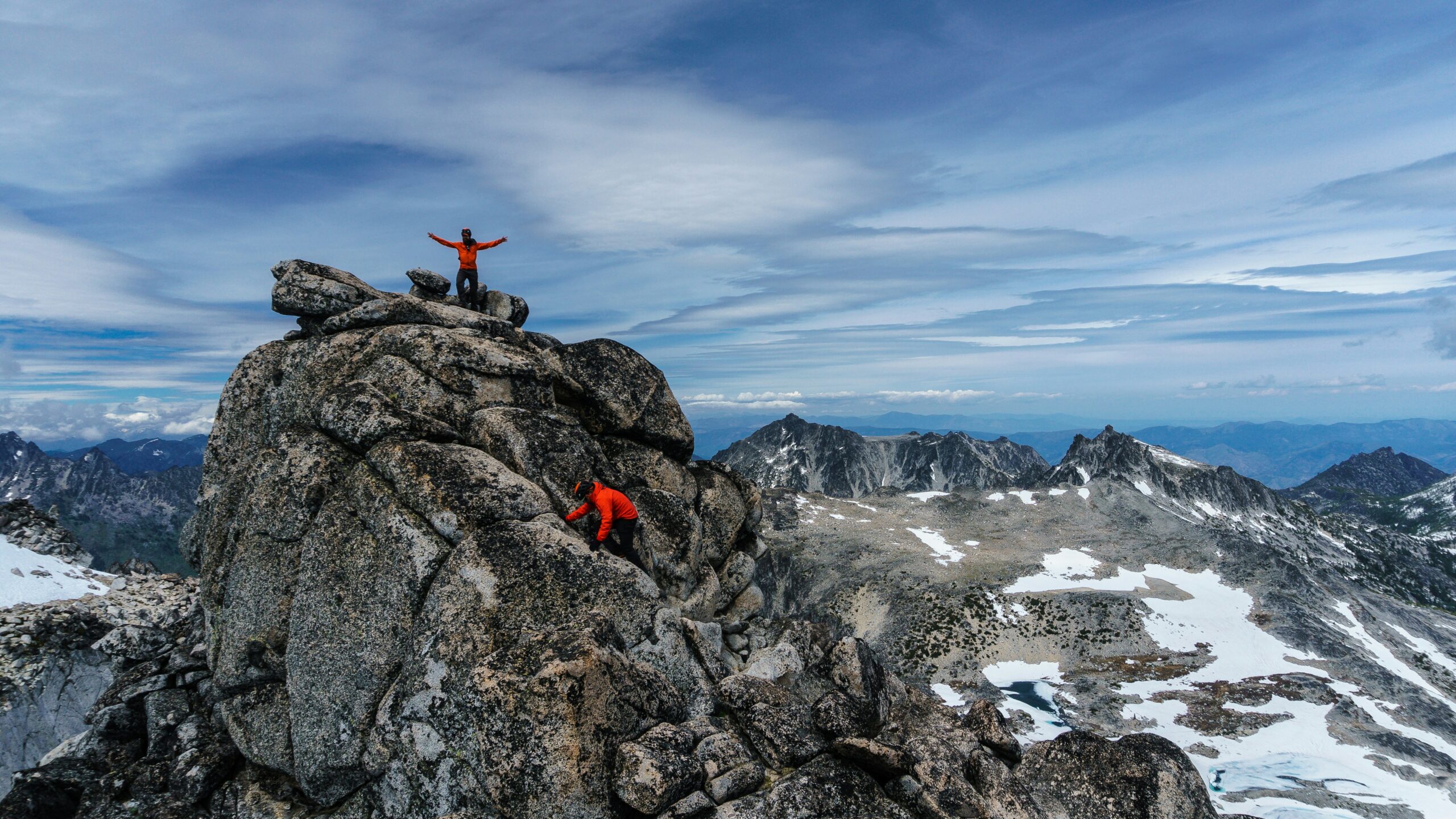
Final Thoughts: Is Via Ferrata Worth It?
Absolutely. If you’re already the kind of person who books adventure trips, hikes on vacation, or scrolls mountain photos with envy — via ferrata is the bridge between hiking and climbing that you didn’t know existed.
The Dolomites make it especially accessible: great infrastructure, reasonable prices, English-speaking guides, and scenery that genuinely belongs on a postcard. Our first route on Col dei Bos took us from nervous beginners to people who now plan trips around via ferrata destinations. The feeling of standing on a summit ridge, clipped into a cable system that soldiers built a century ago, with the Tofane group spreading out below — that’s not something a photo can fully capture. You need to feel it yourself.
Start with a K2 route, go with a guide, and trust the equipment. The first ten minutes will feel impossible. The last ten minutes will feel inevitable. And the view from the top will ruin regular hiking for you forever — in the best possible way.
Ready to book? Start with flights — search Aviasales for the best deals to Venice Marco Polo or Innsbruck. Midweek departures from major European cities often start at €45 return.
Then lock in your travel insurance with EKTA before you even think about clipping into that first cable. Mountain rescue in Italy isn’t cheap, and a €35 policy beats a €3,000 helicopter bill every single time.
And if you’re already planning your next adventure after the Dolomites, check out our guide to adventure sports in Split, Croatia — canyoning, sea kayaking, and cliff jumping that pairs perfectly with a via ferrata addiction.
Never Miss a Deal
Get the best travel tips, festival guides & flight deals straight to your inbox.

Gbuska is the founder and lead writer at WanderFunTrip. What began as one too many 3 a.m. festival fields and a $40 flight booked on a whim turned into a full-time habit of testing adventure trails, party cities, and adults-only resorts firsthand — then writing up what actually worked (and what didn't). Every guide here starts from a real trip or a real booking, never a press release. Usually somewhere between a departures board and the next cliff jump.