Greece has thousands of beaches, but only three of them are actually legal to strip off on. Everywhere else, nudity sits in a gray zone — tolerated at some of the most beautiful coves in the Aegean, but never officially sanctioned. This guide sorts the legally protected spots from the long-tolerated ones, so you know exactly where you stand before you drop your towel in 2026.
⚡ Heads up: This post contains affiliate links. If you book or buy through them, we may earn a small commission — at no extra cost to you. We only recommend stuff we’d actually use ourselves.
TL;DR — THE QUICK ANSWER
Greece has just three officially legal nudist beaches: Sarakiniko on Gavdos (legal since 2011), Faliraki on Rhodes (since 1980), and Velanio on Skopelos (since 2012). Beyond those, nudism is technically “public indecency” under Article 353 of the Greek Penal Code (fines up to €1,500), but it’s long-tolerated at spots like Mykonos’ Elia and Agrari, Crete’s Sougia and the licensed Vritomartis Naturist Resort near Sfakia, and Paros’ Lageri Beach. Best time to visit: June or September, for warm water without peak-August crowds.
💋 New to the lifestyle? Many couples meet like-minded people before they ever pack a bag — SDC is one of the largest open-minded communities for connecting and planning trips together.
Is Nudity Actually Legal on Greek Beaches?
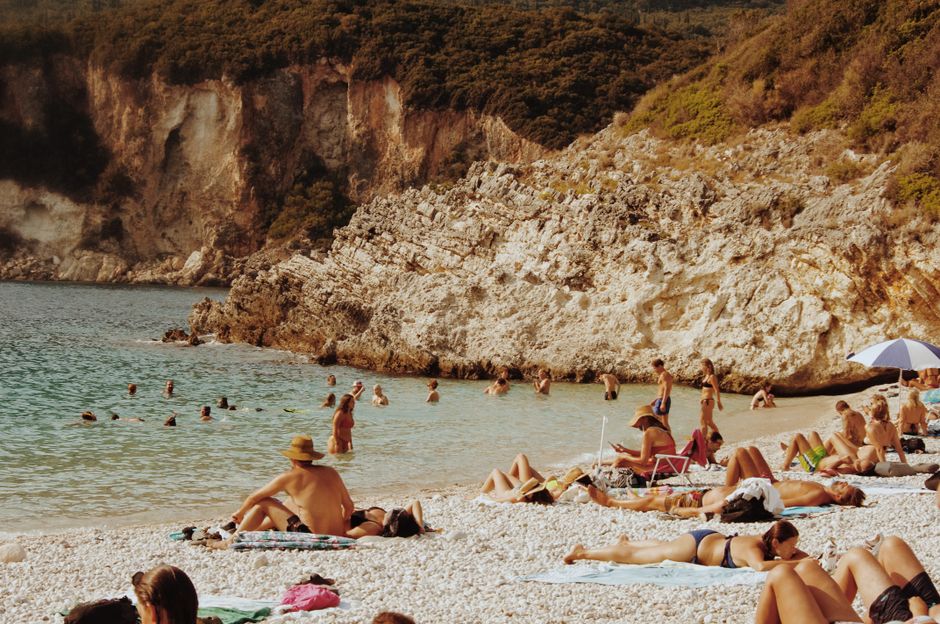
Only three beaches in the entire country carry official nudist status granted by local authorities: Faliraki on Rhodes (designated in 1980), Sarakiniko on the tiny island of Gavdos (since 2011), and Velanio on Skopelos (since 2012). Everywhere else, public nudity technically falls under Article 353 of the Greek Penal Code as indecent exposure, carrying fines up to €1,500 and, in theory, up to two years in prison for repeat or aggravated cases.
In practice, enforcement outside these three beaches is rare to nonexistent at well-known naturist spots. Dozens of remote coves across the islands have been used by nudists for decades without signage or legal recognition — custom, not law, keeps them safe. The distinction matters most on busier “textile” beaches, where stripping off can genuinely draw a fine; on the dedicated or long-tolerated spots covered below, it’s simply how things are done. For a wider look at how Greece compares to its Adriatic neighbor, see our guide to the best nudist beaches in Europe.
Greek naturism traces back to the 1970s hippie trail through the Cyclades, when Mykonos and a handful of remote Cretan coves first earned their reputation among backpackers looking to escape mainland Europe’s stricter norms. That history is why the “tolerated” beaches feel so established today: decades of quiet local acceptance, not a recent trend, built the culture you’ll find on the ground in 2026.
Gavdos: Sarakiniko Beach, Greece’s Southernmost Legal Nude Beach
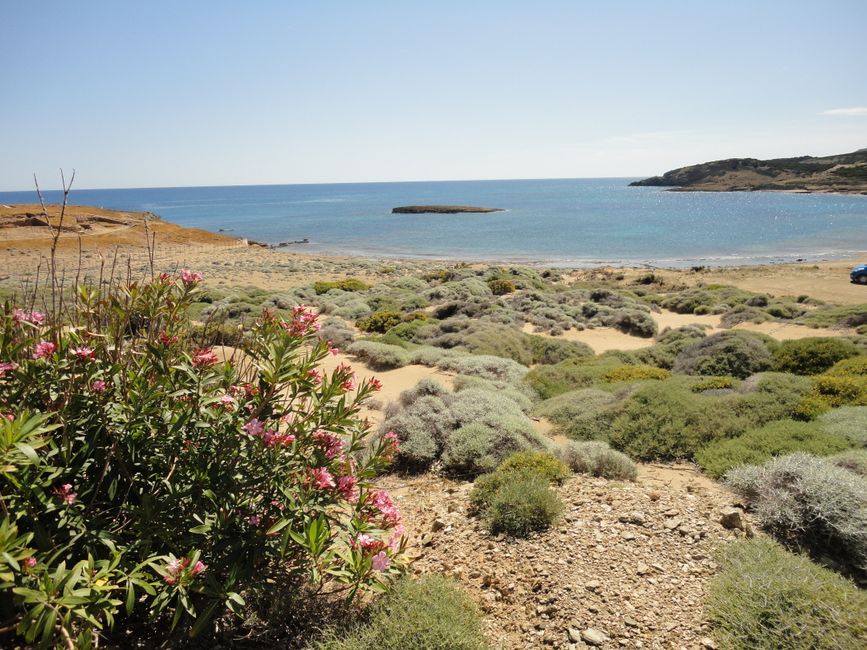
If you want zero legal ambiguity, go to Sarakiniko on Gavdos — Europe’s southernmost inhabited island, a small speck of land roughly 30 km south of Crete, reachable only by a 2–3 hour ferry from Paleochora or Chora Sfakion. Legalized in 2011, Sarakiniko is a wide sweep of golden sand backed by tamarisk trees and cedar dunes, split loosely into family and naturist sections.
Gavdos has no airport, limited electricity in places, and a population that swells from under 50 year-round residents to a few thousand free-spirited campers each summer. That remoteness is the point: this is Greece’s most laid-back, off-grid naturist scene, popular with long-term campers who pitch tents behind the dunes for weeks at a time. Bring cash, a good tent, and patience — supplies are basic and the ferry schedule is weather-dependent.
Best for: travelers who want a legally protected beach with zero ambiguity, and don’t mind roughing it to get there.
Mykonos: Elia, Agrari & Fokos — Cyclades Nudism Without the Rulebook
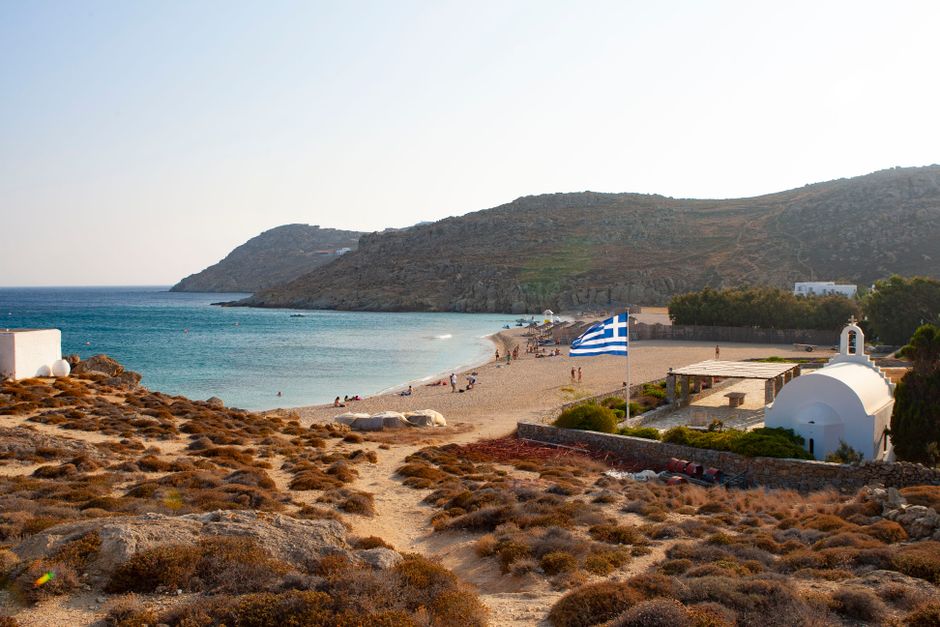
Mykonos has no officially designated nude beach, yet it’s arguably Greece’s most famous naturist destination by reputation. Elia Beach, the island’s longest sandy stretch, has an established naturist section at its far end, reachable by caïque boat from Platis Gialos or a scenic coastal path. Agrari, a smaller cove just before Elia, draws a quieter, mixed nude-and-textile crowd.
For something wilder, Fokos on the island’s less-developed north coast has no sunbeds, no music, and a dirt-road approach that keeps crowds thin — just rocks, scrub, and clear water. Even the party-famous Paradise and Super Paradise beaches keep informal nude corners tucked away from the DJ decks, though they’re built around beach clubs, not naturism. None of this is legally sanctioned, but it’s been the unspoken norm here since the 1970s, when Mykonos first became a hippie and LGBTQ+ hideaway. Expect beach-bar sunbeds and music near the entrances at Elia and Paradise, with the actual naturist stretches always tucked further along the sand, away from the speakers.
Best for: travelers who want naturism alongside nightlife, ferries, and easy island-hopping logistics.
Crete’s South Coast: Vritomartis Resort, Glyka Nera & Sougia
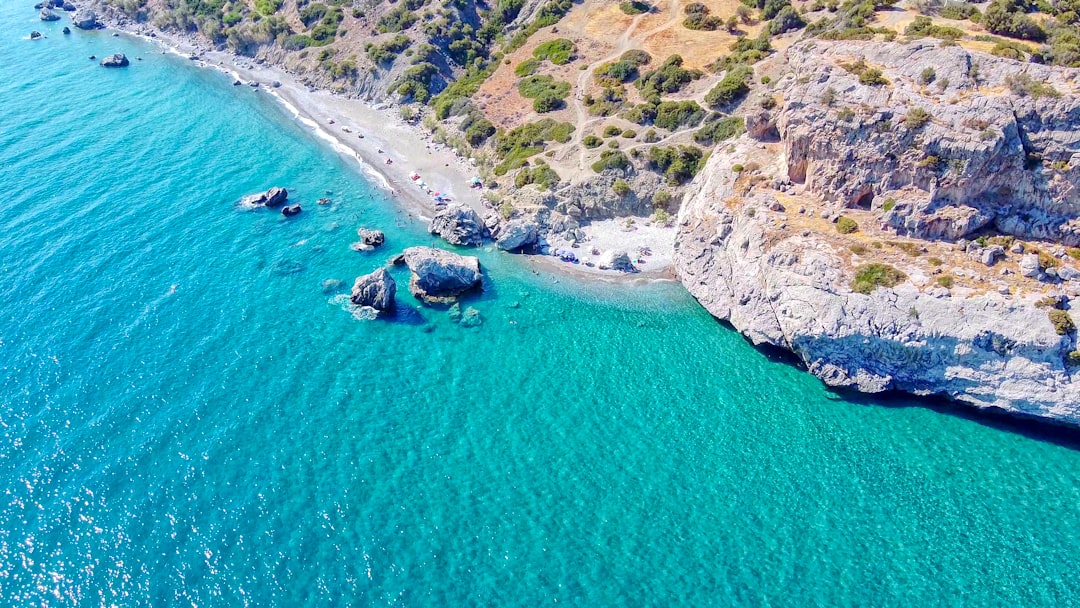
Crete’s rugged southern coast is the historic heart of Greek naturism, anchored by the Vritomartis Naturist Resort near Chora Sfakion — a licensed, 4-star property affiliated with the International Naturist Federation, open from mid-April through October 2026. It’s the rare spot where nudity is fully sanctioned on-site, with its own private cove, so there’s no gray area to navigate.
Nearby, Glyka Nera (“Sweet Waters”) is a boat-or-hike-only cove famous for freshwater springs bubbling up through the sea, long favored by naturists precisely because it’s hard to reach. Further west, Sougia combines a laid-back village with a long pebble beach where nude sunbathing is quietly the norm at both ends, away from the sunbeds in the middle. A quieter stretch of the world-famous pink-sand Elafonissi lagoon in the far southwest also sees informal naturist use outside peak hours.
Best for: travelers who want the security of a licensed resort plus wild, boat-access-only coves nearby.
Paros: Lageri Beach, the Cyclades’ Quiet Naturist Retreat
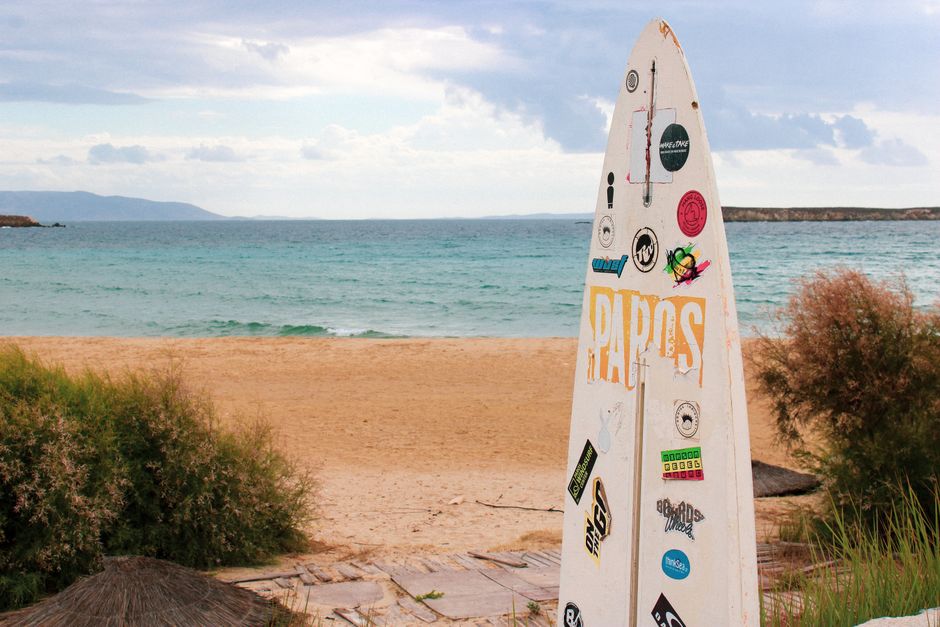
Lageri Beach, on Paros’ northeastern coast near Naoussa, is a roughly one-kilometer stretch of clear, shallow water backed by low dunes and cedar trees. It’s long been a low-key naturist spot, drawing a mix of gay travelers and younger straight couples who prefer it over Mykonos’ higher-profile scene.
Unlike Elia or Sarakiniko, Lageri has almost no infrastructure — no sunbeds, no beach bar — so pack water, shade, and snacks for the day. Its low profile is exactly why regulars keep coming back: it’s a five-minute walk from Naoussa’s restaurants and nightlife, yet feels a world away from Paros’ busier tourist beaches like Kolymbithres just up the coast.
Best for: couples and solo travelers who want an unfussy, low-crowd alternative to Mykonos.
Faliraki & Velanio: Greece’s Other Two Officially Legal Beaches
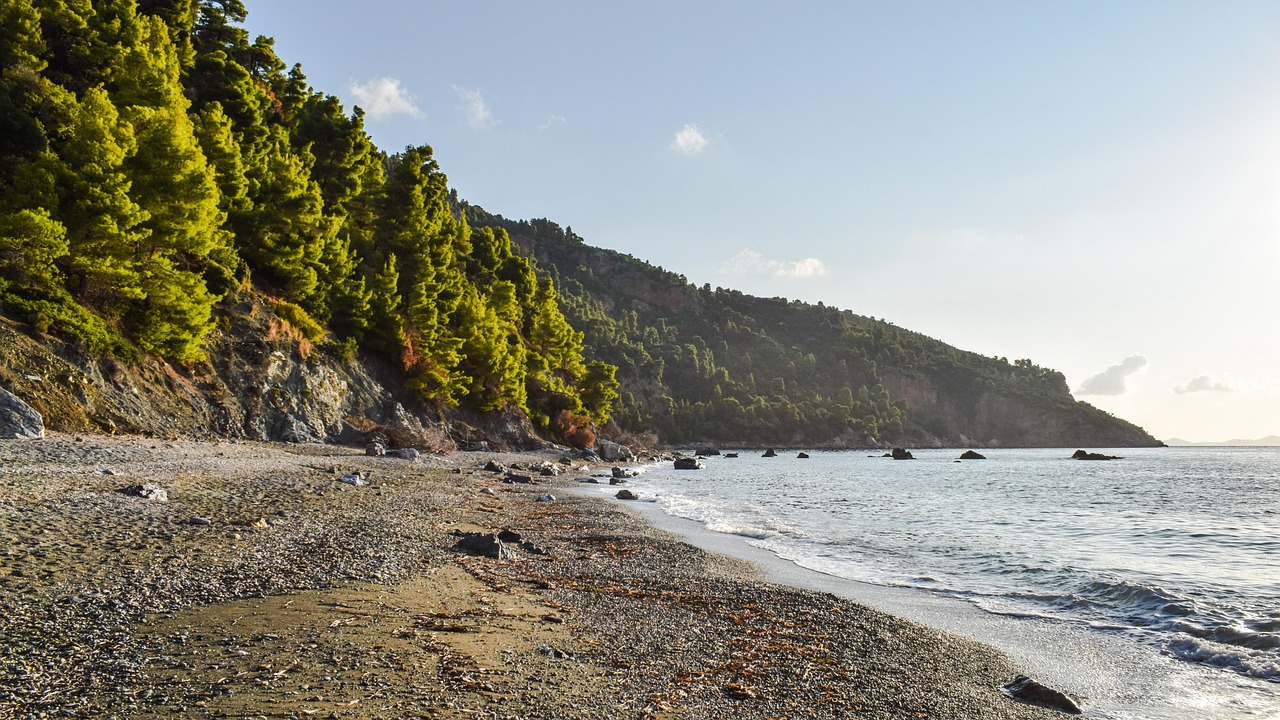
Faliraki, on Rhodes’ east coast, became Greece’s first legally designated nudist beach back in 1980, tucked into a cove separate from the resort town’s busy main strip. It remains popular with an international crowd looking for an easy, well-signposted, legally protected option close to hotels, restaurants and Rhodes’ main airport.
Velanio, just past the popular Stafylos Beach on Skopelos, earned its official status in 2012 and delivers postcard Sporades scenery — pine-backed cliffs, turquoise shallows, and a short boat or footpath access from Skopelos Town. Both beaches combine legal clarity with genuinely good sand and swimming, making them easier first-timer choices than the wilder spots on Crete or Gavdos.
Best for: first-timers who want legal certainty without sacrificing beach quality or convenience.
Quick Comparison: Which Greek Naturist Beach Fits You?
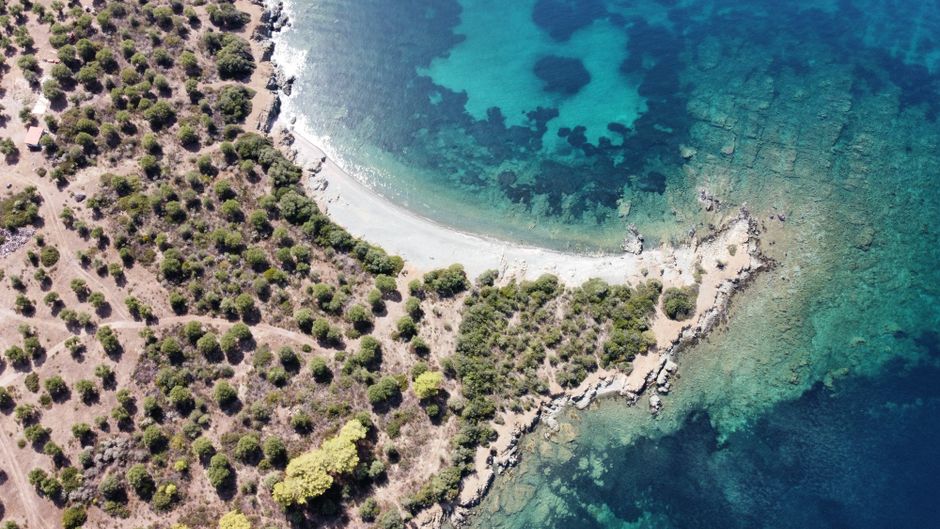
Still deciding? Here’s the fast side-by-side. In short: pick Sarakiniko or Faliraki for zero legal ambiguity, Mykonos for nightlife and easy logistics, Vritomartis for resort comfort, and Lageri or Glyka Nera to get away from it all.
| Beach | Island / Region | Legal Status | Best For |
|---|---|---|---|
| Sarakiniko | Gavdos | Legal since 2011 | Off-grid, long-stay campers |
| Faliraki | Rhodes | Legal since 1980 | First-timers, easy access |
| Velanio | Skopelos | Legal since 2012 | Scenic Sporades swimming |
| Elia & Agrari | Mykonos | Tolerated, unofficial | Nightlife + island-hopping |
| Vritomartis Resort | Crete (Sfakia) | Licensed resort | Resort comfort, no ambiguity |
| Lageri | Paros | Tolerated, unofficial | Quiet couples getaway |
How to Get There, When to Go & What to Pack

Your gateway airport depends on your pick: Chania (CHQ) or Heraklion (HER) for Crete, Mykonos (JMK) for Elia and Agrari, Paros (PAS) for Lageri, and Rhodes (RHO) for Faliraki. Gavdos and Skopelos both require a ferry connection from Crete or the mainland, so build an extra travel day into your itinerary either way. A few practical notes before you go:
- Book flights early and flexibly. Aegean summer fares climb fast from June onward. Compare routes into Crete, Mykonos, Paros and Rhodes with Aviasales and set a price alert before committing.
- Arrange your airport transfer ahead of time. Rural roads to Sfakia or Naoussa have patchy public transport. A pre-booked ride with Welcome Pickups means an English-speaking driver waiting at arrivals instead of a scramble for a taxi.
- Get travel insurance before hiking to remote coves. Boat-or-hike-only beaches like Glyka Nera and Fokos come with rocky trails and no phone signal. A policy from EKTA covers medical care and trip mishaps for a few euros a day.
- Pack water shoes and shade. Most naturist coves — Fokos, Lageri, Glyka Nera — have zero amenities, so bring your own water, snacks and sun cover.
The naturist season on Greek beaches runs roughly May through October, with the sweet spot at June or September: warm water, thinner crowds than peak-August, and easier ferry bookings to Gavdos or Skopelos.
💎 The Bucket-List Upgrade: Mexico’s Adults-Only Icons
Europe is only half the map. Mexico’s adults-only resorts set the global benchmark for couples travel. Desire Riviera Maya and its sister property Desire Pearl (both couples-only, clothing-optional) are the resorts the whole scene measures itself against, while Temptation Cancun (topless-optional, 21+) brings the high-energy party. All three are bucket-list trips worth every hour of the flight.
📅 Skip the brochure — jump straight into live availability: Desire Riviera Maya → · Desire Pearl → · Temptation Cancun →
Frequently Asked Questions
Are there any officially legal nude beaches in Greece?
Yes — exactly three: Faliraki on Rhodes (legal since 1980), Sarakiniko on Gavdos (since 2011), and Velanio on Skopelos (since 2012). Every other naturist-friendly beach in Greece operates on long-standing tolerance rather than official designation.
Can you get in trouble for nude sunbathing in Greece?
Technically yes, outside the three legal beaches — Article 353 of the Greek Penal Code treats public nudity as indecent exposure, with fines up to €1,500. In practice, enforcement is rare at established naturist spots like Mykonos’ Elia or Crete’s Sougia, but it’s not risk-free on busy “textile” beaches.
Is Mykonos a good island for naturist travelers?
Mykonos is Greece’s most popular naturist destination by reputation, despite having no officially legal nude beach. Elia, Agrari and the quieter Fokos have all hosted an established naturist scene since the island’s hippie-era heyday in the 1970s.
What is the Vritomartis Naturist Resort in Crete?
Vritomartis is a licensed, 4-star naturist resort near Chora Sfakion on Crete’s south coast, affiliated with the International Naturist Federation and open from mid-April to late October 2026. Its private cove is one of the very few spots in Greece where nudity is fully sanctioned on-site.
When is the best time to visit Greece’s naturist beaches?
June or September offer the best balance: the sea is already warm enough for all-day swimming, but crowds and prices sit well below the July–August peak. The naturist season generally runs May through October.
Do I need a ferry to reach Gavdos or Skopelos?
Yes. Gavdos has no airport and is reached by a 2–3 hour ferry from Paleochora or Chora Sfakion on Crete, weather permitting. Skopelos is reached by ferry from the mainland port of Volos or via a connection through Skiathos’ small airport.
The Bottom Line
Greece rewards naturists who do their homework: three beaches offer total legal peace of mind, while a handful of long-tolerated coves on Mykonos, Crete and Paros deliver some of the best scenery in the Aegean if you respect local norms. Start with Sarakiniko or Faliraki if certainty matters most, or head to Vritomartis for a fully licensed resort base near Crete’s wilder coves. If you’re weighing Greece against its Adriatic rival, our guide to the best nude beaches in Croatia is worth a look too. Whichever coast you choose, lock in flights to Crete, Mykonos or Rhodes early, protect the trip with travel insurance, and pack the water shoes — the Aegean’s best coves are rarely the easy ones to reach.