We learned this the hard way when our friend Sarah shattered her wrist paragliding in the Swiss Alps last summer. Her “comprehensive” travel insurance? Worthless. The €15,000 medical bill hit her bank account directly because paragliding was buried in the exclusions under “hazardous activities” — a clause she never saw until it was too late.
That’s the gap nobody warns you about. Standard travel insurance sounds complete until you actually need it for anything adventurous. This guide breaks down exactly what gets excluded, why specialized adventure coverage matters, and how EKTA is changing what affordable adventure protection actually looks like. 🛡️
🚫 What Standard Travel Insurance Actually Covers (Spoiler: Not Much)
Your standard €50 travel insurance policy sounds comprehensive. Emergency medical, trip cancellation, lost luggage — what more could you need?
Everything, if you’re planning to do anything beyond museum hopping and café sitting.
Standard policies typically cover only the most basic leisure activities:
- 🚶 Walking tours and sightseeing in urban areas are included because they carry no meaningful injury risk beyond ordinary daily life.
- 🏊 Swimming in designated pools or supervised beach zones is covered, but open water and wild swimming falls outside these definitions entirely.
- 🚲 Recreational cycling on flat marked paths is included, but any technical terrain or off-road riding immediately voids coverage.
- 🥾 Light hiking below 3,000 metres on official marked trails is generally included, but anything above that altitude or off-trail requires a separate policy.
- 🎾 Casual court sports like tennis at resort facilities are covered, but competitive formats and contact sports are not.
That’s it. Step outside these boundaries and you’re unprotected. The key is reading the exclusion list before your trip — not the summary page, not the marketing copy, but the actual exclusion list buried in the policy document. 📄
⚡ Affiliate disclosure: This post contains affiliate links. If you book or buy through them, we may earn a small commission — at no extra cost to you. We only recommend services we’d genuinely use ourselves.
Get your flights sorted early through Aviasales ✈️ to lock in the best prices before planning your activities. And if your flight gets delayed over 3 hours, Compensair can get you up to €600 in EU compensation — something standard travel insurance won’t handle at all.

⚠️ The Adventure Sports Coverage Gap: What Gets Excluded
Most basic travel insurance policies exclude what they categorise as hazardous or extreme sports. The exact list varies between insurers, but the pattern is consistent across Europe.
🌊 Water Sports
- 🤿 Scuba diving below 18–30 metres is excluded because standard insurers cap at recreational depth limits, leaving technical and deep dive sites completely uncovered — we hit this personally during our scuba diving trip to Koh Tao where the best sites start at 25–30 metres.
- 🏊 Open water and wild swimming falls outside supervised zone definitions in most policies, regardless of how experienced the swimmer is.
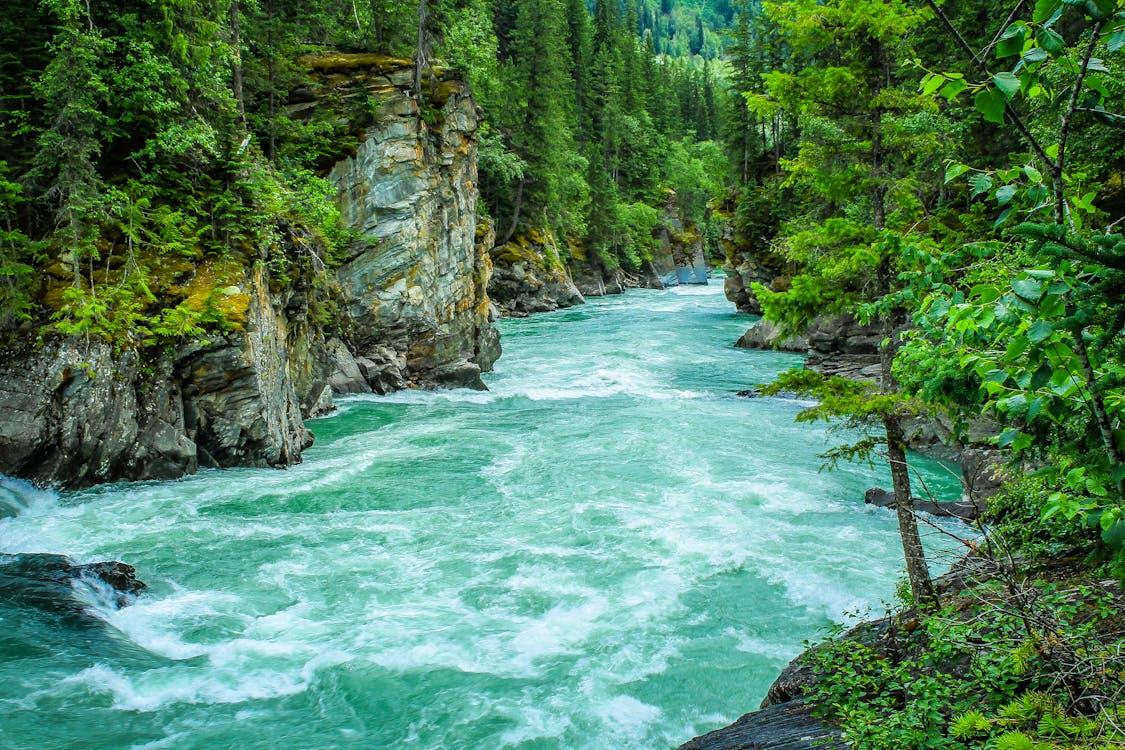
- 🚣 White water rafting above Class II rapids is excluded because the risk profile jumps significantly with faster, more turbulent water.
- 🪁 Kitesurfing and windsurfing are classed as high-risk watersports due to weather dependency and equipment failure rates.
- 🪨 Cliff jumping and coasteering are excluded in virtually every standard policy because of the impact injury risk with no controlled environment.
- 🛶 Sea kayaking in open water or challenging tidal conditions is also typically off the list under open water exclusion clauses.
⛰️ Mountain and Air Activities
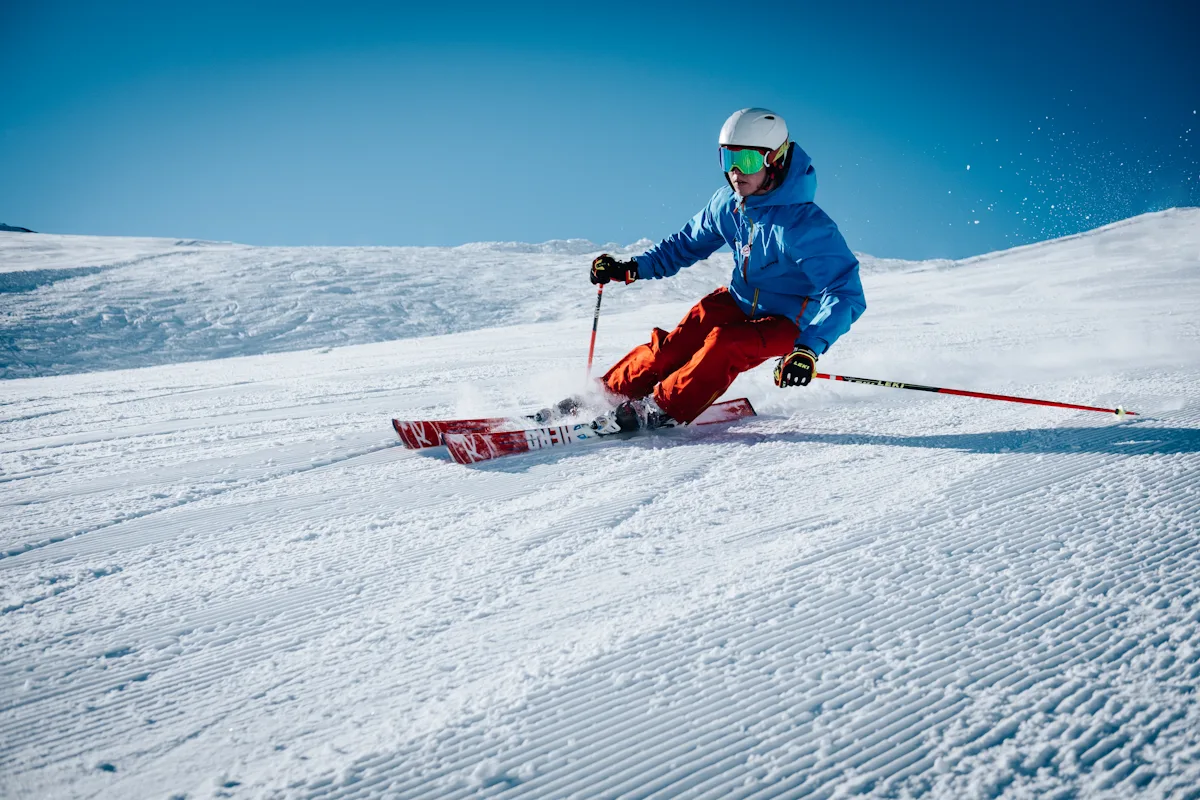
- 🎿 Off-piste skiing and snowboarding is excluded because avalanche and injury risk multiplies exponentially outside marked runs — and the exclusion applies from the moment you leave the piste boundary.
- 🧗 Via ferrata and rock climbing are excluded due to fall risk and the absence of safety infrastructure outside commercial setups.
- 🏔️ Mountaineering above 4,000–4,500 metres is excluded because altitude sickness, weather exposure and rescue costs at elevation are simply not priced into standard premiums.
- 🪂 Paragliding, including tandem flights in Interlaken, is excluded whether tandem or solo — the air activity exclusion catches both formats.
- 🧊 Glacier walking and ice climbing carry objective hazards that standard insurers categorically will not cover.
- 🚵 Mountain biking on technical trails is excluded because of the speed and impact injury profile compared to recreational cycling.
💥 Extreme Sports
- 🪂 Bungee jumping and BASE jumping are excluded without exception across all standard policies, even from commercial operators with perfect safety records.
- ✈️ Skydiving and tandem jumps are always off the list, regardless of whether you’re with a licensed school.
- 🏞️ Canyoning — including our trip through the Cetina canyon in Split at €65 per person — carries zero coverage under standard policy despite being a fully guided, commercially operated activity.
- 🏆 Amateur and professional competitions of any sport are excluded because competitive context increases risk beyond the leisure baseline insurers price for.
- 🏍️ Motorsports including dirt biking are excluded across the board because of the speed and collision risk involved.
⚠️ Always inform your insurer of planned activities when purchasing — not after an incident occurs. Insurers investigate claims thoroughly and retroactive disclosure will not save you.
🔥 Why EKTA Changes the Adventure Insurance Game
After comparing providers across Europe, EKTA consistently delivers the best value for adventure travellers. Here’s what makes them different.
📊 Three-Tier Coverage System
🟡 Start Plan (€1/day): Basic coverage for standard tourism — fine for city breaks, not for anything physical.
🟠 Gold Plan (€2/day): €150,000 emergency medical coverage, full COVID-19 cover including hospital stays, alcohol-related incidents covered, and complete extreme sports and water sports coverage. This is the sweet spot for most adventure travellers — we used this for our white water rafting trip in Bali on the Ayung and Telaga Waja rivers.
🔴 Max+ Plan (€6/day): €500,000 medical coverage, legal assistance, lost baggage, trip interruption, and extended medical cover for 15 days post-trip. Essential for high-altitude mountaineering or extended expeditions.
| Plan | Daily Rate | 2-Week Total | Best For |
|---|---|---|---|
| 🟡 Start | €1/day | €14 | City breaks only |
| 🟠 Gold | €2/day | €28 | Most adventure travellers |
| 🔴 Max+ | €6/day | €84 | High-altitude expeditions |
💡 We checked these rates in May 2026 — still the most affordable proper adventure coverage available in the European market.
✅ What EKTA Covers That Others Don’t
EKTA’s extreme sports coverage includes activities most competitors exclude entirely:
- 🪂 Base jumping and bungee jumping are covered under Gold and Max+ plans, where most competitors list them as absolute exclusions.
- 🎿 Freeride skiing and snowboarding in off-piste terrain is included, removing the most common exclusion that catches European skiers by surprise.
- 🚣 White water rafting across all rapid classes is covered — not just the tame Class I and II sections that standard policies sometimes include.
- 🚵 Extreme mountain biking and BMX in both competitive and recreational settings are explicitly listed as covered activities.
- 🥊 Martial arts including MMA and boxing at amateur and professional level are covered where most competitors exclude any contact sport.
- 🏆 Amateur and professional competitions across all covered sports are included without requiring separate event-specific coverage.
📞 Real Human Support When It Matters
When you purchase EKTA, support is handled by actual people rather than automated chatbots. When something goes wrong in a remote canyon or on a cliff face, you need a human on the other end of the line who can coordinate with local emergency services and authorise treatment directly. Initial claims response runs 48–72 hours, with direct hospital billing available in most cases so you don’t pay upfront and claim back later.
EKTA also covers medical observation in another country for 14 days with accommodation up to $70 per day — genuinely useful if injury extends your stay beyond your original trip dates. 🏥
Enjoying This?
Get more guides like this — plus flight deals — sent straight to your inbox.
💸 How to Choose the Right Adventure Coverage
Step 1: List Every Planned Activity in Detail 📋
Make an exhaustive list before you shop. Include specific sport names and grades, maximum depths or altitudes you might reach, whether you’re using licensed commercial operators or going independent, any guided versus self-guided elements, and competition involvement including amateur and club events.

Step 2: Read the Actual Policy Document 📖
Marketing materials describe what sounds best. Policy documents specify what’s actually covered. Read the exclusion list in the full policy document — that’s where the real answers live, not on the comparison website. Key things to verify:
- 🎿 Skiing coverage specifying on-piste versus off-piste explicitly in the policy text.
- 🤿 Diving with exact depth limits and certification requirements clearly stated — not just “diving covered.”
- 🧗 Climbing distinguishing indoor from outdoor with altitude restrictions listed in black and white.
- 🚵 Cycling distinguishing recreational from mountain biking and BMX disciplines — these are treated very differently by insurers.
Step 3: Calculate True Costs and Compare 💶
- 💰 Basic adventure add-ons from standard insurers run €20–40 extra on top of the base premium and typically cover only a limited activity list.
- 🌍 Comprehensive adventure policies from specialist providers cost €50–120 per trip depending on activities, duration and age.
- 📅 Annual adventure coverage for regular travellers ranges from €200–400 per year and pays for itself after two or three trips.
- 🏆 EKTA Gold at €2/day works out at €28 for a two-week trip — often less than a single night’s accommodation, and the most affordable proper adventure coverage we found across Europe.
Step 4: Verify These Four Numbers Before Buying 🔢
- 🏥 Medical coverage minimum should be €100,000 for most activities, and €250,000 or higher for anything high-risk or remote.
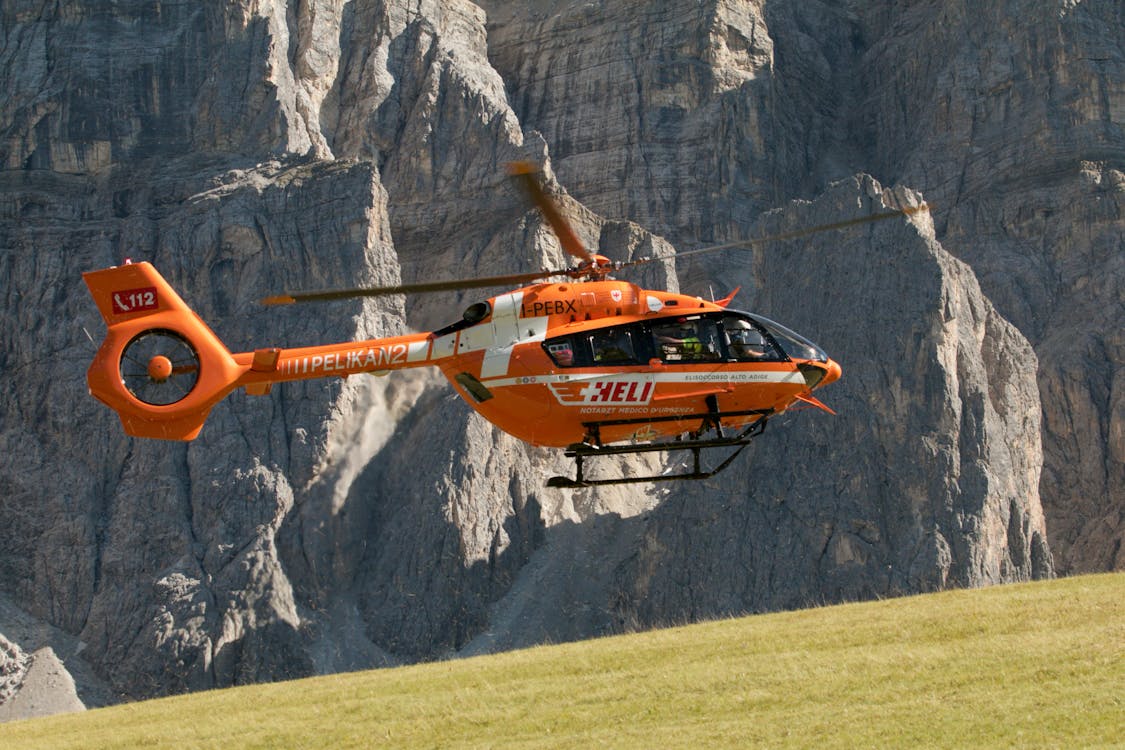
- 🚁 Emergency evacuation should be unlimited or at least €500,000 — helicopter rescues in Switzerland routinely exceed €8,000.
- 🎒 Equipment coverage should match the actual replacement value of your gear, not a generic €500 cap that won’t cover a single decent wetsuit.
- 🆘 Search and rescue should cover at least €10,000–25,000, which is the realistic floor for mountain rescue operations in Western Europe.
🇪🇺 EU-Specific Adventure Insurance Considerations
Schengen Visa and Cross-Border Requirements 🛂
As of 2026, travel insurance with minimum €30,000 medical coverage is legally required for Schengen visa applicants — and basic €30,000 coverage won’t be adequate for adventure sports. Most consulates accept higher-limit adventure policies as compliant, but verify with the specific consulate before applying.
Europe’s freedom of movement also creates coverage gaps if your policy isn’t geographically explicit. Your adventure insurance must specifically list all EU and EEA countries, non-EU European destinations including Switzerland, Norway, Albania and North Macedonia, emergency repatriation to your actual home country, and coverage continuity during transit between multiple countries on the same trip. 🗺️
🚁 Real Rescue Costs Across Europe
Mountain rescue costs vary significantly across popular adventure destinations — and none of it is covered by the European Health Insurance Card:
- 🇨🇭 Swiss Alps helicopter rescue: €3,000–8,000 per callout, billed directly to the individual without insurance.
- 🇦🇹 Austrian ski patrol evacuation: €1,500–4,000 depending on distance and terrain complexity.
- 🇳🇴 Norwegian fjord and mountain rescue: €5,000–12,000 given the remote terrain involved.
- 🇭🇷 Croatian coastal emergency response: €2,000–6,000 for maritime or cliff rescue operations.
- 🇫🇷 French mountain rescue: €2,500–7,500 per operation through the specialist mountain gendarmerie units.
💰 EKTA vs Competitors on Price
- ❌ World Nomads Explorer: €120–180 for comparable activity coverage — 4–6x the EKTA price for equivalent protection.
- ⚠️ Allianz Adventure Add-on: €90–140 with a complex add-on structure where each activity category requires separate purchase.
- ✅ EKTA Gold Plan: €28 for two weeks — the most competitive price point we found for genuine extreme sports coverage.
- ✅ EKTA Max+ Plan: €84 for two weeks — still cheaper than World Nomads basic for significantly better coverage.
❓ FAQ: Adventure Sports Travel Insurance
Does travel insurance cover adventure sports in Europe?
Standard travel insurance excludes most adventure sports across Europe — off-piste skiing, paragliding, scuba diving below 18–30 metres, white water rafting above Class II, skydiving and bungee jumping are the most commonly excluded activities. You need specialised adventure coverage or a specific adventure add-on. Always verify by reading the exclusion list in the full policy document rather than the marketing summary.

What’s the difference between standard and adventure sports insurance?
Adventure sports insurance explicitly covers high-risk activities that standard policies exclude, includes significantly higher medical limits (€100,000–500,000+ versus the standard €30,000–100,000), provides emergency evacuation coverage from remote areas including helicopter rescue, and includes equipment replacement for specialised gear. Standard policies simply don’t price in the elevated risk of adventure activities.
How much does adventure travel insurance cost in Europe?
Comprehensive adventure coverage runs €50–120 per trip for most travellers, versus €30–50 for standard coverage. EKTA is consistently the most competitive — Gold at €2/day and Max+ at €6/day makes a two-week policy €28–84, compared to €120–180 for equivalent World Nomads coverage. 💶
Is EKTA good for extreme sports coverage?
Yes — EKTA’s Gold and Max+ plans explicitly cover freeride skiing, kitesurfing, all-class rafting, base jumping, extreme cycling and BMX, and both amateur and professional competitions. These are activities most competitors exclude entirely or charge add-on premiums for. EKTA pricing is consistently lower than World Nomads and Allianz for comparable coverage. ✅
What adventure sports are excluded from most standard policies?
The most common exclusions are off-piste skiing and snowboarding, scuba diving below 18–30 metres, bungee jumping and base jumping, skydiving, paragliding and hang gliding, mountaineering above certain altitudes, motorsports, and white water rafting above Class II. Professional and amateur competitions are excluded from virtually all standard policies regardless of the sport involved.
Do I need adventure insurance for hiking?
Basic hiking below 3,000m on marked trails is usually covered by standard policies without add-ons. Above that altitude, and for any technical terrain including via ferrata or scrambling, specialised coverage is required. If you’re going off-trail or into remote terrain where helicopter evacuation is a realistic possibility, adventure insurance is essential regardless of the altitude you’re hiking at. 🥾
🎯 The Bottom Line: Don’t Gamble With Your Safety
Standard travel insurance fails adventure travellers consistently and predictably. The exclusion lists read like a directory of European adventure activities. A €50 policy sounds reasonable until your insurer points to page 14, paragraph 3 of the exclusion list and your €50,000 rescue bill arrives uninsured.
European adventure sports are getting more accessible every year. More people attempt challenging activities with inadequate preparation and zero proper insurance protection. Don’t be one of them. 🙏
💪 Get proper adventure coverage through EKTA before your next trip. Their Gold plan at €2/day covers more activities than competitors charging €8–12/day, with real human support available 24/7. For flight delays and cancellations on the way there, keep Compensair bookmarked — they specialise in getting you up to €600 in EU compensation that adventure insurance doesn’t cover. ✈️
Never Miss a Deal
Get the best travel tips, festival guides & flight deals straight to your inbox.

Gbuska is the founder and lead writer at WanderFunTrip. What began as one too many 3 a.m. festival fields and a $40 flight booked on a whim turned into a full-time habit of testing adventure trails, party cities, and adults-only resorts firsthand — then writing up what actually worked (and what didn't). Every guide here starts from a real trip or a real booking, never a press release. Usually somewhere between a departures board and the next cliff jump.