⚡ Heads up: This post contains affiliate links. If you book or buy through them, we may earn a small commission — at no extra cost to you. We only recommend stuff we’d actually use ourselves.
TL;DR: Travel credit card points are a currency you earn on everyday spending and redeem for flights, often covering 70-100% of the ticket price. Beginners typically unlock their first free-ish flight within 3-6 months by hitting a sign-up bonus, not by grinding daily purchases for years.
You’ve seen the screenshots — someone flying business class to Tokyo for “basically nothing” — and assumed it required a finance degree or a mountain of debt. It doesn’t. Travel points are just a rewards system: you spend money you were already going to spend, the bank hands you points, and you trade those points for flights instead of cash. The tricky part isn’t earning points. It’s understanding which points are actually worth collecting and how redemption math works before you get locked into a card that doesn’t fit your travel style.
What Are Travel Credit Card Points, Really?
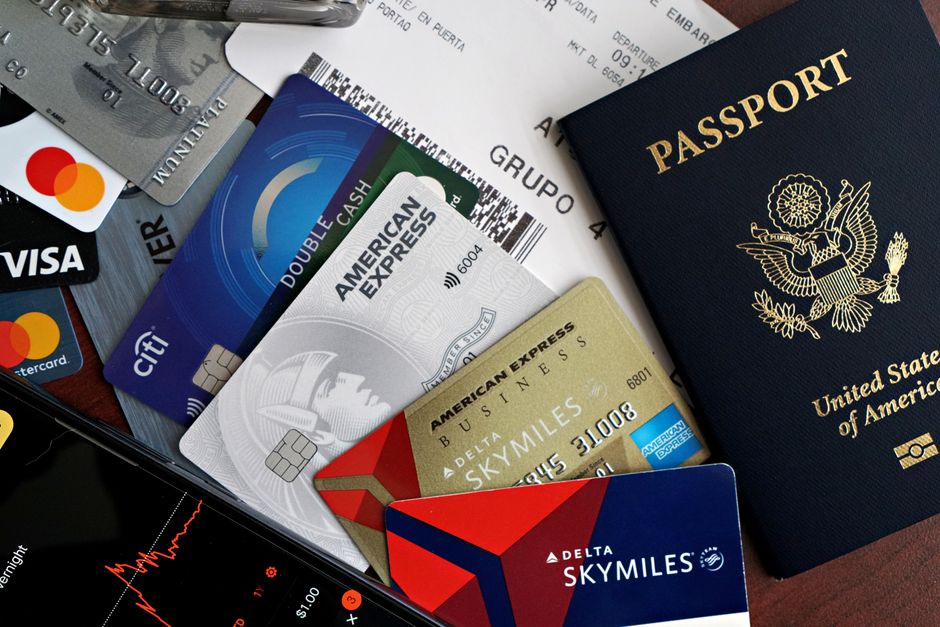
Travel credit card points are a reward currency banks issue for every dollar or euro you spend, redeemable later for flights, hotels, or statement credits. Unlike airline miles tied to one carrier, most beginner-friendly cards issue “bank points” — Amex Membership Rewards, Chase Ultimate Rewards, or similar programs — that can move to several airline and hotel partners. That flexibility matters because it means your points aren’t stranded if your favorite airline hikes its award prices or drops a route.
Points typically have a variable value depending on how you redeem them. Cashing them in for a statement credit might get you around 1 cent per point, while transferring the same points to an airline partner for a long-haul business class seat can stretch that value to 3-5 cents per point or more. That gap is the entire game: beginners who redeem for cash back are leaving most of the value on the table.
Most beginner cards also charge an annual fee somewhere in the approx €90-€150 range (as of 2026), though genuinely fee-free options exist with smaller earning rates. The fee isn’t a red flag by itself — it’s only a problem if the perks and points you earn don’t cover it.
How Do Points Actually Turn Into Free Flights?

Points turn into free flights when you transfer or redeem them against an airline’s award chart instead of paying cash for the ticket. Airlines set a points “price” for each route and cabin class, separate from the cash price, and that award price often stays far cheaper relative to the ticket’s real value — especially in premium cabins.
Here’s the typical beginner path: you open a card, spend what you’d normally spend on rent, groceries, and bills, hit a minimum spend requirement within the first 3 months, and collect a lump-sum sign-up bonus. That bonus alone frequently covers a round-trip economy flight within the same region, sometimes a long-haul flight if you’re strategic about transfer partners and off-peak dates.
You’ll still usually owe taxes and carrier fees in cash even on an “award” booking — this can range from a few euros to over €100 depending on the airline and route, so points rarely mean a truly €0 ticket. It’s worth comparing that residual cash cost against a normal cheap flight search before committing points, since sometimes a cash fare during a sale beats burning points entirely.
Which Beginner Travel Cards Are Worth Considering?

The best beginner travel cards balance a reachable minimum spend, a transferable points currency, and no punishing annual fee in year one. Look for three things before applying: a welcome bonus you can realistically hit with your normal spending, points that transfer to more than one airline program, and no foreign transaction fees, since those quietly erase value every time you swipe abroad.
- Flat-rate starter cards — simple, no bonus categories to track, ideal if you don’t want to think about optimization.
- Category-bonus cards — earn 2-3x points on things like groceries, dining, or streaming, better if your spending is predictable.
- Co-branded airline cards — tied to one carrier, useful only if you fly that airline or its alliance regularly.
- Premium transferable-points cards — higher annual fee, but the points move to the widest range of partners.
For most beginners, a flat-rate or category-bonus card with a transferable currency is the safest first move. Co-branded cards feel appealing because the branding is familiar, but they lock you into one airline’s award chart, which is exactly the flexibility you want to avoid giving up before you understand the system.
How Big Are Sign-Up Bonuses, and How Do You Hit Them?


Sign-up bonuses are the fastest way beginners accumulate meaningful points, often worth more than a full year of regular spending combined. Many beginner-tier cards advertise bonuses in the approx 40,000-75,000 point range (as of 2026) after meeting a minimum spend, usually somewhere between €2,000-€4,000 within the first 3 months.
To hit that threshold without overspending, route purchases you already make — rent where possible, insurance premiums, subscriptions, groceries — through the new card instead of splitting them across accounts. Some travelers time a big planned purchase, like a booking they’d already flagged in our budget flight hacks roundup, to land right after opening the card.
Never carry a balance to “earn more” — interest charges wipe out points value instantly, since most travel cards carry APRs well above what any redemption is worth. Pay the statement in full every month, treat the card as a spending tracker, not a loan.
One overlooked lever: authorized users. Adding a partner or family member sometimes unlocks a secondary bonus or simply doubles your spending velocity toward the same household goal, without doubling the annual fee.
Enjoying This?
Get more guides like this — plus flight deals — sent straight to your inbox.
What Mistakes Do Beginners Make With Points?

The most common beginner mistake is redeeming points for cash back or gift cards, which typically returns the lowest possible value per point. Transferring to an airline partner for an actual flight almost always stretches the same points further — sometimes 2-3x further in value.
Second mistake: opening a card without a trip in mind, then letting points sit for years. Some programs devalue their award charts over time, so points earned today might buy less flight two years from now. Have a rough destination or trip window before you apply.
Third: chasing every new card offer at once. Applying for multiple cards in a short window can hurt your credit score and make it harder to qualify for the next good offer. Space applications out, and only apply for a card whose bonus you can genuinely hit.
Fourth: forgetting the annual fee renewal date. Mark it on a calendar. If the perks (lounge access, free checked bag, insurance) aren’t worth the fee for your travel habits, downgrade or cancel before it renews — don’t let it auto-charge on autopilot.
Transfer Partners vs Fixed-Value Redemption: Which Wins?

Transfer partner redemptions almost always win on raw value, but fixed-value redemption wins on simplicity and guaranteed availability. Transferring points to an airline lets you access their award chart, which can produce outsized value on long-haul or premium cabin seats — but you’re at the mercy of seat availability, which can vanish on popular routes.
Fixed-value redemption lets you apply points directly against any flight you book at a set rate (for example, 1 cent per point toward any ticket), with zero blackout dates or availability headaches. It’s the beginner-friendly default when you need to fly on specific dates and can’t be flexible.
| Redemption Method | Typical Value per Point | Best For |
|---|---|---|
| Cash back / statement credit | ~1 cent | Simplicity, no trip planned |
| Fixed-value travel redemption | ~1-1.25 cents | Fixed dates, guaranteed booking |
| Airline transfer partner (economy) | ~1.5-2 cents | Flexible travelers |
| Airline transfer partner (premium cabin) | Approx 3-5+ cents | Maximizing value, long-haul trips |
When Should You Apply for Your First Travel Card?
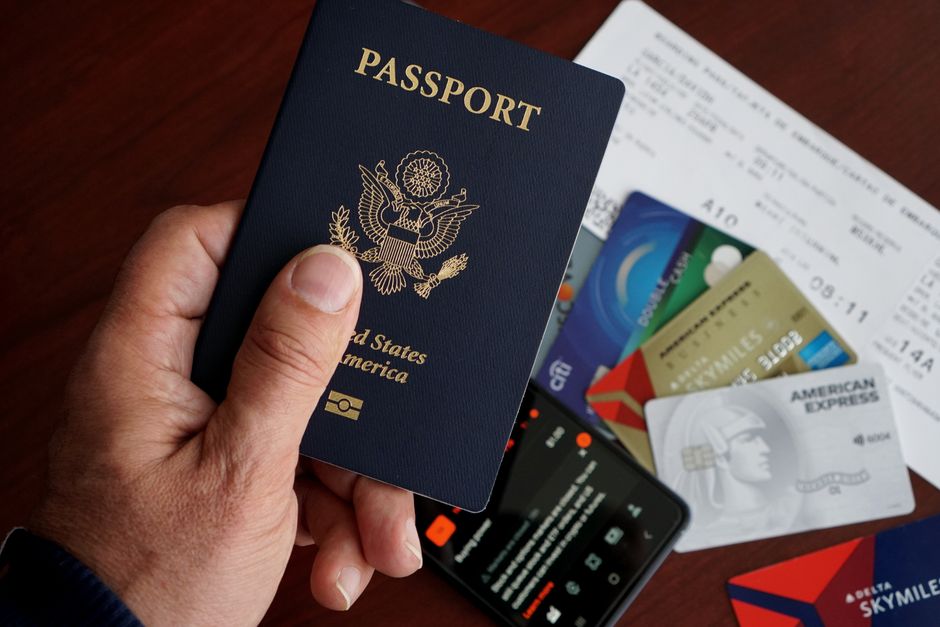
The right time to apply is when your credit is in good standing and you have a realistic spending plan to hit the bonus within the intro window. Applying right before a period of naturally higher spending — a move, a wedding season, holiday shopping — makes the minimum spend far easier to clear without forcing purchases you don’t need.
Check your credit score first. Most beginner travel cards want good-to-excellent credit, and applying blind can result in a rejection that still dings your score. If you’re new to credit entirely, spend 6-12 months building history on a basic card before jumping to a travel rewards product.
Once approved, set a calendar reminder for the minimum spend deadline and the annual fee renewal date on day one. Beginners who track both dates from the start avoid the two most common regrets: missing the bonus and forgetting to cancel or downgrade before the fee hits again.
If your first redemption is an award flight and something goes wrong — a cancellation or long delay — it’s worth knowing your rights before you fly; travelers dealing with disrupted award bookings sometimes still qualify for compensation through flight delay and cancellation compensation services, separate from the airline’s own goodwill policy.
Frequently Asked Questions
Do travel credit card points expire?
Many bank-issued travel points don’t expire as long as the account stays open and in good standing, but transferred airline miles can expire after 12-24 months of inactivity. Check both your card issuer’s policy and the airline partner’s policy separately before assuming your points are safe long-term.
Can I get a free flight with just a sign-up bonus?
Yes, a single sign-up bonus often covers a full round-trip economy flight within the same region or continent. Long-haul or premium-cabin “free” flights usually need either a larger bonus, transferred points from multiple sources, or a longer accumulation period.
Is it bad for my credit score to open a travel card?
A single application typically causes a small, temporary dip in your credit score from the hard inquiry. The bigger risk is opening several cards in a short window, which signals higher risk to lenders — space applications out by several months.
Do I need to spend more money to earn points?
No, you should only route spending you were already going to make through the card, never spend extra just to chase points. Points earned on money you wouldn’t have spent anyway usually cost more in interest than the flight is worth.
What’s the difference between airline miles and bank points?
Airline miles are tied to one carrier’s loyalty program, while bank points from a card issuer can often transfer to multiple airline and hotel partners. Bank points are generally more beginner-friendly because they aren’t stranded if one specific airline raises its award prices.
Should beginners get a card with an annual fee?
A fee-based card can be worth it if the sign-up bonus and ongoing perks clearly exceed the fee in year one. If you’re unsure you’ll hit the minimum spend or use the perks, start with a no-fee option and upgrade once your spending pattern is clear.
Ready to Book Your First Points-Funded Trip?
Start smaller than you think: pick one card with a transferable points currency, hit the sign-up bonus with spending you already planned, and hold off booking anything until you understand your redemption options. Once you’re ready to lock in dates, compare cash prices through a flight search that shows fares across airlines against your points value — sometimes cash wins, sometimes points do, and knowing both is the whole point. For more ways to stretch a travel budget before your next trip, check our travel insurance guide for backpackers.
Never Miss a Deal
Get the best travel tips, festival guides & flight deals straight to your inbox.

Gbuska is the founder and lead writer at WanderFunTrip. What began as one too many 3 a.m. festival fields and a $40 flight booked on a whim turned into a full-time habit of testing adventure trails, party cities, and adults-only resorts firsthand — then writing up what actually worked (and what didn't). Every guide here starts from a real trip or a real booking, never a press release. Usually somewhere between a departures board and the next cliff jump.