⚡ Heads up: This post contains affiliate links. If you book or buy through them, we may earn a small commission — at no extra cost to you. We only recommend stuff we’d actually use ourselves.
You’ve probably heard “book on a Tuesday” so many times it sounds like gospel. It isn’t — and clinging to it might actually cost you money in 2026, when dynamic pricing algorithms reshuffle fares by the hour, not the weekday.
TL;DR: The old “cheapest day to book” myth is mostly dead. What still moves the needle in 2026 is when you fly (Tuesday and Wednesday departures), how far ahead you book (around 2–4 months for intra-Europe routes), and which season you pick (shoulder months like May or late September). Use a fare-tracking tool and set alerts instead of chasing a “magic day.”
Below, we break down what actually drives European airfare in 2026, with a booking-window table, a day-by-day breakdown, and the tools we personally use before locking in a fare.
When Is the Cheapest Day to Book a Flight in Europe?
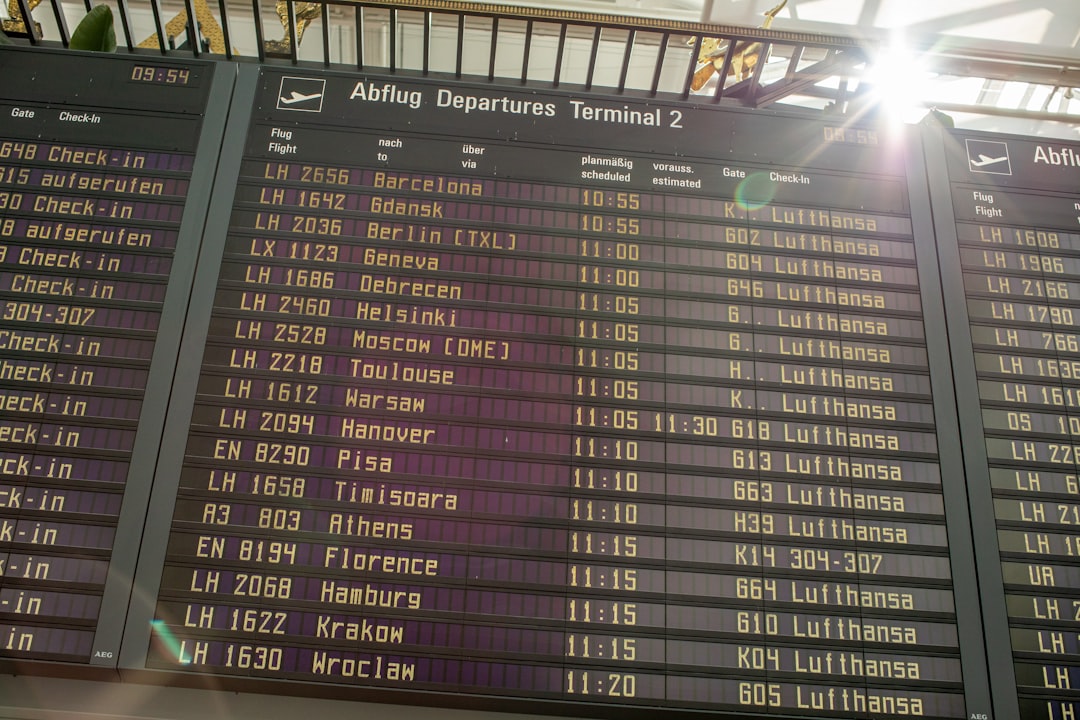
There is no single universal “cheapest day to book” anymore — airline pricing algorithms now adjust fares multiple times a day based on demand, not a weekly cycle. What matters far more is your booking window relative to departure. Several 2025–2026 fare studies from booking platforms have found that mid-week fare drops (Tuesday afternoon through Wednesday) still happen slightly more often than weekend ones, but the gap is small, often just a few euros.
Where you’ll see real savings is in the booking window — how many weeks or months before departure you buy. Book too early and airlines haven’t released their cheapest fare buckets yet; book too late and only the expensive seats remain.
| Booking Window | Route Type | General Price Trend |
|---|---|---|
| 6–9 months ahead | Long-haul into Europe | Good, but not always lowest |
| 2–4 months ahead | Intra-Europe (Ryanair, Wizz, easyJet) | Typically lowest fare tier |
| 3–6 weeks ahead | Full-service carriers | Fares start climbing |
| Under 2 weeks | Any route | Usually most expensive |
To put that in perspective: a London–Barcelona hop booked around 3 months out on a budget carrier has recently hovered around €40–€70 one-way, while the same route booked inside the final two weeks has often jumped to around €120–€160 for the exact same seat class. Berlin–Rome shows a similar pattern — roughly €50–€90 in the 2–4 month window versus approx. €150+ when left until the last minute. These are ballpark figures that shift with fuel costs and demand, not fixed prices, but the shape of the curve holds across most short-haul European routes.
Instead of guessing, we set price alerts through a flight search tool that tracks fare history and lets you compare a whole month at once, so you can spot the dip instead of hoping for one.
Is There Really a Cheapest Day of the Week to Fly?

Yes — flying on a Tuesday or Wednesday is still, on average, cheaper than flying on a Friday or Sunday in Europe. The reason has nothing to do with booking psychology and everything to do with demand: business travelers cluster around Monday and Friday departures, while leisure travelers pack Friday evenings and Sunday nights for weekend trips.
Here’s the rough pattern that’s held up across most European low-cost and full-service carriers heading into 2026:
- Tuesday and Wednesday: lowest average demand, often the cheapest departures
- Saturday: frequently underrated — fewer business travelers, decent prices
- Monday: moderate, pulled up by business commuters
- Thursday: starts climbing as weekend trips begin
- Friday and Sunday: consistently the most expensive, driven by weekend getaways
A quick real-world scenario: searching Paris–Lisbon for a random week in spring 2026, a Friday-to-Sunday round trip has recently priced around €30–€40 higher per person than the identical itinerary shifted to a Tuesday-to-Thursday window — same airline, same booking date, just different departure days. That gap is fairly typical for short European hops and is exactly the kind of “free” saving flexible travelers can pick up without doing anything else differently.
The savings from picking the right weekday are usually smaller than the savings from picking the right season or booking window — think of it as a final tweak, not your main strategy. If your dates are flexible by even a day or two, checking a full week’s fares before you commit is worth the five extra minutes.
Cheapest Months to Fly in Europe in 2026

Late spring (May) and late September through October are consistently the cheapest months to fly within and into Europe, because they fall between the peak summer crowds and the winter holiday rush. These “shoulder season” windows keep the weather pleasant while airlines and hotels compete harder for bookings.
Roughly how the year breaks down for intra-European travel:
- January–March (excluding holidays): the cheapest stretch overall, aside from Christmas and New Year travel dates
- May: warm enough to enjoy, before school holidays hit — a shoulder-season sweet spot
- June–August: peak summer, the most expensive months on almost every European route
- Late September–October: a second shoulder window, often with better weather than spring
- Mid-November–early December: quiet before the holiday surge, frequently underrated
- Late December: among the most expensive weeks of the year
If your trip dates are flexible, shifting by even two or three weeks out of peak season can meaningfully change what you pay — often more than any weekday trick or last-minute deal-hunting will.
How Far in Advance Should You Book Flights to Europe?

For flights within Europe, the sweet spot is generally 2 to 4 months before departure. Budget carriers like Ryanair, Wizz Air, and easyJet tend to release their lowest fare tiers early and then raise prices in stages as seats fill, so booking in that window usually beats waiting for a last-minute discount that, for popular routes, rarely comes.
For long-haul flights into Europe from other continents, the window stretches further out — often 5 to 8 months ahead, especially for summer travel or holiday periods, since demand and fare classes fill up faster on those routes.
A few situational adjustments worth knowing:
- Booking around major holidays (Christmas, Easter, summer school breaks) rewards booking earlier than usual, sometimes 6+ months out
- Off-peak, less popular routes sometimes do see genuine last-minute drops, but this is the exception, not something to plan around
- Multi-city or open-jaw itineraries benefit from booking earlier, since availability across connecting fares tightens faster
The reason budget carriers reward that 2-4 month window specifically comes down to how they release inventory. Ryanair, Wizz Air, and easyJet typically open a route for sale in tiered fare buckets, with the cheapest bucket sold first and each subsequent bucket priced a notch higher as the flight fills. Booking right at the start of that window means you’re buying from the first, cheapest bucket before demand has pushed the airline into the next price tier. Wait past the 2-month mark on a popular summer or holiday route, and you’re often bidding against travelers who already snapped up the lowest bucket weeks earlier.
If you’re piecing together a longer, multi-stop European trip rather than one round-trip, a search tool built specifically for combining separate one-way legs — like a multi-city flight search that stitches budget carriers together — tends to surface far better combinations than a standard round-trip search box. It’s also worth comparing search tools built for that kind of itinerary; we cover a few worth trying in our breakdown of underrated tools for finding cheap flights.
Enjoying This?
Get more guides like this — plus flight deals — sent straight to your inbox.
Tools and Tricks That Actually Save Money in 2026

The single most useful habit is setting a fare alert instead of manually checking prices — algorithms move faster than you can refresh a tab. Most flight search platforms now let you track a route and get notified the moment prices drop, which removes the guesswork around “is this the cheapest day” entirely.
A few habits that consistently help on European routes:
- Use flexible date search: comparing a “whole month” view instead of fixed dates often reveals fares around €20–€60 cheaper just a day or two away from your original pick
- Search in incognito mode: this avoids any browser-based price personalization, though its real-world impact is debated
- Compare nearby airports: flying into a secondary city airport and taking a short train can undercut the “main” airport fare significantly — London’s Stansted or Luton versus Heathrow is a classic example on Southern European routes
- Track fares over a search tool built for it: we personally use a fare comparison tool that scans multiple airlines and OTAs at once rather than checking airline sites one by one
Beyond the basics, a couple of habits separate people who consistently land good fares from people who get lucky once and assume it’s a pattern. First, set alerts on more than one departure airport if you live near two or three — a fare alert on both London Stansted and London Gatwick for the same destination can show a meaningfully different price on the same date, since budget and full-service carriers price the same route independently. Second, don’t close the tab the moment you see a decent price on a flexible-month calendar view; scroll a week in each direction first, since the “cheapest” highlighted date isn’t always the actual lowest fare once taxes and baggage are added at checkout.
It’s also worth building a simple routine rather than relying on memory: pick your rough travel window, open a flexible-date search for that month, screenshot or note the lowest few dates, then set an alert and check back every week or two rather than every day. Daily checking rarely changes anything meaningful and just adds stress. Budget carriers in particular tend to release new inventory in batches, so fares can sit flat for a week and then shift noticeably overnight — an alert catches that moment far more reliably than manual refreshing.
For dedicated tools, calendars, and browser extensions that go deeper than a standard search engine, our guide to underrated cheap-flight tools covers the ones we’d actually recommend using, not just the popular names.
Mistakes That Quietly Inflate Your European Flight Fare

The most common mistake is booking without checking a flexible date range first, which can mean paying more for the exact same trip shifted by a single day. Airlines price each date’s inventory separately, so a Friday departure and a Wednesday departure on the same route rarely cost the same.
Other quiet fare-inflators to watch for:
- Ignoring layovers entirely: a one-stop itinerary can be dramatically cheaper than a direct flight on the same route, especially through European hub airports
- Booking add-ons through the airline instead of separately: baggage and seat selection fees are often cheaper booked in advance through the airline’s own site than bundled during checkout on a third-party search
- Not planning for delays or cancellations: European air passenger rights (EU261) entitle you to compensation for significant delays or cancellations on qualifying flights, but claiming it yourself can be a slow, paperwork-heavy process — a service like a flight compensation claim service handles the claim on your behalf if something goes wrong
- Waiting too long once you spot a fair price: European short-haul fares can shift within hours during the 2–4 month booking window — a “good enough” fare that’s gone by evening is usually a worse outcome than a “great” fare you missed because you hesitated a day too long
None of these mistakes are dramatic on their own, but they tend to stack. A traveler who skips the flexible-date view, books a direct flight without checking one-stop options, and pays for a checked bag at checkout instead of in advance can easily end up paying 20–30% more than someone booking the exact same route with none of those habits.
Frequently Asked Questions
What is the cheapest day to fly to Europe in 2026?
Tuesday and Wednesday departures are still, on average, the cheapest days to fly within Europe in 2026. Business travel clusters around Monday and Friday, and weekend leisure trips push up Friday evening and Sunday fares, leaving the midweek window with the lowest average demand.
Is it cheaper to book flights on a Tuesday?
Not meaningfully anymore — the “book on Tuesday” rule is largely outdated. Airline pricing algorithms now update fares multiple times a day based on demand, so the day you click “buy” matters far less than how many months ahead of departure you book and which day you actually fly.
How many months before should I book a flight to Europe?
For flights within Europe, around 2 to 4 months ahead is generally the cheapest window. For long-haul flights into Europe from other continents, aim for roughly 5 to 8 months ahead, especially if you’re traveling during summer or major holidays.
What is the cheapest month to fly to Europe?
May and late September through October are typically the cheapest months, since they sit in the shoulder season between peak summer crowds and the winter holiday rush. January through March, outside of Christmas and New Year, is also consistently affordable.
Do flight prices really drop a set number of weeks before departure?
Not reliably — the “magic countdown” idea oversimplifies how airlines actually price seats. Fares move in tiered buckets that empty as a flight fills, so prices generally trend upward the closer you get to departure, rather than dropping at a predictable week marker.
Is Sunday the most expensive day to fly in Europe?
Sunday is usually one of the two most expensive departure days, alongside Friday. Both days see a surge from leisure travelers flying home from or heading out on weekend trips, which pushes demand — and prices — higher than midweek departures.
Book Smarter, Not Just Earlier
The old advice to hunt for one “magic” booking day is mostly noise in 2026 — what actually saves money is stacking the right season, the right booking window, and a flexible midweek departure, then letting a fare alert do the watching for you. Start your next search with a flight comparison tool that tracks fare history across airlines so you can lock in a European route in its cheapest window instead of guessing. For deeper research before you commit, our guide to underrated cheap-flight tools rounds out the rest of your toolkit.
Never Miss a Deal
Get the best travel tips, festival guides & flight deals straight to your inbox.

Gbuska is the founder and lead writer at WanderFunTrip. What began as one too many 3 a.m. festival fields and a $40 flight booked on a whim turned into a full-time habit of testing adventure trails, party cities, and adults-only resorts firsthand — then writing up what actually worked (and what didn't). Every guide here starts from a real trip or a real booking, never a press release. Usually somewhere between a departures board and the next cliff jump.