⚡ Heads up: This post contains affiliate links. If you book or buy through them, we may earn a small commission — at no extra cost to you. We only recommend stuff we’d actually use ourselves.
TL;DR: Europe’s night train network keeps expanding in 2026 — ÖBB Nightjet now runs new Siemens sleeper sets with lockable mini cabins, European Sleeper’s Brussels–Berlin–Prague route adds a Hamburg stop from July 13, 2026, and fares still start around €29 for a reclining seat up to roughly €160 for a private solo sleeper. Book 2–3 months out for the best prices, pick your comfort class based on trip length, and always have a backup plan — these trains are popular and can sell out fast.
Sleeping your way across borders sounds romantic until you’re standing on a platform at midnight wondering if you booked a seat, a couchette, or an actual bed. Night trains are back in a big way across Europe, with new operators, refurbished fleets, and routes that let you skip a hotel night entirely while covering serious distance. This guide breaks down the real 2026 routes, what they cost, which class is worth the upgrade, and how to book without getting burned by dynamic pricing.
Why Night Trains in Europe Are Booming in 2026
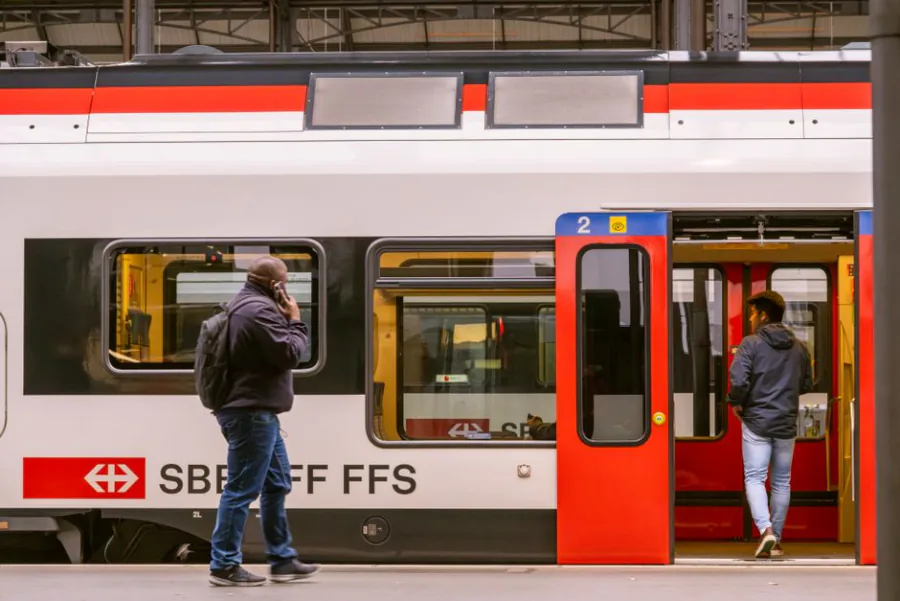
Night trains are booming because they solve two problems at once: they cut flight-related emissions and hassle, and they turn a travel day into a sleep night, freeing up daylight hours for actually being somewhere. ÖBB Nightjet alone has invested more than €700 million in new seven-car Siemens train sets, with 22 next-generation trains already rolling out across routes to Germany, Switzerland, and Italy as of 2026.
The appeal isn’t just nostalgia. A night train from, say, Vienna to Hamburg saves you a hotel night, skips airport security lines, and drops you in the city center instead of a terminal 40 minutes outside town. For budget-conscious travelers comparing a short-haul flight against a sleeper berth, the math increasingly favors the train once you factor in airport transfers and check-in buffers — though for longer intercontinental hops, comparing flight prices is still worth doing before you commit to a 12-hour rail journey.
The new Nightjet fleet is also a genuine upgrade over the aging rolling stock many travelers remember. Each seven-car set carries around 260 passengers across two sleeping cars, three couchette cars, a multifunction car, and a seating car. The headline feature is the “mini cabin” — a lockable single-berth pod that gives solo travelers real privacy at a price close to a standard couchette, plus en-suite showers in the higher sleeper categories. That single change has made solo night-train travel far less of a gamble than it used to be.
The Best Night Train Routes in Europe Right Now (2026)
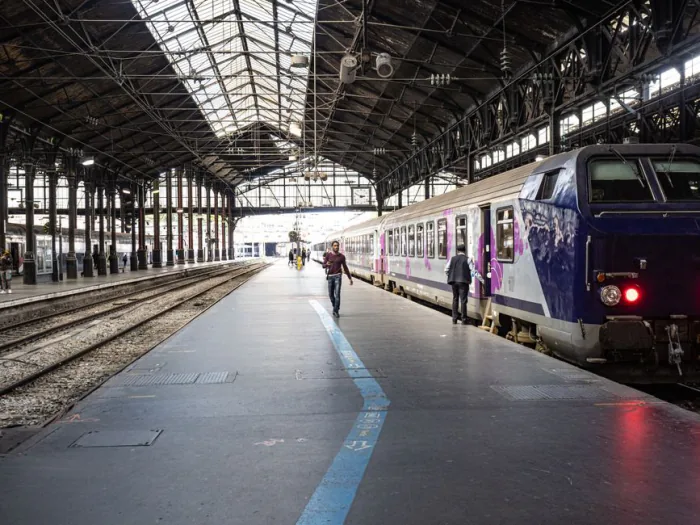
The strongest night train routes in Europe right now connect Austria, Germany, Switzerland, Belgium, the Netherlands, Czechia, France, and Sweden, with ÖBB Nightjet and European Sleeper covering the most ground. Here’s a practical snapshot of what’s actually running, since schedules change by season:
| Operator | Route | Frequency | Approx. Journey | Fare From |
|---|---|---|---|---|
| ÖBB Nightjet | Vienna – Zurich | Nightly | approx. 11h | around €29 (seat) |
| ÖBB Nightjet | Amsterdam – Zurich (new, from Dec 2026) | Nightly | approx. 11–12h | around €30 (seat) |
| European Sleeper | Brussels – Berlin – Prague | 3x/week (Mon, Wed, Fri) | approx. 15h to Prague | around €60 (seat) |
| European Sleeper | Paris – Brussels – Berlin (Hamburg added Jul 13, 2026) | 3x/week | approx. 13h | around €60 (seat) |
| Snälltåget | Berlin/Hamburg – Malmö – Stockholm | Most nights, 200+ days/year | approx. 16–18h | around €50–60 (seat) |
| Intercités de Nuit (SNCF) | Paris – Nice | Mon–Fri | 11h44 (21:25–09:09) | around €35–50 (seat) |
Worth noting: France’s state operator confirmed in 2026 that no brand-new Intercités de Nuit lines will launch before 2030, so the long-promised network expansion there is on hold — the existing Paris–Nice, Paris–Briançon, and Paris–Toulouse/Cerbère routes are still your main options. Sweden’s Stockholm–Berlin route also changed hands mid-2026, with German operator RDC Deutschland confirmed to keep it running from September 2026 onward after SJ’s contract ended.
How Much Do Night Trains Cost in 2026?
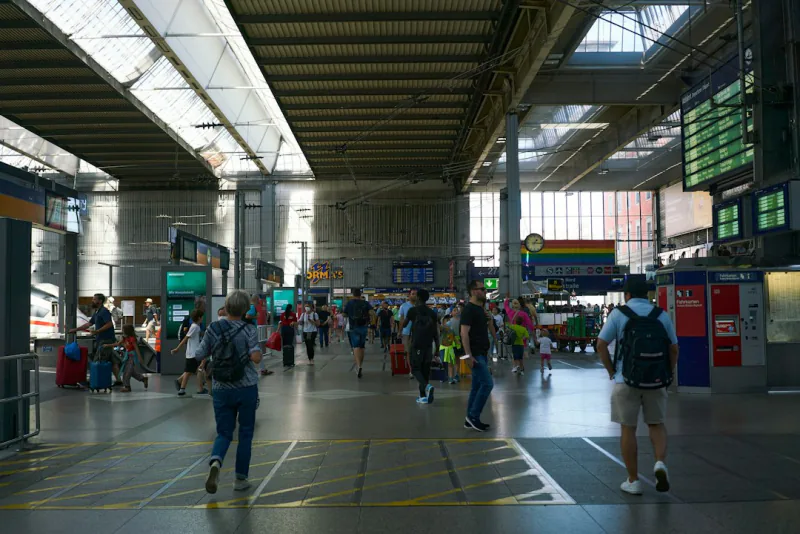
Night train prices in Europe in 2026 range from around €29 for a basic reclining seat up to roughly €160 for a solo private sleeper, and pricing is dynamic — it climbs the closer you get to departure. ÖBB Nightjet’s published 2026 fare structure is a useful benchmark across the network:
- Seat: from around €29
- Couchette / mini cabin: from around €58
- Sleeper compartment (shared, duo): from around €107
- Sleeper compartment (private, solo): from around €159
These are starting fares on the cheapest available days — expect prices to roughly double during peak summer weekends or around major holidays. European Sleeper and Snälltåget follow a similar dynamic model, with seats consistently the cheapest tier and private sleepers commanding the biggest premium. The gap between a seat and a couchette is often smaller than the gap between a couchette and a private sleeper, which is where most travelers find their sweet spot.
Seat, Couchette, or Sleeper — Which Class Should You Book?
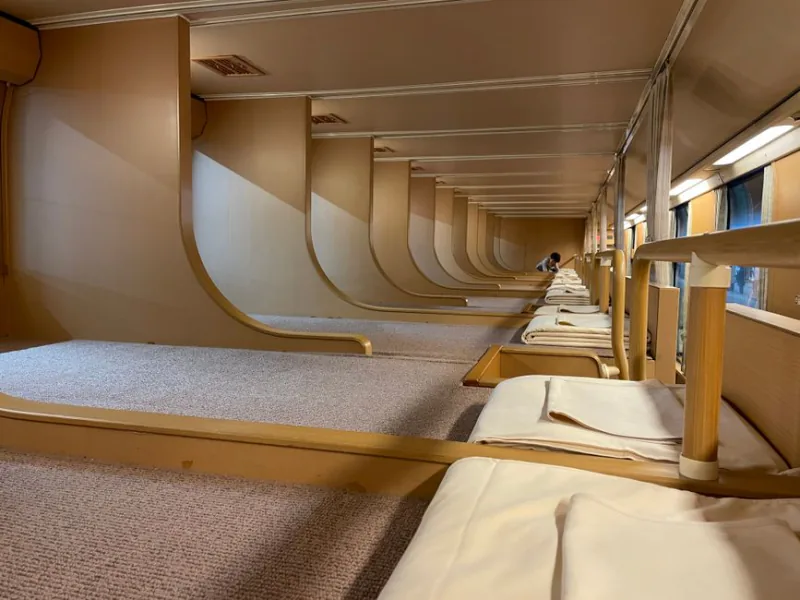
Pick a seat for journeys under 8 hours, a couchette or mini cabin for 8–14 hour overnight hauls, and a private sleeper when you want guaranteed sleep on a longer or more expensive route. A reclining seat works fine on shorter legs like Vienna–Zurich, but you won’t get much real sleep — treat it as a budget option for travelers who can nap anywhere.
Couchettes (shared bunk compartments, usually 4–6 beds) sit in the middle: cheap enough to feel like a bargain, private enough to actually sleep. The new Nightjet mini cabins have made this tier much more attractive for solo travelers, since you get a lockable individual pod instead of sharing a compartment with strangers. If you’re traveling as a couple or want zero chance of a snoring stranger in the next bunk, a private sleeper compartment — especially on the newer Nightjet sets with en-suite showers — is worth the upgrade, particularly on routes over 12 hours.
One practical tip that applies across every operator: book couchettes and sleepers earlier than seats. Seat inventory tends to stay available closer to departure, but the limited number of sleeper berths per train sells out weeks in advance on popular routes like Brussels–Berlin or Vienna–Hamburg, especially during summer.
Enjoying This?
Get more guides like this — plus flight deals — sent straight to your inbox.
How to Book Night Trains in Europe (Without Overpaying)

Book directly through the operator’s own site — ÖBB Nightjet, European Sleeper, or Snälltåget — rather than a generic third-party aggregator, since operator sites show the full fare tiers and real-time berth availability. Booking windows typically open around 3–6 months before departure, and the cheapest seats and couchettes get snapped up first.
A few booking tips that make a real difference:
- Book 2–3 months ahead for the best combination of price and availability, especially for sleepers.
- Check both directions separately — a Tuesday departure can cost half as much as a Friday one on the same route.
- Watch for multi-operator trips. If your route needs a connecting day train or a budget flight for one leg, a flexible multi-stop search through a flight and train combination search tool can reveal cheaper overall itineraries than booking each leg separately.
- Keep your confirmation offline. Rural border stations and overnight Wi-Fi gaps are common — screenshot your ticket and seat/berth number before you board.
- Build in a buffer day if you have a tight onward connection; night trains occasionally run late after border crossings or track work.
If you’ve already planned your trip around budget flights for the rest of the itinerary, it’s worth reading up on the cheapest countries to travel in Europe before you lock in your route, since mixing night trains with cheap short-haul flights is often the most cost-effective way to cover a multi-country trip.
Packing and Survival Tips for Your First Night Train

Pack light, bring your own snacks and water, and download entertainment offline before you board, since dining cars and Wi-Fi are inconsistent across operators. A few things that make a real difference to how well you sleep and how smoothly the night goes:
- Earplugs and an eye mask — even private sleepers have thin walls and bright platform lights at station stops.
- A small padlock for couchette compartments that lock from the inside but benefit from extra security on your bag.
- A refillable water bottle — onboard catering varies hugely and can run out.
- Layers, not a bulky coat — compartments run warm, platforms at 2am do not.
- Cash in small denominations of the destination currency for conductors or onboard snack carts that don’t always take cards.
- Printed or offline tickets in case of patchy signal crossing borders.
If your route includes a long layover before a flight home, it’s worth planning a scenic day-train leg to fill that gap with a scenic day-train leg instead of sitting in a station.
Frequently Asked Questions About Night Trains in Europe
Are night trains in Europe worth it in 2026?
Yes, for routes between 8 and 16 hours where you’d otherwise lose a travel day or pay for a hotel night. The new Nightjet fleet and European Sleeper’s expanding network have made overnight rail genuinely comfortable rather than a budget-only compromise, especially in couchette or mini-cabin class.
How far in advance should I book a night train?
Book sleepers and couchettes 2–3 months ahead for the best prices and availability, since berths are limited per train and sell out first on popular routes. Seats can often be booked closer to departure, though prices rise as the date approaches.
What’s the difference between a couchette and a sleeper?
A couchette is a shared bunk compartment (usually 4–6 beds) with basic bedding, while a sleeper compartment offers fewer beds, more privacy, and on newer trains, en-suite facilities. Mini cabins, available on new Nightjet trains, sit between the two — a lockable single pod at a couchette-adjacent price.
Do night trains run on time in Europe?
Generally yes, but delays of 30–60 minutes aren’t unusual after long border crossings or overnight track maintenance. Build in a buffer if you have a tight connection the next morning, particularly on multi-country routes like Brussels–Berlin–Prague.
Can I bring luggage on a European night train?
Yes, standard check-in-sized luggage is fine in all classes, with overhead racks in seats and couchettes and dedicated storage in sleeper compartments. There’s no weight limit like on flights, but space is tighter than a daytime train, so pack efficiently.
Which night train route is best for a first-timer?
The ÖBB Nightjet Vienna–Zurich or Vienna–Hamburg routes are good starting points thanks to the newest train sets and frequent nightly departures. European Sleeper’s Brussels–Berlin–Prague run is also beginner-friendly if you want to combine three cities in one overnight hop.
Final Verdict: Should You Book a Night Train in 2026?
Night trains in Europe in 2026 are in genuinely good shape — new fleets, expanding routes, and fares that still undercut a flight-plus-hotel combo when you book early. The sweet spot for most travelers is a couchette or mini cabin on a route between 8 and 15 hours, booked 2–3 months out before sleeper inventory dries up.
If your trip also needs a flight leg to reach your starting city, it’s worth running a quick flight price comparison before you commit to the full overnight route — sometimes a short, cheap flight plus one night train beats an all-rail itinerary on both time and cost. Either way, pack an eye mask, book the berth before the seat sells it out from under you, and enjoy waking up in a new country.
Never Miss a Deal
Get the best travel tips, festival guides & flight deals straight to your inbox.

Gbuska is the founder and lead writer at WanderFunTrip. What began as one too many 3 a.m. festival fields and a $40 flight booked on a whim turned into a full-time habit of testing adventure trails, party cities, and adults-only resorts firsthand — then writing up what actually worked (and what didn't). Every guide here starts from a real trip or a real booking, never a press release. Usually somewhere between a departures board and the next cliff jump.