⚡ Heads up: This post contains affiliate links. If you book or buy through them, we may earn a small commission — at no extra cost to you. We only recommend stuff we’d actually use ourselves.
Somewhere on day three of the W, standing at the Mirador Británico with the granite horns of the Paine Massif closing in on three sides, most hikers stop talking mid-sentence. Patagonia does that. It’s also a trip that punishes bad planning — miss the booking window and there’s simply no bed left in the park, guide or no guide.
TL;DR: the classic W Trek covers about 80km over 5 days and 4 nights, with roughly 3,500m of cumulative elevation gain. The park entrance fee runs $49 USD for foreign visitors on a multi-day visit, refugio beds start around $43 USD a night, and reservations for every single night must be locked in months ahead for the December–February peak. This guide covers the day-by-day route, real 2026 costs, when to book, and what to actually pack.
What Is the W Trek in Torres del Paine?
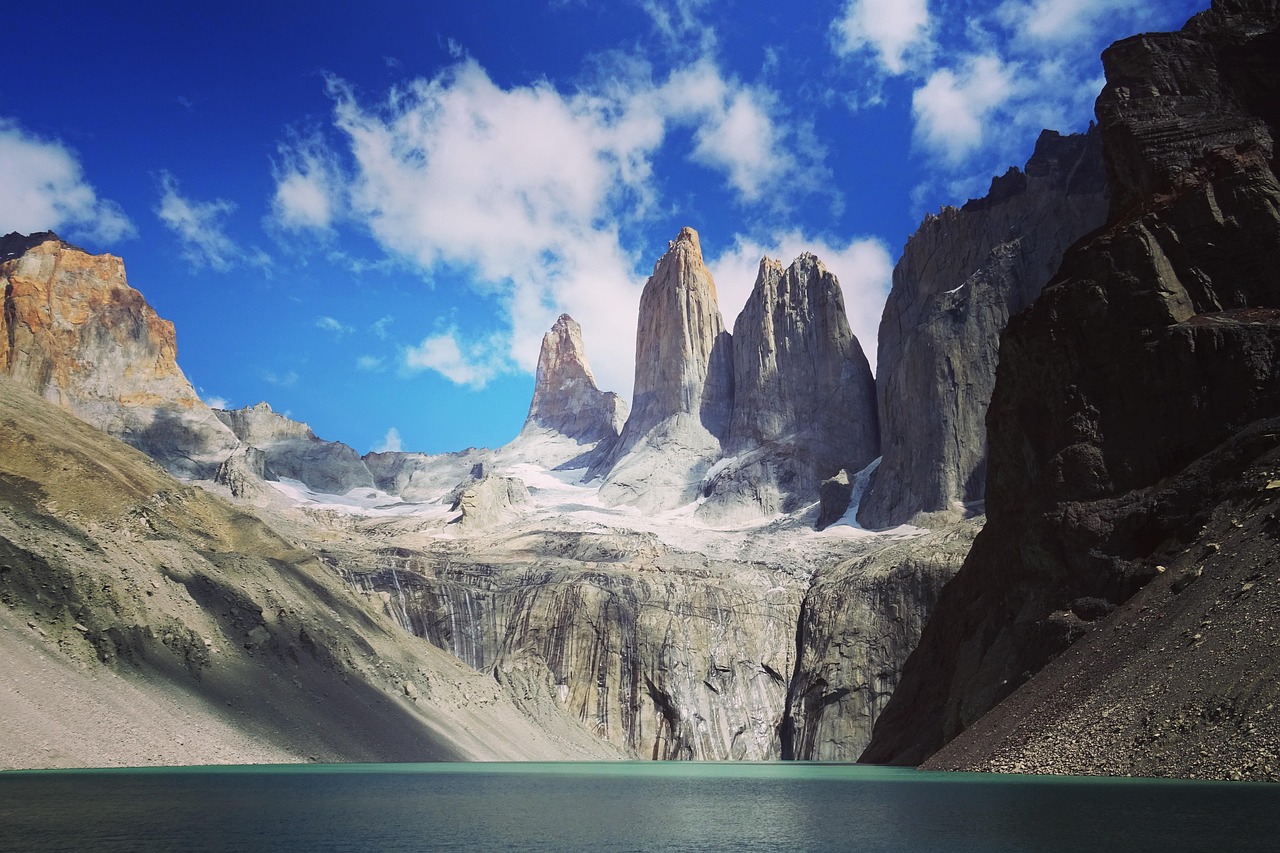
The W Trek is a roughly 80km out-and-back-and-out route through the southern section of Torres del Paine National Park in Chilean Patagonia, named for the shape it traces on a map. It links three signature viewpoints — the granite Torres (towers), the Cuernos horns, and Glacier Grey — without requiring the full multi-day commitment of the O Circuit that loops around the whole massif.
Most hikers complete it in 5 days and 4 nights, covering close to 3,500m of cumulative elevation gain, though fit and experienced trekkers sometimes compress it to 4 days by combining the first two legs. It’s rated moderate to challenging: no technical climbing or ropes needed, but long daily distances, exposed wind, and unpredictable weather make it tougher than the “no special skills required” reputation suggests.
You don’t need a guide to hike the W independently — trails are well marked and refugios sell basic meals — but every single night in the park must be pre-booked through the official operators before you’re allowed to start.
People often confuse the W with the O Circuit, the full loop around the entire Paine Massif. The O includes everything the W covers plus a remote, less-serviced back side, and usually takes 7–10 days with far fewer bailout options if the weather turns. If this is your first multi-day trek in Patagonia, the W is the sane starting point — you still get the Torres, the Cuernos, and Glacier Grey, just without the extra week of exposed, unsupported trail.
Getting to Torres del Paine: Flights, Buses and Puerto Natales
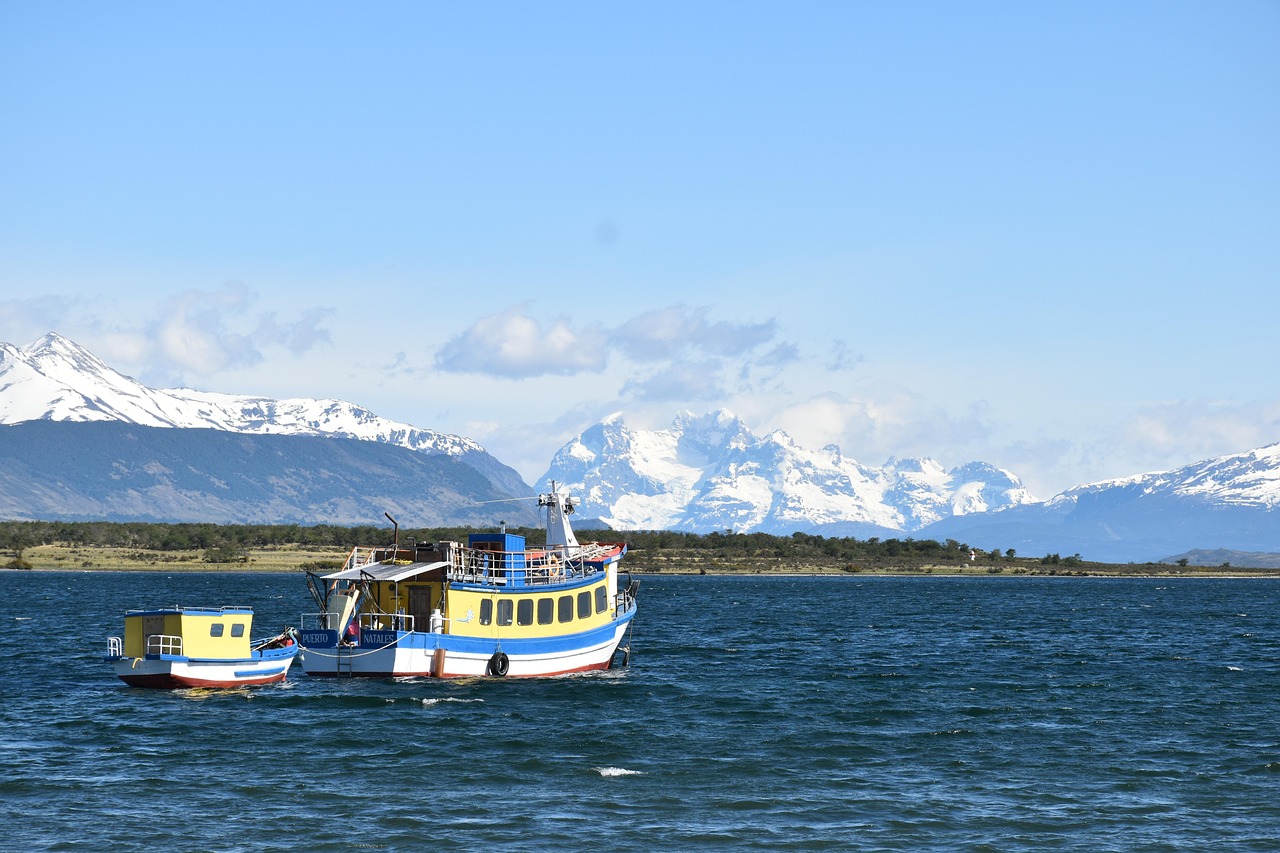
Puerto Natales is the gateway town for the W Trek, and getting there takes real planning from most of the world. The standard route is an international flight into Santiago, then a domestic connection to Punta Arenas, followed by a roughly 3-hour bus transfer north to Puerto Natales. A handful of seasonal flights land directly in Puerto Natales itself, cutting out that bus leg entirely.
From Puerto Natales, park buses cover the final 112km to the Laguna Amarga entrance in about 2.5 hours, usually timed around an early-morning departure so you can start hiking the same day. Because this route involves at least two flight legs plus tight bus connections, it’s worth comparing routes and fares on Aviasales rather than booking the first Santiago connection you see — prices and layover times between carriers vary a lot on this corridor.
If your connecting flight into Punta Arenas gets delayed or cancelled, which happens more often than travelers expect on this route, Compensair can pursue compensation on your behalf for a cut of the payout, with no upfront fee if the claim fails.
Plan on at least one full day in Puerto Natales before you start hiking, not just to buy fuel canisters and last-minute snacks, but as a buffer against delayed flights. The town has several outdoor shops that rent stoves, trekking poles, and sleeping bags if your airline loses a bag, plus supermarkets stocked for trail food — dehydrated meals here cost noticeably more than at home, so a few bought in advance are worth the suitcase space.
Day-by-Day W Trek Itinerary (5 Days)
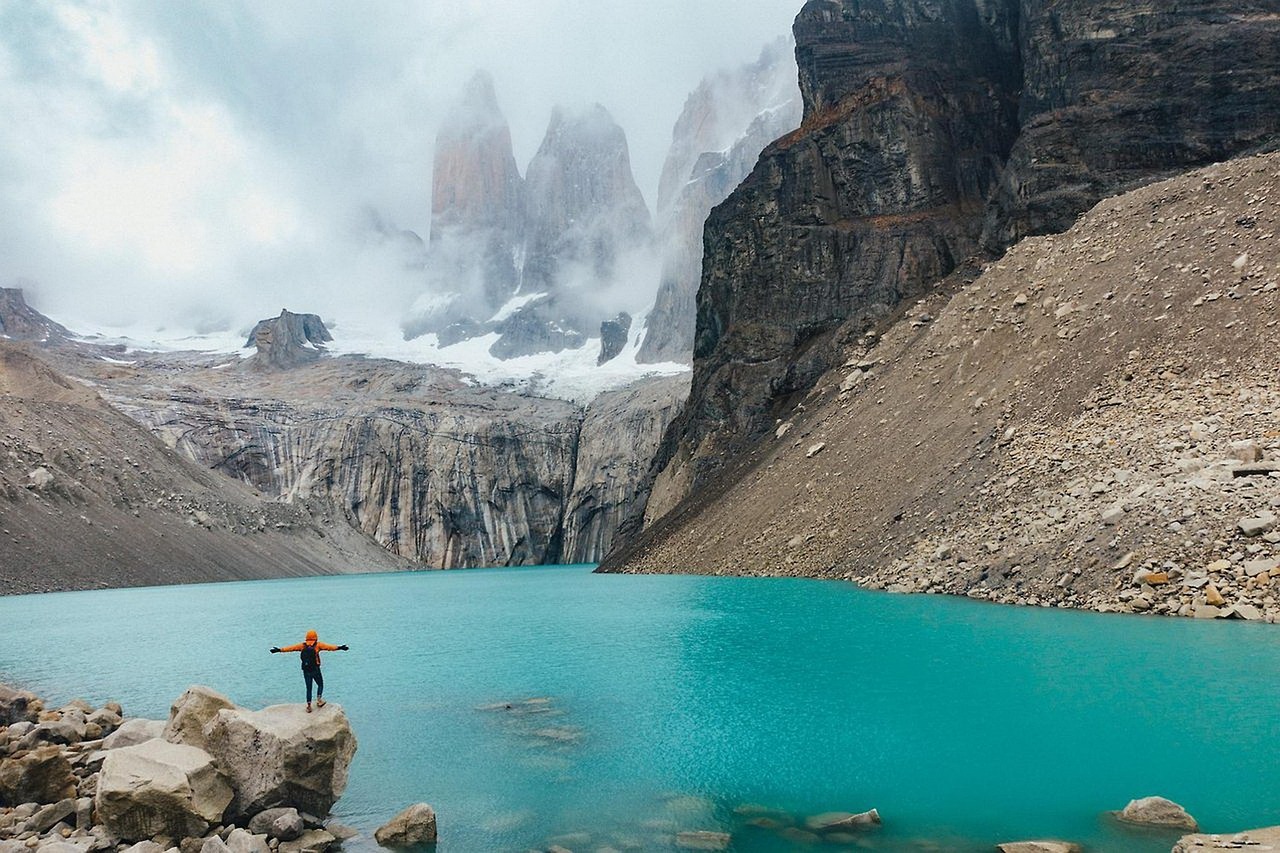
The trek is usually hiked west-to-east or east-to-west; most independent hikers start at Laguna Amarga and finish at the Torres, saving the hardest viewpoint for last. Here’s the standard breakdown:
| Day | Route | Distance |
|---|---|---|
| 1 | Laguna Amarga entrance → Torres Central/Chileno | ~11km |
| 2 | Chileno/Torres Central → Francés or Cuernos | 13–17km |
| 3 | French Valley round-trip → Mirador Británico | 20–23km |
| 4 | Back to Torres Central/Chileno via catamaran | 13–17km |
| 5 | Sunrise hike to Mirador Las Torres, then exit | 15–20km |
The Lago Pehoé catamaran that shortcuts between the western and central sectors costs around $28 USD one-way and only runs a few times a day in season, so build your itinerary around its schedule rather than the other way round.
Day 3, the out-and-back into the French Valley, is the one most hikers remember longest. You climb through lenga forest before the trees thin out and the valley opens up, with hanging glaciers on the Paine Grande side occasionally letting go with a crack that echoes across the whole basin. Leave your heavier gear at camp for this one — it’s a day pack push to Mirador Británico and back, not a fully loaded carry.
Where to Stay: Refugios and Campsites (Cost Breakdown)
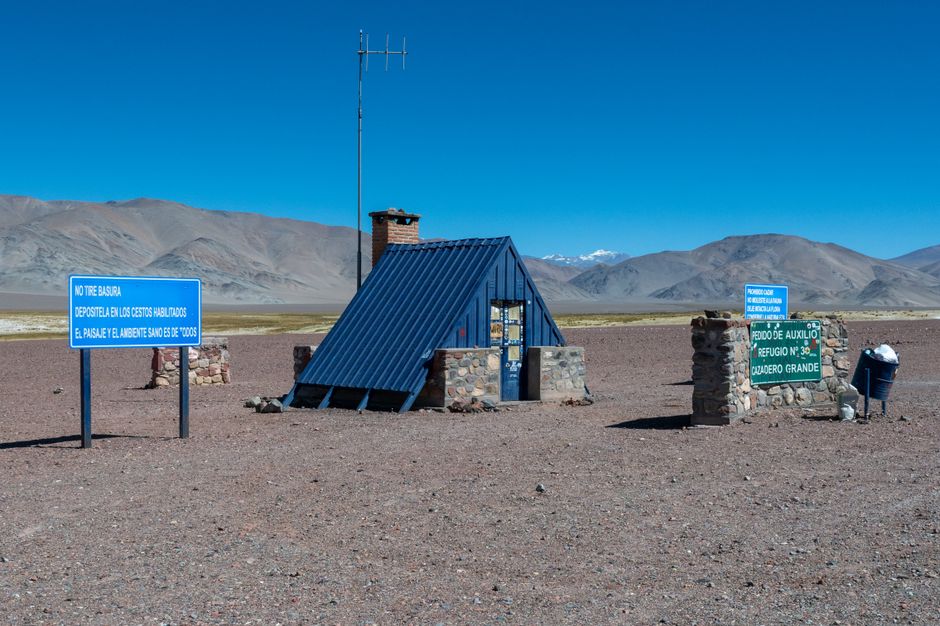
Accommodation on the W is split between two concession operators covering different sides of the park, and prices differ noticeably between them. You must reserve a bed or campsite for every single night before you’re allowed to enter — rangers check bookings at the trailhead.
| Operator / Side | Camping (per person) | Refugio Bed |
|---|---|---|
| Vértice Patagonia (west) | around $12–14 | around $43–105 |
| Las Torres Patagonia (east) | around $40–90 | around $207–640 |
Renting camping gear (tent, sleeping bag, mat) from the operators saves you from flying it down, but it adds up — expect roughly $30–40 USD per person per night on top of the campsite fee if you go that route instead of carrying your own kit.
Booking works through each operator’s own website, and the two systems don’t talk to each other — you’ll likely end up juggling two separate reservation confirmations for one trip, one for the eastern nights and one for the western nights. Print or screenshot both before you fly, since rangers at Laguna Amarga check paper or phone confirmations, not just names on a list. Most refugios also sell simple dinners and box lunches, so you can hike lighter and skip carrying a stove if your budget allows for the markup.
Enjoying This?
Get more guides like this — plus flight deals — sent straight to your inbox.
Best Time to Hike and How Far in Advance to Book
The trekking season runs November through March, with December and January the warmest but busiest and windiest months, and shoulder months like November and March trading a bit of stability for thinner crowds. Whichever month you pick, book early: reservation windows for the following season typically open months ahead, and the cheapest campsite and dorm-bed slots for December–February sell out within days of release.
Wind is the defining hazard, not cold — gusts can make river crossings and exposed ridgelines genuinely dangerous, and they’re strongest in January. Layering is more useful here than heavy insulation; expect four seasons of weather in a single afternoon.
What to Pack for the W Trek
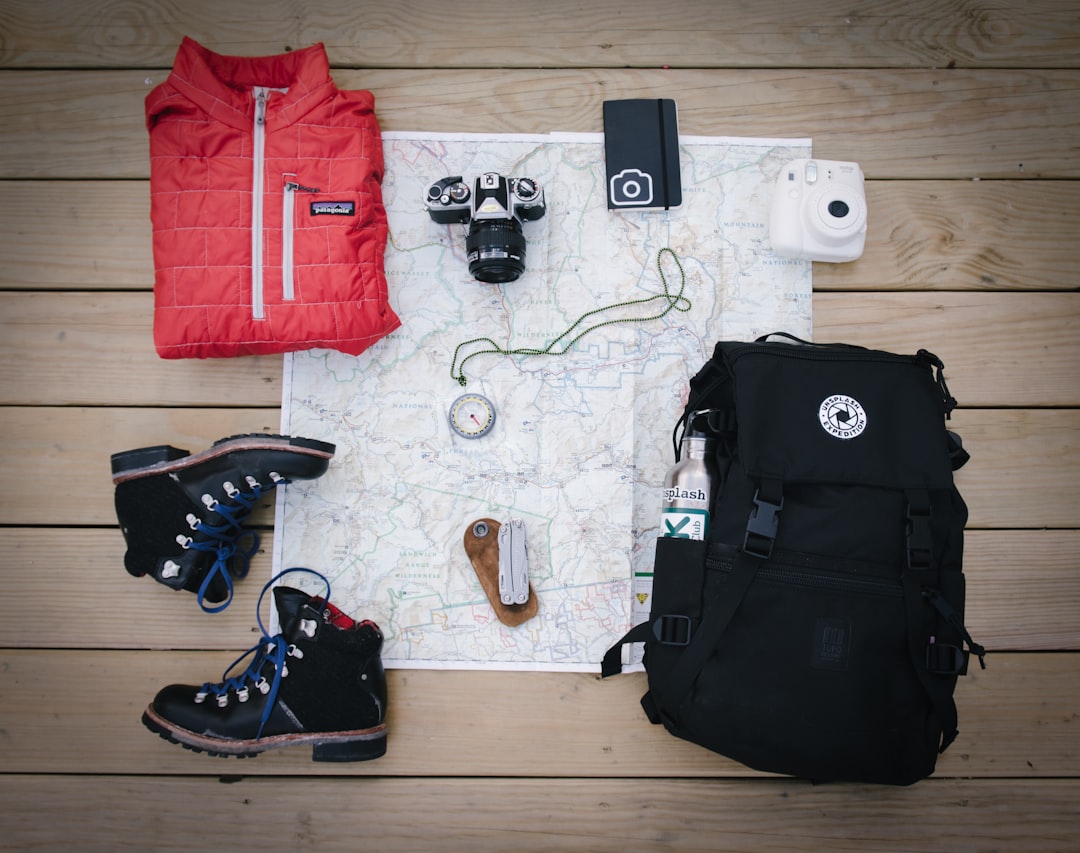
Because refugio meals and rentals are limited and expensive, most of what you need should come from home. A tight, tested packing list matters more here than on almost any other trek we cover:
- Waterproof, broken-in hiking boots — river crossings and mud are routine even in summer
- A wind-resistant hard-shell jacket, not just a rain poncho, for the exposed ridgelines
- A 4-season-rated sleeping bag liner if you’re camping in December or January’s high winds
- A headlamp for the pre-dawn push to Mirador Las Torres on the final day
- Cash in Chilean pesos — card machines at remote refugios are unreliable
- A lightweight water filter or purification tablets, even though most glacial streams are drinkable untreated
- Blister prevention (tape, moleskin) applied before hot spots form, not after
Multi-day trekking at altitude in a remote national park is exactly the scenario where a standard travel policy falls short on evacuation and gear coverage — EKTA is built specifically for adventure-sport trips like this one. If you want a broader comparison of what deductibles and evacuation limits actually mean before you buy, we break it down in our adventure sports travel insurance guide.
If the W leaves you wanting more exposed, adrenaline-heavy terrain afterward, our beginner’s guide to Via Ferrata in the Dolomites is a good next multi-day mountain trip to plan.
Independent vs Guided: Total Cost Breakdown
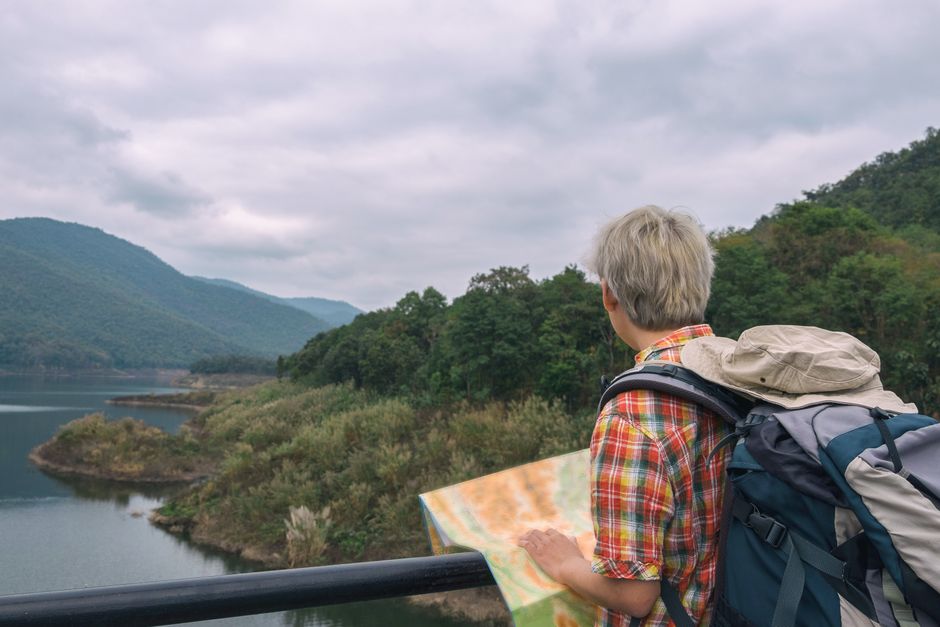
Hiking the W independently — arranging your own refugio bookings, buses, and the park entrance — typically runs around $230–250 USD per person just in park fees, transport, and the catamaran crossing, before food and any gear rental. Add roughly $300–500 USD for four nights of budget camping or mixed camping/refugio stays, and independent hikers often complete the full trip for somewhere between $700–1,200 USD excluding international flights.
Guided multi-day packages that include meals, refugio beds, and a bilingual guide generally start around $1,800–2,500 USD per person for the same 5-day route. The trade-off is logistics: a guide handles bookings, river-crossing calls in bad weather, and pacing, which matters if this is your first multi-day trek without support.
Frequently Asked Questions
How many days do you need for the W Trek?
Most hikers need 5 days and 4 nights to complete the full route comfortably. Strong, experienced hikers can compress it to 4 days by combining the first two legs into one longer day.
Do you need a guide to hike the W Trek?
No — the trail is well marked and refugios sell basic meals, so independent hiking is common. You do still need confirmed accommodation reservations for every night before entering the park.
How much does the W Trek cost in total?
Independent hikers typically spend $700–1,200 USD for park fees, transport, the catamaran, and 4 nights of camping or mixed accommodation, not including international flights. Guided packages start around $1,800–2,500 USD per person for the same route.
Is Torres del Paine safe for solo hikers?
Generally yes on the W, since the trail sees heavy foot traffic and refugios are staffed. The main risks are weather-related — strong wind and sudden temperature drops — rather than wildlife or crime, so pack layers and check forecasts daily.
What’s the difference between the W Trek and the O Circuit?
The W covers the park’s three signature viewpoints in about 80km over 5 days, while the O Circuit adds a remote back side of the massif for a full loop, usually taking 7–10 days with fewer services and no exit until the loop is finished.
Do I need to book refugios in advance?
Yes — every night in the park requires a confirmed reservation with one of the two concession operators, checked at the trailhead. For December–February dates, book as soon as the season’s reservation window opens.
The Bottom Line
The W Trek delivers three of Patagonia’s best views in a route that’s demanding but achievable without technical skills or a guide — as long as you lock in refugio reservations months before you fly. Start with the flight into Santiago and onward to Punta Arenas or Puerto Natales; search routes and fares on Aviasales to find the connection that actually works with the park’s early-morning bus departure, then book your trekking-specific insurance before your gear list is finalized.
Never Miss a Deal
Get the best travel tips, festival guides & flight deals straight to your inbox.

Gbuska is the founder and lead writer at WanderFunTrip. What began as one too many 3 a.m. festival fields and a $40 flight booked on a whim turned into a full-time habit of testing adventure trails, party cities, and adults-only resorts firsthand — then writing up what actually worked (and what didn't). Every guide here starts from a real trip or a real booking, never a press release. Usually somewhere between a departures board and the next cliff jump.