⚡ Heads up: This post contains affiliate links. If you book or buy through them, we may earn a small commission — at no extra cost to you. We only recommend stuff we’d actually use ourselves.
By the WanderFunTrip team · Updated September 2026
TL;DR: Belgrade wins on raw, late, local energy — its splavovi (floating river clubs) run roughly May to September and most charge nothing at the door. Budapest wins on convenience and year-round reliability — the District VII ruin bars are walkable, open in January, and free to enter. Go to Belgrade if you want a 5 a.m. night with locals; go to Budapest if you want a guaranteed good weekend with zero planning.
Two Danube capitals, roughly 380 km apart, both with a reputation for not going to bed. But they earn that reputation in completely different ways. Budapest built its scene inside crumbling Jewish Quarter apartment blocks. Belgrade built its scene on top of the river itself. One is a tightly packed party district you can crawl in flip-flops; the other is spread across two riverbanks and genuinely rewards knowing where you’re going. This guide compares both on price, season, crowd, door policy and how you actually get home — so you can book the right one instead of the closer one.
Belgrade vs Budapest: which city should you party in?
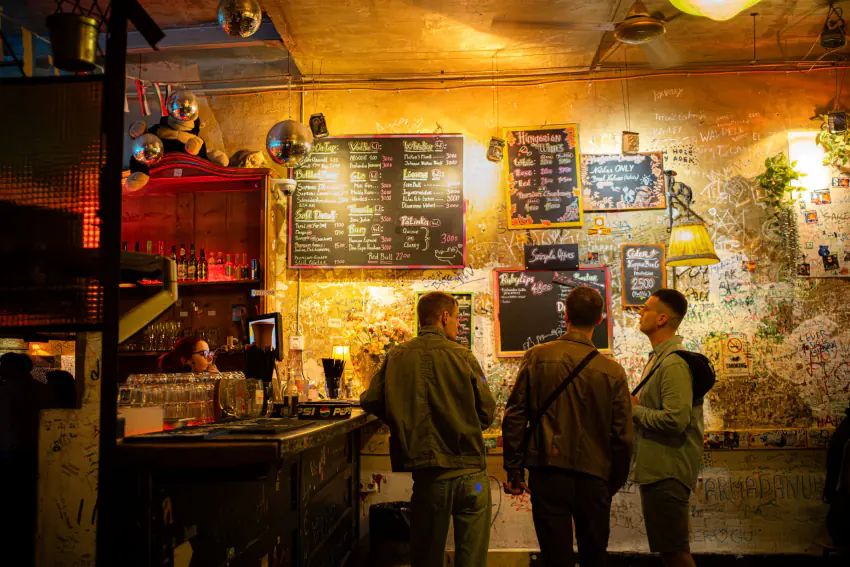
[IMAGE]
Pick Belgrade if you want cheaper drinks, later nights and a scene that’s still mostly local; pick Budapest if you want everything within a ten-minute walk and a party that doesn’t switch off in winter. That’s the honest one-line answer, and almost everything below is a footnote to it.
The structural difference matters more than any venue list. Budapest’s nightlife is concentrated: District VII, the old Jewish Quarter, packs ruin bars, clubs, late-night food and hostels into a grid of maybe eight streets. You can arrive with no plan at 10 p.m. and have a great night by accident. Belgrade’s nightlife is distributed: the splavovi are strung along the Sava and Danube banks, Savamala sits under the bridges, Beton Hala faces the water below the fortress, and Cetinjska hides in an old brewery courtyard. No plan means a lot of walking.
The second difference is seasonal. Belgrade effectively has two nightlife cities. From around May to September the river clubs dominate, with peak nights Thursday through Sunday. From October to April the same crowd moves indoors to Savamala, Beton Hala and the centre — still good, but the postcard version is gone. Budapest barely notices the calendar.
| Belgrade | Budapest | |
|---|---|---|
| Signature venue | Splavovi — floating clubs on the Sava & Danube | Ruin bars in District VII courtyards |
| Best season | Approx. May–September (river season) | Year-round; peak May–September |
| Typical door charge | Often free on the list; paid only for guest DJs | Ruin bars free; club rooms usually a small cover |
| Crowd | Mostly Serbian; dressed up | Heavily international; casual |
| Getting home | Cheap taxis / ride apps (essential — venues are spread out) | Walk, or a dense night bus & tram network |
| Best for | Summer river parties, house/techno, sunrise finishes | Bar crawls, first-timers, winter weekends, big groups |
What is Belgrade nightlife actually like in 2026?
[IMAGE]
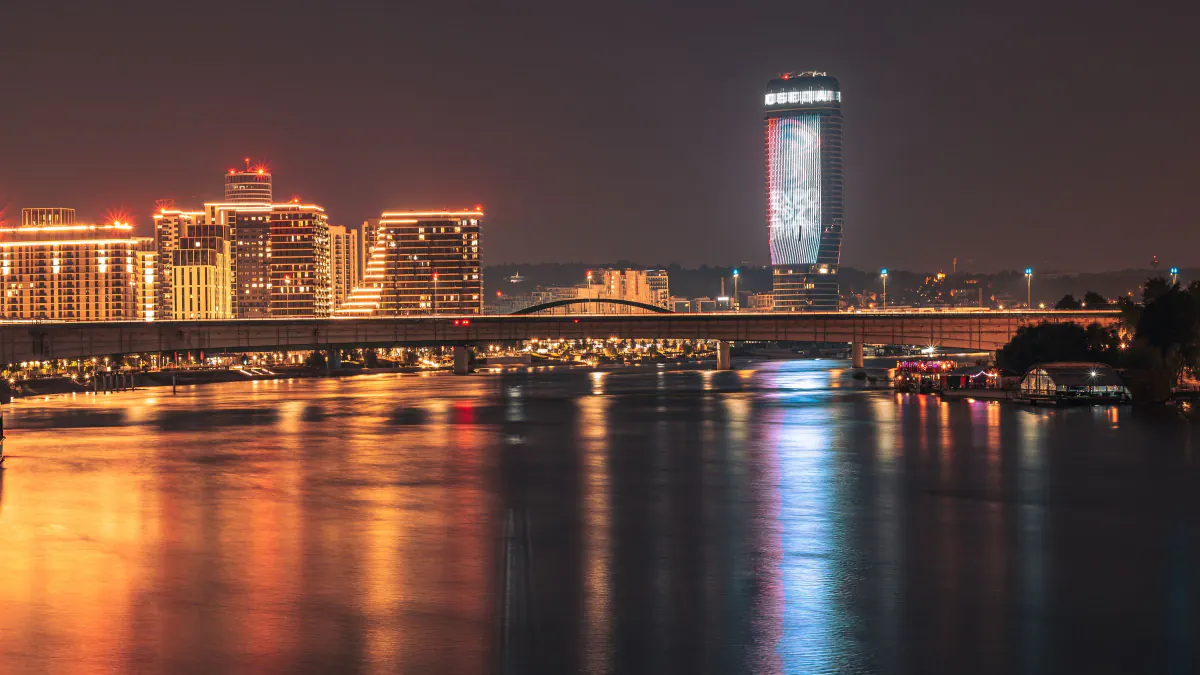
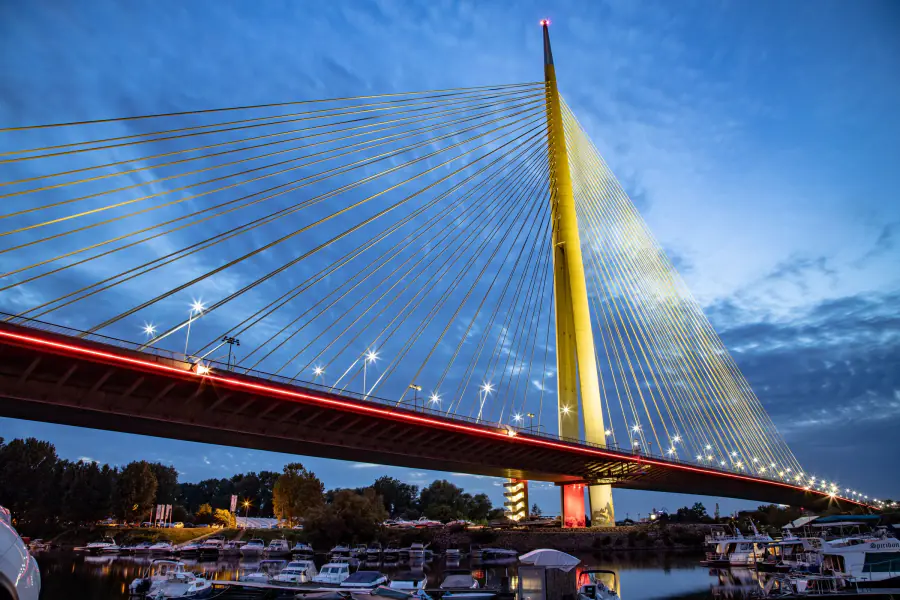
Belgrade nightlife is a river scene with an indoor backup plan — the splavovi are the main event, and almost everything else in the city is built around getting to them or recovering from them. These are permanently moored floating venues on the Sava and Danube, most running roughly May through September, with proper sound systems, outdoor terraces and dance floors that face the water.
They are not interchangeable. A rough map of what you’ll find:
- Techno and house splavovi — the serious end of the river, where the crowd is there for the DJ, not the bottle service. 20/44 is the long-running reference point.
- Turbo-folk and domestic-pop splavovi — enormously popular with locals, loud, and genuinely fun if you commit. Tables get booked out on Fridays and Saturdays.
- Commercial/mainstream splavovi — RnB, hip-hop and chart music, big capacities, more dressed-up crowds.
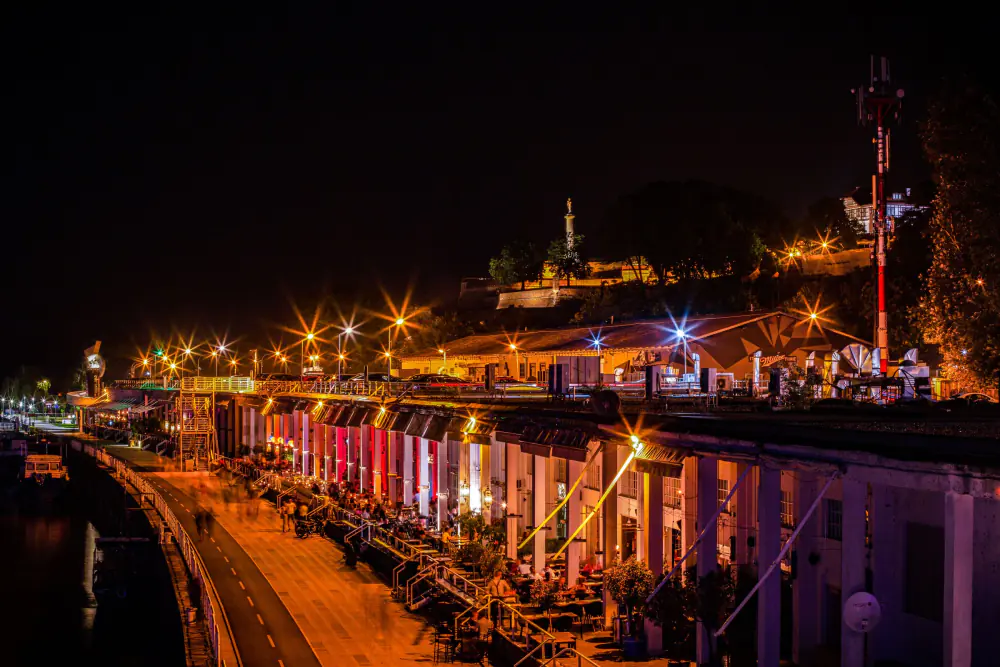
Off the water, Savamala is the raw industrial district under the bridges: cocktail bars, lounges and underground clubs close enough together to hit three in a night. Beton Hala, on the waterfront below Kalemegdan Fortress, is the polished pre-party strip — better dressed, pricier, locals in their late twenties to forties. Cetinjska, a courtyard in a former brewery near Republic Square, is the indie/alternative pocket and the reliable winter option. And Drugstore, in a converted industrial building, is where the after-hours techno crowd ends up.
Two things catch people out. First, timing: Belgrade genuinely starts late, and a splav at midnight can look half-empty. Aim for 1 a.m. Second, the door: most venues don’t charge, but they do run guest lists, and turning up as a group of ten men at 2 a.m. is the fastest way to be told it’s full. Message the venue on Instagram earlier in the day — that’s how locals do it, and it works. Our complete Belgrade nightlife guide to the splavovi and Savamala goes venue by venue if you want the long version.
What is Budapest nightlife actually like in 2026?
[IMAGE]
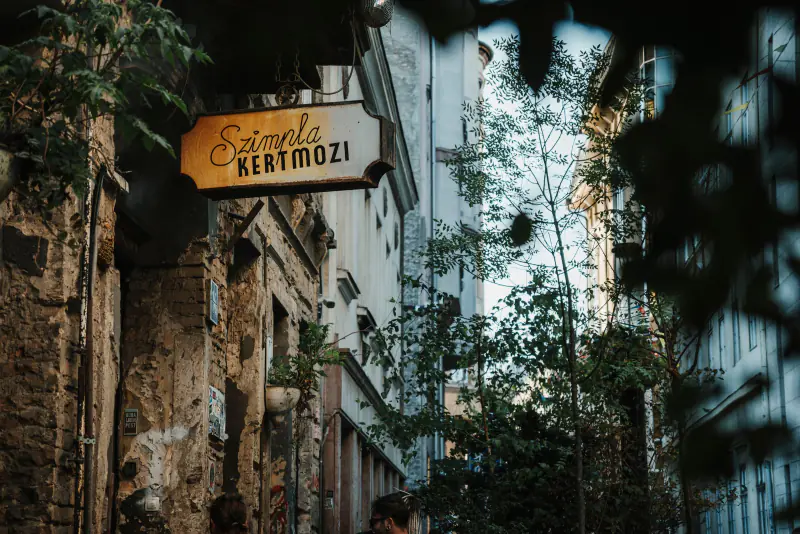
Budapest nightlife is a walkable bar crawl built inside abandoned buildings — the ruin bar model, and it’s still the best low-effort night out in Central Europe. The template started at Szimpla Kert on Kazinczy utca 14 in District VII: a derelict apartment block filled with mismatched furniture, bathtub seating, garden courtyards and live music, with free entry and no dress code. Expect a 10–20 minute queue on Friday and Saturday nights.
Szimpla is the landmark, not the destination. The point of District VII is that you leave it. Within a few minutes’ walk you get:
- The Instant–Fogas complex on Akácfa utca — several floors and courtyards of connected club rooms under one roof, each with a different genre. This is the closest Budapest gets to a megaclub.
- Smaller ruin bars and courtyard spots that fill the gaps between the famous names and are usually cheaper and calmer.
- Late-night street food — the lángos and kebab stands that keep the district functioning past 3 a.m.
Beyond the Jewish Quarter, Akvárium Klub under Erzsébet tér handles live gigs and club nights in the centre, and the A38 — a converted Ukrainian stone-carrier ship moored on the Danube — is Budapest’s answer to a splav, with a strong booking policy and a genuinely good room. In summer, the outdoor kertek (garden bars) on Margaret Island and the Buda side open up.
The honest downside: District VII is a stag-do magnet. Peak Saturday nights on Kazinczy utca can feel like a theme park version of itself, and drink prices on that street reflect it. The fix is simple — start at Szimpla for the photo, then walk two streets out. The other thing worth knowing is the sparty (thermal bath party) circuit, which runs at some of the city’s bath complexes on select nights; tickets sell out ahead, so check dates before you fly rather than the day of.
Enjoying This?
Get more guides like this — plus flight deals — sent straight to your inbox.
Which city is cheaper for a full night out?
[IMAGE]
Belgrade is usually cheaper once you add up the whole night, mostly because entry is free far more often and taxis cost very little — but Budapest’s tourist-street beer prices are misleading, and stepping two blocks off Kazinczy utca closes most of the gap. Both cities are dramatically cheaper than Berlin, Amsterdam or Barcelona for the same quality of night.
Neither country uses the euro. Serbia runs on the dinar (RSD), Hungary on the forint (HUF), and both are cash-friendly but card-normal. Figures below are approximate for 2026 and move with exchange rates — treat them as ratios, not receipts.
| What you pay for | Belgrade (approx) | Budapest (approx) |
|---|---|---|
| Local beer, normal bar | around €2.50–3.50 | around €2–4 |
| Cocktail, decent venue | around €6–9 | around €7–11 |
| Club entry | often free; guest DJs charge | ruin bars free; club rooms small cover |
| Cross-town ride at 4 a.m. | cheap — and you’ll need several | often €0 — you walk |
| Hostel bed, weekend | low | low, but books out fast in summer |
Two money traps worth naming. In Belgrade, table minimums on busy splavovi can turn a free-entry night into an expensive one — ask what the table costs before you sit down. In Budapest, avoid unsolicited “come to my bar” street invitations in District V and VII; the classic overcharging scam still exists. Pay by card where you can, and check the bill.
How do you get there — and home at 5 a.m.?
[IMAGE]
Both cities are cheap to fly into and awkward to leave at dawn, so the transfer is worth sorting before you land. Belgrade Nikola Tesla (BEG) sits around 18 km from the centre; Budapest Ferenc Liszt (BUD) is around 16 km out. Budget carriers serve both heavily from across Europe, and fares swing hard by day of week — compare flight prices to Belgrade and Budapest across a few dates rather than locking in a Friday-to-Sunday by default. Midweek arrivals are routinely cheaper, and Belgrade’s river season doesn’t care that it’s a Wednesday.
One border detail people miss: Serbia is not in the EU or the Schengen Area; Hungary is. That means a passport check on the Belgrade leg, separate roaming rules, and a real land border if you drive or take the bus between the two. Budget extra time.
For the arrival itself, a pre-booked airport pickup with an English-speaking driver is the single best €20-ish you can spend on a party trip — a fixed price beats negotiating with an airport taxi at 1 a.m. in a currency you’ve had for eleven minutes, and it’s the classic overcharging point in both cities. And if the budget airline does what budget airlines do, a long delay or cancellation on an EU-departing flight can be worth real money: check whether your delayed flight qualifies for compensation before you write the day off.
Getting home after the night out is where the two cities properly diverge:
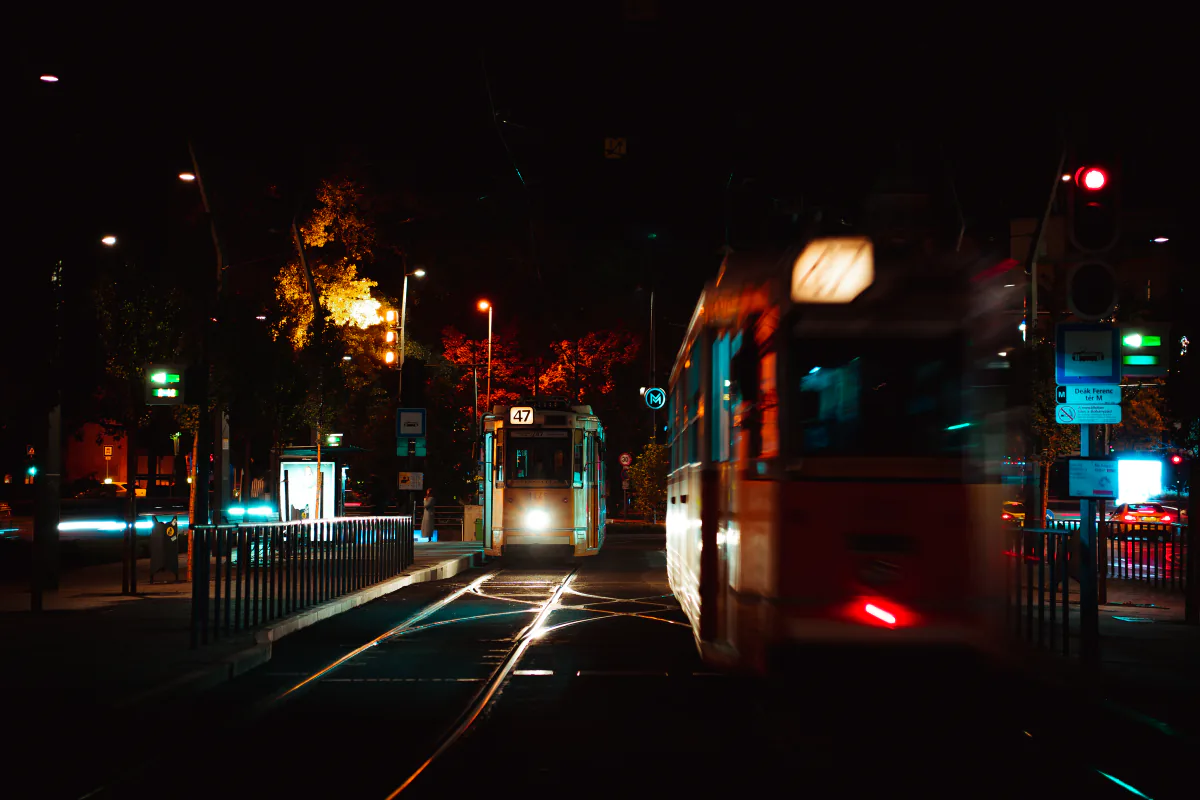
- Budapest: most nights end on foot. If not, the night bus and tram network is dense and runs through the small hours.
- Belgrade: plan on ride-hailing. Distances between the splavovi, Savamala and the centre are too far to walk, night buses are limited, and local apps are cheap and reliable. Never take an unmarked “taxi” idling outside a club.
Frequently asked questions
Is Belgrade or Budapest better for a stag or hen weekend?
Budapest, by a wide margin — District VII is walkable, most venues are free to enter, English is spoken everywhere, and the whole district is built for groups. Belgrade is better if your group wants an authentic local scene rather than a party package, but big all-male groups do get turned away from splavovi. Split into pairs at the door.
What’s the best month to visit for nightlife?
June to early September for Belgrade, because that’s when the river clubs are open and outdoors. Budapest works all year, but late spring and early autumn hit the sweet spot: garden bars are open, the heat is manageable, and hostel prices haven’t peaked. Avoid Belgrade in January if the splavovi are the reason you’re going.
Can I do Belgrade and Budapest in one trip?
Yes — they’re roughly 380 km apart with regular buses and a rail connection, or a short flight. Because Serbia sits outside Schengen, a multi-city booking is usually simpler than two separate returns; search multi-city routes combining both capitals and compare it against a bus leg in the middle. Give yourself at least three nights per city, since both start late.
Is it safe to go out at night in both cities?
Both are broadly safe for nightlife by European standards, with the usual caveats: watch your drink, keep your phone in a zipped pocket in crowds, and use licensed rides. In Belgrade the main risk is a scam taxi; in Budapest it’s the inflated-bill bar scam pitched by street promoters. Violent incidents are uncommon in both.
Do clubs have a dress code?
Belgrade splavovi and Beton Hala lean smart-casual — locals dress up, and sportswear will get you refused at the mainstream venues. Budapest ruin bars have essentially no dress code; jeans and trainers are standard. If you’re packing for both, bring one decent outfit and you’re covered.
Which city has better festivals?
Budapest, since Sziget still anchors the Hungarian summer in August on the island. Serbia lost its flagship in 2026 — EXIT relocated from Novi Sad to the Montenegrin coast, which we covered in our first-timer’s guide to EXIT Festival’s move. Belgrade’s strength is weekly club programming, not one big weekend.
The verdict: book the one that matches your energy
[IMAGE]
Choose Budapest if this is your first Central European party trip, if you’re travelling in a group, if it’s winter, or if you want a great night with zero research. Choose Belgrade if you’ve done the ruin bar thing, it’s summer, and you want a night that starts at 1 a.m. on a boat and ends when the sun comes up over the Sava with almost no other tourists around.
If you only have one weekend and you’re genuinely torn: go to Belgrade in July, and go to Budapest in November. That sequencing gets you the best version of each city instead of the off-season version of both.
Whichever way you lean, the flight is the part that decides your budget — everything on the ground in both cities is cheap. Check current fares to Belgrade and Budapest, move your dates a day or two either side of the weekend, and put what you save into a table on the river.
Never Miss a Deal
Get the best travel tips, festival guides & flight deals straight to your inbox.

Gbuska is the founder and lead writer at WanderFunTrip. What began as one too many 3 a.m. festival fields and a $40 flight booked on a whim turned into a full-time habit of testing adventure trails, party cities, and adults-only resorts firsthand — then writing up what actually worked (and what didn't). Every guide here starts from a real trip or a real booking, never a press release. Usually somewhere between a departures board and the next cliff jump.


