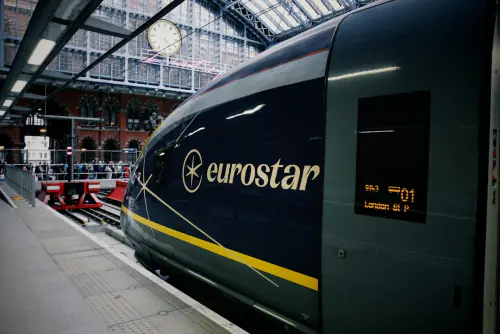
⚡ Heads up: This post contains affiliate links. If you book or buy through them, we may earn a small commission — at no extra cost to you. We only recommend stuff we’d actually use ourselves.
By the WanderFunTrip editorial team — updated 11 September 2026. Fee ranges verified against each airline’s published 2026 policy pages.
TL;DR: Both airlines include one free 40 × 30 × 20 cm under-seat bag in every fare in 2026. Wizz Air caps that free bag at 10 kg; Ryanair publishes no weight limit on it. A 20 kg hold bag costs roughly €19–60 online per leg on Ryanair and roughly €13–86 on Wizz Air, so whichever airline looks cheaper in a search result can flip the moment you add luggage.
The fare you see first is almost never the fare you pay. That’s the whole business model at Europe’s two biggest ultra-low-cost carriers, and in 2026 they’ve converged so closely on free-bag rules that the real decision has moved somewhere else entirely — into the cost of the second bag, the gate fee, the seat, and the subscription they’d like to sell you.
We’ve pulled apart both fee structures as they stand in September 2026 so you can work out which airline is genuinely cheaper for your bag, not for a hypothetical passenger travelling with nothing. Fair warning: the answer changes depending on whether you’re a one-backpack weekender or someone who checks a suitcase.
[IMAGE]Ryanair vs Wizz Air: Which One Actually Costs Less in 2026?
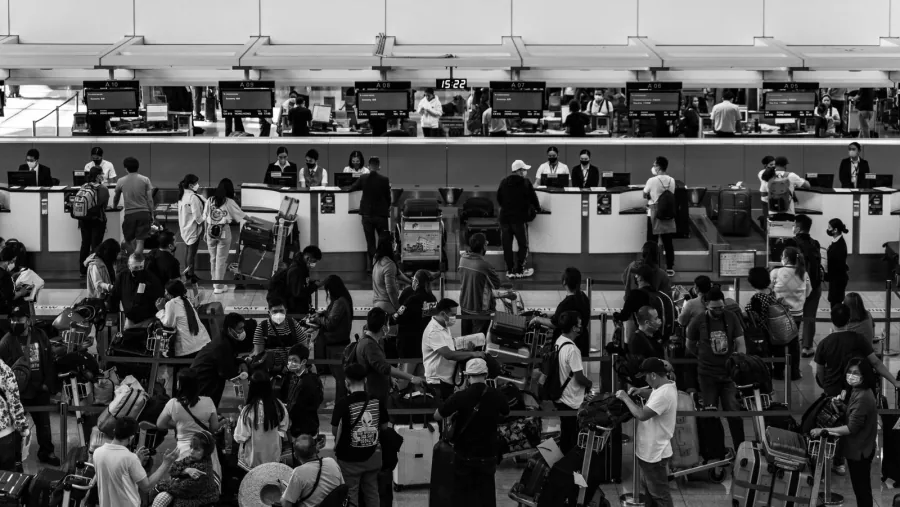
Neither airline is reliably cheaper — Wizz Air usually wins on the base fare and the cheapest hold-bag tier, while Ryanair tends to win on free-bag flexibility and route density across Western Europe. Treat them as two different pricing machines rather than a ranked list.
Here’s the structural difference that matters. Ryanair runs a huge, dense network with very high aircraft utilisation and prices its add-ons in fairly predictable bands. Wizz Air leans harder into dynamic pricing: the same 20 kg bag can cost a few euros on a quiet Tuesday in February and close to €90 on a peak August route. That volatility cuts both ways. If you’re flexible, Wizz can be remarkably cheap. If you’re locked into school holidays, Ryanair’s more stable add-on pricing often ends up lower.
The second difference is geographic. Wizz Air is strongest on Central and Eastern Europe, the Balkans, the Caucasus and an expanding set of Middle East routes. Ryanair dominates Ireland, the UK, Spain, Italy and Poland with far more daily frequencies. On many city pairs you simply won’t have a choice — and where you do, comparing them properly means pricing the total basket, not the headline.
One genuinely new factor in 2026: the provisional EU261 reform deal reached on 15 June 2026 keeps the existing three-hour delay threshold and the €250/€400/€600 compensation scale, and adds a requirement that the advertised price must include a cabin-bag allowance. Those rules are expected to apply from 2027, not immediately — so for flights you’re booking now, the old fee games still run. If you want to scan both carriers side by side on a single route, a metasearch tool is the fastest route: we use Aviasales to compare low-cost fares across Europe before going direct to the airline to add bags.
[IMAGE]What Do You Get for Free — and What Costs Extra?
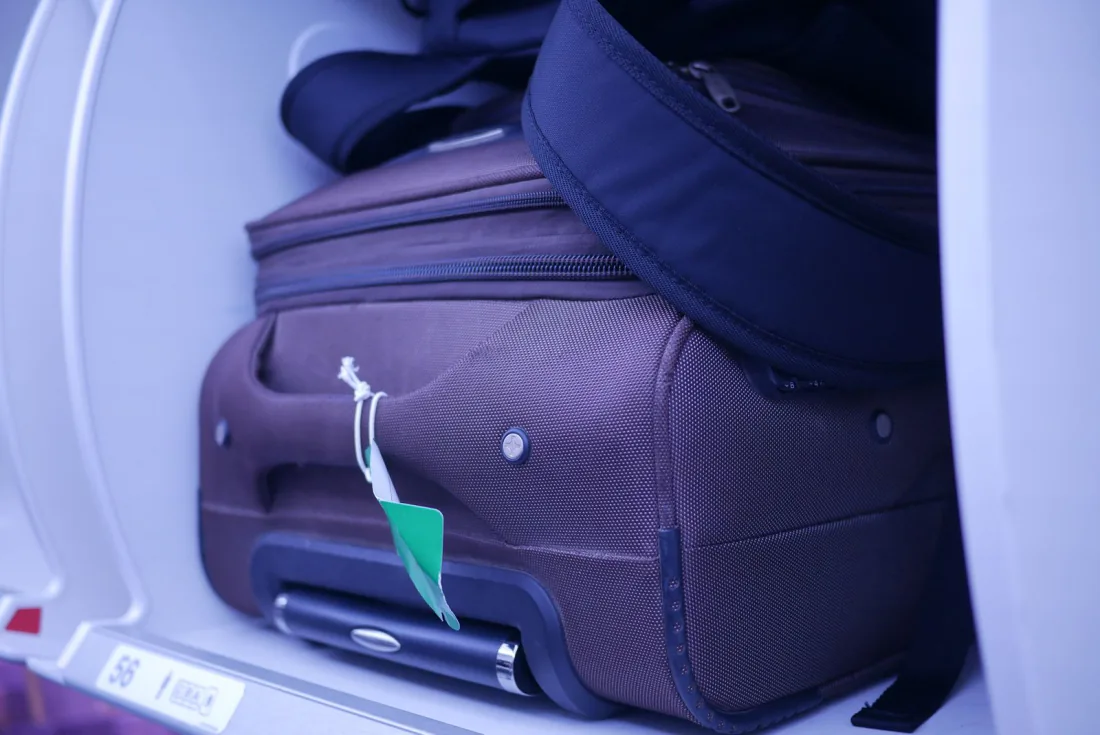
In 2026, every fare on both airlines includes exactly one small under-seat bag measuring 40 × 30 × 20 cm — and nothing else. No tray-table drink, no seat choice, no overhead-bin trolley.
Ryanair moved to the 40 × 30 × 20 cm free bag on 4 September 2025, up from the older and notably meaner 40 × 20 × 25 cm shape, bringing it in line with the EU’s voluntary minimum. Wizz Air landed on the same dimensions. The difference hides in the fine print:
- Weight: Wizz Air caps the free carry-on at 10 kg. Ryanair publishes no weight limit on the free personal bag — useful if you’re carrying a laptop, camera gear and a water bottle.
- Depth of the paid trolley: Ryanair’s Priority cabin bag is 55 × 40 × 20 cm. Wizz Air’s is 55 × 40 × 23 cm. A trolley bought to Wizz spec can fail Ryanair’s gate sizer by three centimetres.
- Measurement: both measure including wheels and handles. Soft-sided bags that bulge when packed are the single most common gate failure.
Everything else is unbundled on both: seat selection, the second cabin bag, hold luggage, priority boarding, check-in timing changes, and name corrections. Ryanair also went fully paperless on 12 November 2025 — there’s no printable boarding pass any more, only the digital one generated in the myRyanair app at check-in. Practically, that means a dead phone battery is now a real operational risk rather than an inconvenience, so a power bank has quietly become mandatory kit. Our guide to how European carriers enforce their own fare rules covers what happens when you get the small print wrong.
[IMAGE]How Much Does a Checked Bag Really Add to Your Fare?
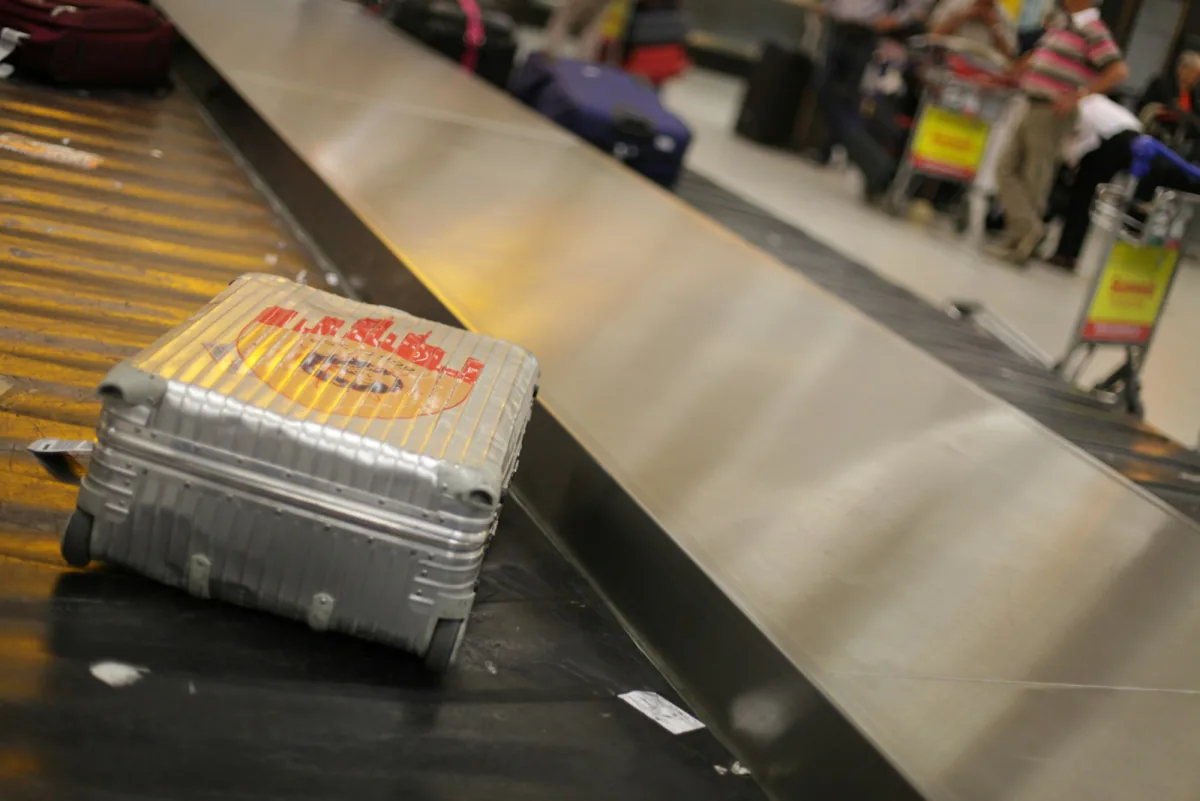
A 20 kg hold bag costs roughly €19–60 per leg on Ryanair and roughly €13–86 per leg on Wizz Air when bought online — and both figures double or worse if you leave it until the airport.
Those are per-leg numbers. A return trip for two people with one checked bag each can easily add €80–240 to a booking that advertised itself at €24.99. Here’s how the main charges compare as of September 2026:
| Ryanair | Wizz Air | |
|---|---|---|
| Free under-seat bag | 40 × 30 × 20 cm, no published weight cap | 40 × 30 × 20 cm, max 10 kg |
| Paid cabin trolley (10 kg) | 55 × 40 × 20 cm, via Priority | 55 × 40 × 23 cm, via WIZZ Priority |
| 20 kg hold bag (online) | approx €19–60 per leg | approx €13–86 per leg |
| Heavier tier | Second bag can be added; 20 kg is the standard tier | 26 kg tier, approx €16–94 per leg |
| Bag bought at the airport | around €75 at bag drop | substantially above online rate |
| Oversized bag at the gate | around £70–75 | around €65 |
| Excess weight | charged per kg over the tier | approx €13 per kg, per flight |
The pattern is clear: Wizz Air’s floor is lower but its ceiling is much higher, and its €13-per-kg excess charge punishes an overweight suitcase brutally — five kilos over is roughly €65 each way. Ryanair’s band is narrower. If you’re booking far ahead on an off-peak route, Wizz usually wins; in peak season, bet on Ryanair.
[IMAGE]Enjoying This?
Get more guides like this — plus flight deals — sent straight to your inbox.
Which Hidden Fees Catch Travellers Out Most?
The gate bag fee is the single most expensive mistake on both airlines — around £70–75 on Ryanair and around €65 on Wizz Air for a bag that doesn’t fit the sizer, charged on the spot, per flight.
It’s also entirely avoidable. These are the charges that actually drain budgets, ranked by how often travellers get hit:
- Oversized cabin bag at the gate. Packed soft bags bulge. Test yours at home against the exact dimensions, wheels and handles included, when it’s full.
- Adding luggage after booking. Both airlines price add-ons higher post-booking. Decide your bags at checkout, not the night before.
- Buying a bag at the airport. Ryanair’s bag-drop purchase lands around €75 — often more than the fare itself.
- Excess weight. Wizz’s approx €13/kg is the harshest single line item in this comparison. A cheap luggage scale pays for itself on one trip.
- Seat selection creep. Optional on both, but if you want to sit with a travel companion you’ll usually pay per seat, per leg.
- Name corrections and date changes. Expensive on both, and largely unavoidable once made.
- Airport transfers you didn’t budget for. Both airlines fly to secondary airports — Ryanair especially. A €19 fare into an airport 90 minutes from the centre isn’t a €19 fare.
That last one deserves emphasis. Check the actual airport code before you celebrate a deal, and price the ground leg. Also worth knowing: when a flight is delayed three hours or more for reasons within the airline’s control, EU261 compensation of €250–€600 applies regardless of how little you paid for the ticket. Budget carriers rarely volunteer this. If you’ve had a cancellation or long delay in the past few years, check whether your flight qualifies for EU261 compensation — a single successful claim can outweigh a year of baggage fees.
[IMAGE]Is Priority or a Subscription Worth It for Your Trip?

Priority boarding is worth buying only when you genuinely need the 10 kg overhead trolley — as a boarding-queue perk alone, it rarely justifies the cost. Subscriptions make sense at roughly four or more return trips a year, and almost never below that.
Run the arithmetic rather than the vibe. Ryanair’s Priority with a cabin bag typically sits in the high single digits to low teens in euros per leg; Wizz Priority is comparable. For a two-night city break where everything fits under the seat, that’s pure margin for the airline. For a week away, Priority is usually cheaper than a hold bag and you skip the carousel entirely — which is the actual win.
Wizz Air’s subscription tiers as of 2026:
- WIZZ Discount Club Light — free, no fare or bag discounts, onboard coupons and promos only.
- Standard — around €59.99/year, with roughly €5 off per checked bag plus discounted fares. A group “Standard Plus” for five travellers runs around €99.99/year.
- Premium — around €349.99/year, adding priority boarding with a trolley, premium seat selection and extra legroom for up to two passengers.
- WIZZ MultiPass — a monthly subscription with a higher first-month fee, then a fixed monthly charge across a 12-month commitment. Built for commuters on fixed routes, not opportunistic travellers.
The break-even on Standard is roughly two or three return trips with luggage. Premium and MultiPass only pay off if you’re flying monthly on Wizz-heavy corridors — and they lock you into one airline, which is the opposite of how you find cheap flights. Ryanair has no direct equivalent subscription, which simplifies the decision: on Ryanair you’re buying per-trip or nothing.
If your itinerary strings together several cities, a single-carrier subscription is usually the wrong tool. Mixed-airline routing often beats it outright — Kiwi.com’s multi-stop search combines carriers that don’t sell connecting tickets to each other, which is how most of the genuinely cheap Europe loops get built. See also our breakdown of multi-city and stopover flight hacks.
[IMAGE]Frequently Asked Questions
Is Ryanair or Wizz Air cheaper overall?
It depends on your bags and dates. Wizz Air typically has the lower base fare and the cheapest hold-bag entry price (from around €13 per leg), but its dynamic pricing peaks much higher than Ryanair’s. For peak-season travel with luggage, Ryanair’s narrower fee bands usually come out cheaper.
Can I use the same cabin bag on both airlines?
For the free under-seat bag, yes — both accept 40 × 30 × 20 cm in 2026. For the paid trolley, not always: Ryanair allows 20 cm depth and Wizz Air 23 cm, so a Wizz-sized trolley can fail Ryanair’s gate sizer. Buy to the stricter 55 × 40 × 20 cm spec if you fly both.
Does the free bag have a weight limit?
On Wizz Air, yes — 10 kg. Ryanair publishes no weight limit on the free personal bag, only the size, which makes it the better option for heavy electronics. Both still require the bag to fit under the seat in front of you.
Do I still need a printed boarding pass for Ryanair?
No. Since 12 November 2025, Ryanair issues digital boarding passes only, generated in the myRyanair app during check-in. Paper passes are no longer printable, so check in before you reach the airport and carry a charged phone or power bank.
What happens if my bag doesn’t fit the gate sizer?
It goes into the hold and you pay on the spot — around £70–75 on Ryanair or around €65 on Wizz Air, charged per flight, not per booking. There’s no negotiation at the gate, so test your packed bag against the published dimensions before you leave home.
Can I claim compensation if a budget flight is delayed?
Yes. EU261 applies to low-cost carriers exactly as it does to full-service airlines: €250–€600 depending on distance, for delays of three hours or more caused by the airline. The June 2026 provisional reform deal keeps both the three-hour threshold and that compensation scale, with the new rules expected to apply from 2027.
[IMAGE]The Verdict: Choose by Your Bag, Not by the Fare
There’s no universal winner here, and any article claiming otherwise is guessing. The honest decision rule is short: travelling with only an under-seat bag and heavy electronics? Ryanair, because of the missing weight cap. Booking off-peak and flexible with dates? Wizz Air, because its floor is lower. Flying peak season with a checked suitcase? Ryanair, because Wizz’s ceiling and €13/kg excess charge are punishing. Flying the same Central or Eastern European route monthly? Wizz Air with a subscription.
Whichever you pick, the discipline is identical — decide your bags at checkout, weigh them at home, never buy luggage at the airport, and price the transfer from that secondary airport into your total. Do those four things and both airlines stay genuinely cheap.
Next step: run your exact dates through a metasearch comparison first, then add bags directly with the airline. Start by comparing Ryanair and Wizz Air fares on your route — then come back to this fee table before you click confirm, and you’ll know what the trip actually costs.
Never Miss a Deal
Get the best travel tips, festival guides & flight deals straight to your inbox.

Gbuska is the founder and lead writer at WanderFunTrip. What began as one too many 3 a.m. festival fields and a $40 flight booked on a whim turned into a full-time habit of testing adventure trails, party cities, and adults-only resorts firsthand — then writing up what actually worked (and what didn't). Every guide here starts from a real trip or a real booking, never a press release. Usually somewhere between a departures board and the next cliff jump.