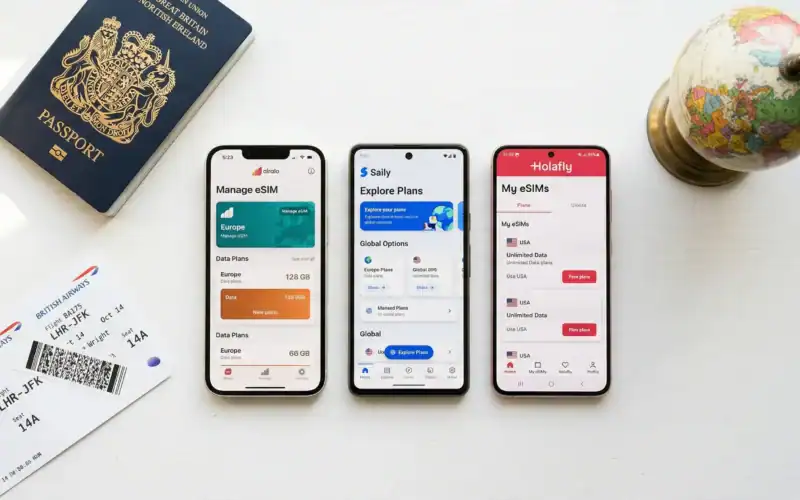
A quick note: some links in this guide are affiliate links — we may earn a small commission if you book through them, at no extra cost to you.
You’ve seen the headlines. A passenger books a flight from New York to Rome with a layover in London — then simply walks off in London and never boards the second leg. The ticket cost $180 less than flying direct. That’s skiplagging in a nutshell.
It sounds almost too clever. And honestly, it kind of is — when done right. When done wrong, airlines can cancel your return ticket, ban your frequent flyer account, or leave you stranded with a checked bag in the wrong city.
This guide breaks down everything you need to know about skiplagging in Europe in 2026: where it works, where it backfires, and how to use it without shooting yourself in the foot.
What Is Skiplagging and Why Does It Work in Europe?
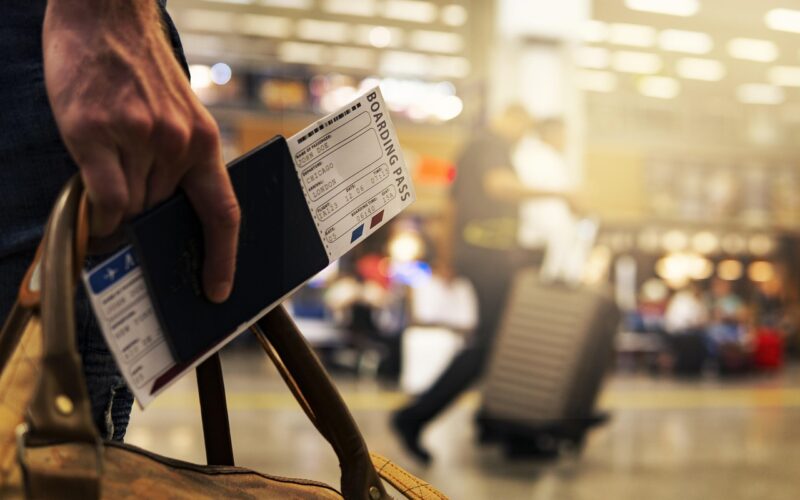
Skiplagging — also called “hidden city ticketing” — exploits a quirk in airline pricing. Airlines often charge less for a connecting flight through a hub city than for a direct ticket to that same hub.
Why? It comes down to competitive pressure on specific routes, hub dominance strategies, and the complex yield management algorithms airlines use to fill seats. On popular point-to-point routes, airlines face intense price competition. But on connecting itineraries routed through their own hubs, they have more pricing flexibility — and sometimes price the full multi-leg journey lower than the single direct hop.
It’s not magic. It’s math. And Europe in 2026 is one of the best places in the world to exploit it.
Here’s why the European market is particularly fertile ground right now:
- Low-cost carrier chaos — Ryanair, Wizz Air, and easyJet are locked in an aggressive price war on direct routes across Europe. In 2026, this competition has intensified on core corridors like London–Barcelona, Dublin–Warsaw, and Milan–Berlin. The result is that budget carrier fares on these point-to-point routes have been driven down so far that legacy carriers like Lufthansa and KLM simply can’t match them on direct pricing. Instead, legacy airlines quietly subsidize their hub-connecting fares to stay competitive — which means a Lufthansa ticket from London to Frankfurt via Amsterdam sometimes undercuts easyJet’s direct London–Amsterdam price. The LCC price war, ironically, is inflating the value of legacy connecting fares for skiplaggers.
- Hub complexity — Frankfurt, Amsterdam, and Paris CDG are massive connecting hubs. Tickets through these cities often undercut tickets to them.
- Currency fluctuations — Booking from non-EU markets (especially USD or GBP) can create wild price gaps right now.
- Post-pandemic network restructuring — After 2022, several European legacy carriers rebuilt their hub networks in ways that created persistent pricing anomalies. Lufthansa, for example, consolidated regional feed routes through Frankfurt and Munich rather than maintaining pre-pandemic point-to-point capacity. KLM similarly deepened Schiphol’s role as the default transit node for Eastern European traffic. This restructuring pushed connecting-fare prices lower on specific hub-routed itineraries — and those gaps have not closed heading into 2026. In fact, new route restructuring at Brussels Airlines and SAS in 2024–2025 opened fresh skiplag windows on Scandinavian and Benelux routes that didn’t exist before. The anomalies are structural, not accidental. They persist because fixing them would require airlines to raise competitive connecting fares — something no airline wants to do publicly.
- Codeshare complexity — When Lufthansa, Brussels Airlines, and Austrian Airlines sell seats on each other’s flights, the pricing logic gets layered. That complexity creates gaps a patient traveler can walk through.
A real example: In March 2025, a London Heathrow → Frankfurt → Krakow ticket on Lufthansa was listed at £89. A London → Frankfurt direct was £134. Same airline, same flight. You’d just skip the Krakow leg.
A few more 2026 route examples worth noting: Amsterdam → London Heathrow direct on KLM runs approximately €95–€115 in spring. But an Amsterdam → London → Dublin itinerary on the same airline sometimes prices at €62–€75 — London as the hidden city. Similarly, Frankfurt → Paris CDG direct on Lufthansa can hit €130, while Frankfurt → CDG → Madrid prices at €85–€95 on the same travel dates. The gap is real and repeatable.
The Real Risks You Need to Understand First
The Non-Negotiables
Let’s be completely honest before you go booking anything.
Checked luggage is the #1 skiplagging killer. If you check a bag, it goes to your final ticketed destination — not your hidden city stopover. You will not get it back until you fly the full route. Only bring a carry-on. No exceptions.
Return tickets are dangerous territory. If you skiplag an outbound leg, the airline may automatically cancel your return ticket. Most airlines treat a no-show on one segment as forfeiture of the rest of the itinerary. This isn’t theoretical — it happens regularly and without warning.
Frequent flyer accounts can get flagged. Lufthansa and British Airways have both been known to deactivate Miles & More or Avios accounts for repeated hidden city bookings. Use this tactic sparingly if your loyalty program matters to you.
It’s not illegal — but it violates terms of service. Airlines can’t arrest you. But they can enforce their contract. Know the difference.
The safest skiplagging setup: one-way ticket, carry-on only, no loyalty number attached.
A Success Story
A reader flying from Dublin to Brussels in October 2024 found a Dublin → Brussels → Warsaw Lufthansa fare for €67 — versus €138 direct. She booked it, packed a single backpack, and walked out of Brussels Airport into the autumn drizzle with €71 still in her pocket. The departure board chimed softly overhead as she cleared the gate, and the faint smell of fresh pastry from a terminal bakery followed her down the corridor. By the time she hit the arrivals hall, the tightness in her shoulders had already released — the relief of a clean exit, no complications, no second glances from staff. Simple, stress-free, done.
A Warning Story
Another traveler tried skiplagging on a round-trip ticket — outbound from London to Amsterdam via Paris CDG, with CDG as the exit. He saved €45 on the outbound. But when he arrived at Schiphol four days later for his return flight, the boarding system flagged a no-show on his earlier Paris → Amsterdam segment. The entire return ticket had been cancelled. The check-in agent’s expression was flat, almost apologetic, as she turned the screen to show him the red cancellation notice. The overhead fluorescents buzzed faintly. Around him, other passengers moved through smoothly while he stood motionless, trying to process what had just happened. He had to buy a last-minute London fare at the desk for €210. The net result: a €165 loss and a very long wait in a very bright airport.
What These Stories Tell You
The difference between those two outcomes is entirely structural. One-way tickets, carry-on only, no loyalty number. Follow that formula and the risks drop dramatically. Ignore it and you’re gambling with money you can’t get back.
Which European Routes Are Worth Skiplagging in 2026

Not every route has a viable skiplag opportunity. You need a price gap large enough to be worth the hassle — ideally €40+ in savings.
Here are route types that consistently show value in 2026:
Through Frankfurt (FRA)
Lufthansa uses Frankfurt as its primary European hub. Tickets from the UK, Scandinavia, or Eastern Europe that connect through Frankfurt frequently undercut direct Frankfurt fares. Good origination points: Copenhagen, Warsaw, Dublin.
Through Amsterdam (AMS)
KLM’s Schiphol hub creates similar dynamics. Budget-to-Amsterdam routes via KLM connections from smaller German cities (Bremen, Hannover) can save €30–60 compared to direct fares from those cities to Amsterdam.
Through Paris CDG
Less consistent, but worth checking if you’re traveling from North Africa or the Middle East with Air France connections.
The Barcelona Trick
Vueling frequently prices Barcelona as a connecting point on routes from South America or the Canary Islands. If you’re heading to Barcelona, sometimes booking a ticket through Barcelona to a smaller Spanish city (like Alicante) on the same Vueling flight costs significantly less.
If you want a deeper framework for choosing which layover cities offer the best hidden-city value — or which hubs are worth building entire itineraries around — our guide to how to choose layover cities for free stopovers covers that in detail.
Best Skiplagging Routes for 2026: Four Concrete Examples
Theory is useful. Concrete examples are better. Here are four specific route setups that have shown consistent skiplag value heading into 2026 — with approximate savings and which carriers to check first.
London Heathrow → Amsterdam via Paris CDG (Air France/KLM)
A direct LHR → AMS ticket on KLM typically runs £95–£120. But a LHR → CDG → AMS itinerary on the same airline group sometimes prices at £65–£75. Paris CDG is your hidden city. You board the Paris flight and walk out at CDG. Savings: roughly £30–£50 depending on timing.
Dublin → Frankfurt via Brussels (Lufthansa/Brussels Airlines)
Dublin → Frankfurt direct on Lufthansa can hit €110–€130 on busy travel dates. A Dublin → Brussels → Frankfurt routing through a Brussels Airlines codeshare sometimes prices at €70–€85. You exit at Brussels. The train into the city center takes 17 minutes flat.
Warsaw → Amsterdam via Copenhagen (SAS/KLM)
Warsaw to Amsterdam pricing spikes during summer. A WAW → CPH → AMS itinerary through SAS can undercut the direct fare by €40–€65. Copenhagen is an excellent hidden city — world-class airport, fast metro into town.
Stockholm → Barcelona via Madrid (Iberia/Vueling)
A Stockholm → Madrid → Barcelona ticket occasionally prices €35–€55 below the ARN → BCN direct. Madrid Barajas is your exit point — Terminal 4 is enormous, so factor in extra time to clear and get to ground transport.
These aren’t guaranteed — airline pricing shifts daily. But they represent route structures worth checking repeatedly as your travel date approaches.
How to Find and Book a Skiplag Flight Step by Step

Here’s a practical workflow that works in 2026:
Step 1: Identify your actual destination.
Say you want to fly from Warsaw to Amsterdam.
Step 2: Search for flights that connect through Amsterdam.
Look for routes like Warsaw → Amsterdam → London, or Warsaw → Amsterdam → Lisbon. You’re looking for Amsterdam as the layover, not the destination.
Step 3: Compare the connecting fare to the direct fare.
If Warsaw → Amsterdam direct costs €110, but Warsaw → Amsterdam → London costs €65 on the same or next day, you’ve found a viable skiplag.
Step 4: Book the full itinerary — but only plan to board the first flight.
You pay for both legs. You just don’t fly the second one.
Step 5: Pack only a carry-on.
We said it before and we’ll say it again. Non-negotiable.
Step 6: Don’t check in for the second leg.
Airlines monitor this. Some may rebook your seat if you don’t check in. Just let it go.
Step 7: Leave the airport at your intended stop.
You’re done. Enjoy Amsterdam.
One practical note: always have a backup plan if your connecting flight gets delayed or rerouted. Airlines sometimes change layover airports last minute. Screenshot your original itinerary before traveling.
To find these opportunities, you need tools that show full itinerary pricing across multiple airlines simultaneously. Aviasales is genuinely the best free tool for this — it shows layover cities clearly and lets you compare multi-leg fares in one view. For a broader breakdown of how to use flight search tools effectively, our guide to budget flying in Europe 2026 walks through the full search workflow.
For more complex multi-stop hunting, Kiwi.com lets you construct custom itineraries and often surfaces hidden city opportunities that standard search engines miss completely — especially on less obvious hub combinations.
Enjoying This?
Get more guides like this — plus flight deals — sent straight to your inbox.
Airline Countermeasures: What Lufthansa, KLM, and Ryanair Are Actually Doing in 2026

Airlines know skiplagging exists. The question is how aggressively they’re fighting it — and the answer varies significantly by carrier.
Lufthansa has the most active enforcement posture of any European legacy carrier. Since 2023, Lufthansa has implemented a booking-name cross-check policy that flags accounts showing repeated no-shows on connecting segments. If your Miles & More number is attached to three or more itineraries where a connecting leg was consistently skipped, the account gets flagged for review. This doesn’t always result in immediate suspension, but it can lead to mileage forfeiture or a temporary freeze. The practical countermeasure is simple: don’t attach a loyalty number to skiplag bookings. Lufthansa’s general conditions of carriage (publicly available on their website) explicitly state that passengers who intentionally skip segments may have their ticket voided without refund.
KLM takes a slightly different approach. Their enforcement mechanism is more baggage-focused than account-based. KLM’s system flags itineraries where a passenger checks in for a first leg but doesn’t retrieve a checked bag at the final destination — a pattern consistent with hidden city exits. For carry-on-only travelers, this flag never triggers. Their Flying Blue terms similarly prohibit intentional no-shows, but enforcement against account-level skiplagging has been less aggressive than Lufthansa’s in practice.
Ryanair doesn’t have a hub-and-spoke model to exploit, so traditional skiplagging barely applies. However, they do have a strict terms clause stating that failure to board any flight in a multi-sector booking may result in cancellation of subsequent flights without refund. They enforce this automatically and immediately — no discretion, no appeal process. If you book a Ryanair two-sector fare as a skiplag, expect the second leg to vanish the moment you no-show on the first.
Skiplagging With Low-Cost Carriers: A Different Game
Ryanair, Wizz Air, and easyJet are a completely different beast. They don’t interline with other airlines. They don’t have traditional hub-and-spoke models. And they price almost everything point-to-point.
That said, there are some LCC skiplagging plays:
Ryanair multi-sector bookings. On a few routes, Ryanair prices a two-sector fare (e.g., Edinburgh → Dublin → Tenerife) below the Edinburgh → Dublin direct. It’s rare, but it exists. Check manually.
Wizz Air and Bucharest. Wizz uses Bucharest as a soft hub. Some Eastern European connections routed through Bucharest can undercut direct Bucharest fares from Western European cities.
The honest truth: LCC skiplag opportunities are harder to find and smaller in value. The real money is on legacy carriers and their European hub pricing. Focus your energy there.
Airport Logistics: What to Do When You Land at Your Hidden City
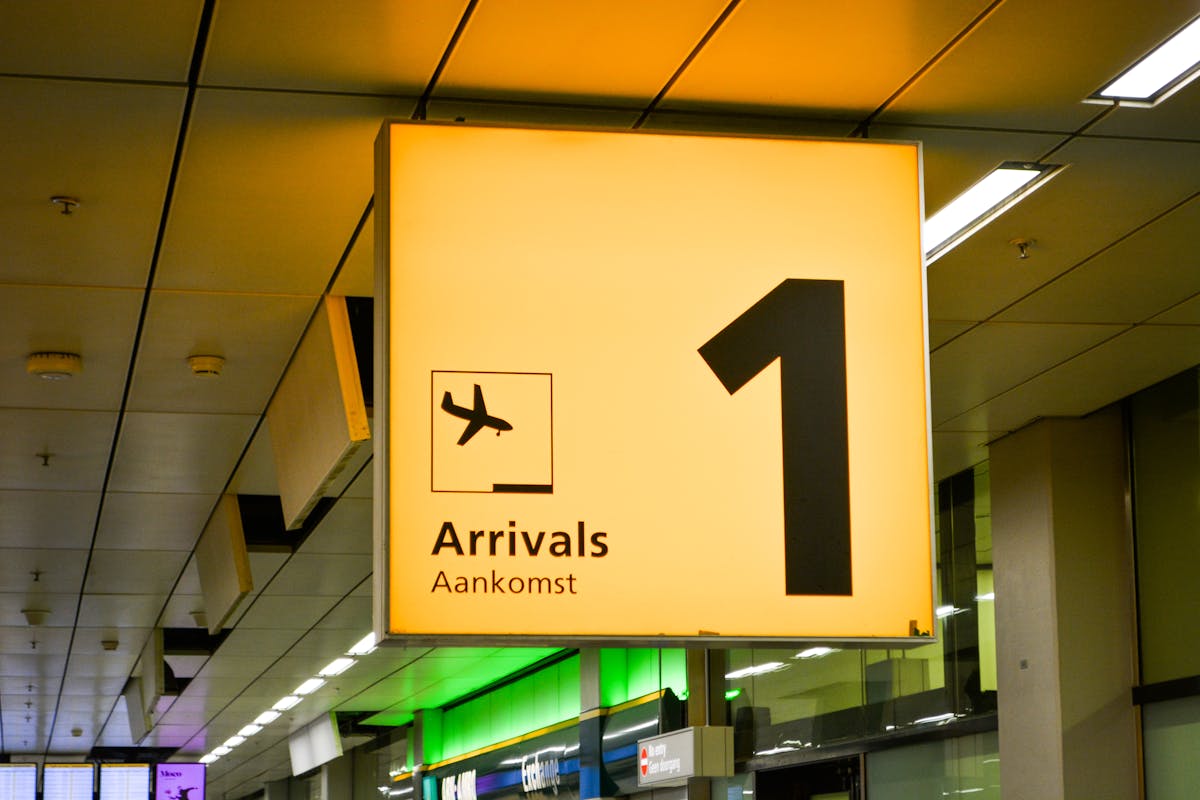
You’ve landed at your skiplag destination. Now what?
If you arrive at a large hub airport (Frankfurt, Amsterdam, Paris CDG), you’ll need to exit the transit zone and pass through customs/immigration if you’re arriving from outside the Schengen Area. Plan for this. It adds 20–40 minutes to your airport exit time.
If you’re already within Schengen, you can typically walk straight to the exit after landing. No extra border process.
Ground transport from major hubs in 2026:
– Frankfurt Airport → City Center: S-Bahn S8/S9, ~11 minutes, €5.80 (2025 pricing)
– Amsterdam Schiphol → Central Station: Direct train, ~17 minutes, €6.10
– Paris CDG → Paris city: RER B, ~35 minutes, €11.80
If you want a stress-free transfer — especially arriving late or navigating an unfamiliar airport for the first time — Welcome Pickups offers fixed-price airport pickups at most major European hubs.
If anything goes sideways with your booked flight (delays, cancellations), you may still be entitled to EU261 compensation. Compensair handles EU flight compensation claims on a no-win-no-fee basis. Worth bookmarking before any trip.
FAQ: Skiplagging Europe 2026
Is skiplagging legal in Europe?
Yes, it’s legal. It’s not fraud. However, it violates most airlines’ terms and conditions, which means they can penalize you through account suspension or ticket cancellation — but they cannot take legal action against you for simply not boarding a flight.
Can airlines ban you for skiplagging?
Yes. Lufthansa, British Airways, and Air France have all suspended frequent flyer accounts for repeated hidden city bookings. If you use this strategy often, don’t attach a loyalty number to those bookings.
Does skiplagging work on return trips?
It’s significantly riskier on return tickets. Many airlines will cancel your return leg if you no-show on an earlier segment. Stick to one-way skiplagging to be safe.
What’s the best tool to find skiplag flights in Europe?
Aviasales and Kiwi.com are the most effective tools for finding multi-segment fares with clear layover visibility. Skiplagged.com also exists as a dedicated tool, though it has a complicated legal history with United Airlines in the US.
What happens if my skiplag flight gets cancelled?
If the airline cancels or significantly delays your flight, you’re entitled to rebooking or a refund under EU261 — even on a skiplag ticket. The airline doesn’t know (or care) that you weren’t planning to fly the full route. Use Compensair to claim if anything goes wrong.
Is skiplagging worth it for short European flights?
Only if the savings exceed €40. Below that threshold, the added complexity and risk aren’t worth it. For savings of €60–100+, it absolutely makes sense — especially on one-way itineraries with carry-on only.
Ready to Book Smarter in 2026?
Skiplagging isn’t a cheat code. It’s a tool — and like any tool, it works well when you understand the rules and badly when you don’t.
The formula is simple: one-way ticket, carry-on only, no loyalty number, big enough price gap to justify the effort. Do that, and you’ll consistently pay less than fellow passengers on the exact same flight.
Start your search on Aviasales to compare multi-leg fares across European carriers — it’s the fastest way to spot a viable hidden city gap before prices shift.
If you want to keep building your travel hack toolkit, check out our deep dive on how to find cheap last-minute flights in Europe and our guide to the best carry-on bags for budget European travel — both essential reads before your next trip.
Fly smart. Land happy.
Never Miss a Deal
Get the best travel tips, festival guides & flight deals straight to your inbox.

Gbuska is the founder and lead writer at WanderFunTrip. What began as one too many 3 a.m. festival fields and a $40 flight booked on a whim turned into a full-time habit of testing adventure trails, party cities, and adults-only resorts firsthand — then writing up what actually worked (and what didn't). Every guide here starts from a real trip or a real booking, never a press release. Usually somewhere between a departures board and the next cliff jump.