⚡ Heads up: This post contains affiliate links. If you book or buy through them, we may earn a small commission — at no extra cost to you. We only recommend stuff we’d actually use ourselves.
Croatia didn’t invent naturism, but it’s been perfecting it since the 1930s, when a British king reportedly swam nude off a Rab beach and never let anyone forget it. Today the country’s 1,700-plus islands hide dozens of clothing-optional coves, pebble bays, and full-blown FKK resorts along the Adriatic.
Whether you want a family-friendly naturist campsite or a quiet cove nobody else knows about, this guide covers the spots worth your time in 2026, how the legal side actually works, and what to expect before you pack your (lack of) swimwear.
Quick answer: Rab island (Sahara Beach) is Croatia’s best-known naturist destination thanks to its 1930s origin story, Koversada near Vrsar is Europe’s largest dedicated FKK resort, and Valalta near Rovinj is the top pick for naturist families traveling together.
Croatia’s Best Nude Beaches at a Glance
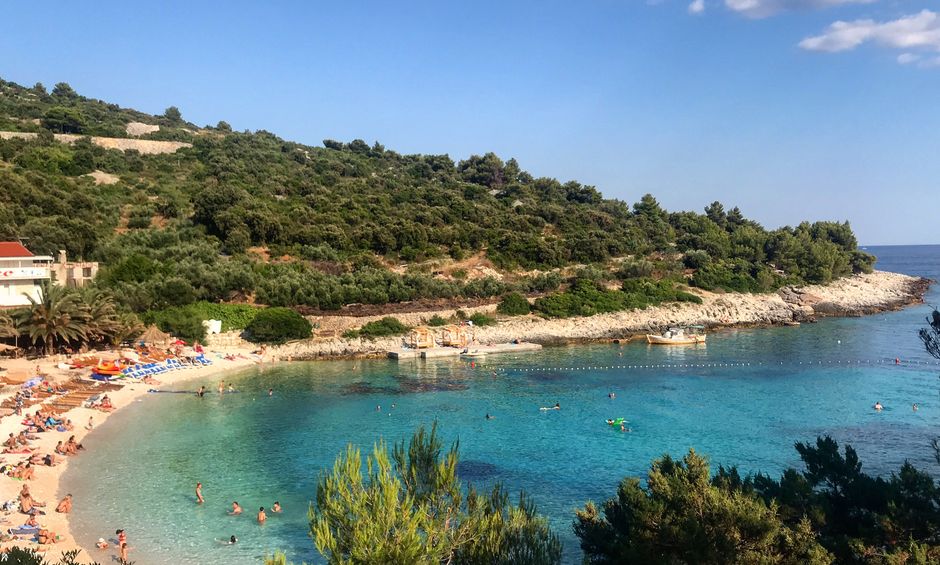
Croatia’s naturist scene runs from massive resort-style FKK sites to unmarked coves you find by boat. The table below breaks down where each option fits, so you can match it to your travel style before reading the details further down.
| Beach / Resort | Region | Vibe | Best For |
|---|---|---|---|
| Sahara Beach, Rab | Kvarner (Lopar) | Historic, sandy, shallow water | First-timers, families with kids |
| Koversada, Vrsar | Istria | Full resort, clothing-optional everywhere | Long stays, resort comforts |
| Valalta, Rovinj | Istria | Family naturism, clear water | Couples and families together |
| Bunculuka, Krk | Kvarner (Baška) | Cove-style, pine shade | Day-trippers, quieter crowds |
| Punta Kriza, Cres | Kvarner | Remote, boat or hike access | Travelers who want solitude |
Is Nude Sunbathing Legal in Croatia?
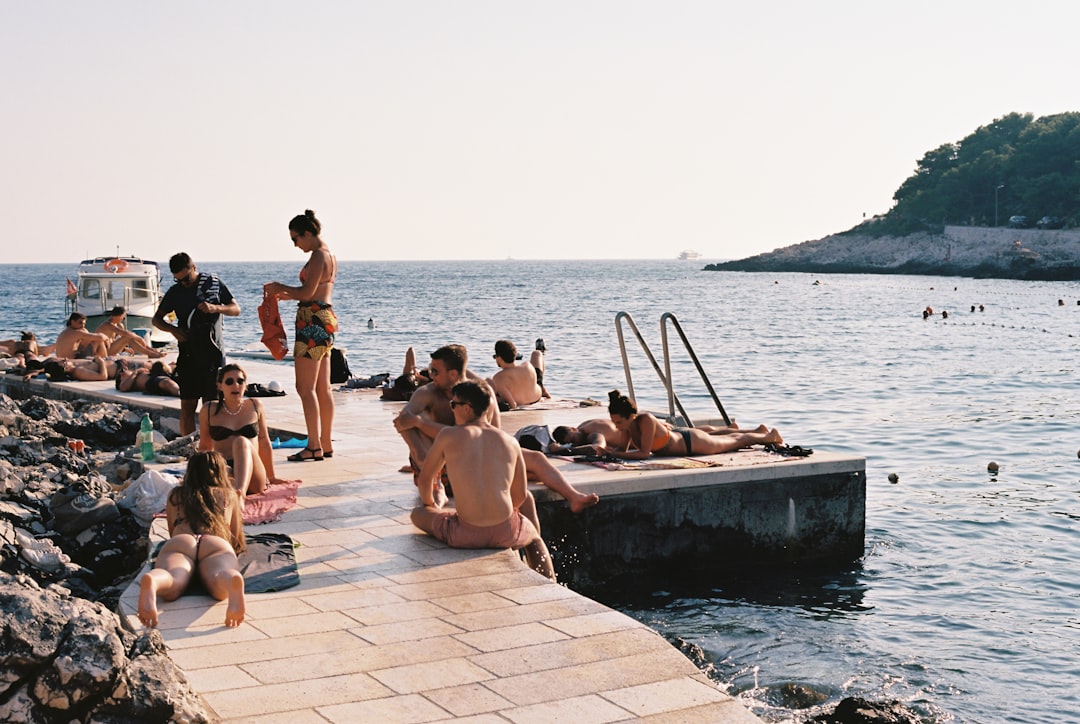
Yes, but only in designated areas — nudity on regular “textile” beaches or in town is not legal, even though enforcement is relaxed in practice. Croatia has run a formal FKK (Freikörperkultur, “free body culture”) network since the Yugoslav tourism boom of the 1960s and 70s, when the government actively marketed naturist camps to German and Austrian visitors.
The system works because the two beach cultures stay separated: FKK zones are usually marked with a sign showing “FKK” or “Naturist Beach,” often a short walk past the last textile beach along the same stretch of coast. Locals rarely cross into FKK areas expecting anything other than naturism, and naturists generally don’t wander onto textile sand.
If you’re unsure whether a specific cove is clothing-optional, look for the sign or check recent visitor reviews before you strip down — some coves are informally nude by local custom rather than official designation, and those can vary season to season.
The scale of the Yugoslav-era naturist push is easy to underestimate: between 1961 and 1971 alone, around 35 dedicated naturist campsites opened across the former Yugoslavia, mostly in Croatia and Montenegro, with a combined reception capacity of roughly 30,000 guests. At its peak, the coastal naturist network drew an estimated one million visitors a year, and the whole movement traces back to a single April 1961 deal between a Munich travel agent and the Vrsar local administration — the same deal that created Koversada.
Rab Island: Where European Naturism Began
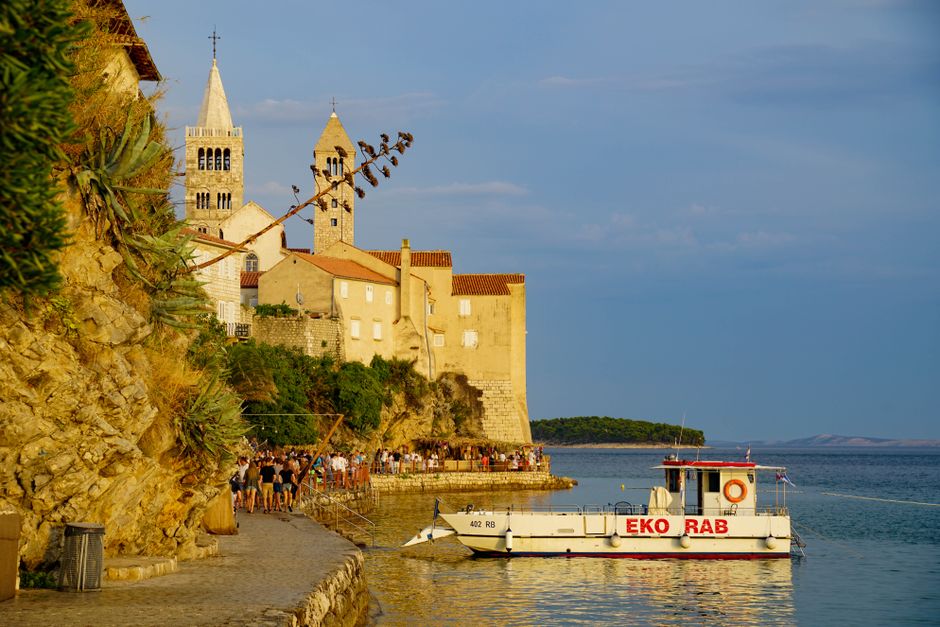
Rab claims the origin story of organized naturism in Europe — Richard Ehrman, then president of the International Naturist Federation and based in Vienna, personally opened the island’s first naturist beach near Kandarola back in 1934. The more famous version of the legend follows two years later: in 1936, Britain’s King Edward VIII reportedly took a nude swim in Kandarola Bay with Wallis Simpson during a private Adriatic cruise, and Rab’s tourist board has leaned on that royal cameo ever since.
The most famous practical result of that history is Sahara Beach in Lopar, one of the few genuinely sandy beaches on the entire Adriatic coast. Entry is free — there’s no admission fee at Sahara, unlike the gated FKK resorts further south in Istria.
Sahara’s shallow water stretches for hundreds of meters, which makes it unusually forgiving for anyone easing into naturism for the first time — no scrambling over pebbles, no sudden drop-offs. The beach itself is mixed-use, with a clearly marked FKK section at the southern end near the pine forest, so textile and naturist visitors share the same bay without friction.
When I walked down to that southern end in late June 2023, the FKK sign was half-swallowed by pine branches and easy to miss — I only found the boundary because an older local from Lopar pointed it out after watching me hesitate at the tree line for a good minute. Nobody polices the line, but everyone on both sides of it quietly respects where it is, which says more about how normalized naturism is here than any official statistic could.
Kandarola itself is smaller and rockier, tucked into a cove with better shade, and tends to draw a slightly older, more local crowd than Sahara’s summer tourist traffic. Both are reachable on foot or by local bus from Lopar village, and neither charges an entry fee, unlike the resort-style FKK sites in Istria.
Lopar’s tourist board leans hard into the King Edward VIII story in its marketing, and the anecdote isn’t just folklore — Rab’s naturist beach predates the royal visit by two years, which is the real reason the island built an entire naturist identity around Kandarola rather than just riding a one-off celebrity story. That combined history still pulls first-time naturists here over lesser-known Kvarner islands every summer.
Koversada in Vrsar: Istria’s FKK Capital
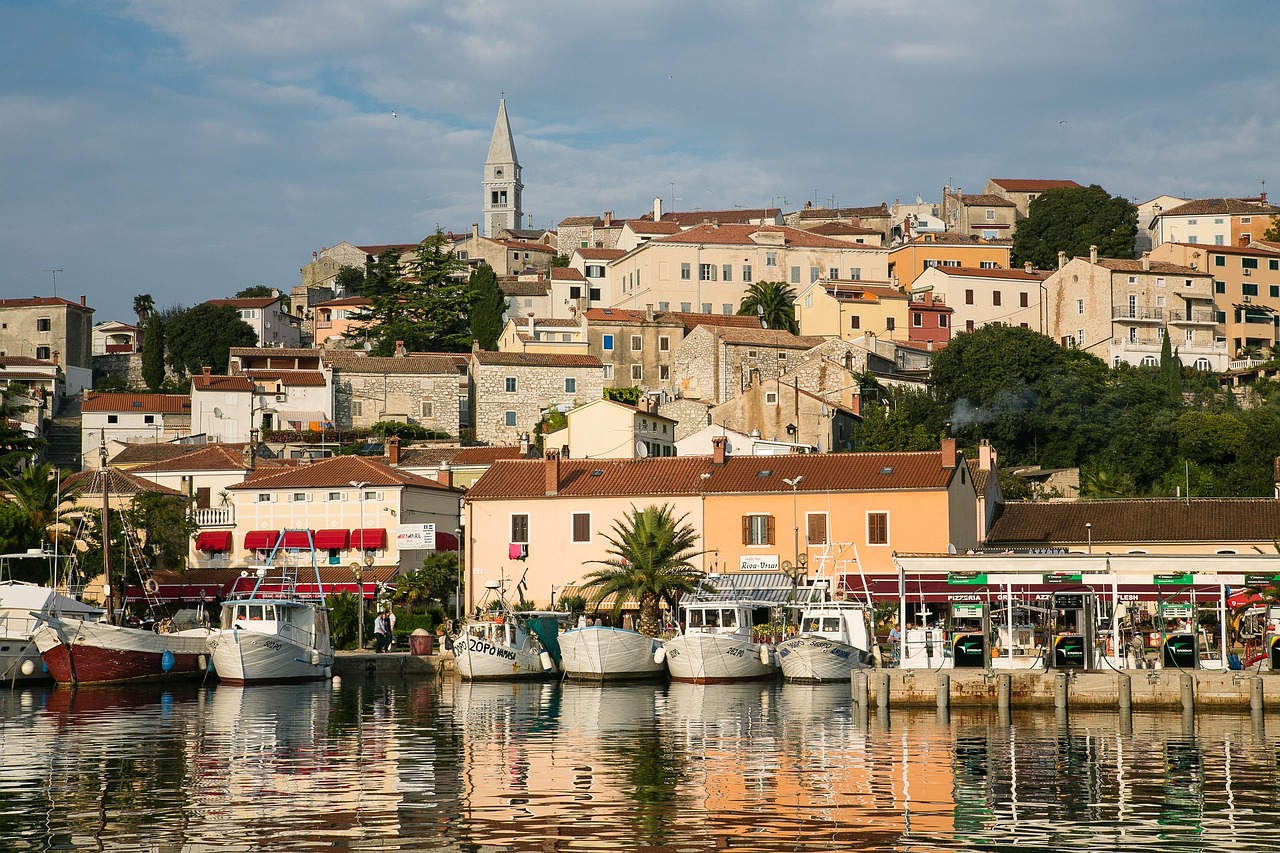
Koversada is the largest dedicated naturist resort in Europe, opened in April 1961 after Munich-based naturist Rudolf Halbig struck a deal with the local Vrsar administration to bring up to 400 German tourists a year on two-week naturist package holidays. The resort now covers roughly 120 hectares of pine-covered peninsula, and at its peak in the following decades it could accommodate around 10,000 guests at once. Everything on site — the pebble beach, pools, restaurants, and shops — operates clothing-optional, so there’s no separate zone to find; the whole resort is the zone.
The beach itself uses concrete entry platforms over the pebbles, which locals appreciate for comfort but which can feel stark if you’re used to sand. Water clarity is excellent, and the surrounding pine forest keeps much of the site shaded through the hottest part of the day.
Because Koversada functions as a full holiday resort rather than a single beach, it suits travelers planning a multi-day stay rather than a quick visit. As of 2026, apartment-style accommodation on site starts at around $79 (approx €73) a night in shoulder season, with camping pitches running noticeably cheaper — expect both to book out fast in July and August, so treat this as a destination in its own right, not a side trip. It pairs naturally with a broader look at Europe’s best naturist resorts if you’re comparing Croatia against Spain or France before booking.
The resort’s scale is what sets it apart — with several thousand guests on site during peak weeks, Koversada feels closer to a small naturist town than a beach. That means a genuine restaurant scene, small supermarkets, and evening entertainment, all clothing-optional, which is unusual even among Europe’s larger FKK resorts.
Valalta: Croatia’s Family-Friendly Naturist Resort
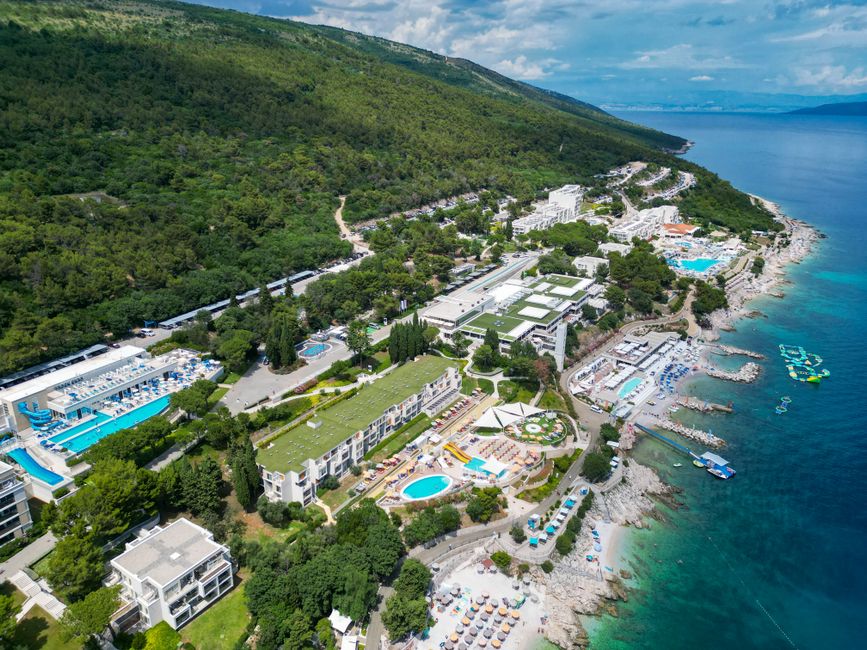
Valalta is the naturist resort to pick if you’re traveling with a partner and kids, or want a mellower, less party-oriented naturist scene than some Mediterranean equivalents. Spread across around 90 hectares near Rovinj, it combines camping and bungalow accommodation with roughly two kilometers of clothing-optional coastline.
The coastline itself is a mix of small pebble coves rather than one long stretch, which breaks up crowds naturally — you can usually find a quieter cove even in peak season. Snorkeling along the rocky entries is genuinely good, with clear visibility that rivals plenty of paid diving spots elsewhere on the Istrian coast.
Valalta markets itself explicitly as family-oriented, which shapes the on-site amenities: children’s pools, playgrounds, and a generally calmer evening atmosphere than adults-only naturist resorts. If you’re weighing a naturist trip against other adult-focused travel styles, it’s worth reading about adult-only swinger resorts across Europe to understand how differently these two travel niches are set up — naturism in Croatia is about body freedom, not a swinger scene, and Valalta’s family focus makes that distinction obvious.
Accommodation ranges from basic camping pitches to fully furnished bungalows, and the resort’s own beach club rents loungers and umbrellas by the day for anyone not staying on site long-term. Day passes are available too, which makes Valalta workable even as a one-day detour from Rovinj if you’re not ready to commit to a full naturist stay.
Both Koversada and Valalta sit much closer to Pula Airport than to Rijeka, and rental car pickup lines at Pula can run long during July arrivals. Booking a pre-arranged airport transfer from Pula straight to Vrsar or Rovinj is a low-effort way to skip that wait, especially if your flight lands late and the last local bus into either town has already stopped running.
Krk and Cres: Quieter FKK Coves Worth the Detour
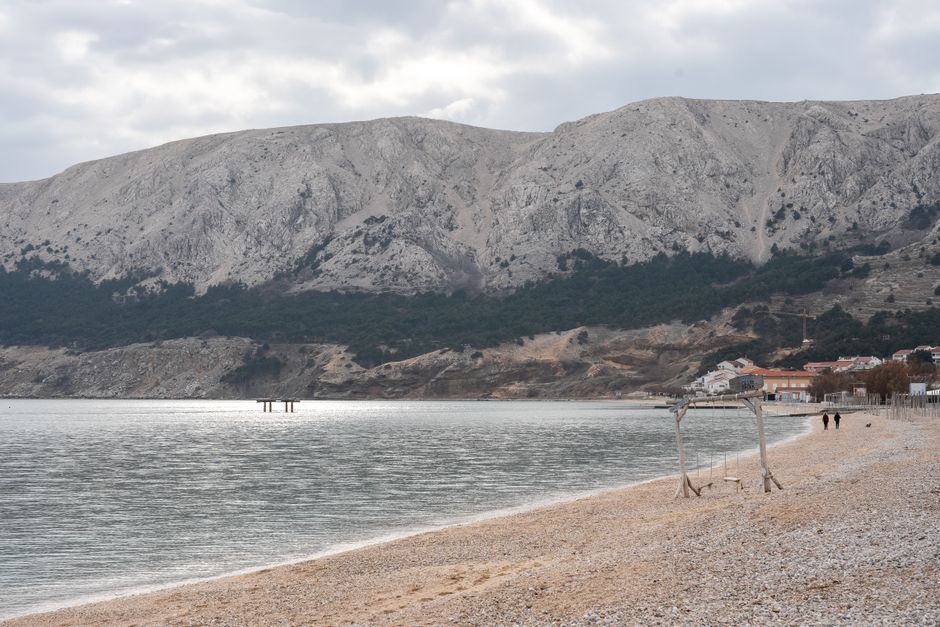
Bunculuka near Baška on Krk island is the pick if you want an FKK cove within easy reach of a well-developed tourist town. Backed by pine forest and framed by limestone cliffs, it sits a short walk from Baška’s main promenade, so you get resort infrastructure — restaurants, rentals, parking — without staying inside a dedicated naturist complex.
Cres island’s Punta Kriza area is the opposite approach: remote, lightly marked, and reachable mainly by boat or a longer hike from the nearest village. That inconvenience is the point — crowds thin out dramatically, and the coves along this stretch of coast feel closer to untouched than anything near Istria’s big resorts.
- Bunculuka (Krk): best if you want town amenities nearby.
- Punta Kriza (Cres): best if you want to avoid other tourists entirely.
- Both islands connect easily by car ferry from the mainland, making them realistic day trips from Rijeka or Krk town.
Getting to Croatia’s Naturist Coast
Most naturist beaches in this guide sit along the Kvarner and Istria coastlines, both served by Rijeka and Pula airports, with Zagreb as the larger backup hub for connecting flights. Budget carriers sometimes advertise one-way fares into Pula from around €20 in shoulder season, but realistic peak-summer prices run closer to $280–$600 for a round trip into Rijeka or Pula as of 2026, so booking early matters more here than in most of Croatia — comparing flight options into Rijeka or Pula a few months ahead usually turns up better fares than a last-minute search.
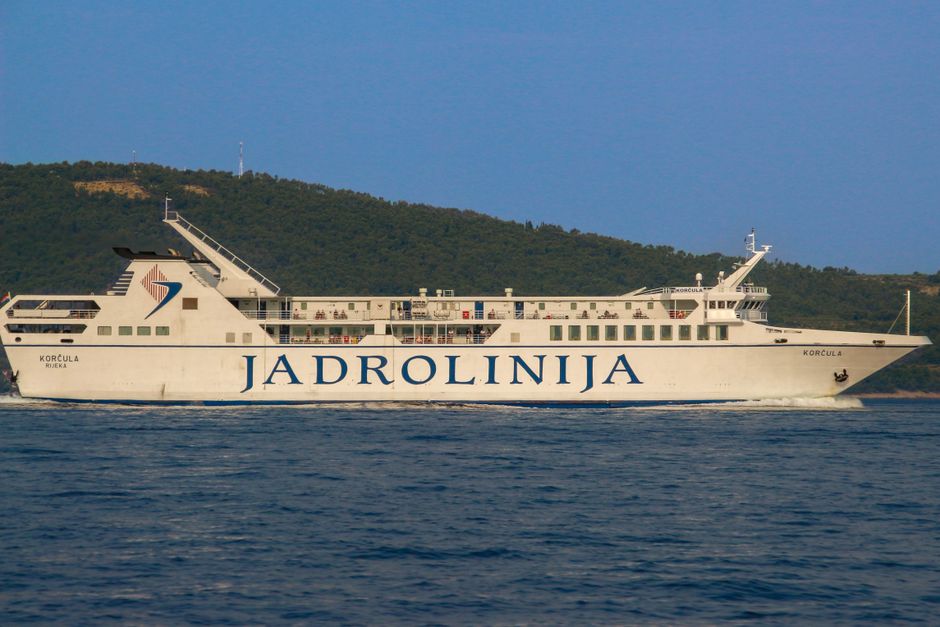
Once you land, renting a car makes the most sense — Rab, Krk, and Cres all connect to the mainland by bridge or short ferry, and public transport to the less obvious coves (especially Punta Kriza) is limited or nonexistent. If you’re island-hopping between two or more of these spots in the same trip, build slack into your schedule: Kvarner ferry timetables thin out sharply after early September, and the last sailing of the day can come earlier than you’d expect from a summer-season mindset.
Frequently Asked Questions
Is it legal to sunbathe nude on any beach in Croatia?
No — nude sunbathing is only legal on beaches officially marked FKK or “Naturist Beach.” Stripping down on a regular textile beach can technically get you fined, even though it’s rarely enforced away from busy tourist strips.
What does FKK actually stand for?
FKK stands for Freikörperkultur, a German term meaning “free body culture.” Croatia adopted the label during the 1960s and 70s, when its coastal naturist camps were marketed heavily to German and Austrian tourists.
Are Croatia’s nude beaches mostly visited by German and Austrian tourists?
Historically yes — the network was built for that market starting in 1961, and German- and Austrian-speaking visitors still make up a large share of guests at resorts like Koversada. That said, the crowd has diversified significantly since the 2000s, with growing numbers of Italian, British, and Scandinavian naturists.
What should I bring to a naturist beach in Croatia?
Bring a towel or mat, reef-safe sunscreen, water shoes (most Adriatic beaches are pebble, not sand), and a cover-up for walking to and from the parking area or bus stop. A dry bag is useful too, since lockers aren’t guaranteed outside the larger resorts.
Is Croatia’s naturist scene safe for solo travelers and women?
Yes — Croatia’s established FKK beaches and resorts are family-oriented and low-key, with naturism treated as normal rather than sexualized. As with any beach, stick to well-visited, clearly marked spots rather than isolated coves if you’re traveling alone.
When is the best time to visit Croatia’s nude beaches?
Late June through early September gives you the warmest water and fullest resort amenities, while mid-June and September offer a quieter version of the same beaches with lighter crowds. July and August book out fastest at resorts like Koversada and Valalta, so reserve accommodation well ahead if you’re traveling then.
Ready to Plan Your Croatian Naturist Trip?
Croatia’s naturist coast rewards a bit of planning: pick Rab or Sahara Beach if you want history and an easy first visit, Koversada if you want a full resort experience, and Valalta if you’re bringing family along. Whichever you choose, Istria’s FKK sites cluster near Pula, and Kvarner’s near Rijeka, so match your flight to your route before you book anything else.
Start by searching flights into Pula or Rijeka for your travel dates, then lock in accommodation at whichever resort or coastal town fits your pace — Koversada and Valalta both fill up fast for July and August.