⚡ Heads up: This post contains affiliate links. If you book or buy through them, we may earn a small commission — at no extra cost to you. We only recommend stuff we’d actually use ourselves.
Costa Rica basically invented modern zip lining, and in 2026 the country still has the densest cluster of canopy tours on the planet — from misty Monteverde cloud forest cables to volcano-view runs above Arenal and dry-forest lines near the Guanacaste beaches. This guide breaks down what a canopy tour actually costs, which named operators are worth booking in each region, what a first-timer should expect on the platform, and how to plan the trip around it so you’re not overpaying or picking a tour that’s all hype and no forest.
How Much Do Costa Rica Zipline Tours Cost in 2026?
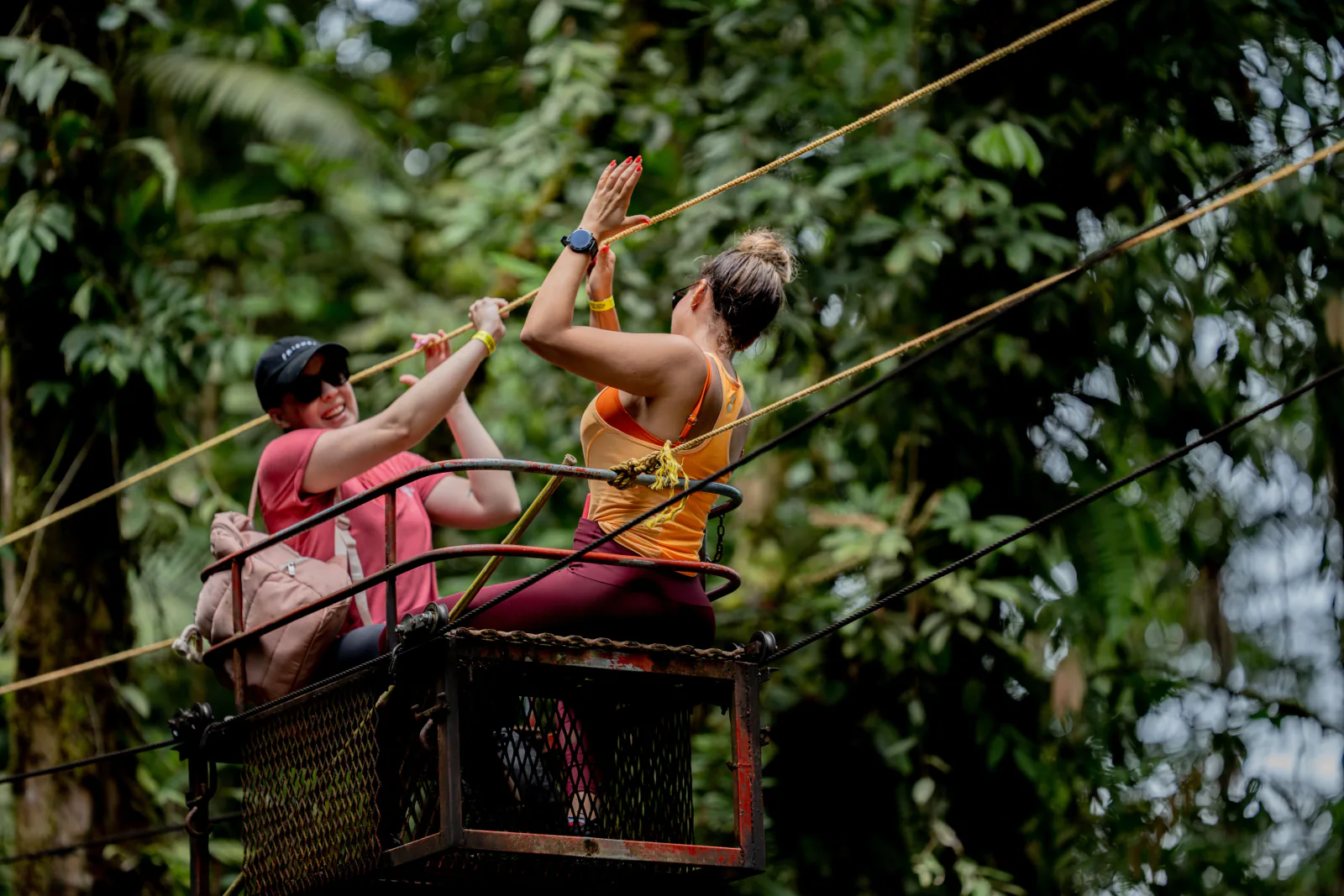
Expect to pay around $45–$120 USD per person depending on the region, the number of cables, and whether extras like Tarzan swings or a Superman line are bundled in. Budget operators near La Fortuna and Guanacaste tend to sit at the lower end, around $45–$65, while premium Monteverde and Arenal combo tours with 10+ cables and a hanging-bridges add-on can run $90–$120.
Prices usually include transport from nearby hotels, safety gear, and a bilingual guide team, but always check whether park entrance and photos/GoPro footage are extra — that’s the most common upsell. The cheapest way to book is usually still the boring way: go straight to the operator’s own official website or call their local office directly, rather than routing through a hotel concierge desk or a generic marketplace listing, since both typically add a markup of 10–20% on top of the base tour price for doing essentially nothing except forwarding your reservation.
- Budget canopy tours: around $45–$65 (shorter circuits, 6–8 cables)
- Mid-range combo tours: around $65–$90 (zipline + hanging bridges or Tarzan swing)
- Premium/longest circuits: around $90–$120 (12+ cables, superman lines, night tours)
If flights are still on your to-do list, it’s worth comparing fares before you lock in tour dates — routes into San José (SJO) or Liberia (LIR) can swing in price by a few hundred dollars depending on the week, and a flight search tool like Aviasales makes it easy to spot the cheaper airport to fly into for your itinerary.
Best Zipline Canopy Tours in Costa Rica by Region
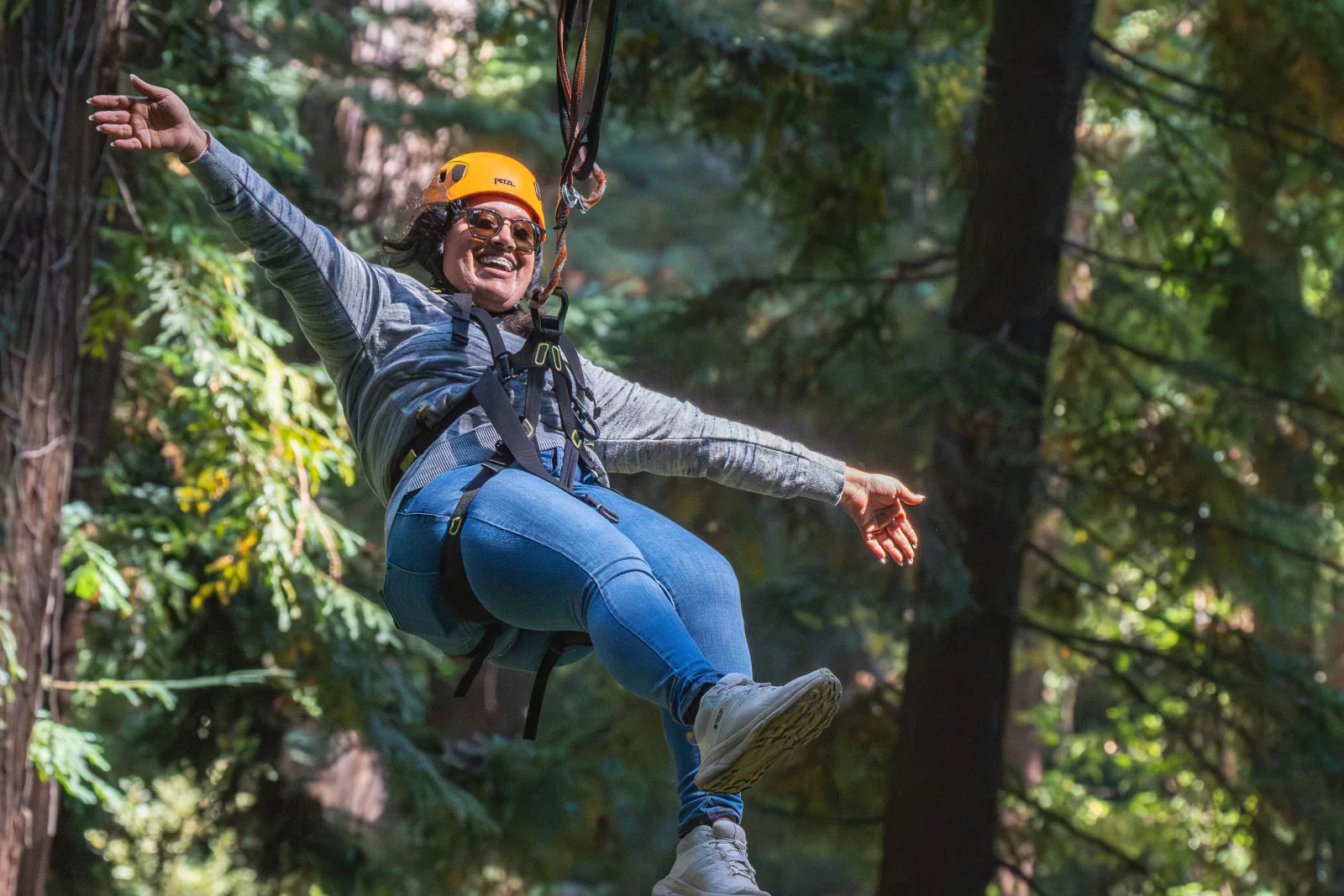
The three regions worth building a trip around are Monteverde, Arenal/La Fortuna, and Guanacaste, and each delivers a genuinely different kind of ride with its own standout operator. Monteverde is about cloud forest immersion and fog-shrouded canopy views (Selvatura Park and Original Canopy Tour are the names to know), Arenal is about volcano scenery and adrenaline-heavy long cables (100% Aventura and Sky Adventures run the marquee circuits), and Guanacaste is about dry-forest wildlife and easy pairing with beach time, with Diamante Eco Adventure Park near Tamarindo as the headline stop.
Monteverde’s canopy tours were among the first commercial zip lines in the country, and the cool, misty cloud forest still makes for the most atmospheric ride — you’re gliding through actual cloud cover, not just over trees. Arenal wins on raw numbers: some circuits here include cables over 1 km long with volcano views on clear days, plus options to add a Tarzan swing or hanging bridges walk. Guanacaste tours, closer to the beach resorts around Tamarindo and Playas del Coco, tend to be shorter and more family-friendly, though Diamante’s flagship “Superman” line is the exception — it’s marketed as one of the longest single cables in Central America and is genuinely not for anyone nervous about speed.
If Costa Rica is turning into your annual adrenaline trip rather than a one-off, it’s worth building out a wider adventure-sports itinerary around it — our Ayung River rafting guide for Bali is a useful comparison read for anyone weighing which regions deliver the best value-for-thrill on a similar budget, and it’s a good next stop if the canopy circuit leaves you wanting more moving water and jungle in your next trip.
Monteverde Cloud Forest Zipline: What Makes It Different
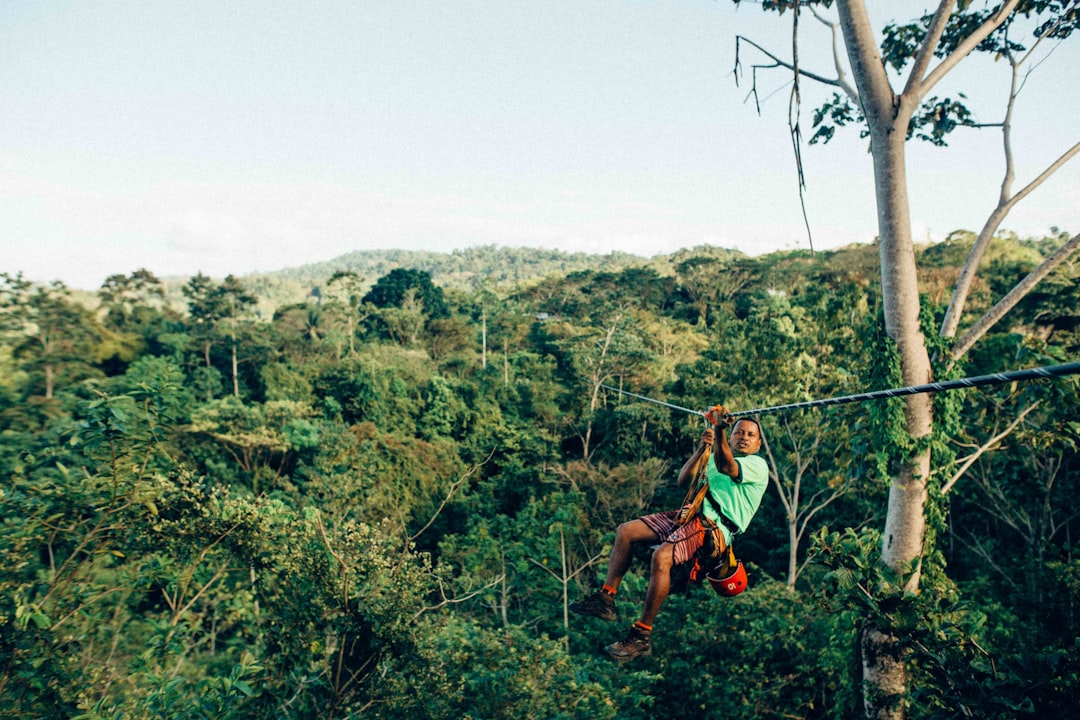
Monteverde stands out because you’re flying through an actual cloud forest ecosystem, not a standard tropical canopy, which means cooler temperatures, thicker fog, and a genuinely eerie, beautiful ride. Original Canopy Tour, operating near the reserve since the late 1990s, is widely credited as one of the very first commercial zipline operations anywhere in the world — the cables feel a little more old-school and the platforms are built directly into massive strangler fig trees rather than steel towers, which gives it a rougher, more authentic feel than some of the newer parks.
Selvatura Park, a short drive further along the same ridge, runs one of the largest circuits in the region — a network of roughly a dozen-plus cables stretched across a private cloud forest reserve, often paired with the park’s hanging bridges walk and hummingbird garden on the same ticket. On a recent visit, our guide stopped the group mid-platform, pointed into the fog, and casually mentioned a resplendent quetzal had been spotted from that exact spot the week before — the kind of detail that turns a standard safety pause into the moment you remember. Because the cloud forest sits at higher elevation, mornings tend to be clearer and afternoons foggier — book an early slot if you want visibility across the canopy, or a later one if you want the atmospheric, socked-in-cloud experience for photos.
Bring a light layer; Monteverde runs noticeably cooler than the coast, which surprises a lot of first-time visitors packing only beachwear. A few operators here, including Selvatura, also run a “Superman” line, where you’re clipped in face-down for a flying-position cable — it’s usually an add-on rather than part of the base tour, so factor that into your budget if it’s on your list. Group sizes tend to be smaller in Monteverde than in the bigger Arenal operations, which makes for a less rushed, more personal experience on the platforms.
Arenal Volcano Zipline Tours: Views and Adrenaline
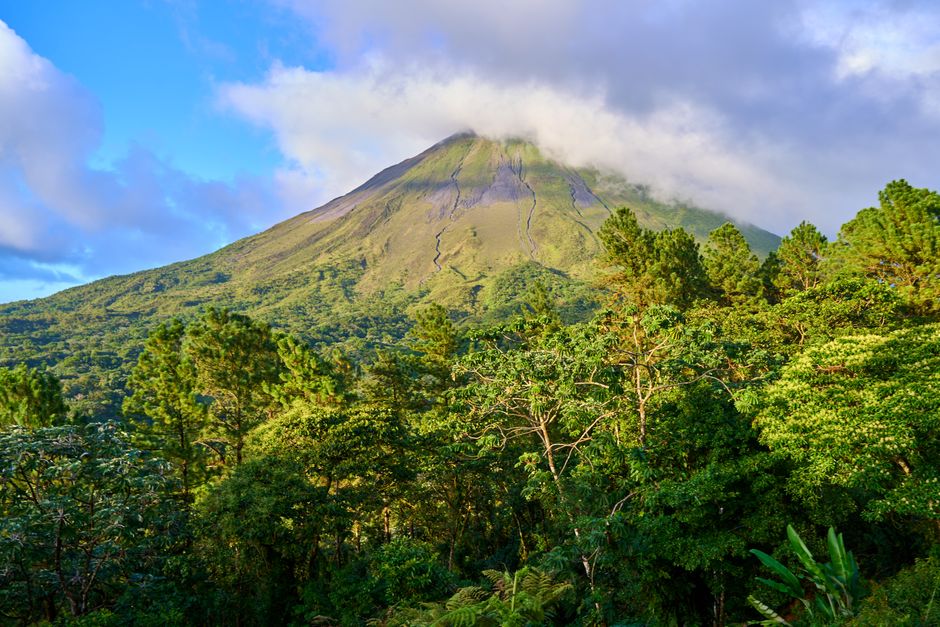
Arenal delivers the most dramatic scenery of any zipline region in the country, with cables strung across valleys that open up to direct views of the volcano cone on clear days. This is also where you’ll find the longest and fastest individual cables in Costa Rica, some stretching well over half a kilometer with reported speeds pushing 40+ mph — Sky Adventures Arenal pairs its zipline circuit with a gondola-style tram ride up the mountain first, so you get the volcano view twice, once from the tram and once flying past it.
La Fortuna, the main base town, has the highest concentration of operators, which keeps competition — and prices — reasonable compared to more isolated regions. 100% Aventura is one of the better-known combo outfits here, bundling the zipline with a Tarzan swing and a stop at natural hot springs afterward, so a morning canopy tour turns into a full-day itinerary without much extra planning. We showed up for a mid-morning slot with a different budget operator once and found the whole tour sold out on arrival, no online booking having been available the night before — the desk staff walked us next door and got us onto 100% Aventura’s next departure within twenty minutes, which is a fairly normal fix in a town with this many competing operators packed into a few blocks.
| Region | Approx. Price (USD) | Best For |
|---|---|---|
| Monteverde | around $50–$85 | Cloud forest atmosphere, smaller groups |
| Arenal / La Fortuna | around $55–$95 | Volcano views, longest/fastest cables |
| Guanacaste (Tamarindo/Coco) | around $45–$70 | Families, wildlife, easy beach pairing |
| Premium multi-adventure combos | around $90–$120 | Full-day itineraries, bridges + swings |
Enjoying This?
Get more guides like this — plus flight deals — sent straight to your inbox.
What to Expect on Your First Canopy Tour
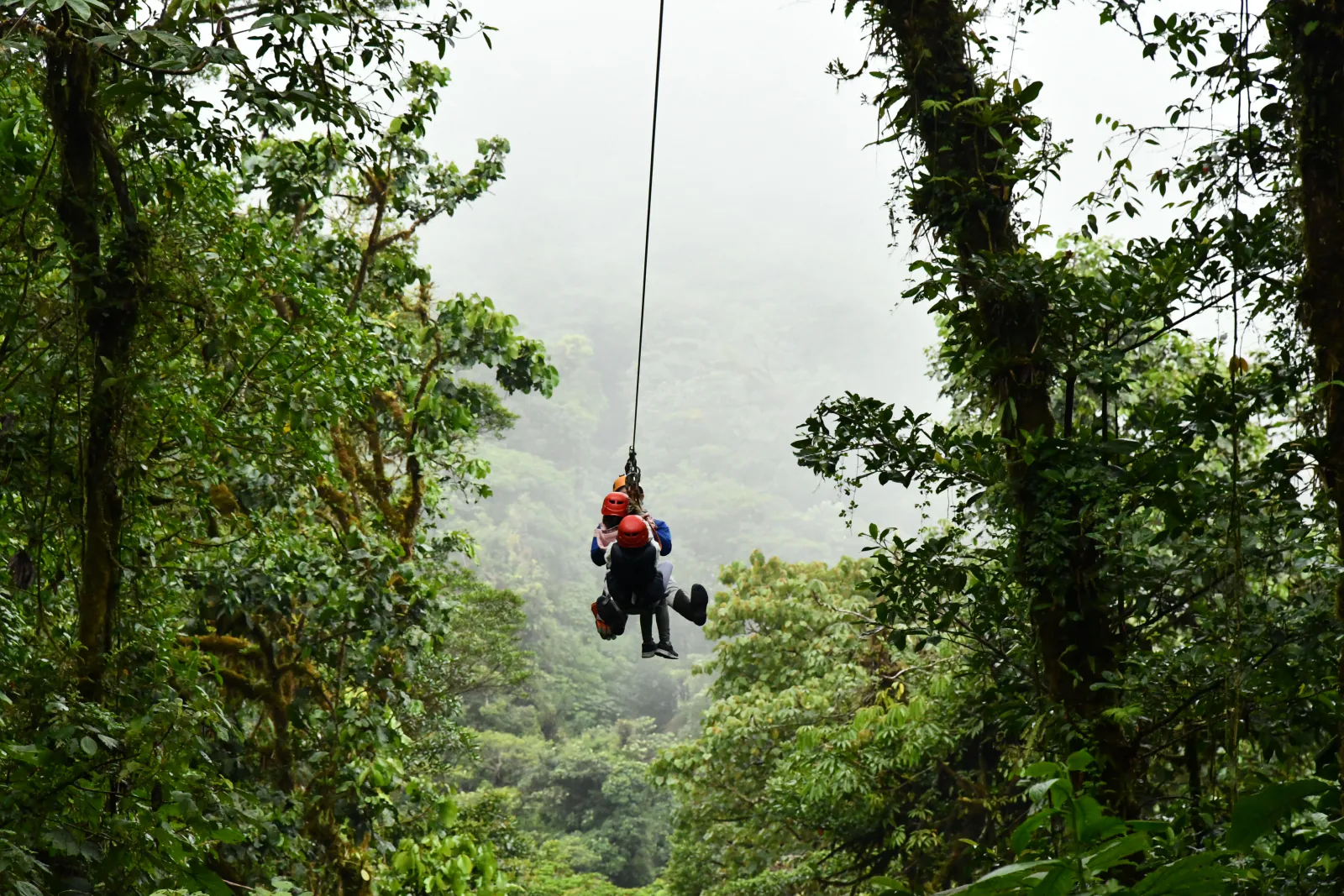
Expect a 20–30 minute safety briefing, a harness and helmet fitting, and then a series of cable-to-platform transfers guided by two staff members — one clipping you in, one receiving you on the far side. Reputable operators use double-clip safety systems, meaning you’re never fully detached from a safety line while moving between platforms, and guides brake the line for you on most cables so there’s no technique to learn beforehand. The briefing itself is usually hands-on rather than a slideshow — you’ll practice the “brake position” (one gloved hand behind you on the cable) on a low practice line before the real circuit starts, so the first real platform isn’t the first time you’ve touched the gear.
Weight limits typically fall between around 45 kg and 120–130 kg per rider, and most operators will ask you to state your weight (sometimes with a scale on site) for safety reasons — this isn’t optional, since it affects braking calculations on the cable. Closed-toe shoes are mandatory almost everywhere; sandals or flip-flops will get you turned away at check-in.
Once you’re clipped onto the first real cable, the sequence is roughly the same everywhere: a countdown from the guide behind you, a short drop-step off the platform edge, and then the cable itself does the work — there’s a brief stomach-lurch moment in the first two or three seconds before the ride settles into something closer to gliding than falling. Longer cables in Arenal give you enough time mid-line to actually look around at the view; shorter Guanacaste circuits are over almost as soon as they start, which suits nervous first-timers just fine.
- Wear closed-toe shoes and clothes you don’t mind getting a little dusty or damp
- Tie back long hair and remove loose jewelry before harnessing up
- Secure phones/cameras with a wrist strap or chest mount — dropped gear is not retrievable mid-forest
- Kids usually need to meet a minimum age (commonly 4–6) and height requirement, which varies by operator
If you’ve done adventure sports with a similar guided, harness-based safety setup before — rafting through a jungle gorge, for instance, like our Ayung River rafting guide covers — the pacing here will feel familiar: a guide-led briefing, redundant safety checks, and a group pace rather than anything you’re figuring out solo. First-timers consistently report the anticipation is worse than the actual ride; most people are grinning by the second or third cable.
Safety & What Locals Know
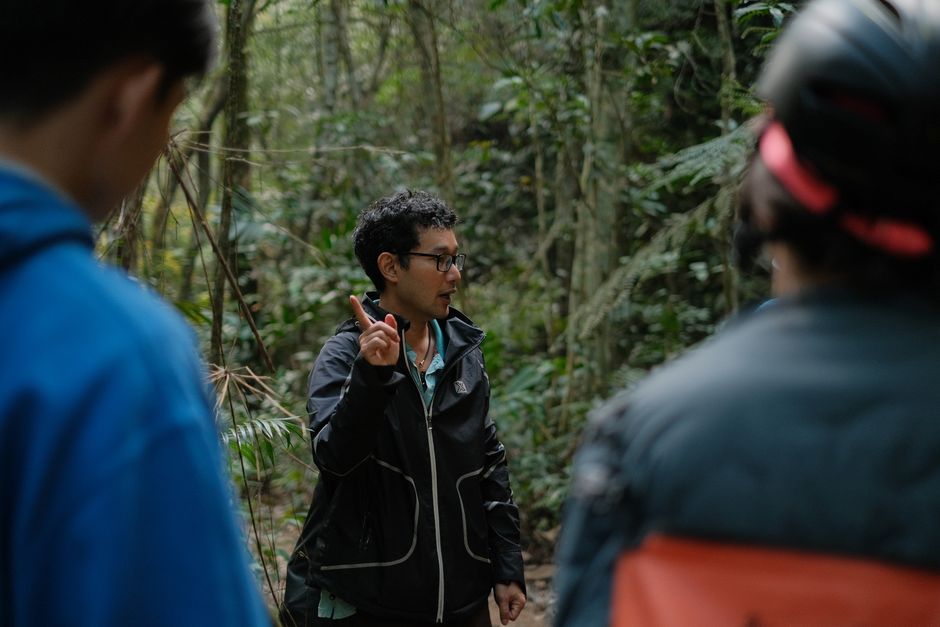
The single biggest safety factor isn’t the cable, it’s the operator — Costa Rica’s tourism board (ICT) requires licensed canopy operators to carry liability insurance and pass annual equipment inspections, but enforcement is inconsistent at small roadside outfits that pop up seasonally near tourist strips. Local guides and hotel staff will usually steer you toward the same handful of established names — Selvatura, Sky Adventures, Original Canopy Tour, 100% Aventura, Diamante — precisely because they’ve been operating long enough to have a verifiable safety record, not because of any exclusive deal.
A few things locals tend to mention that don’t always make it into the marketing: cables get shut down without refund-drama in high wind or lightning, and staff won’t budge on that no matter how much your schedule is at stake, so build a buffer day into your itinerary during green season. Guides also generally prefer you don’t try to film yourself mid-cable with a handheld phone — a chest or helmet mount is fine, but a loose phone is the single most common item lost on a zipline circuit, and it’s not retrievable once it drops into forest canopy.
It’s also worth knowing that gear gets swapped out on a rotation, not run until it visibly wears out — ask your guide how old the harness webbing is if you want to nerd out on it, most are happy to tell you, and a shrug or vague answer is itself a useful signal about which operator you’re standing in front of. Because a zipline injury or a missed connection abroad is exactly the kind of thing standard travel insurance sometimes fine-prints its way out of covering, it’s worth checking that whatever policy you’re traveling with actually covers adventure-sport activities before you book — a quick comparison through Ekta is a reasonable way to confirm you’re not accidentally excluded for the one activity you’re planning your whole trip around.
Best Time to Go and How to Book
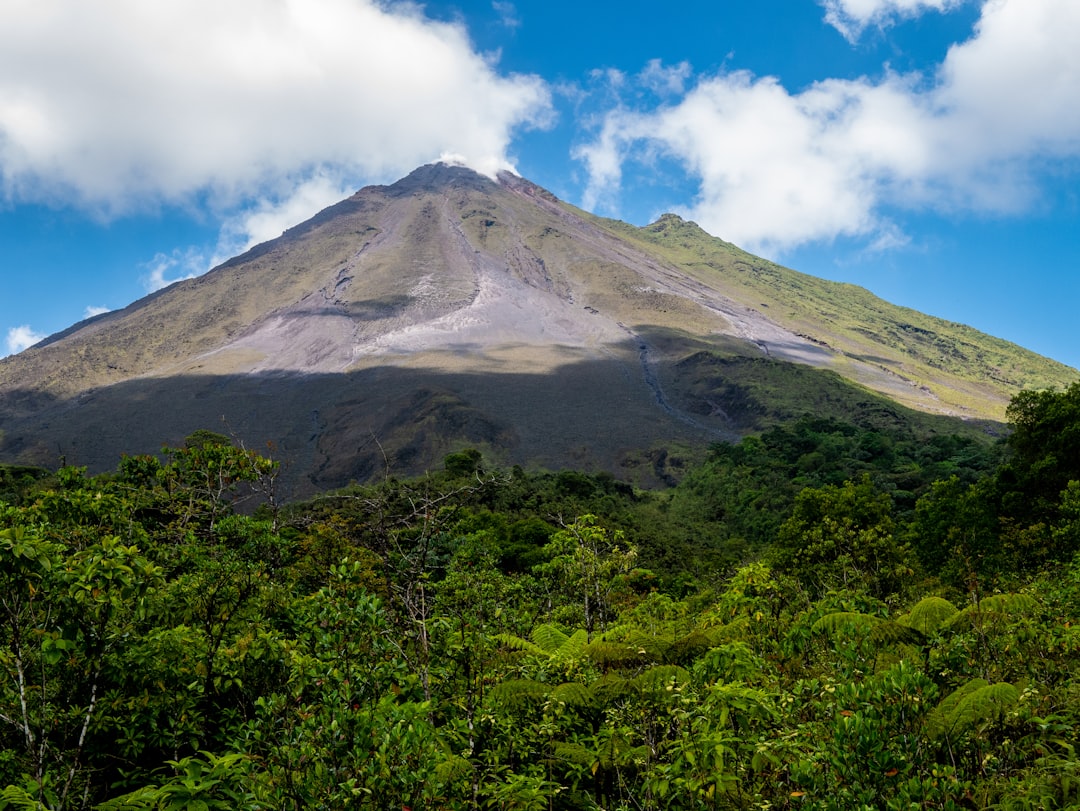
The dry season, roughly December through April, gives the clearest views and the most reliable tour schedules, especially for Arenal’s volcano sightlines and Monteverde’s canopy visibility. Green season (May–November) brings lower prices and thinner crowds, but afternoon rain is common, so morning tours are the safer bet for both weather and visibility.
Book at least a few days ahead in peak months (December–March, plus Easter week), when the marquee operators in Monteverde and Arenal routinely sell out their morning slots to tour groups before independent travelers even see availability online. In green season, same-day or next-day booking is usually fine, and you can often negotiate a small discount for booking two activities with the same outfit — a zipline circuit plus a hanging bridges walk, for example — since operators would rather fill both slots at a slight discount than run either one half-empty.
Book directly through the operator’s own site or WhatsApp line where possible; most Costa Rica canopy tour companies respond quickly and will confirm pickup times without a markup. If you’re stringing together multiple regions on one trip, factor in that Costa Rica’s mountain roads are slower than the map distance suggests — San José to Monteverde or La Fortuna can both take three to four hours even though they look close together, so don’t schedule a zipline tour immediately after a long transfer day if you can avoid it.
- Reserve directly with the operator (site or WhatsApp) to skip concierge/marketplace markups
- Dry season (Dec–Apr) = best visibility and reliability; green season (May–Nov) = lower prices, book mornings
- Bundle activities with the same operator for small combo discounts
- Leave a buffer day around your tour date in case of weather cancellations
Frequently Asked Questions
Is ziplining in Costa Rica safe for beginners?
Yes — licensed operators use double-clip safety systems and guide-braked cables, so there’s no technique to learn and you’re never fully detached from a safety line between platforms. The main safety variable is which operator you book, not the activity itself, so stick to established names with a verifiable track record rather than the cheapest roadside stand you spot on the drive in.
How much does a zipline tour cost in Costa Rica?
Most tours run around $45–$120 USD per person, with budget circuits near La Fortuna and Guanacaste at the lower end and premium multi-cable combo tours with extras like Tarzan swings or hanging bridges at the higher end. Always confirm whether park entrance and photo/GoPro packages are included or billed separately, since that’s where quoted prices often diverge from what you actually pay at checkout.
What should I wear for a canopy tour?
Closed-toe shoes are mandatory at nearly every operator, along with clothes you don’t mind getting dusty or slightly damp. A light layer is worth packing for Monteverde specifically, since the cloud forest elevation runs noticeably cooler than the coast, and you should tie back long hair and remove loose jewelry before the harness fitting.
Which region has the best zipline in Costa Rica?
It depends what you’re optimizing for — Monteverde wins on atmosphere with its cloud forest cables, Arenal wins on scale with the longest, fastest lines and volcano views, and Guanacaste wins on convenience for anyone splitting a trip between beach and adventure. Most travelers building a two-region itinerary pair Arenal or Monteverde with a few beach days in Guanacaste rather than trying to fit all three.
Is there a weight or age limit for ziplining?
Weight limits typically fall between around 45 kg and 120–130 kg, and operators will usually confirm your weight on-site since it affects the braking calculations on the cable. Minimum age is commonly 4–6 years old with an accompanying height requirement, though this varies by operator, so check the specific park’s policy before booking if you’re traveling with young kids.
What’s the best time of year to zipline in Costa Rica?
Dry season, roughly December through April, gives the clearest views and most reliable schedules, particularly for volcano sightlines at Arenal. Green season (May–November) is cheaper and less crowded, but book morning slots to avoid the afternoon rain that’s common that time of year.
Ready to Book Your Costa Rica Zipline Trip
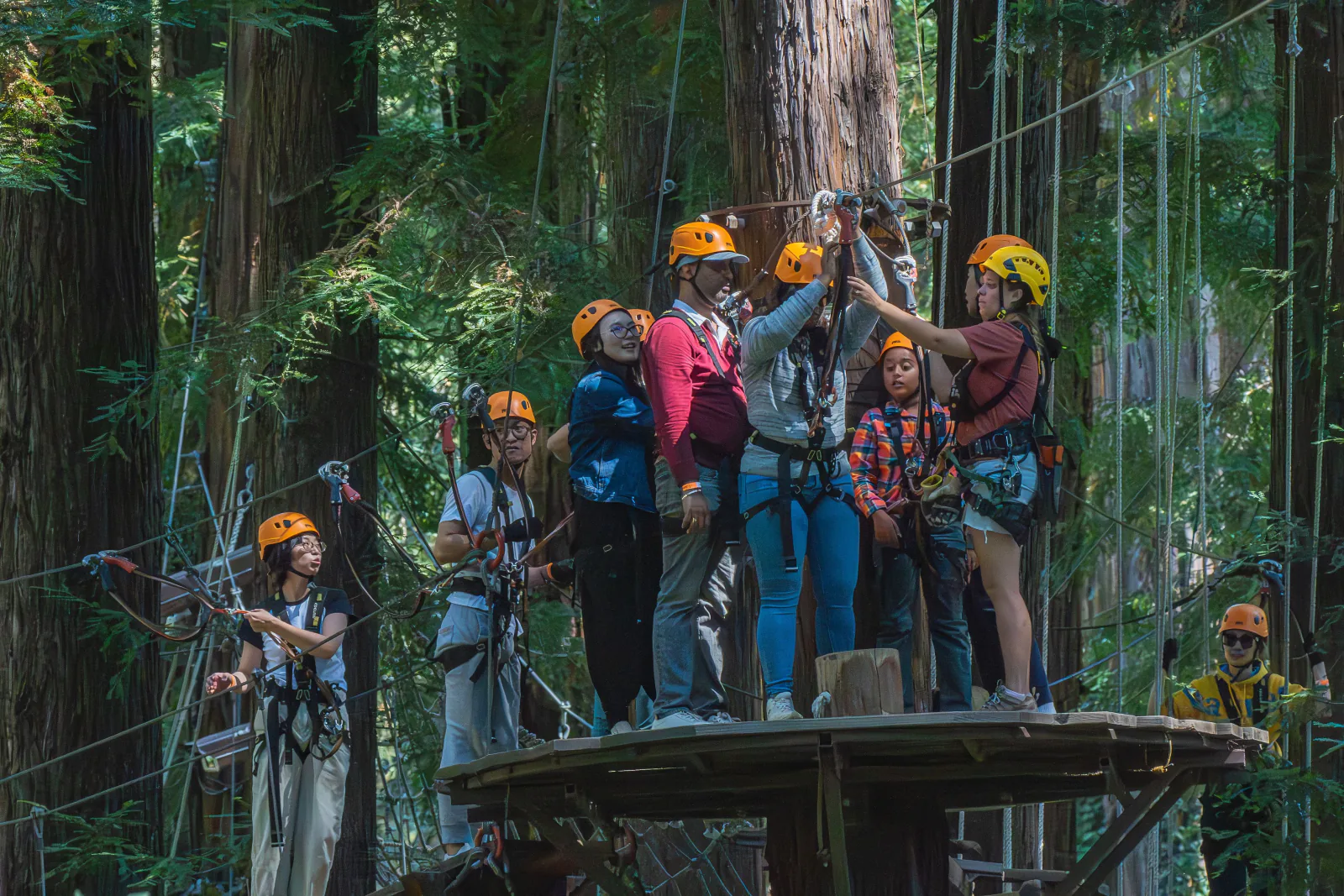
Costa Rica’s canopy tours earned their reputation the hard way — decades of operators refining the safety systems, the platform placement, and the routes long before zip lining became a bucket-list checkbox everywhere else in the world. Pick your region based on what you actually want out of the ride (cloud forest atmosphere in Monteverde, volcano views and raw speed in Arenal, easy beach pairing in Guanacaste), book directly with an established operator to skip the markup, and build a weather buffer into your schedule during green season.
Start by locking in flights into San José or Liberia with Aviasales so you can compare which airport actually saves you money once ground transport to your chosen region is factored in, and if unpredictable flight schedules are part of your travel anxiety, Compensair is worth having in your back pocket for delayed or cancelled connections. From there it’s just a matter of picking a region, confirming the operator’s safety record, and showing up in closed-toe shoes ready to get over that first-platform stomach-lurch — everyone says the anticipation is the worst part, and they’re right.
Never Miss a Deal
Get the best travel tips, festival guides & flight deals straight to your inbox.

Gbuska is the founder and lead writer at WanderFunTrip. What began as one too many 3 a.m. festival fields and a $40 flight booked on a whim turned into a full-time habit of testing adventure trails, party cities, and adults-only resorts firsthand — then writing up what actually worked (and what didn't). Every guide here starts from a real trip or a real booking, never a press release. Usually somewhere between a departures board and the next cliff jump.