⚡ Heads up: This post contains affiliate links. If you book or buy through them, we may earn a small commission — at no extra cost to you. We only recommend stuff we’d actually use ourselves.
By Elena Marchetti, WFT staff writer — updated August 2026. I went through the Portuguese D8 application myself in early 2025, so the paperwork traps below aren’t theoretical — most of them cost me actual weeks.
Your laptop doesn’t care which country you’re sitting in — but immigration officers do. If you’ve been working remotely on tourist stamps and quietly hoping nobody checks, 2026 is the year to stop gambling and get legal.
TL;DR: Over a dozen European countries now run dedicated digital nomad visa schemes, with minimum monthly income requirements typically landing somewhere between roughly €2,000 and €4,500+ depending on the country, plus proof of remote employment or freelance contracts, health insurance, and a clean criminal record. Portugal, Spain, Croatia, Greece, and Estonia remain the most-applied-for routes among remote workers in 2026, each with different tax treatment and processing times.
This guide breaks down who actually qualifies, which country fits your income level and lifestyle, and the paperwork traps that get applications rejected. Always double-check exact figures on the relevant embassy site before applying — these numbers shift with inflation adjustments most years, and we’ve flagged where we’re working from ranges rather than fixed prices.
What Is a Digital Nomad Visa, Exactly?
A digital nomad visa is a residence permit that lets you legally live in a country while working remotely for an employer or clients based outside that country. It’s different from a tourist visa (which usually bans any work) and different from a standard work visa (which usually requires a local employer).
Most European schemes launched between 2021 and 2024, in the wake of remote work going mainstream. They typically grant you residency for one year, renewable for one to five years depending on the country, and some — Portugal and Spain among them — put you on a path toward permanent residency or citizenship if you stay long enough.
The trade-off is paperwork. When I applied for Portugal’s D8, the part nobody warns you about is the criminal background check — mine needed a second apostille stamp because the first translator’s certification wasn’t accepted, which cost me almost three weeks. You’ll typically need proof of remote income above a set threshold, private health insurance valid in the country, a clean criminal background check apostilled and translated, proof of accommodation, and sometimes a minimum bank balance on top of your monthly income. Processing can take anywhere from a few weeks to several months, so this isn’t a “book a flight next week” kind of move.
Which European Countries Offer Digital Nomad Visas in 2026?
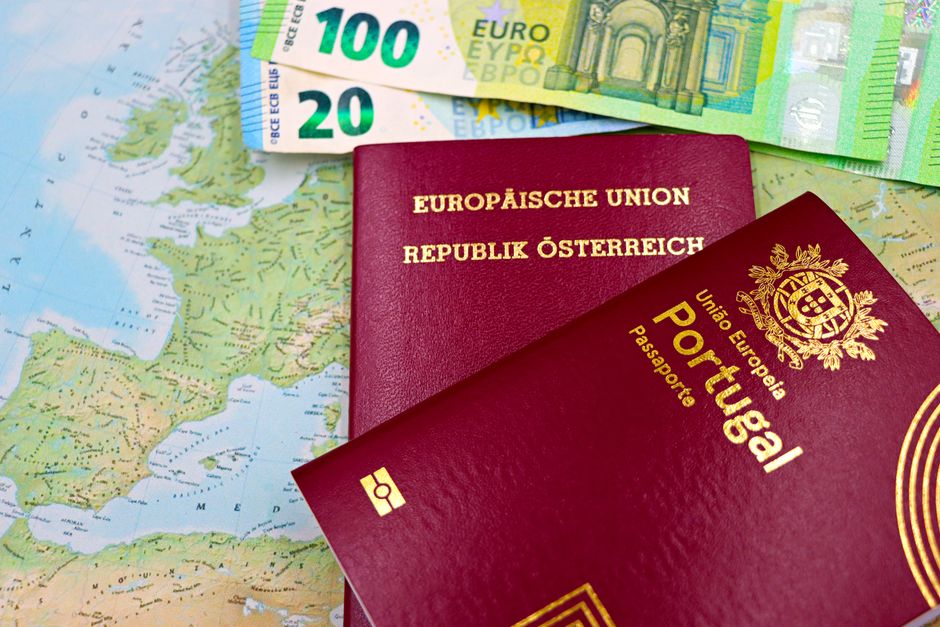
At least 15 European countries currently run some form of remote-work residence permit, and the list keeps growing every year.
The most popular among remote workers right now include Portugal, Spain, Greece, Croatia, Estonia, Malta, Cyprus, Italy, Hungary, Czechia, and Romania — plus Georgia, which isn’t EU but remains hugely popular with nomads for its low bar to entry. Not all are created equal — some are genuinely nomad-friendly, others are bureaucratic mazes with a nomad visa in name only.
Here’s a comparison of the routes travelers ask us about most:
| Country | Approx. Monthly Income Min. | Initial Permit Length | Path to Long-Term Residency |
|---|---|---|---|
| Portugal | around €3,500 | 1 year | Yes, after 5 years |
| Spain | around €2,700 | 1 year (renewable) | Yes, after 5 years |
| Croatia | around €2,300 | Up to 1 year | No — must leave 6 months after |
| Greece | around €3,500 | 1 year | Yes, renewable |
| Estonia | around €4,500+ (highest of this group) | Up to 1 year | No — one-time only |
Figures above are approximate as of 2026 and change with inflation adjustments — always confirm on the country’s official immigration site before applying.
How Do You Actually Qualify for One?

You need remote income from outside the country you’re applying to, proof it clears the minimum threshold, and paperwork that a caseworker can’t poke holes in. Most schemes require three to six months of bank statements or payslips proving consistent income above the line, an employment contract or freelance client agreements, private health insurance covering the full residence period, and a criminal background check no older than three to six months, apostilled and often translated into the local language.
Freelancers and business owners usually need extra documentation — proof the business is registered, invoices from the last few months, and sometimes an accountant’s letter confirming income is stable. Employees generally have it easier: a signed letter from your employer confirming remote status and salary often does most of the work.
One detail that trips people up constantly: many countries want proof your employer or clients are based outside the country you’re moving to. Portugal and Spain both check this closely — the whole point of the visa is bringing in outside money, not competing with local workers for local jobs.
Budget real time for this. Between gathering apostilled documents, booking a biometrics appointment, and waiting on a decision, three to four months from “I’ve decided to do this” to boarding pass is realistic for most applicants — mine took closer to four, mostly because of that background-check re-translation.
Do You Still Pay Tax Back Home?
It depends entirely on your host country’s tax treaty with your home country and how many days you spend there each year. Most European nomad visas make you a tax resident once you cross roughly 183 days in the country in a calendar year — at that point you typically owe local income tax, though several countries offer reduced rates for the first few years specifically to attract remote workers.
Portugal’s former NHR (Non-Habitual Resident) scheme offered major tax breaks for new residents, but the program was closed to most new applicants starting in 2024 and replaced with a narrower incentive (often referred to as IFICI, sometimes called “NHR 2.0”) aimed mainly at scientific, tech, and R&D roles — don’t assume you’ll qualify for the old blanket rate. Greece has run a flat reduced-rate scheme for new tax residents transferring their main income source into the country. Italy has offered similar reductions for remote workers relocating from abroad, though eligibility and percentages have been tightened in recent budget cycles.
This is genuinely one area where a bad guess costs real money. A one-off consultation with a cross-border tax accountant, before you commit to a country, is one of the few “extra” expenses on this whole process we’d actually call non-negotiable. Get this wrong and you can end up owing tax in two countries at once, which no visa approval letter will protect you from. If you’re also weighing whether a standard travel policy covers you during the transition, our guide to travel insurance for long-term remote work is worth reading alongside this section — visa insurance minimums and travel insurance are not the same product, and mixing them up is a common rejection reason.
Enjoying This?
Get more guides like this — plus flight deals — sent straight to your inbox.
Which Country Actually Fits Your Situation?

Match the visa to your income level and how long you want to stay, not just which country has the prettiest Instagram feed. If you’re on the lower end of remote income, Croatia and Hungary’s more modest thresholds make them accessible, though neither offers a path to long-term residency — they’re built for a year, not a decade. Estonia sits at the opposite end: its roughly €4,500+ monthly income floor is the steepest of the routes in our comparison table, so it tends to suit established consultants and higher earners rather than someone just starting out freelancing.
If you’re earning comfortably and want a real long-term base, Portugal and Spain are the two most-chosen routes specifically because they lead somewhere: five years of residency generally opens the door to permanent status or citizenship applications. That’s a meaningfully different commitment than a one-year stamp.
Climate and cost of living matter more day-to-day than the visa paperwork itself. Lisbon and Porto run noticeably cheaper than Barcelona or Madrid for comparable apartments — our Lisbon vs. Porto living comparison breaks down rent, coworking costs, and neighborhood vibe if Portugal is on your shortlist. Split and Zagreb undercut both. If budget is tight, weigh rent and groceries as heavily as the visa’s income floor — qualifying for the visa doesn’t mean the lifestyle is actually affordable where you land. Our budget backpacking across Europe guide has cost breakdowns for several of these same cities if you want a gut check before signing a lease.
- Best for lower income floors: Croatia, Hungary, Romania
- Best for long-term residency path: Portugal, Spain, Greece
- Best for fast processing: Estonia, Czechia
- Best value cost of living: Croatia, Greece, Romania
Whichever country you land on, book the scouting trip before the visa application, not after — a week of walking the neighborhoods you’re considering tells you more than any forum thread. If you’re flying out to check a few cities in person, comparing flight prices across dates with a flight search engine built for flexible-date searches makes that scouting trip a lot cheaper than booking blind.
What Happens If Your Flight Gets Cancelled Mid-Move?

You’re entitled to compensation in many cases if an EU-regulated flight is delayed, cancelled, or overbooked, and it’s worth claiming rather than shrugging off. Under EU Regulation 261/2004, passengers on flights departing the EU (or arriving on an EU carrier) can be owed compensation depending on delay length and distance flown.
When you’re mid-relocation with visa appointments booked and apartment viewings scheduled, a cancelled connecting flight isn’t just annoying — it can cascade into missed biometrics slots. Claiming compensation after the fact won’t get your appointment back, but it does offset the cost of rebooking or an extra night in a hotel.
Most people don’t bother claiming because the process feels like a hassle against an airline that clearly doesn’t want to pay out. A service like a flight compensation claims service handles the paperwork and airline back-and-forth for you, taking a cut only if the claim succeeds.
What Should You Pack Into Your Pre-Move Checklist?

Start with the documents, then work outward to logistics — nothing else matters if the paperwork isn’t airtight. Get your apostilled criminal background check moving first since it often has the longest lead time, sometimes filing takes four to six weeks by itself once you factor in scheduling the appointment, waiting for the certificate, and getting it apostilled and translated.
From there, work through the rest in roughly this order:
- Criminal background check — apostilled, translated, dated within the country’s window (usually 3–6 months)
- Proof of income — 3–6 months of bank statements, payslips, or client invoices above the threshold
- Private health insurance — valid for the full country, not just travel medical coverage
- Proof of accommodation — a signed lease or booking confirmation for your first months
- Biometrics appointment — book this the moment your consulate opens a slot; wait times vary wildly by city
- Packing and shipping — decide what travels with you versus what gets shipped or stored, ideally weeks before your move date
If you’re scouting more than one city before committing, look at multi-stop routes rather than booking each leg separately — a multi-city flight search tool can often chain Lisbon, Barcelona, and Split into one itinerary for less than three separate one-way tickets. And once you’re actually packing, our long-term travel packing guide covers what to bring versus buy locally, which matters more than people expect when you’re trying to fit a year of life into two suitcases.
Frequently Asked Questions
Do I need to already have a job to get a digital nomad visa?
No — most schemes accept both remote employees and freelancers or business owners, as long as the income comes from clients or an employer based outside the host country. Freelancers typically need to show a few months of invoices and sometimes a letter from an accountant confirming stable income, while employees usually just need a signed employer letter.
Can I bring my family with me on a digital nomad visa?
Yes, most programs allow you to include a spouse or partner and dependent children through family reunification, though it usually raises the required income threshold. Portugal and Spain both support this route, but you’ll need to budget for extra document translation and apostille costs per family member.
What’s the cheapest digital nomad visa in Europe to qualify for?
Croatia and Hungary currently sit at the lower end of the income requirements among the routes covered here, both landing well under Portugal or Estonia’s thresholds. Neither offers a path to long-term residency, though, so they suit a one-year stay better than a permanent relocation plan.
Is Portugal’s D8 visa still worth applying for in 2026?
Yes, if you’re aiming for a long-term base with an eventual path to residency — it remains one of the few routes that clearly leads toward permanent status after five years. Just don’t assume you’ll get the old NHR tax breaks; budget for standard Portuguese tax rates unless your role specifically qualifies under the narrower IFICI incentive.
Can I switch from one country’s nomad visa to another mid-year?
Generally no — you can’t simply transfer residency from one country’s scheme to another’s without reapplying from scratch. If you decide a different country fits better, expect to go through the full application process again, including a fresh background check and updated proof of income.
How far in advance should I start the application process?
Start at least three to four months before your intended move date, and longer if your home country’s background-check office is slow or your document translations need re-certifying. Appointment slots for biometrics and consulate visits also fill up faster than most applicants expect, especially in spring and early summer.
Ready to Make the Move?

Getting legal beats gambling on tourist stamps every time — the income thresholds and paperwork are real hurdles, but so is the five-year path to residency that Portugal, Spain, and Greece actually offer once you clear them. Pick the country that matches your income and your patience for bureaucracy, not just the one with the best beach photos.
Before you file anything, book that scouting trip: compare flexible-date flights to your shortlisted cities and spend a week walking the neighborhoods before you sign a lease or start gathering apostilles. And once your visa insurance is sorted, double-check it against our travel insurance for long-term remote work breakdown so you’re not paying for coverage that doesn’t actually satisfy your visa’s requirements.
Never Miss a Deal
Get the best travel tips, festival guides & flight deals straight to your inbox.

Gbuska is the founder and lead writer at WanderFunTrip. What began as one too many 3 a.m. festival fields and a $40 flight booked on a whim turned into a full-time habit of testing adventure trails, party cities, and adults-only resorts firsthand — then writing up what actually worked (and what didn't). Every guide here starts from a real trip or a real booking, never a press release. Usually somewhere between a departures board and the next cliff jump.