⚡ Heads up: This post contains affiliate links. If you book or buy through them, we may earn a small commission — at no extra cost to you. We only recommend stuff we’d actually use ourselves.
TL;DR: The famous swimming pigs live on Big Major Cay (nicknamed “Pig Beach”) in the Exuma Cays, Bahamas. You can’t fly there directly — you reach them by boat charter from Staniel Cay or on a day tour from George Town or Nassau. Most people combine the pig visit with Thunderball Grotto and the nurse sharks at Compass Cay.
A pig the size of a golf cart just paddled up to your boat, and it wants your leftover bread. That’s the moment everyone remembers about the Exuma swimming pigs — and it’s exactly as strange and wonderful as it looks in the photos. This guide covers where they actually are, how to get there without wasting a vacation day, what a trip really costs, and the etiquette rules that keep both you and the pigs safe.
What Is “Swimming With the Pigs” in the Bahamas, Exactly?
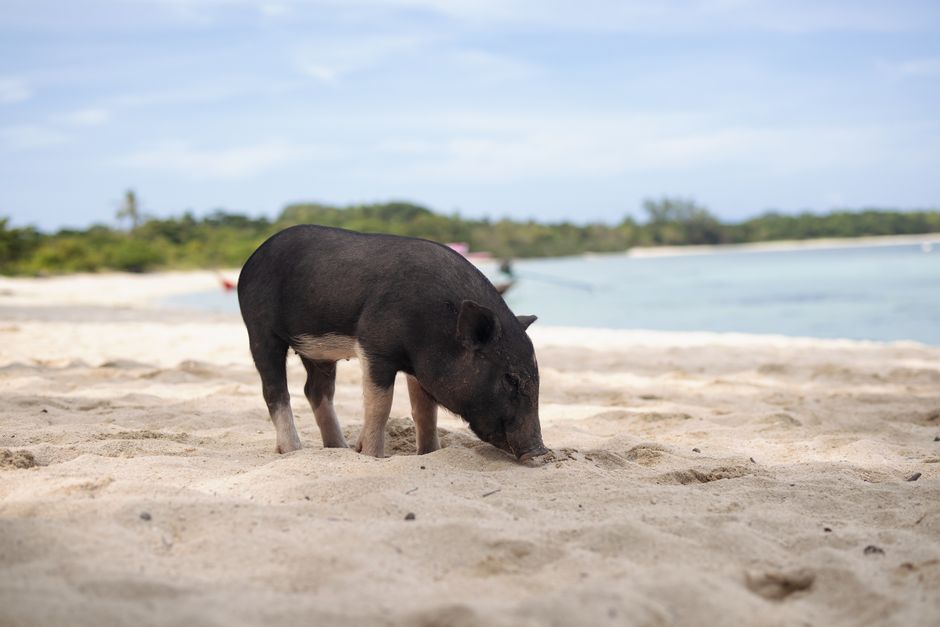
It’s a boat excursion to a small, uninhabited Bahamian island where a colony of feral pigs lives on the beach and swims out to greet visiting boats. The island is officially called Big Major Cay, though almost everyone just calls it Pig Beach or Pig Island. No one knows for certain how the pigs got there — the most repeated story is that sailors dropped them off decades ago as a future food supply and simply never came back for them, while another theory says a nearby resort introduced them as a tourist draw. Either way, they’ve been the Exumas’ unofficial mascots for years now.
These aren’t farm pigs behind a fence. They roam free on the sand, nap in the shade, and swim — genuinely swim, dog-paddle style — out to any boat that slows down near shore. Tour operators feed them regularly, which is why they’ve learned to associate engine noise with snacks and come running (or swimming) the second you arrive.
Most visitors experience it as a stop on a full-day Exuma boat tour rather than a destination on its own, usually paired with a snorkel stop at Thunderball Grotto and other Exuma day-trip highlights and a stop to see nurse sharks at Compass Cay.
Where Are the Bahamas’ Swimming Pigs Located?
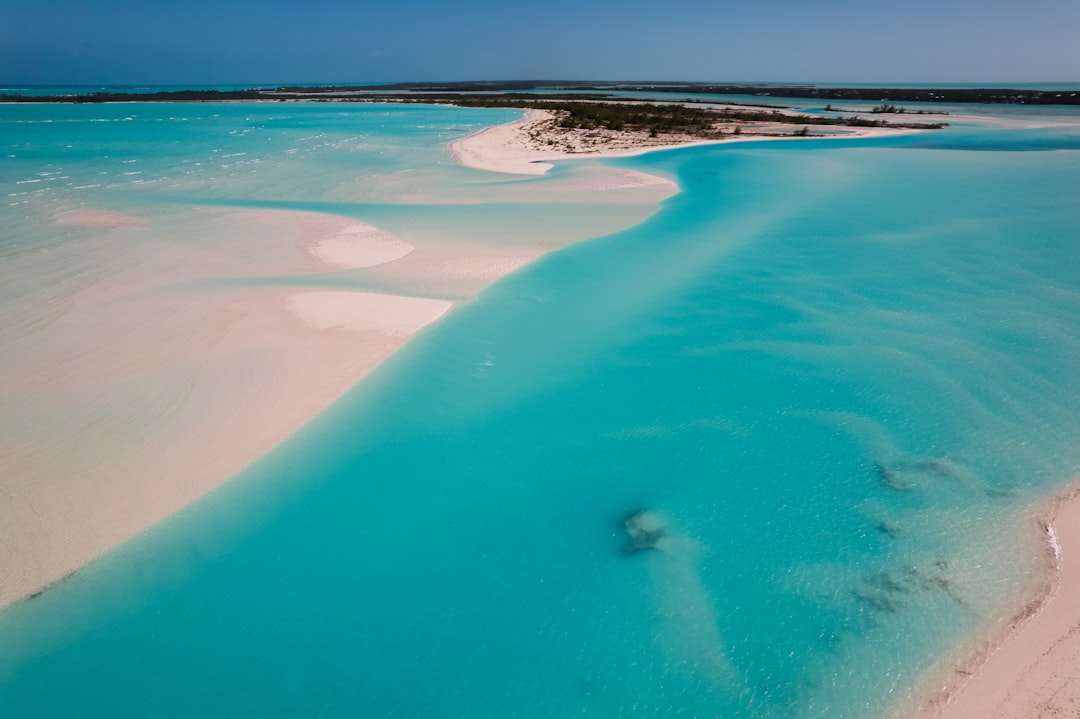
The swimming pigs live on Big Major Cay, a small cay in the Exuma island chain roughly midway down the Bahamas’ 365-island Exuma archipelago. Big Major Cay sits close to Staniel Cay, which functions as the unofficial gateway town for pig-related tourism — it has an airstrip, a marina, and a handful of small tour operators.
Exuma itself is a district of the Bahamas made up of dozens of cays stretching between Nassau (to the north) and Great Exuma / George Town (to the south). Big Major Cay is uninhabited apart from the pigs, so there’s no dock, no facilities, and no shade structure — you arrive by boat, anchor a short distance from shore, and either wade or swim in.
Because the island has no infrastructure, every visit is boat-dependent. There’s no road access and no way to walk there from anywhere else, which is the main reason this trip takes more planning than a typical beach day.
How to Get to the Swimming Pigs From Nassau or Exuma
You reach the swimming pigs by boat, and you reach the boat by flying into either Nassau (NAS) or George Town, Exuma (GGT), then either taking a puddle-jumper flight, a longer speedboat charter, or booking a tour that starts directly from George Town or Staniel Cay. There’s no way to walk, drive, or ferry there — it’s boat access only, either as a day trip or an overnight stay on Staniel Cay itself.
Two realistic routes:
- Fly into Nassau, then take a day-tour boat. Operators such as Powerboat Adventures run long day trips from Nassau that combine pig beach, Thunderball Grotto, and a sandbar stop — the boat covers roughly 80 miles of open water each way, so expect a genuinely early departure (many leave the marina before 8am) and a full day on the water.
- Fly into George Town or Staniel Cay, then charter a shorter boat trip. This cuts the boat time dramatically since you’re already in the Exumas, and it’s the better option if you’re staying on Great Exuma or Staniel Cay for a few nights.
Since almost every route starts with a flight, it’s worth comparing fares before you book — search flight options to Nassau or George Town on Aviasales to see which routing actually saves you a connection. If your arrival lands you late in Nassau, arranging an airport transfer through Welcome Pickups is one less thing to sort out after a long travel day.
| Starting Point | Typical Boat Time to Pig Beach | Best For |
|---|---|---|
| Nassau (day tour) | Around 2.5–3 hours each way by fast boat | Travelers who don’t mind a long, early-start day |
| George Town, Exuma | Roughly 60–90 minutes | Travelers based in Great Exuma |
| Staniel Cay | Under 15 minutes | Anyone staying at Staniel Cay Yacht Club or nearby |
How Much Does a Bahamas Pig Beach Tour Cost?
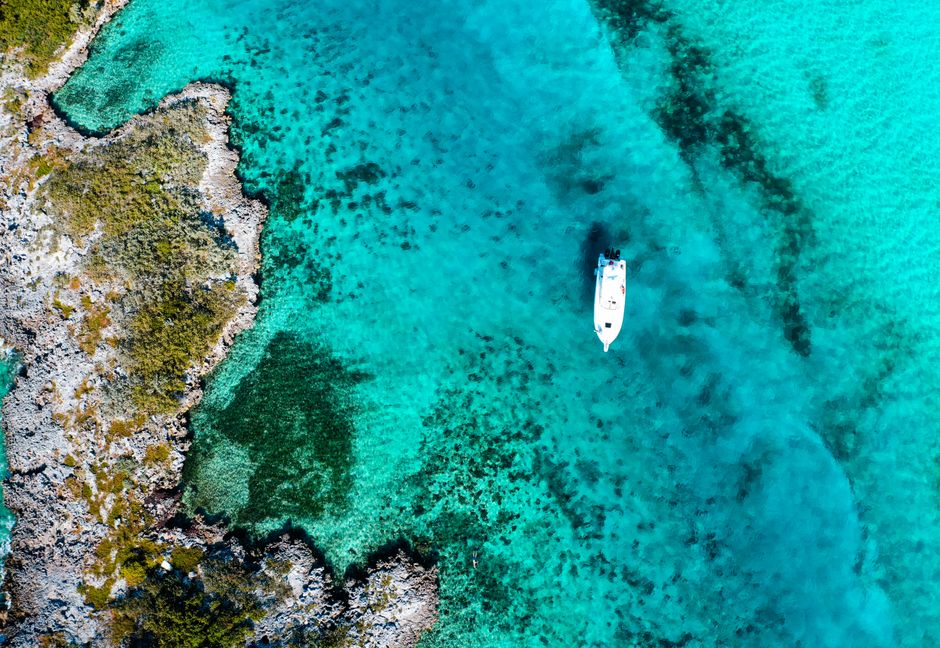
A shared day tour from Nassau generally runs around $150–$250 per person, since it usually bundles pig beach with Thunderball Grotto, a sandbar lunch stop, and snorkeling — and given the near six-hour round-trip boat time, most itineraries also include a boxed lunch on board. Private charters cost considerably more but let you set your own pace and skip the crowds. Trips starting from George Town or Staniel Cay tend to be cheaper simply because the boat ride is so much shorter, sometimes landing closer to $100–$180 per person for a half-day option — but always confirm current pricing directly with the operator, since rates shift with fuel costs and season.
Best time to go, weather-wise: December through April is the Bahamas’ dry season, with calmer seas and lower humidity, making for a smoother boat ride out to the cays. June through November is hurricane season, and while plenty of trips still run, rougher seas can cancel tours with little notice — worth knowing if your schedule is tight.
Given how weather-dependent a boat excursion is, it’s worth thinking about coverage for the trip as a whole, not just the pig tour itself. If you’re already looking at travel insurance for an adventure-heavy Caribbean itinerary, a Bahamas boat-and-island trip is a reasonable one to have it for, since delays or missed connections between islands aren’t unusual.
Enjoying This?
Get more guides like this — plus flight deals — sent straight to your inbox.
Swimming With the Pigs: Rules, Safety & Etiquette
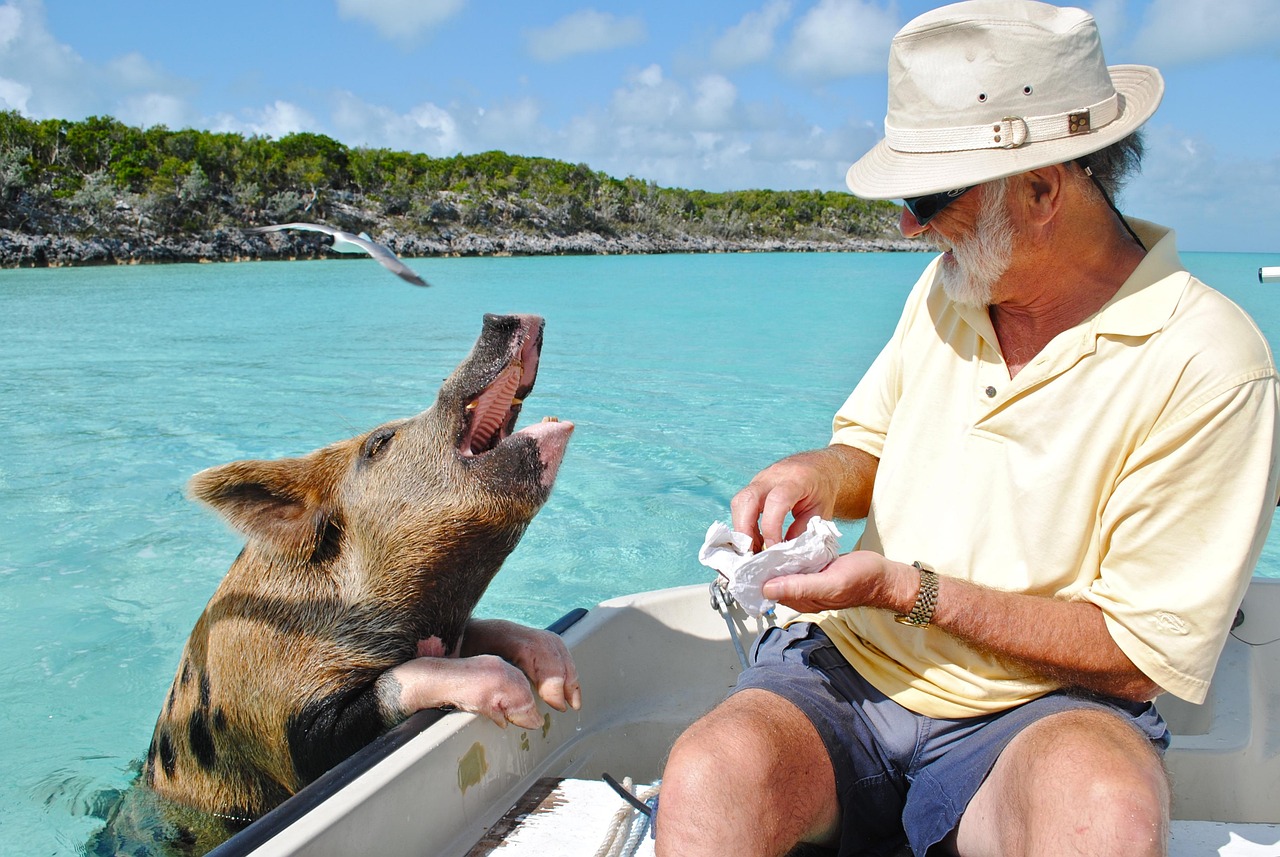
Yes, it’s generally safe, but these are still wild-living animals with teeth, and a few precautions make a real difference. The pigs are used to people and boats, but they’re not pets — treat the visit more like a wildlife encounter than a petting zoo. On a typical Powerboat Adventures or Staniel Cay Yacht Club run, the crew briefs the group on the beach before anyone gets in the water, and that five-minute talk is worth actually listening to rather than tuning out for photos.
- Don’t feed them bread, junk food, or anything processed. It’s bad for them and has reportedly contributed to pig deaths in the past; if you feed them at all, stick to what your tour operator provides, which is usually fresh produce like carrots or lettuce.
- Never feed them from your hand while swimming. Toss food into the water instead — a hungry 200-pound pig lunging for food near your fingers is how bites happen. Most crews will hand you food already on a paper plate specifically so you toss rather than hold it out.
- Keep young kids close. The pigs are generally gentle but big, and a nervous pig near a small child in open water is not a great combination. Several operators suggest kids stay in the shallows near the sand rather than swimming out to meet the boat.
- Skip the visit if you’re uneasy around animals in water. Several pigs at once, swimming toward your boat, can feel overwhelming even for confident swimmers.
- Watch the timing your guide gives you. Guides know when the pigs are typically on the beach versus resting inland, and timing affects how good your photos and interaction actually are — mid-morning tends to be more reliable than the heat of midday, when pigs often retreat to shade.
- Don’t chase or corner a pig for a photo. Let it approach you rather than the other way around; a startled pig on wet sand can move faster than you’d expect.
Worth packing beyond the basics: reef-safe sunscreen (regular sunscreen is discouraged around the cay’s shallow reef flats), water shoes for the shell-strewn shoreline, a dry bag or waterproof phone pouch since you’ll be wading with your hands full, and a few small bills in case your operator sells drinks or souvenirs dockside. See our Caribbean adventure packing list for the fuller rundown of what actually earns its space in a carry-on.
Other Things to Do Near the Swimming Pigs
Thunderball Grotto is the obvious add-on — a partially submerged limestone cave near Staniel Cay, famous for its cameo in the James Bond film of the same name, with a swim-through entrance and shafts of light pouring in from holes in the cave ceiling. Most day tours schedule it right before or after the pig stop since they’re minutes apart by boat.
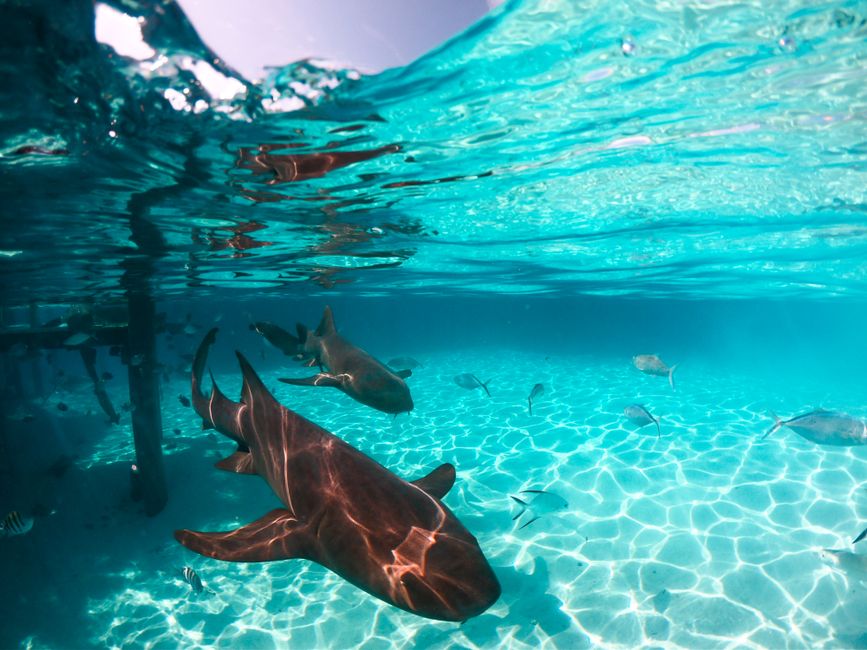
Compass Cay is another common stop, known for calm, shallow water where nurse sharks gather right off the dock — nurse sharks are bottom-feeders and considered low-risk to swim near, though guides will still brief you on how to behave around them. Staniel Cay itself is worth an hour if your tour allows it: a small marina town with a yacht club restaurant that’s a good lunch stop between water activities.
If you’re building a longer Exuma itinerary rather than a single day trip, most of these stops cluster tightly enough that a two- or three-day boat-and-island loop covers pig beach, the grotto, and the sharks without feeling rushed.
Frequently Asked Questions
Can you actually swim with pigs in the Bahamas?
Yes — on Big Major Cay in the Exuma Cays, feral pigs swim out to greet boats and visitors can swim alongside them in shallow water near the beach. It’s one of the most photographed wildlife encounters in the Bahamas.
Where exactly are the swimming pigs located?
They live on Big Major Cay, also called Pig Beach, a small uninhabited island in the Exuma chain near Staniel Cay. It’s boat-access only, with no roads or ferry connecting it to nearby cays.
How much does a Bahamas pig beach tour cost?
Shared day tours from Nassau typically run around $150–$250 per person, while shorter trips from George Town or Staniel Cay can cost less due to the shorter boat ride. Prices vary by operator and season, so confirm current rates before booking.
Do the swimming pigs bite?
They can, particularly if hand-fed directly or crowded by too many swimmers at once. Tossing food rather than hand-feeding, and keeping a respectful distance, largely avoids the issue.
Can you visit the swimming pigs from Nassau in a day?
Yes, several operators run full-day tours from Nassau that include pig beach, Thunderball Grotto, and a sandbar stop, though it makes for a long day — the boat ride alone is around 2.5–3 hours each way, on top of time spent at each stop.
What’s the best time of year to swim with the Exuma pigs?
December through April offers the calmest seas and driest weather, making for a smoother boat ride and generally better visibility for snorkeling stops along the way.
Ready to Meet the Pigs?
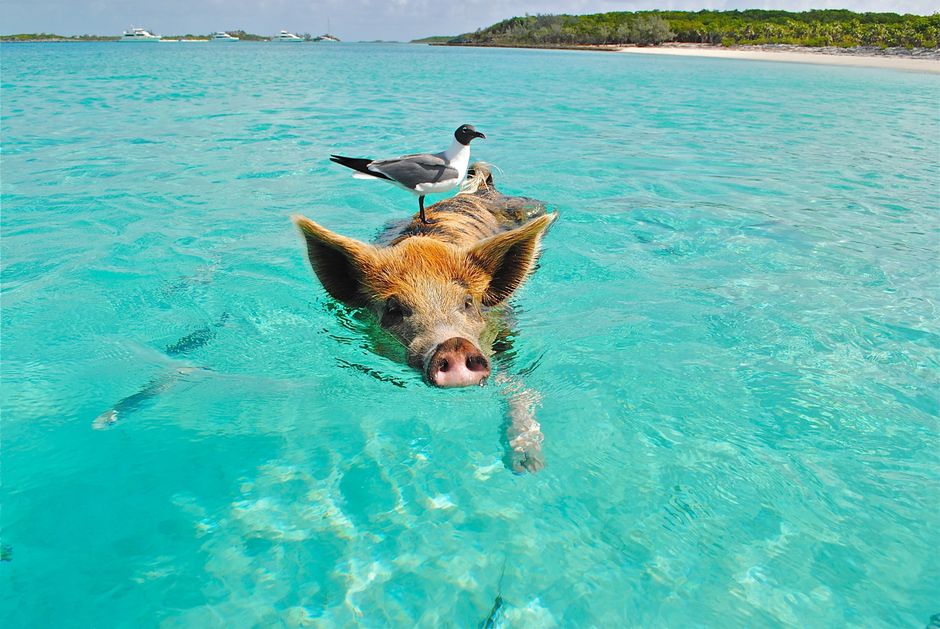
The Exuma swimming pigs are one of those bucket-list moments that genuinely lives up to the hype — strange, funny, and unlike anything else you’ll do on a Bahamas trip. The trip takes some planning since it’s boat-only and weather-dependent, but pairing it with Thunderball Grotto and Compass Cay turns one odd animal encounter into a full, memorable day on the water.
Start by locking in your flights to Nassau or George Town — compare current fares on Aviasales before choosing your tour operator, since your arrival airport determines which pig-beach route makes the most sense. If your itinerary has a few moving boat-and-flight connections, it’s also worth glancing at travel insurance options for the trip before you go.
Never Miss a Deal
Get the best travel tips, festival guides & flight deals straight to your inbox.

Gbuska is the founder and lead writer at WanderFunTrip. What began as one too many 3 a.m. festival fields and a $40 flight booked on a whim turned into a full-time habit of testing adventure trails, party cities, and adults-only resorts firsthand — then writing up what actually worked (and what didn't). Every guide here starts from a real trip or a real booking, never a press release. Usually somewhere between a departures board and the next cliff jump.