Standing on the edge of Gubavica waterfall, 55 meters of empty air between me and the emerald pool below, I questioned every life choice that led me here. The guide’s voice echoed off canyon walls: “Just lean back and trust the rope.” That moment before my first rappel in Cetina canyon changed everything I thought I knew about adventure travel in Croatia. Flying to Split? Use our Kiwi Nomad tool to find the cheapest multi-stop routes.
Canyoning Split Croatia isn’t just another tourist activity – it’s your gateway to hidden Croatia that most visitors never see. This complete guide covers everything from choosing the right Cetina River route to packing essentials, based on real experience navigating these ancient limestone canyons. You’ll discover which operators actually know what they’re doing, when to visit for perfect conditions, and exactly what to expect on your first Croatian canyoning adventure.
Why Canyoning the Cetina River Is Unlike Anything Else in Europe
The Cetina River carved these canyons over millions of years, creating Europe’s most accessible yet dramatic canyoning destination. While other European spots require technical climbing skills or multi-day expeditions, Cetina canyon delivers world-class thrills just 20 minutes from Split’s old town.
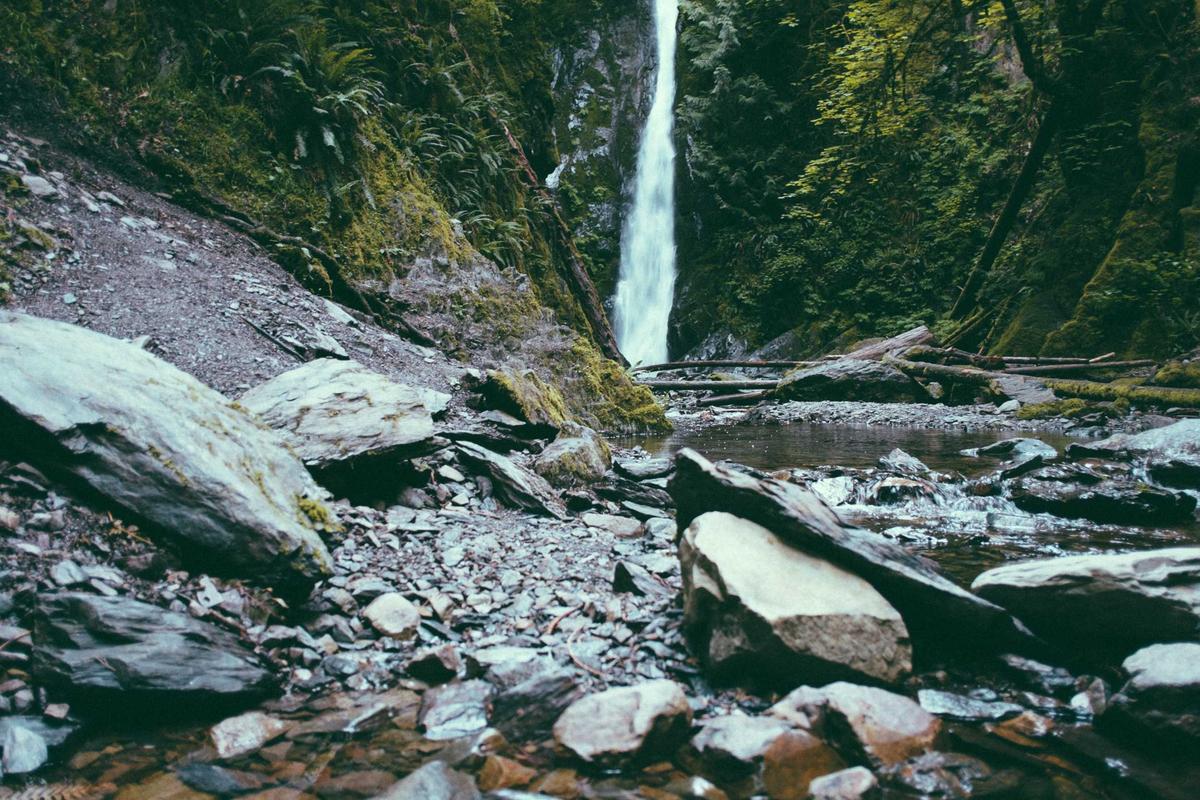
What sets Cetina apart is the perfect storm of geography and accessibility. Crystal-clear spring water maintains 8-12°C temperatures year-round, feeding a series of waterfalls that range from gentle 3-meter slides to the heart-stopping 55-meter Gubavica drop. These aren’t your typical alpine torrents – Cetina’s limestone-filtered water creates an otherworldly blue-green color that photographs can’t capture.
The canyon system offers something unique in adventure sports: genuine progression. Start with basic jumps and slides in the morning, then work up to rappelling down waterfalls that would terrify you at breakfast. I’ve watched complete beginners go from nervous giggles to confident whoops in a single afternoon.
Transportation logistics make Cetina unbeatable for European canyoning. Most operators pick you up directly from Split accommodations, meaning you’re rappelling down waterfalls within 90 minutes of leaving your hotel. Compare this to Swiss or French canyon adventures that require overnight stays and expensive mountain guides.
The local guiding scene has matured rapidly since 2010, when canyoning Split Croatia was still underground. Today’s certified operators blend international safety standards with intimate knowledge of Cetina’s moods and hidden spots. They know which pools are deep enough for jumps, where flash floods might threaten, and secret routes that skip the tourist crowds.
Weather plays perfectly into Cetina’s hands too. While northern European canyons shut down in winter or become dangerous after storms, Cetina maintains consistent conditions from April through October. The surrounding Mediterranean climate means you’re not racing against mountain weather windows.
The 3 Cetina Canyon Routes: Which One Is Right for You
Cetina offers three distinct canyoning experiences, each targeting different skill levels and adrenaline tolerances. Understanding these routes before booking prevents disappointment and ensures you get maximum adventure for your comfort zone.
Lower Canyon (Beginner Route – €45-50)
Perfect for first-timers and anyone wanting taste-test thrills without commitment. This 2.5-hour adventure starts in Zadvarje village and covers 800 meters of gentle canyon. You’ll practice basic techniques on 3-5 meter jumps and natural slides before attempting your first real rappel down a 12-meter waterfall.
The lower route focuses on building confidence rather than testing limits. Guides spend extra time on safety briefings and technique practice. Most participants are families with teenagers or adults who want Instagram-worthy photos without extreme sports intensity. Water depth stays consistently safe for jumps, and escape routes exist if someone needs to bail early.
Middle Canyon (Intermediate Route – €55-60)
The sweet spot for most adventure seekers. Middle canyon delivers genuine thrills while remaining manageable for reasonably fit beginners. This 3.5-hour journey includes multiple 15-25 meter rappels, natural toboggan slides, and jumps up to 8 meters into deep pools.
What separates middle canyon from beginner routes is psychological intensity. You’ll face moments where backing down isn’t really an option – like rappelling into narrow slots where the only way out is down. The famous “washing machine” section tosses you through hydraulic currents that feel more powerful than they actually are.
Groups typically mix experienced adventurers with confident beginners. Guides maintain safety focus but expect participants to follow instructions quickly and trust their equipment. If you’ve done via ferrata, rock climbing, or serious hiking, middle canyon provides perfect progression into technical canyoning.
Upper Canyon Advanced (€60-65)
Reserved for experienced canyon enthusiasts or those seeking maximum adrenaline. Upper canyon features the legendary 55-meter Gubavica waterfall rappel – one of Europe’s most spectacular single-pitch canyon descents. This 4-5 hour commitment includes technical rope work, narrow slot navigation, and jumps that require perfect form.
Advanced routes assume participants understand rope systems and can follow complex safety protocols under pressure. Guides focus on route finding and technical challenges rather than basic instruction. Weather sensitivity increases dramatically – upper canyon closes during spring runoff or after heavy rains when water levels spike dangerously.
Physical demands escalate significantly. Expect sustained hiking over slippery limestone, extended time in cold water, and situations where you’ll be managing your own safety equipment. The psychological factor intensifies too – some rappels offer limited visibility of landing zones below.
PRO TIPS FOR ROUTE SELECTION:
- Book middle canyon if you’re athletic but canyoning-inexperienced
- Choose lower canyon for family groups with kids 12-16 years old
- Only attempt upper canyon if you’ve completed multiple middle canyon trips
- Weather can downgrade your booking – operators prioritize safety over customer preferences
- May and September offer best conditions across all difficulty levels
Don’t skip travel insurance for adventure activities. EKTA offers comprehensive coverage starting from 30 EUR that includes extreme sports like canyoning and rappelling.
What to Expect on the Day: Hour by Hour Breakdown
Understanding the timeline eliminates pre-adventure anxiety and helps you prepare mentally for each phase. Most operators follow similar schedules, with timing adjusted for route difficulty and group size.
7:30-8:30 AM: Hotel Pickup and Drive
Your adventure begins with pickup from Split accommodations. Reputable operators provide specific pickup times and vehicle descriptions the evening before. The 45-minute drive to Zadvarje village gives you time to meet fellow adventurers and chat with guides about the day ahead.
Use this drive time strategically. Ask guides about their experience levels, safety protocols, and specific route conditions. Good operators encourage questions and provide honest assessments of weather or water level changes that might affect your itinerary. The road to Cetina canyon is scenic but winding – take motion sickness precautions if you’re sensitive.
9:00-9:30 AM: Gear Up and Safety Briefing
Equipment fitting takes 15-20 minutes but determines your entire day’s comfort. Don’t rush this process or accept poorly fitting gear. Wetsuits should feel snug but not restrictive, helmets must sit securely without sliding, and harnesses need proper adjustment for your body type.
Safety briefings vary dramatically between operators. Quality outfitters demonstrate rope techniques, practice commands you’ll hear in the canyon, and ensure everyone understands emergency procedures. They’ll also gauge group dynamics and adjust plans based on participant experience levels. Red flag warning: operators who rush briefings or skip equipment checks.
9:30-10:00 AM: Hike to Canyon Entry
The 20-minute approach hike serves as warm-up and final confidence builder. Trails can be slippery when wet, so pay attention to footing rather than scenery. Guides use this time to point out geological features, explain how canyons formed, and build group cohesion before technical sections begin.
This hike also provides last chances for bathroom breaks and final gear adjustments. Once you’re committed to the canyon route, exit options become limited. Smart participants use this time to hydrate properly and apply any needed medications or energy supplements.
10:00 AM-1:00 PM: The Main Event
Canyon progression follows a logical sequence designed to build skills and confidence. Initial activities include simple water entry, basic swimming in current, and short slides down natural rock chutes. These “warm-up” challenges let guides assess individual comfort levels and adjust group management accordingly.
Technical elements escalate gradually. First rappels typically occur on practice cliffs away from major waterfalls. Guides check everyone’s rope handling and comfort with exposure before committing to bigger drops. Jump sequences start small and increase based on group enthusiasm and individual capabilities.
Peak experiences vary by route but always include signature elements that make Cetina canyoning memorable. For middle canyon, this means the big waterfall rappel where you descend through mist and spray. Advanced routes culminate with Gubavica’s 55-meter drop that feels like controlled free-falling into paradise.
1:00-2:00 PM: Recovery and Return
Canyon exit points back to solid ground where the psychological shift from adventure to normal life begins. Most participants experience a combination of relief, accomplishment, and immediate desire to do it again. This is when guides typically share group photos and discuss technique improvements for future trips.
The return drive includes stops for gear removal and cleaning. Quality operators provide towels, changing areas, and sometimes hot beverages to combat post-canyon chills. Use this time to exchange contact information with fellow adventurers and discuss other Split outdoor activities with your guide.
Book your transfer back to Split in advance with Welcome Pickups if you’re extending your adventure beyond the group return time.
How to Choose a Canyoning Operator in Split (Certifications, Red Flags, What to Ask)
Croatia’s canyoning boom attracted legitimate outfitters alongside cowboy operators who prioritize profit over safety. Distinguishing between them requires knowledge of proper certifications, equipment standards, and business practices that protect both your safety and wallet.
Essential Certifications and Licensing
Legitimate canyoning operators must hold specific Croatian certifications that verify guide training and equipment standards. Look for companies displaying UIAA (International Climbing and Mountaineering Association) certification or equivalent Croatian mountaineering federation credentials. These aren’t just wall decorations – they represent hundreds of training hours and regular safety audits.
Insurance documentation should be readily available and current. Reputable operators carry comprehensive liability coverage and can provide policy details upon request. If operators deflect insurance questions or claim coverage isn’t necessary, walk away immediately. Croatia requires commercial adventure operators to maintain specific insurance minimums.
Guide credentials matter more than company marketing. Individual guides should hold canyon-specific certifications, not just general outdoor leadership qualifications. Ask about guide-to-participant ratios – quality operators maintain 1:6 maximums for technical canyoning, with additional guides for larger groups.
Equipment Standards and Red Flags
Professional canyoning requires specialized gear that costs thousands of euros to outfit properly. Legitimate operators invest in quality equipment and replace items according to manufacturer specifications. Inspect wetsuits, helmets, and harnesses for obvious wear, proper fit ranges, and recent inspection tags.
Rope quality is non-negotiable but difficult for customers to assess. Ask operators about rope replacement schedules and inspection protocols. Quality outfits retire dynamic ropes after specific usage hours or exposure to sharp rock, not when they look obviously worn.
Massive red flag: operators who provide minimal safety equipment or suggest participants can “tough it out” with inadequate gear. Cold water and technical terrain demand proper protection – there’s no room for cost-cutting on safety essentials.
Questions That Reveal Operator Quality
Smart questions expose operator competence and safety priorities before you commit financially. Ask about cancellation policies for weather conditions – good operators err on the side of caution and offer rescheduling or refunds when conditions become marginal.
Inquire about emergency procedures and evacuation plans. Professional operators maintain communication equipment, know exact GPS coordinates for all canyon locations, and have practiced evacuation scenarios. Vague answers about “calling for help” suggest inadequate emergency planning.

Request references from recent customers or online review verification. Quality operators eagerly share customer feedback and provide contact information for past participants. Be suspicious of operators with exclusively five-star reviews or no verifiable customer feedback.
Pricing Reality Check
Extremely low prices usually indicate corner-cutting on safety, insurance, or equipment quality. Legitimate half-day canyon trips cost €45-65 including transport from Split, equipment, and professional guiding. Operators charging significantly less often compromise essential safety elements.
Conversely, premium pricing doesn’t guarantee superior service. Some operators charge €80+ for identical experiences available elsewhere for €55. Research multiple options and compare exactly what’s included before assuming higher prices mean better value.
Group size affects both safety and experience quality. Operators managing groups larger than 8 participants often struggle to provide adequate individual attention during technical sections. Smaller groups cost more per person but deliver superior safety margins and personalized instruction.
Find cheap flights to Split with our multi-city flight hacks guide before booking your canyoning adventure.
Enjoying This?
Get more guides like this — plus flight deals — sent straight to your inbox.
Best Time to Go: Month-by-Month Guide to Cetina River Conditions
Cetina canyon operates year-round, but seasonal variations dramatically affect experience quality, safety margins, and crowd levels. Understanding month-by-month conditions helps optimize your timing for perfect adventure weather.
April: Season Opening
April marks Cetina’s awakening from winter dormancy, bringing both opportunities and challenges. Water levels run highest due to spring snowmelt from inland mountains, creating more dramatic waterfalls but potentially dangerous hydraulics in narrow sections. Advanced routes may close temporarily during peak runoff periods.
Weather remains unpredictable with possible rain storms that can flood canyons within hours. However, April offers some advantages: minimal crowds, fresh spring scenery, and enthusiastic guides eager to start the new season. Operators often provide early-season discounts to fill groups.
Air temperatures range 15-20°C, making post-canyon warming more challenging. Pack extra layers and hot beverages for comfort after extended cold-water exposure. April suits experienced adventurers comfortable with variable conditions rather than first-time canyon explorers.

May: Perfect Conditions Emerge
May hits the sweet spot for Cetina canyoning with stable weather, manageable water levels, and comfortable air temperatures. This month consistently delivers ideal conditions across all difficulty levels. Spring runoff moderates to safe levels while maintaining exciting flow rates through technical sections.
Tourist crowds remain light compared to summer peaks, allowing more personalized attention from guides and better photo opportunities at scenic spots. May’s moderate temperatures (18-23°C) provide comfortable recovery time between water activities without summer heat exhaustion risks.
Wildflowers bloom throughout canyon approaches, creating spectacular hiking conditions and Instagram-worthy scenery. May represents peak value timing – optimal conditions without premium summer pricing or crowd competition for popular time slots.
June-August: Peak Season Intensity
Summer brings maximum crowds, premium pricing, and challenging logistics alongside guaranteed weather stability. Air temperatures reaching 25-30°C make cold water exposure more tolerable, but intense sun creates different safety concerns including dehydration and heat exhaustion.
June through August requires advance booking due to high demand from European vacation schedules. Popular morning departure slots fill weeks ahead, forcing flexible travelers into less optimal afternoon timings. However, summer provides the most reliable weather windows and warmest post-activity recovery conditions.
Water levels drop to seasonal minimums, reducing some waterfall intensity but creating safer conditions for beginner routes. Canyon photography benefits from intense summer light penetrating deep slots and highlighting water clarity.
September: Return to Perfection
September rivals May as ideal canyoning season, combining stable late-summer weather with reduced crowds as families return to school schedules. Water temperatures remain comfortable while air temperatures moderate to pleasant 20-25°C ranges perfect for post-canyon activities.
Autumn light creates spectacular photography conditions with warm golden hour illumination lasting longer each day. September offers the year’s best combination of reliable weather, comfortable temperatures, and manageable crowd levels.
European vacation seasons wind down, returning pricing to reasonable levels while maintaining full operator availability. September suits all experience levels and provides optimal conditions for combining canyoning with other Split adventures.
October: Season Finale
October extends the canyoning season for those seeking shoulder-season value and minimal crowds. Early October maintains September’s advantages with comfortable temperatures and stable weather patterns. However, conditions deteriorate rapidly through the month as winter weather patterns establish.
Late October presents increasing weather volatility with potential storms that can create dangerous canyon conditions. Many operators reduce schedules or close advanced routes as daylight hours shorten and weather reliability decreases.
October works best for experienced adventurers comfortable with variable conditions and flexible scheduling around weather windows. First-time canyon visitors should prioritize more predictable spring or summer timing.
Winter Months: Limited Operations
November through March see most operators close or severely limit canyon operations due to weather unpredictability and reduced demand. Hardy operators may offer modified programs during stable weather windows, but these require significant flexibility and weather-dependent booking.
Search for the best deals on Aviasales when booking shoulder-season flights to maximize savings on your Croatian adventure.
What to Pack for Canyoning in Croatia (Gear Provided vs Bring Yourself)
Understanding what operators provide versus what you need to bring prevents equipment gaps that could ruin your canyon adventure. Quality outfitters supply technical gear while expecting participants to handle personal items and comfort essentials.
What Quality Operators Always Provide
Professional canyoning requires specialized technical equipment costing hundreds of euros per person. Legitimate operators provide full gear packages including 5mm wetsuits rated for extended cold-water exposure, properly fitting helmets meeting CE safety standards, and climbing harnesses designed specifically for canyon environments.
Footwear presents the biggest fit challenge since canyon boots must provide grip on slippery limestone while protecting feet from sharp rocks. Quality operators maintain extensive size ranges and offer backup options for difficult fits. Never accept ill-fitting canyon boots – they guarantee injury and discomfort.
Technical rope equipment including dynamic climbing ropes, rappel devices, and safety gear comes standard from professional outfitters. Participants never handle or manage their own technical hardware, but understanding what equipment exists enhances safety awareness and confidence.
Personal Items You Must Bring
Swimwear worn under wetsuits requires specific considerations for canyon conditions. Avoid cotton materials that retain water and cause chafing during extended wear. Quick-dry synthetic materials or quality athletic wear work best. Women should choose supportive athletic bikinis rather than fashion swimwear that might shift during active movements.
Sun protection becomes critical despite wetsuit coverage. Quality sunscreen rated SPF 30+ protects exposed face and hands during canyon approaches and recovery periods. Waterproof formulations resist washing off during water activities. Lip balm with SPF prevents painful sun damage to sensitive facial areas.
Personal medications including inhalers, emergency medications, or prescription items need waterproof storage solutions. Operators can’t provide medical equipment or handle medication management for participants. Consider waterproof cases or dry bags for essential medical items.
Comfort and Safety Extras
Quick-dry towels and warm layers for post-canyon recovery significantly improve comfort levels after hours in cold water. Microfiber towels pack small while providing superior absorption compared to hotel towels. Warm fleece or insulated jacket helps prevent hypothermia during gear removal and changing.
Secure storage for valuables requires planning since canyon environments offer no safe storage options. Waterproof phone cases allow photography while protecting expensive devices. Consider leaving unnecessary valuables at accommodations rather than risking loss in active canyon environments.
Energy snacks and hydration supplements help maintain performance during physically demanding activities. Canyon adventures burn significant calories while cold water exposure increases metabolic demands. Pack high-energy foods that won’t spoil in wet conditions.
Photography and Memory Making
Action cameras like GoPro models work excellently for canyon documentation, but require secure mounting systems that won’t interfere with safety equipment. Operators may provide helmet mounts or guidance on safe camera positioning for optimal footage without safety compromises.
Waterproof phone cases allow standard smartphone photography while protecting devices from water damage. However, focusing on photography can distract from safety awareness during technical sections. Balance documentation desires with full attention to guide instructions and environmental hazards.

Professional photography services offered by some operators capture high-quality images without participant distraction during technical sections. These packages typically cost €20-30 extra but provide superior image quality and comprehensive trip documentation without safety concerns.
Packing Strategy and Tips
Pack everything in waterproof dry bags or ziplock systems since storage areas may be exposed to spray and splash. Multiple smaller bags work better than single large containers for organization and backup protection. Test all waterproof systems before departure.
Leave cotton clothing at accommodations since it provides no insulation when wet and takes forever to dry. Synthetic materials or merino wool maintain warmth even when soaked and dry quickly during recovery periods.
For flight connections, check if your flight gets delayed over 3 hours – you could claim up to 600 EUR compensation automatically with Compensair to offset any missed adventure bookings.
Check out our full Split adventure guide for more gear recommendations and packing tips for Croatian outdoor activities.
FAQ
Do I need experience to go canyoning in Split?
No experience required for beginner routes on the Cetina River. Professional guides provide full safety briefings and equipment. Most operators welcome complete beginners aged 12 and up. The lower canyon route specifically caters to first-timers with gentle introductions to rappelling and jumping techniques.
How cold is the water in Cetina canyon?
Cetina River stays 8-12°C year-round, even in summer. This is why operators provide 5mm wetsuits, boots, and helmets. The cold water is refreshing but manageable with proper gear. Most people adapt to the temperature within 10-15 minutes of initial water entry.
What’s the best month for canyoning in Croatia?
May and September offer perfect conditions – stable weather, moderate crowds, and ideal water levels. July-August gets crowded but has the warmest air temperatures for drying off. April and October work for flexible travelers but bring more weather uncertainty.
How much does canyoning cost in Split?
Expect €45-65 per person for half-day trips including equipment and transport from Split. Beginner routes start at €45, while advanced canyon tours with longer rappels cost up to €65. Premium operators may charge slightly more but include additional safety measures and smaller group sizes.
Ready to Conquer Croatia’s Most Thrilling Canyon?
Canyoning Split Croatia delivers the perfect blend of accessible adventure and genuine thrills that you’ll remember long after your Croatian holiday ends. The Cetina River’s crystal-clear pools and dramatic rappels provide an unmatched introduction to one of Europe’s fastest-growing adventure sports.
Book your canyon adventure now while optimal weather windows remain available. No direct flights to Split? Kiwi.com specializes in multi-stop routes that bigger search engines miss, helping you reach Croatia’s adventure capital efficiently.
Your first rappel down Gubavica waterfall awaits – don’t let another Croatian summer pass without experiencing the country’s most spectacular hidden playground.
Never Miss a Deal
Get the best travel tips, festival guides & flight deals straight to your inbox.

Gbuska is the founder and lead writer at WanderFunTrip. What began as one too many 3 a.m. festival fields and a $40 flight booked on a whim turned into a full-time habit of testing adventure trails, party cities, and adults-only resorts firsthand — then writing up what actually worked (and what didn't). Every guide here starts from a real trip or a real booking, never a press release. Usually somewhere between a departures board and the next cliff jump.