Disclosure: This guide contains affiliate links. If you book through them we may earn a small commission at no extra cost to you. We only recommend services we’d use ourselves.
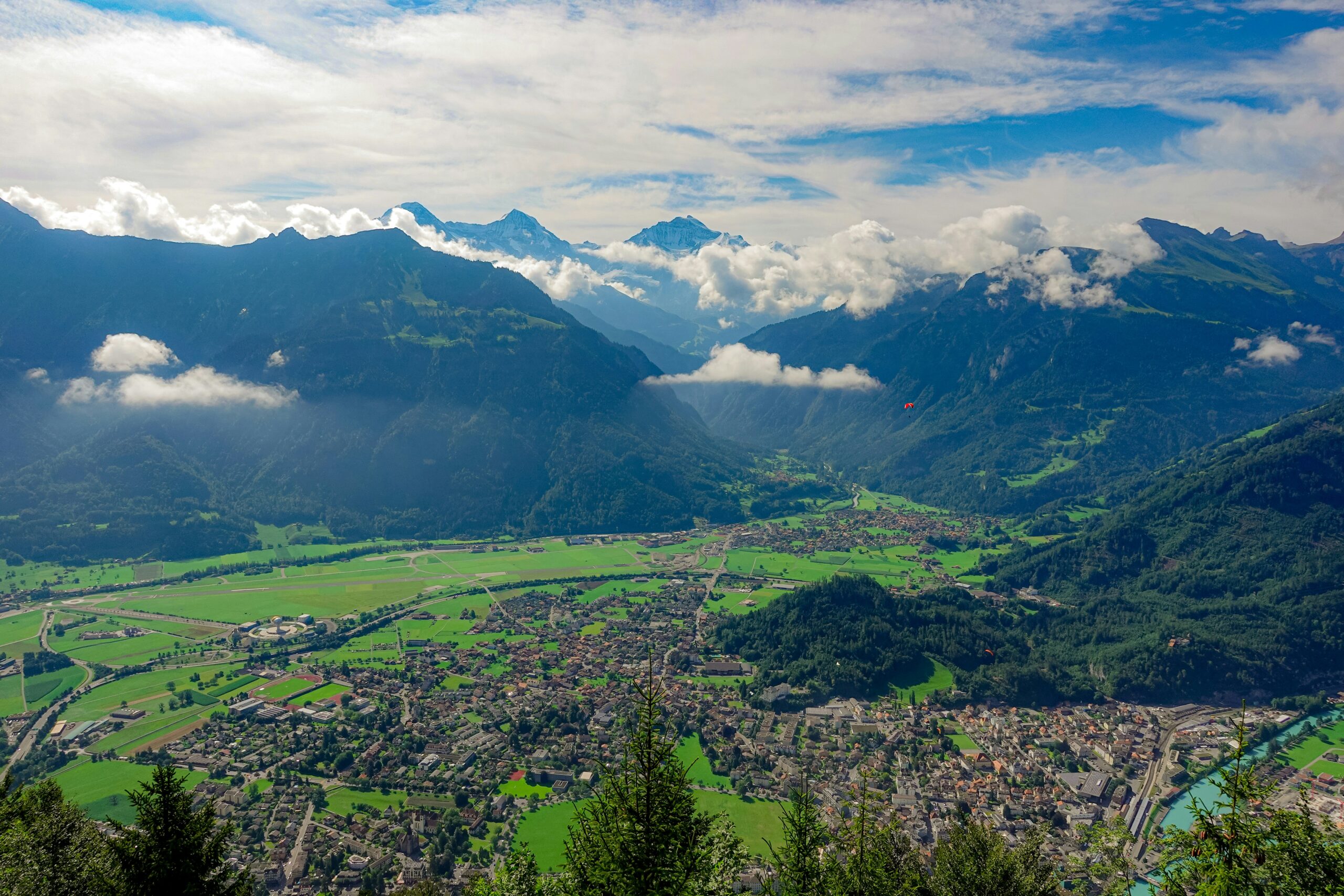
You’re standing at the edge of an open helicopter door, 4,000 metres above the Bernese Oberland. Below you, the turquoise lakes of Thun and Brienz glint between the Eiger, Mönch, and Jungfrau. In two seconds you’ll be falling toward them at 200 km/h. The only question left is the one you should answer before you book: is skydiving in Interlaken in 2026 actually worth the price — and what exactly are you paying for?
This guide breaks down every franc, walks you through the jump minute by minute, and gives you an honest verdict so you can decide whether this is the splurge that defines your Switzerland trip or one you can skip.
How Much Does Skydiving in Interlaken Cost in 2026?
Let’s start with the number everyone wants. A tandem skydive in Interlaken in 2026 costs roughly CHF 420–450 per person for the standard jump, though discounted booking platforms occasionally list it from CHF 342. The price you pay depends mainly on how you get to altitude — by airplane or by helicopter — and whether you add a video.
| Option | 2026 Price (approx.) | What’s included |
|---|---|---|
| Airplane tandem skydive (~4,000 m) | CHF 420 | Shuttle, briefing, gear, ~45s freefall |
| Helicopter tandem skydive (~4,000 m) | CHF 450 | Scenic 8–10 min heli ride + the jump |
| Altitude upgrade (~4,600 m) | +CHF 450 | Longer freefall, weather permitting |
| Video & photo package | +CHF 100–170 | Instructor-filmed footage of your jump |
| Extra helicopter flight time | +CHF 100 | More scenic minutes over the Alps |
Budget realistically. Most first-timers want the video — you will not remember the freefall clearly, and trust us, you’ll want proof. That pushes a helicopter jump with footage closer to CHF 550–620. Operators such as Skydive Interlaken (helicopter specialists) and the airplane teams based at the Interlaken airfield publish current rates on their booking pages, so confirm before you arrive.
What to Expect: Your Interlaken Skydive Minute by Minute
The whole experience takes about three hours, but the jump itself is over in minutes. Here’s the real timeline so there are no surprises.
- Pickup & check-in (0:00): A shuttle collects you from central Interlaken and drives you to the airfield or helipad. You’ll sign a waiver and get weighed — yes, weight matters (more on that below).
- Safety briefing (0:20): Your certified tandem instructor explains body position: head back, arch your hips, legs tucked. It’s simpler than it sounds, and your instructor controls everything that matters.
- The ascent (0:40): By helicopter, this is an 8–10 minute scenic flight up the Lütschental valley toward Schynige Platte, with the glacier lakes and the Eiger–Mönch–Jungfrau wall filling the windows. By airplane, the climb is a little longer but just as scenic.
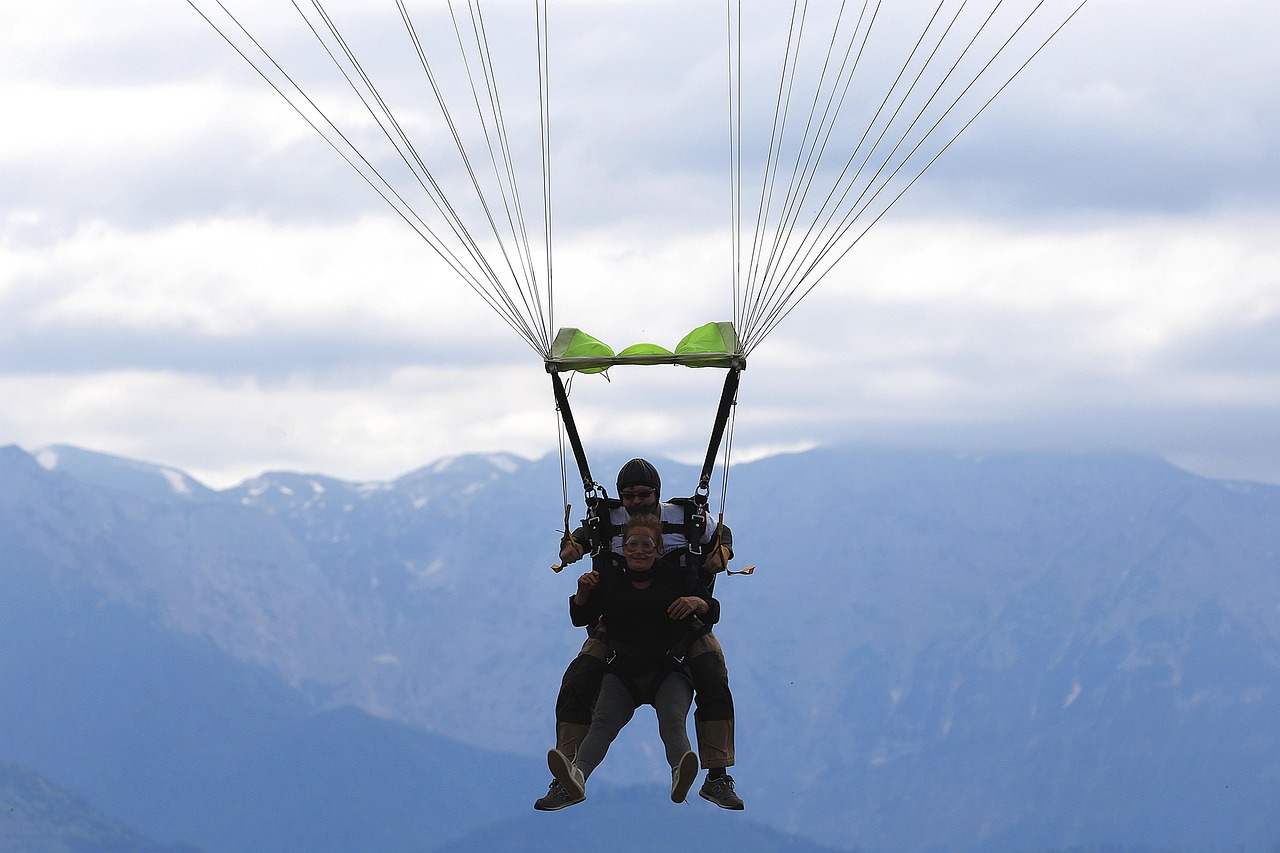
- The jump (1:05): The door opens, cold alpine air rushes in, and within seconds you’re in freefall — about 45 seconds at up to 200 km/h. It doesn’t feel like falling; it feels like floating on a hurricane.
- Canopy ride (1:08): The parachute opens around 1,500 m and you glide gently above Interlaken for four to five peaceful minutes, taking in a view most people never see.
- Landing & return (1:20): A soft landing in a field, high-fives all round, and the shuttle back. You’ll be buzzing for the rest of the day.
What does the freefall actually feel like? Not like the dropping sensation of a rollercoaster — that lurch in your stomach comes from acceleration, and within a second or two you reach terminal velocity and stop accelerating. After that it feels less like falling and more like lying on a column of solid, roaring air. The wind is deafening, your cheeks ripple, and the valley below barely seems to move because you’re so high. Then the canopy snaps open, the noise vanishes, and suddenly it’s silent enough to hear your own heartbeat as you drift over one of the most beautiful landscapes in Europe. That contrast — chaos to calm in a single breath — is what people really mean when they say it changed them.
Helicopter vs. Airplane Skydive: Which Should You Choose?
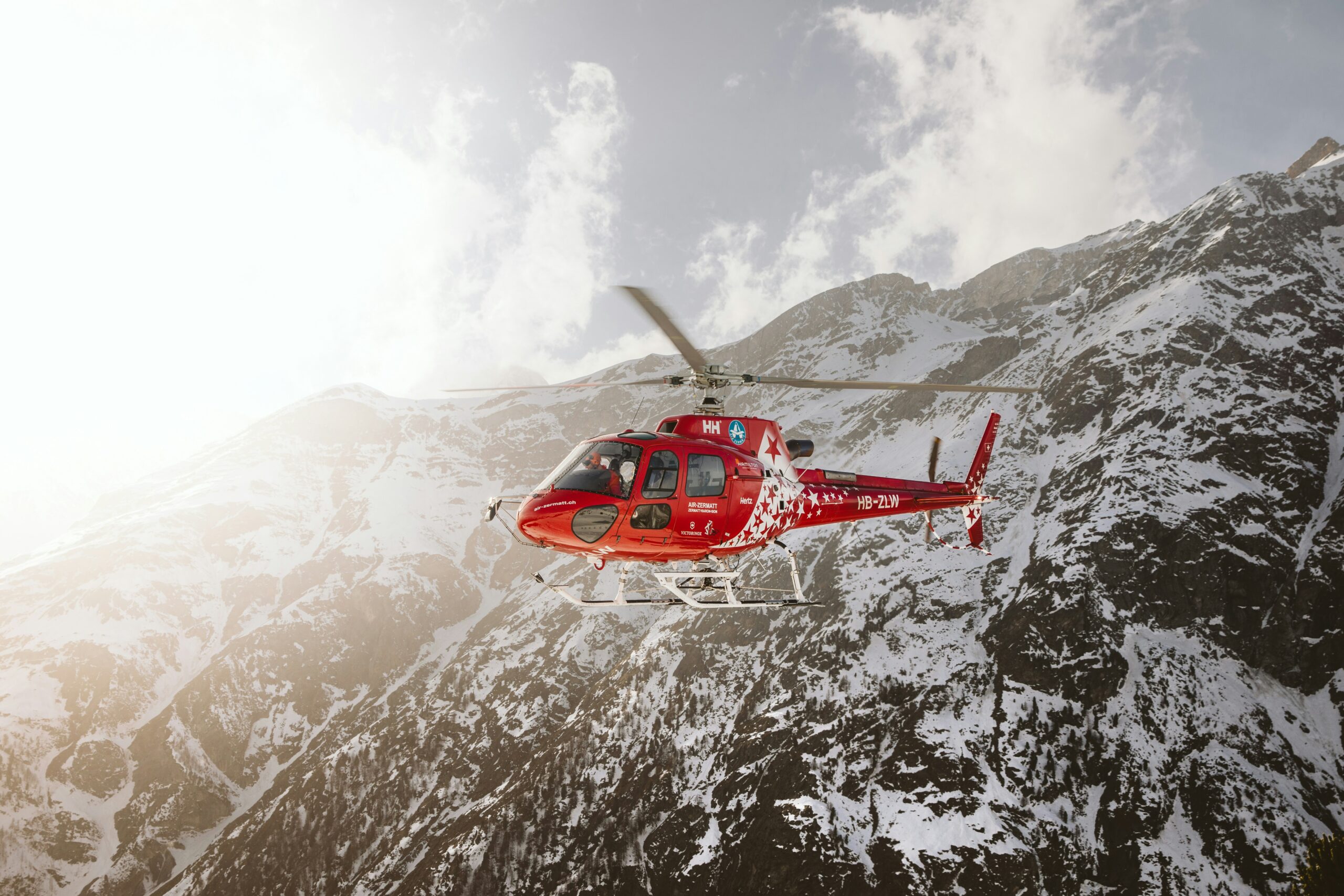
Most guides only sell you one option. Here’s the honest comparison, because the right choice depends on your budget and what you want from the day.
| Helicopter | Airplane | |
|---|---|---|
| Price | ~CHF 450 | ~CHF 420 |
| Scenic ascent | Spectacular, open-air feel | Great, but enclosed |
| Exit feeling | Dramatic — no propeller, pure drop | Classic skydive exit |
| Best for | Once-in-a-lifetime splurge | Value-focused first-timers |
Our take: if this is a bucket-list jump you’ll only do once, the helicopter’s open exit and Alpine ascent are worth the extra CHF 30. If you’re balancing a tight Switzerland budget, the airplane jump delivers the same heart-stopping freefall for less.
Is Skydiving in Interlaken Worth It in 2026?
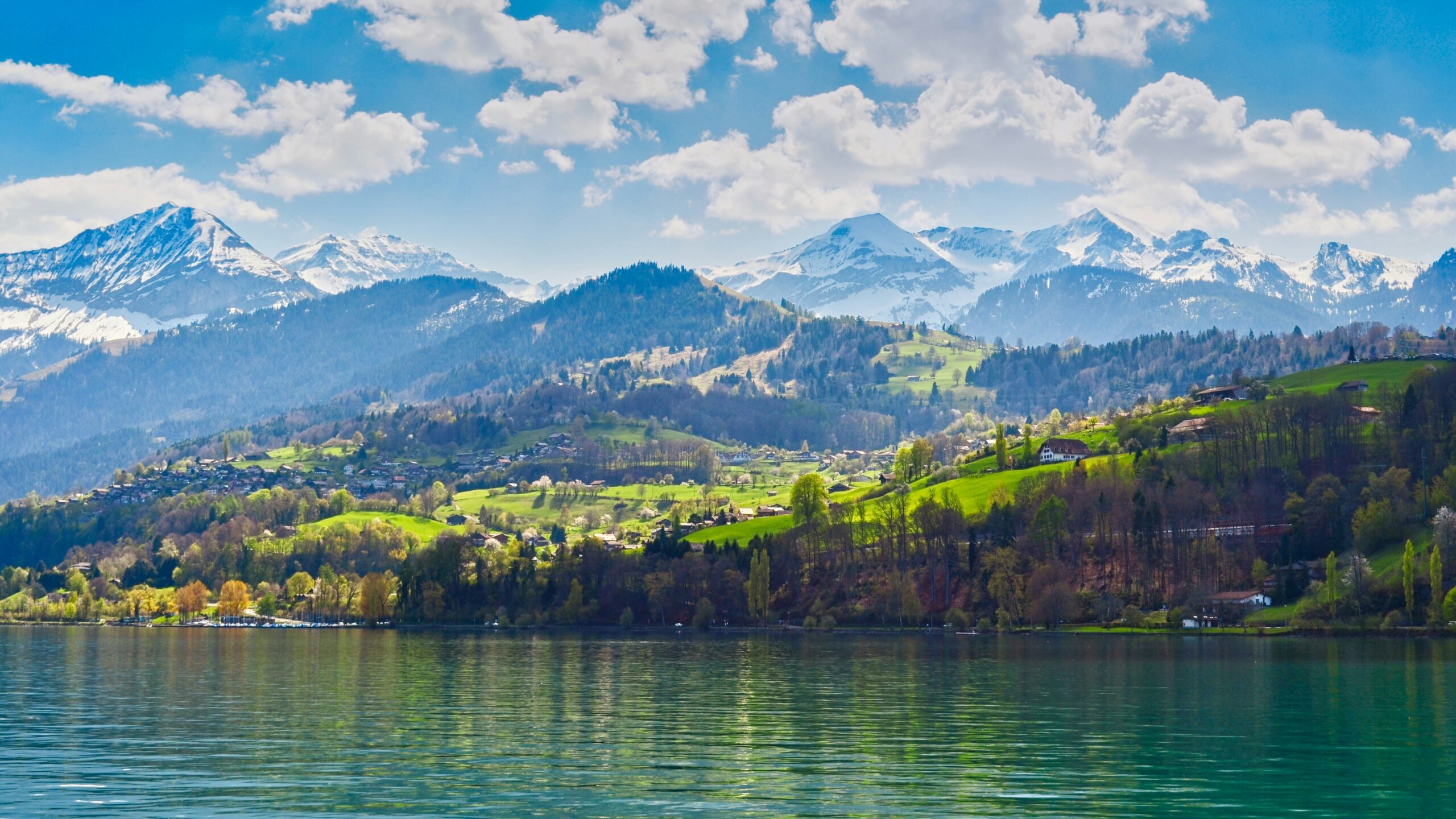
Here’s the part most operators won’t tell you straight. At CHF 450+, an Interlaken skydive is roughly two and a half times the price of tandem paragliding over the same valley — and paragliding lasts far longer in the air. So is the skydive worth it?
Yes, if freefall is the point. Nothing else in Interlaken delivers that specific 45-second adrenaline hit and the surreal calm that follows. Reviews are overwhelmingly positive, with jumpers repeatedly calling it “worth every franc” and “100% a once-in-a-lifetime experience.” For many travellers, it’s the single most memorable thing they do in Switzerland.
Maybe not, if you mainly want the views and a longer flight. In that case, the gentler, cheaper thrill of paragliding in Interlaken gives you more minutes in the air for less money. And if you’re chasing pure adrenaline on a budget, the nearby Verzasca Dam bungee jump is another world-class option to weigh up.
Our verdict: if your budget allows it and you’ve always wanted to skydive, Interlaken is one of the most beautiful places on earth to do it for the first time. The backdrop alone justifies the splurge.
Enjoying This?
Get more guides like this — plus flight deals — sent straight to your inbox.
How Interlaken Compares to Other Bucket-List Skydives
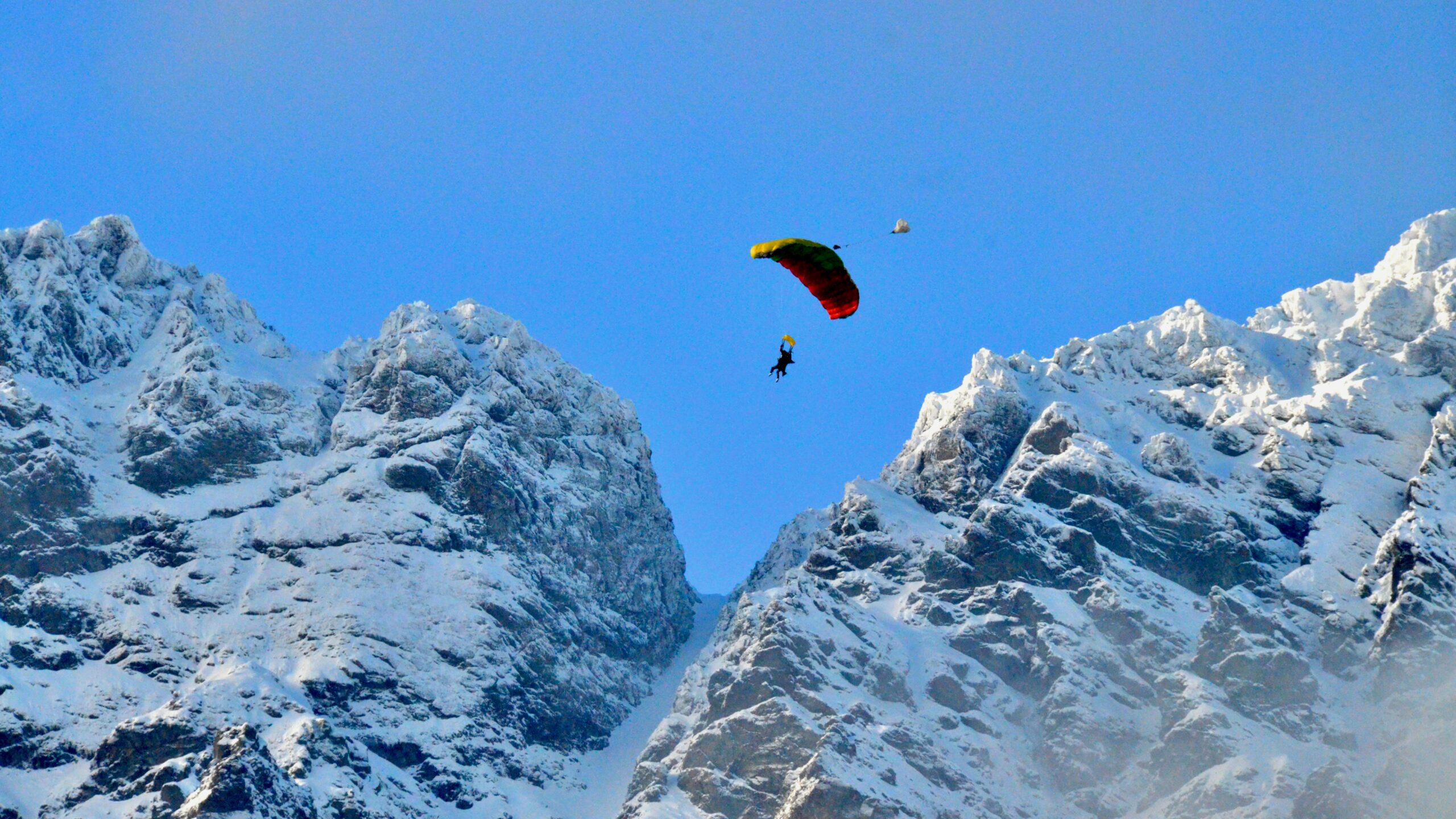
Skydiving exists in dozens of scenic spots worldwide, so why pay Swiss prices? Because the scenery and the format are genuinely rare. In most skydiving destinations — Dubai’s Palm, Australia’s beaches, New Zealand’s Lake Wanaka — you jump from a fixed-wing plane over flat or coastal terrain. Interlaken’s helicopter option and the sheer vertical drama of the Eiger, Mönch, and Jungfrau give you something few places can: a 4,000-metre wall of glaciated peaks as your backdrop the entire way down.
Price-wise, Interlaken sits at the premium end. A jump in the U.S. Midwest might run $250–300; Interlaken’s CHF 450 reflects both Switzerland’s cost of living and the helicopter logistics. But you’re not paying for the freefall alone — you’re paying for the view, and on a clear day there is arguably no more photogenic place on the planet to leave an aircraft. If you only ever skydive once, doing it here means the photos and the memory carry that unmistakable Alpine signature forever.
It also pairs perfectly with the rest of an Interlaken adventure itinerary. Many visitors stack a skydive with canyoning, paragliding, or a via ferrata across a few days, turning the town into a complete adrenaline basecamp. If that’s your plan, build a buffer day for weather and you’ll rarely leave disappointed.
How to Prepare: First-Timer Tips Nobody Mentions
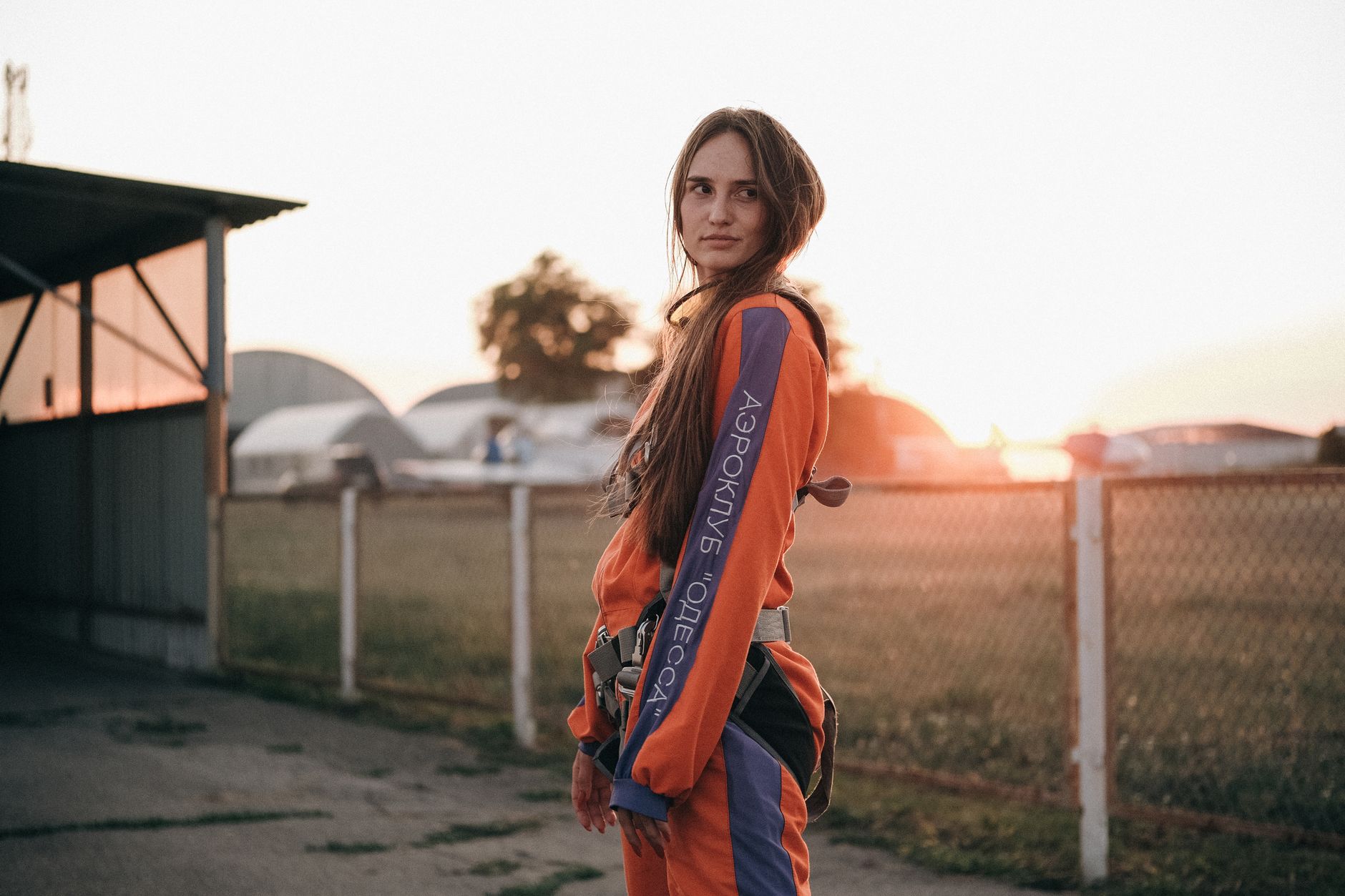
A few practical details make the difference between a smooth jump and a disappointing no-go.
- Weight and age limits: Most operators cap tandem passengers at around 95–100 kg and require participants to be 18+ (or 16+ with parental consent). Heavier jumpers may pay a surcharge — declare your weight honestly when booking to avoid a turned-away surprise.
- What to wear: Comfortable athletic clothes and lace-up trainers (no sandals or loose slip-ons). It’s cold at altitude even in summer, so a light layer under the provided jumpsuit helps. Leave loose jewellery and hats behind.
- Don’t over-eat, don’t skip food either: A light meal beforehand settles nerves better than an empty stomach.
- Weather is king: Skydives are cancelled or postponed for wind, cloud, and rain. Book for the start of your Interlaken stay so you have backup days if the weather turns — this is the single most common reason first-timers miss out.
- Glasses and contacts: Contacts are fine; glasses can be worn under provided goggles, but a strap is wise.
Best Time to Skydive in Interlaken & How to Book
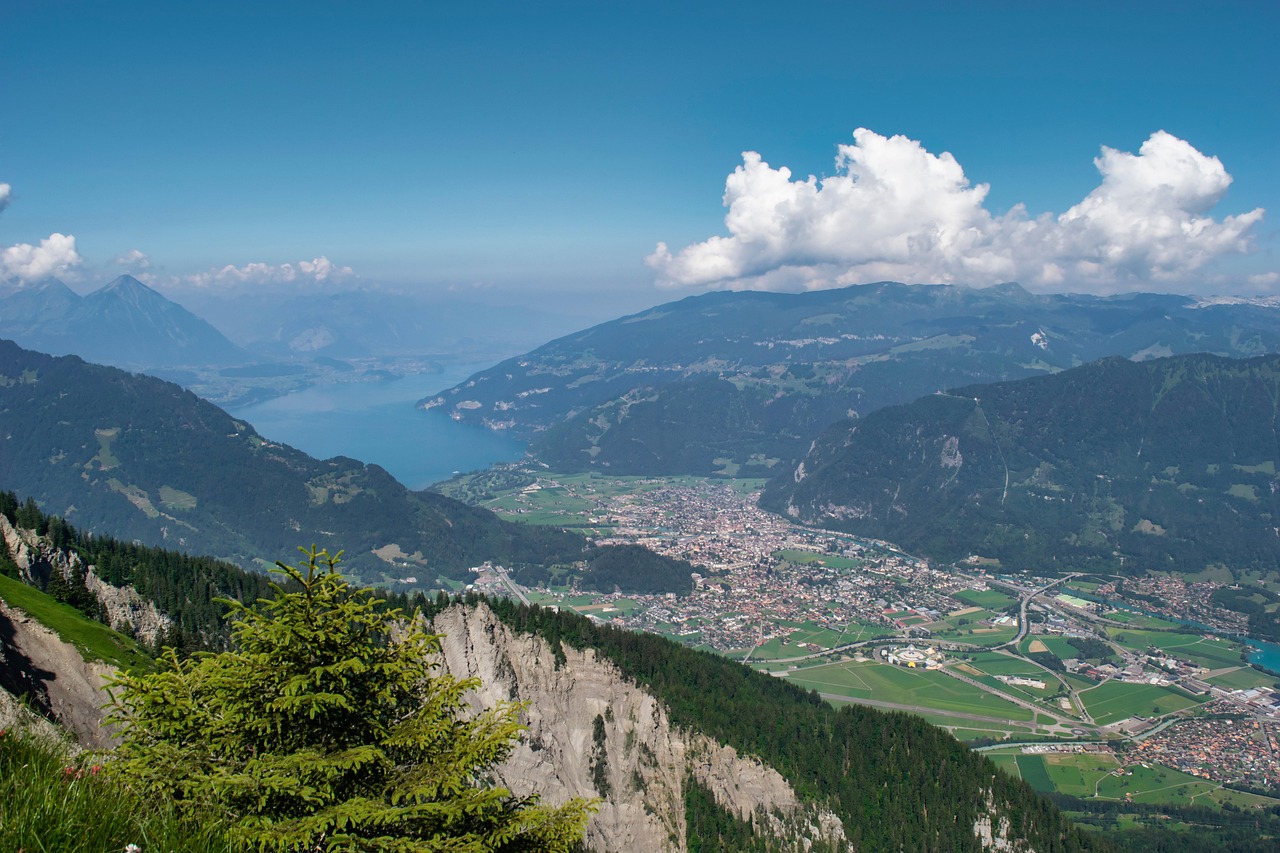
The skydiving season runs roughly April through October, with the most stable weather from June to September. Mornings typically offer calmer air and clearer Alpine views, so book the earliest slot you can. Summer weekends fill fast — reserve at least a few days ahead, especially in July and August.
Planning the wider trip? Lock in your flights to Zurich or Geneva early, since Swiss fares climb steeply in peak summer — comparing routes on Aviasales is the fastest way to find a deal and free up budget for the jump itself. And because adventure sports sit in a grey area on standard policies, it’s worth checking that your cover actually includes skydiving — EKTA travel insurance offers adventure-activity options designed for exactly this kind of trip. A CHF 450 jump is a lot to lose to a twisted ankle on landing with no cover.
Frequently Asked Questions
How much is skydiving in Interlaken in 2026?
Expect CHF 420 for an airplane tandem and around CHF 450 for a helicopter tandem, plus CHF 100–170 if you add a video package. Discount platforms sometimes list jumps from CHF 342.
How long does the whole experience take?
About three hours door to door, including pickup, briefing, ascent, the jump, and the shuttle back. The freefall itself lasts around 45 seconds.
Is skydiving in Interlaken safe?
Tandem skydiving with certified instructors and modern equipment is statistically very safe. You’re harnessed to a professional who handles the exit, freefall, and landing — your only job is to enjoy it.
Do I need any experience?
None. Tandem jumps are designed for complete first-timers; the briefing takes minutes and your instructor does the technical work.
What happens if it’s cancelled for weather?
Operators reschedule or refund weather cancellations. That’s why booking early in your stay matters — it gives you backup days.
Can I keep my eyes open during freefall?
Yes, and you should — that’s the view you paid for. You’ll wear goggles that keep the wind out, so the only thing stopping you is nerves, which usually melt away after the first few seconds.
Is there a weight limit for tandem skydiving in Interlaken?
Most operators cap tandem passengers around 95–100 kg, with possible surcharges for heavier jumpers. Always declare your weight honestly at booking so the team can pair you with the right instructor and gear.
Should I get the video package?
For a first jump, almost certainly. The freefall passes in a blur of adrenaline and most people remember surprisingly little of it clearly. The footage is the souvenir that lasts, and it’s the part travellers most often regret skipping.
The Bottom Line
Skydiving in Interlaken in 2026 costs around CHF 450, takes about three hours, and delivers 45 seconds of freefall you’ll talk about for years. Is it worth it? If freefall over the Swiss Alps has ever crossed your bucket list, the answer is an easy yes — few places on earth make a first jump this spectacular. Budget for the video, book early in your trip for weather wiggle room, sort your flights and insurance in advance, and go feel what it’s like to fall past the Eiger.
Never Miss a Deal
Get the best travel tips, festival guides & flight deals straight to your inbox.

Gbuska is the founder and lead writer at WanderFunTrip. What began as one too many 3 a.m. festival fields and a $40 flight booked on a whim turned into a full-time habit of testing adventure trails, party cities, and adults-only resorts firsthand — then writing up what actually worked (and what didn't). Every guide here starts from a real trip or a real booking, never a press release. Usually somewhere between a departures board and the next cliff jump.