So you want to learn to surf in Bali. Good call. This is genuinely one of the best places on the planet to catch your very first wave: warm water you can stay in for hours, gentle sandy-bottom beach breaks, and an army of friendly, often ISA-certified instructors who have taught thousands of nervous first-timers before you. But before you book anything, you probably have one big question — how much does a beginner surf lesson in Bali actually cost in 2026, and which school should you trust? This honest, no-fluff guide breaks down real prices in both USD and Indonesian rupiah, the best beginner beaches, the schools worth your money, and exactly what to expect when you paddle out for the first time.
⚡ Heads up: This post contains affiliate links. If you book or buy through them, we may earn a small commission — at no extra cost to you. We only recommend stuff we’d actually use ourselves.
TL;DR — THE QUICK ANSWER
A beginner group surf lesson in Bali costs around $22–35 USD (roughly IDR 400,000–600,000) for a 1.5–2 hour session, including board, rash guard, and instructor. A private 1-on-1 lesson runs about $55–80 USD (IDR 1,000,000–1,400,000). The cheapest way to actually progress is a multi-lesson package, which drops the per-lesson price to around $35–40 each. Expect a $5–10 high-season surcharge from June to September. (Rate used: ~17,800 IDR per $1, June 2026.)
How Much Does a Beginner Surf Lesson in Bali Cost in 2026?
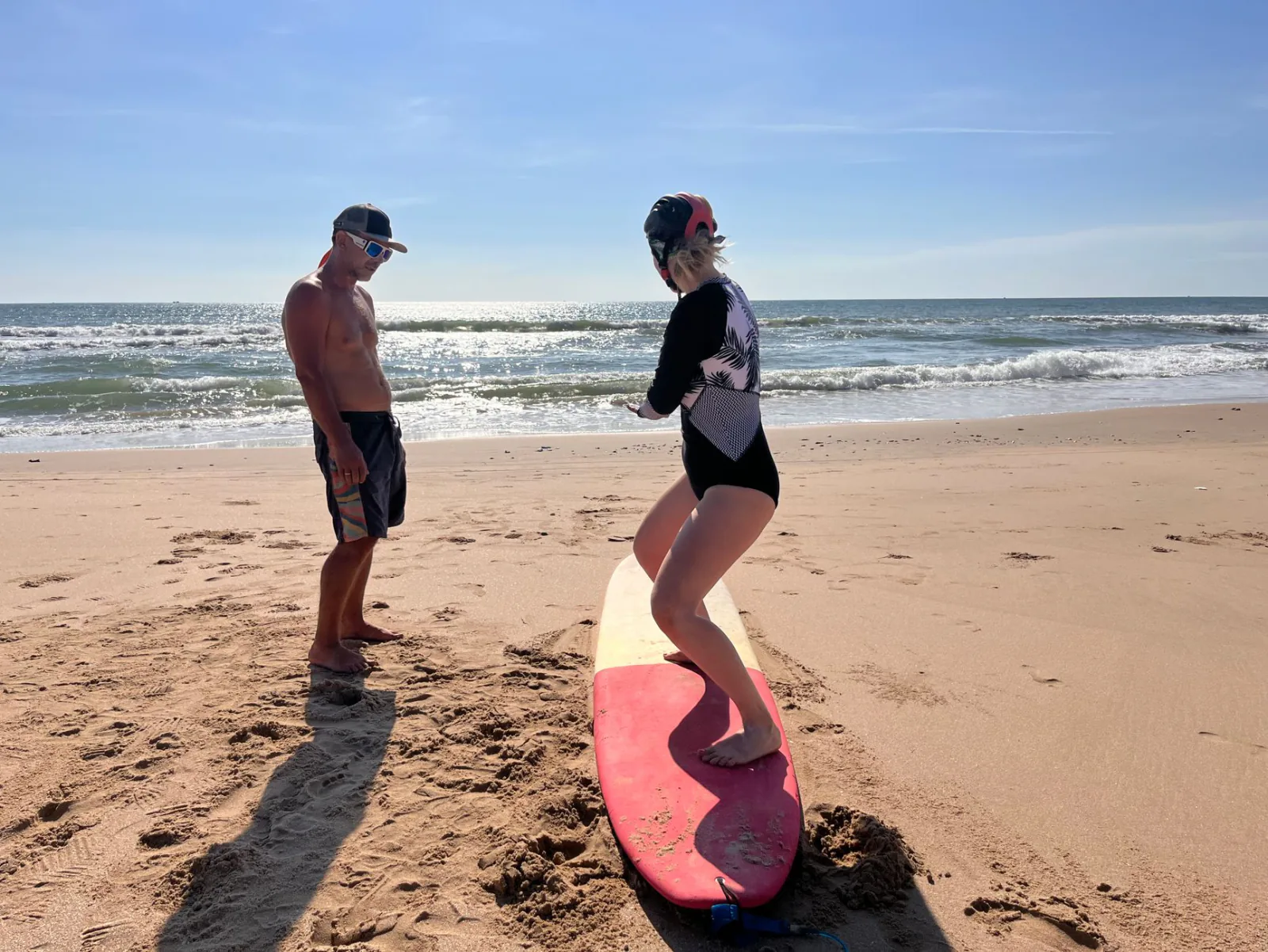
A beginner group lesson in Bali costs around $22–35 USD (about IDR 400,000–600,000) for a 1.5–2 hour session. That’s the standard rate at reputable schools in Kuta, Legian, and Canggu, and it almost always includes the surfboard, a rash guard, reef booties where needed, and a qualified instructor. Group sizes are usually capped at 4–5 students per coach.
If you want faster progress, go private. A one-on-one lesson typically costs $55–80 USD (IDR ~1,000,000–1,400,000) — two to three times the group rate — but you get the instructor’s full attention and often video analysis of your pop-up. The smartest value play is a package: book 3–5 lessons at once and the per-lesson price drops to roughly $35–40 each, frequently bundled with photo or video feedback.
Two things to budget for. First, prices are often quoted in rupiah and many smaller operators are open to gentle negotiation, especially if you book several sessions. Second, expect a high-season surcharge of about $5–10 per person during peak months (roughly June–September and the Christmas–New Year window). Beach hawkers will offer lessons for as little as $13–15, but you’re trading certified safety and proper coaching for the lower price — fine for a fun splash, not ideal for actually learning.
Bali Surf Lesson Cost Comparison (2026)
Here’s how the main lesson types stack up so you can match a budget to your goals. Prices reflect mid-2026 rates at established beginner schools and are approximate — high season adds a surcharge.
| Lesson type | Price (USD) | Price (IDR, approx) | Best for |
|---|---|---|---|
| Single group lesson (1.5–2 hrs) | ~$22–35 | ~400k–600k | First-timers testing the water |
| Multi-lesson package (per lesson) | ~$35–40 | ~620k–710k | Actually learning (best value) |
| Private 1-on-1 lesson | ~$55–80 | ~1.0m–1.4m | Fast progress, nervous learners |
| Beach hawker / informal lesson | ~$13–18 | ~230k–320k | A cheap one-off splash, not real coaching |
| High-season surcharge (Jun–Sep) | +$5–10 | +90k–180k | Add to any of the above |
Best Beginner Surf Beaches in Bali
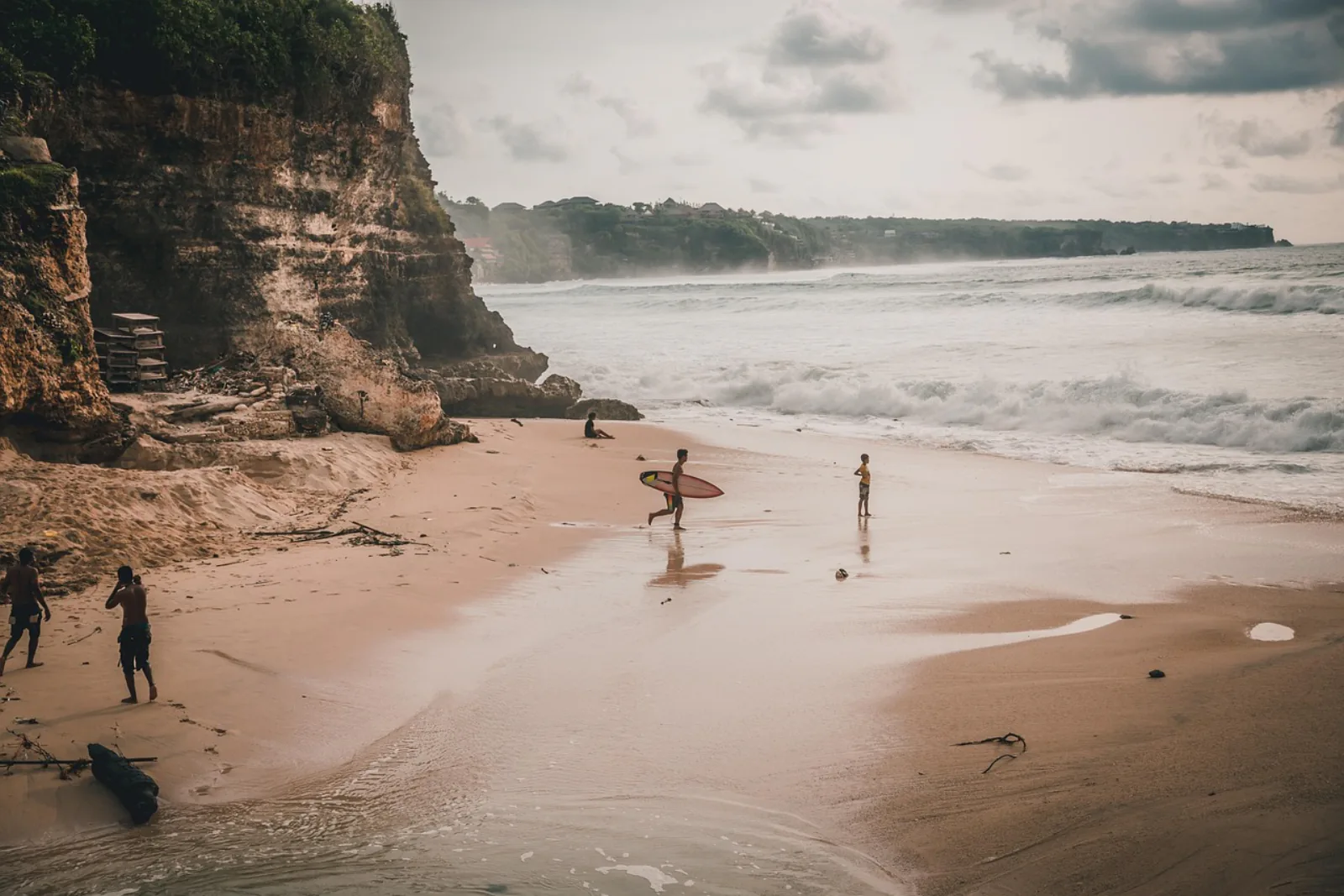
The best beginner surf beaches in Bali are the sandy-bottom breaks of the southwest coast — Kuta, Legian, Seminyak, and Batu Bolong in Canggu — where waves are gentle, consistent, and you won’t land on reef if you fall. That last point matters more than anything: a soft, forgiving sand bottom is what makes a wipeout a laugh instead of a trip to the clinic.
- Kuta Beach — The original learn-to-surf beach. A long, sandy stretch with mellow, rolling whitewater and the highest density of surf schools on the island. Crowded, yes, but unbeatable for absolute beginners.
- Legian Beach — Just north of Kuta with near-identical waves and a soft sand bottom, but noticeably quieter and less hectic. A great middle ground.
- Seminyak Beach — Similar setup, slightly punchier waves. Good once you’ve got the basics and want a small step up without leaving the sand.
- Batu Bolong (Canggu) — Iconic, longboard-friendly, and the cool-kid option. The inside “Peak” is sand-bottom and beginner-friendly, but the outside section is reef, so stay where your instructor puts you.
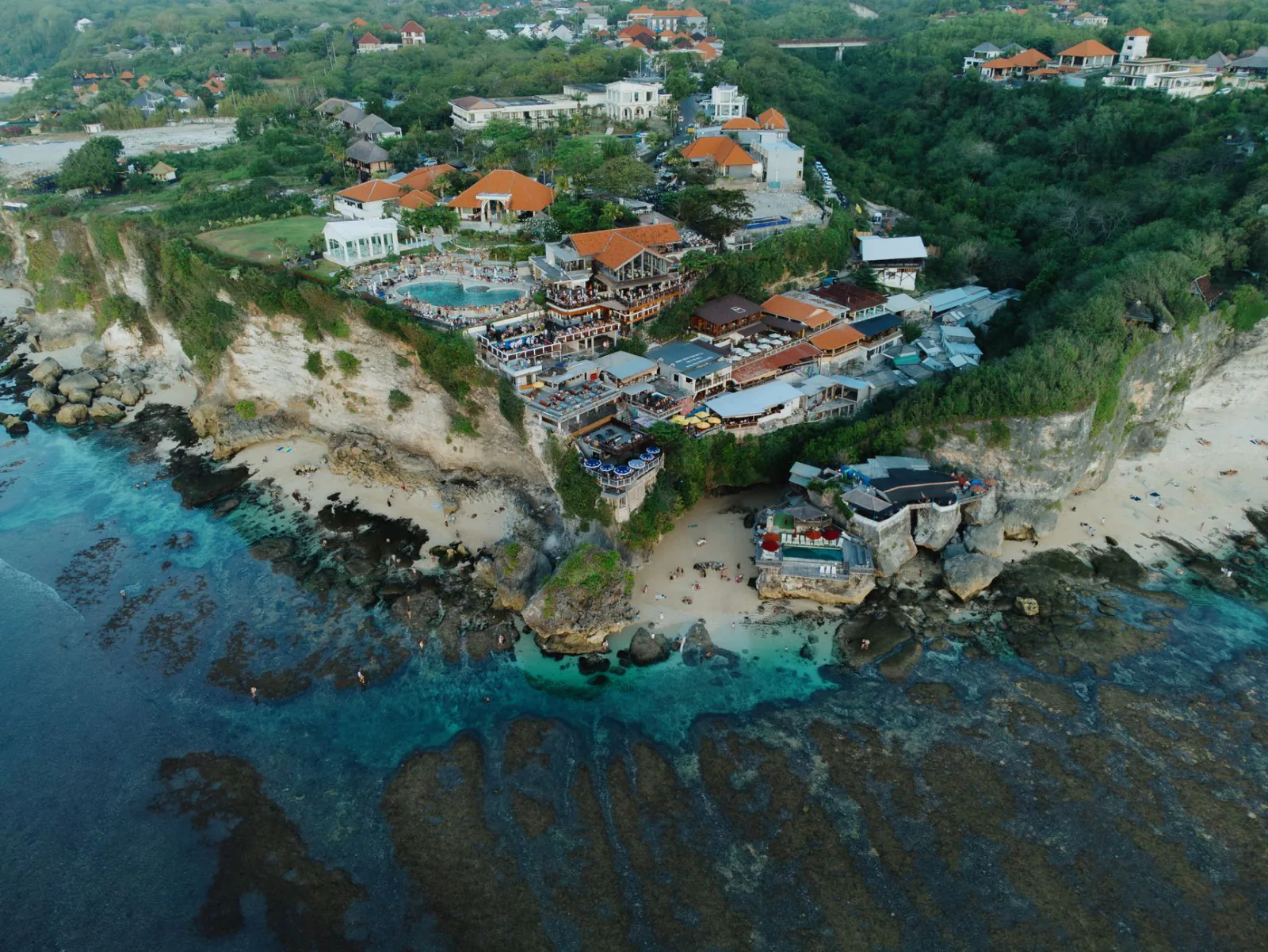
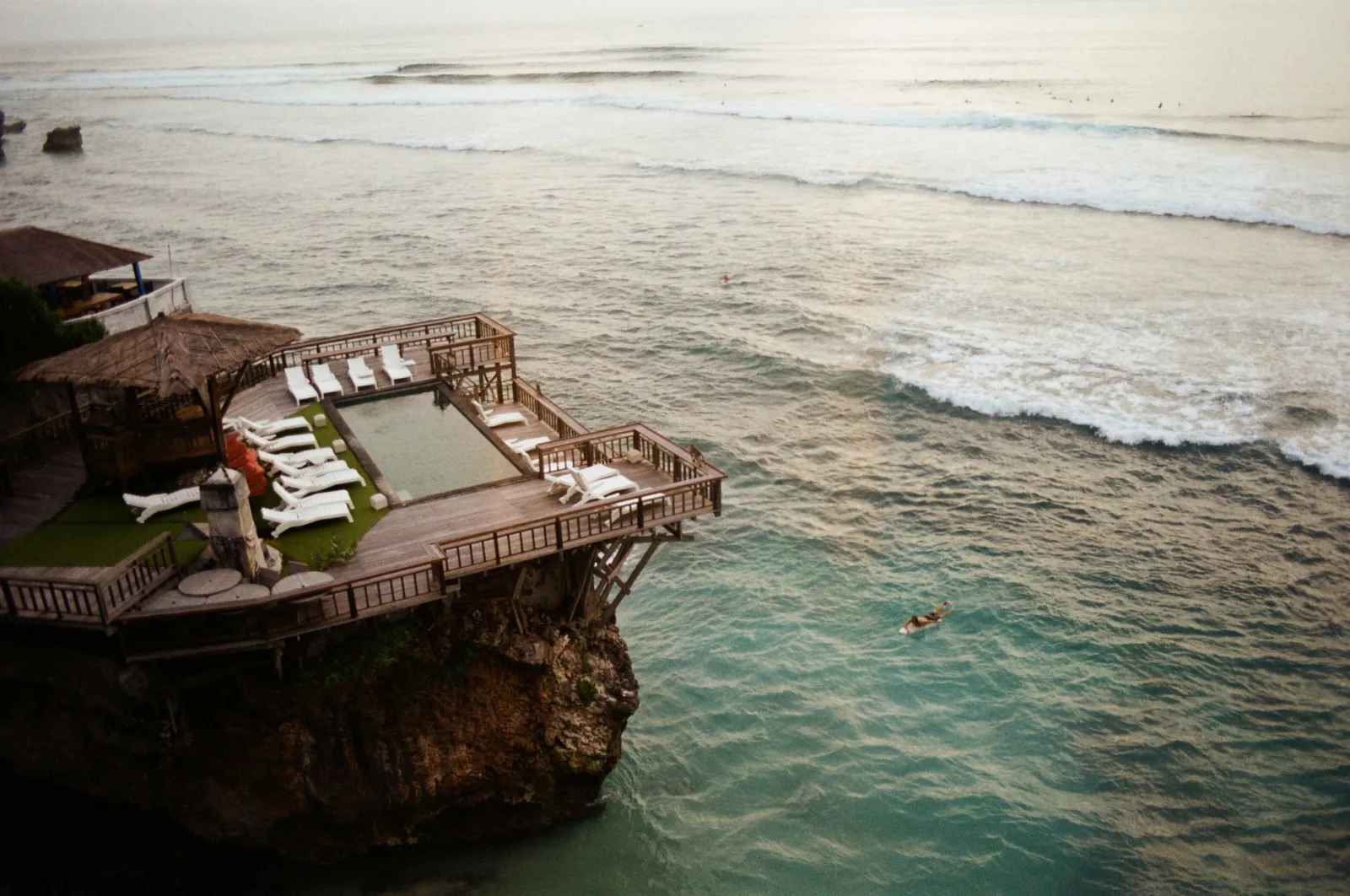
Skip the famous reef breaks you’ve seen on Instagram — Uluwatu, Padang Padang, and the Bukit Peninsula — until you can confidently paddle, turn, and read a wave. Those are advanced, shallow-reef waves that punish beginners. Walking off the sand at Kuta or Canggu beats them every time when you’re starting out.
Best Surf Schools in Bali for Beginners
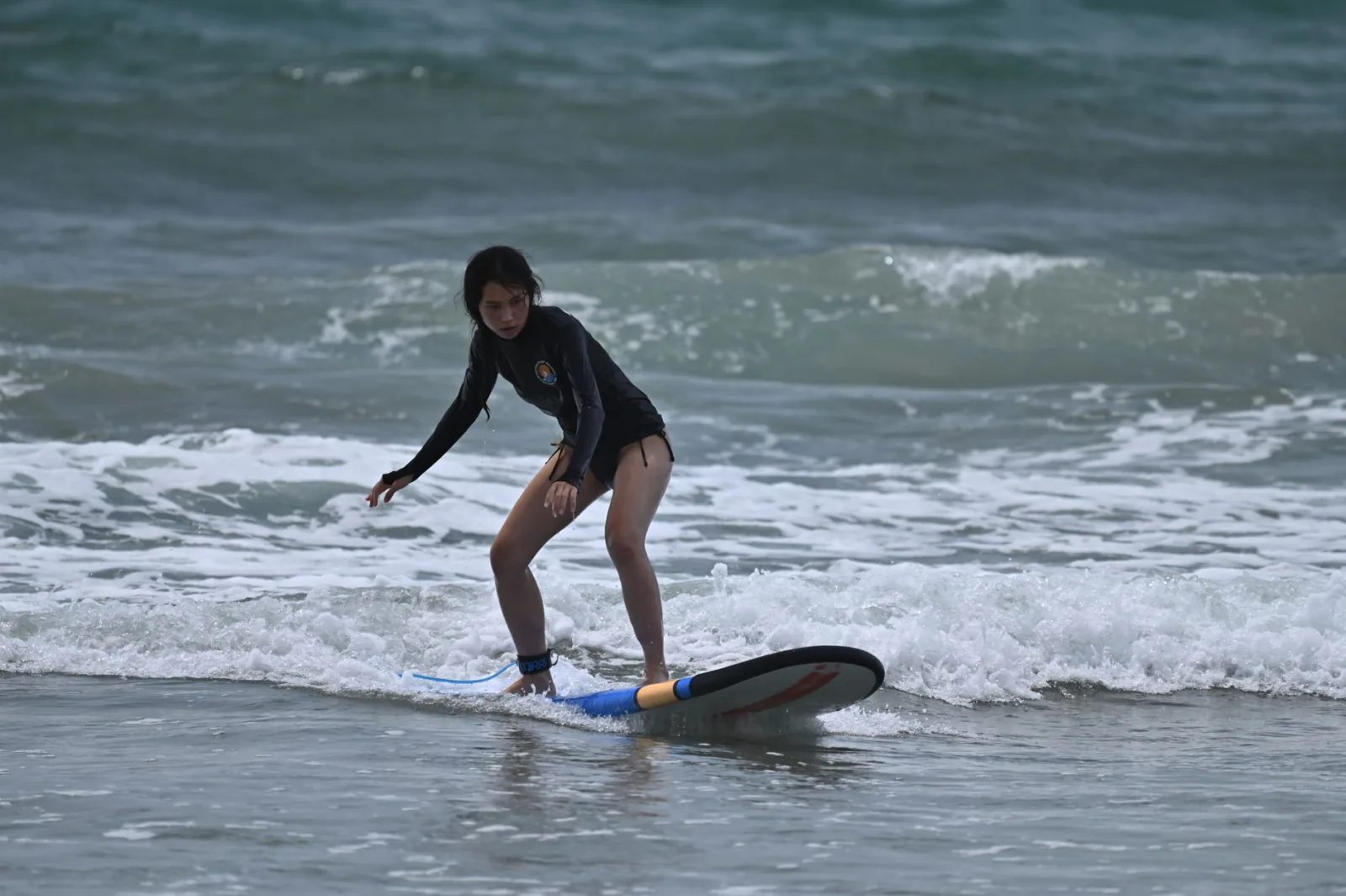
The best beginner surf schools in Bali combine certified instructors, small group sizes, and a sand-bottom beach right out front. Teaching quality across Kuta and Canggu is generally high thanks to fierce competition, but a few names consistently come up for first-timers.
- Rip Curl School of Surf (Legian / Kuta) — Run under the big surf brand and based in Bali since 1998, with ISA-certified instructors. One of the most professional, structured options on the island — great if you want a recognizable name and a clear curriculum.
- Odysseys Surf School (Kuta Beach) — Operating since 2003, right on Kuta Beach near the Mercure. Famous for a fun, friendly vibe and a “stand-up guarantee” — they’ll throw in a free extra lesson if you don’t stand by the end of your first. Lessons start from around $35.
- Pro Surf School Bali (Halfway Kuta) — Instructors accredited by the Academy of Surfing Instructors (ASI), positioned at one of Kuta’s best learning sections. Solid, safety-focused coaching with both lessons and surf camps.
- Padang Padang Surf Camp — A good pick if you’d rather do a multi-day camp than one-off lessons, bundling accommodation, daily coaching, and theory for faster progress.
Whichever you choose, ask three questions before paying: Are the instructors certified (ISA or ASI)? How many students per coach? And is the lesson on a sand-bottom beach? If the answers are yes, small, and yes, you’re in good hands. The fastest progress comes from surfing 3–5 days in a row at one trusted school rather than scattering single lessons across your trip.
Enjoying This?
Get more guides like this — plus flight deals — sent straight to your inbox.
What’s Included and What to Expect in Your First Lesson
A standard beginner lesson includes everything you need: a soft-top beginner surfboard, a rash guard to stop board rash and sunburn, reef booties if relevant, and your instructor. Many schools also bundle drinking water, beach transfers, and post-session photos. You just bring swimwear, sunscreen (reef-safe, please), and a towel.
Your first lesson runs about 1.5–2 hours and follows a reliable script. You’ll spend the first 15–20 minutes on the sand learning safety, how to lie on the board, paddle, and the all-important “pop-up” to your feet. Then you head into the whitewater — the foamy reformed waves close to shore — where your instructor pushes you into waves so you can practice standing up. Don’t expect to be carving green waves on day one; the realistic, honest goal is to stand up and ride the whitewater to the beach, and most people manage exactly that in their first session. It is equal parts exhausting and addictive.
A few reassurances for the nervous: the water is warm enough that you won’t get cold, the beginner waves are small and gentle, and your instructor stays within arm’s reach the whole time. If swimming in moving water makes you anxious, book a private lesson — that extra attention is worth every dollar for confidence.
Best Time of Year and Staying Safe
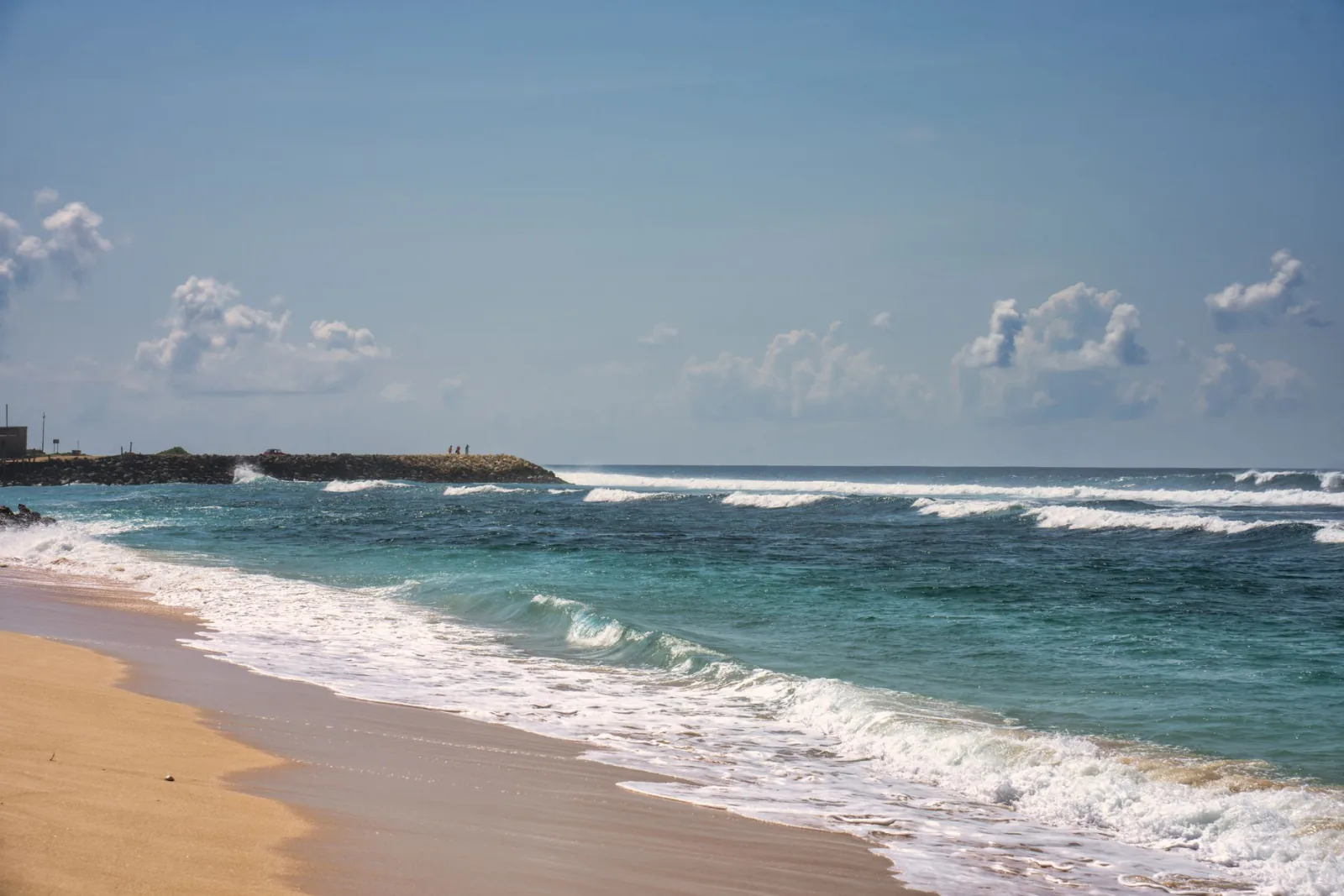
The best time for beginners to surf Bali’s west coast is the dry season, roughly April to October, when offshore trade winds groom clean, manageable waves over the sandy southwest beaches. The sweet-spot shoulder months are April–June and September–October: smaller, friendlier waves, fewer crowds, and no peak-season surcharge. Beginner spots like Kuta and Batu Bolong typically see consistent waves in the 3–5 foot range with sand bottoms during this window.
Surfing is safe to learn here, but it’s still an ocean sport. The two real hazards for beginners are rip currents (always surf where the school surfs and never paddle out alone) and, at mixed breaks like Canggu, reef and sea urchins on the outside sections — another reason to stay on the sand-bottom inside. Minor reef cuts, twisted ankles, and dinged-up egos are the most common souvenirs.
Because of that, get proper travel insurance that actually covers surfing and adventure sports before you go — standard policies often exclude watersports, and a clinic visit for a reef cut or sprain in Bali is far cheaper to claim than to pay out of pocket. Once you’ve got your sea legs, Bali has plenty more adrenaline on tap, from white-water rafting on Bali’s Ayung River to the after-dark scene covered in our Bali for adults: nightlife & freedom guide.
Getting to Bali for Your Surf Trip
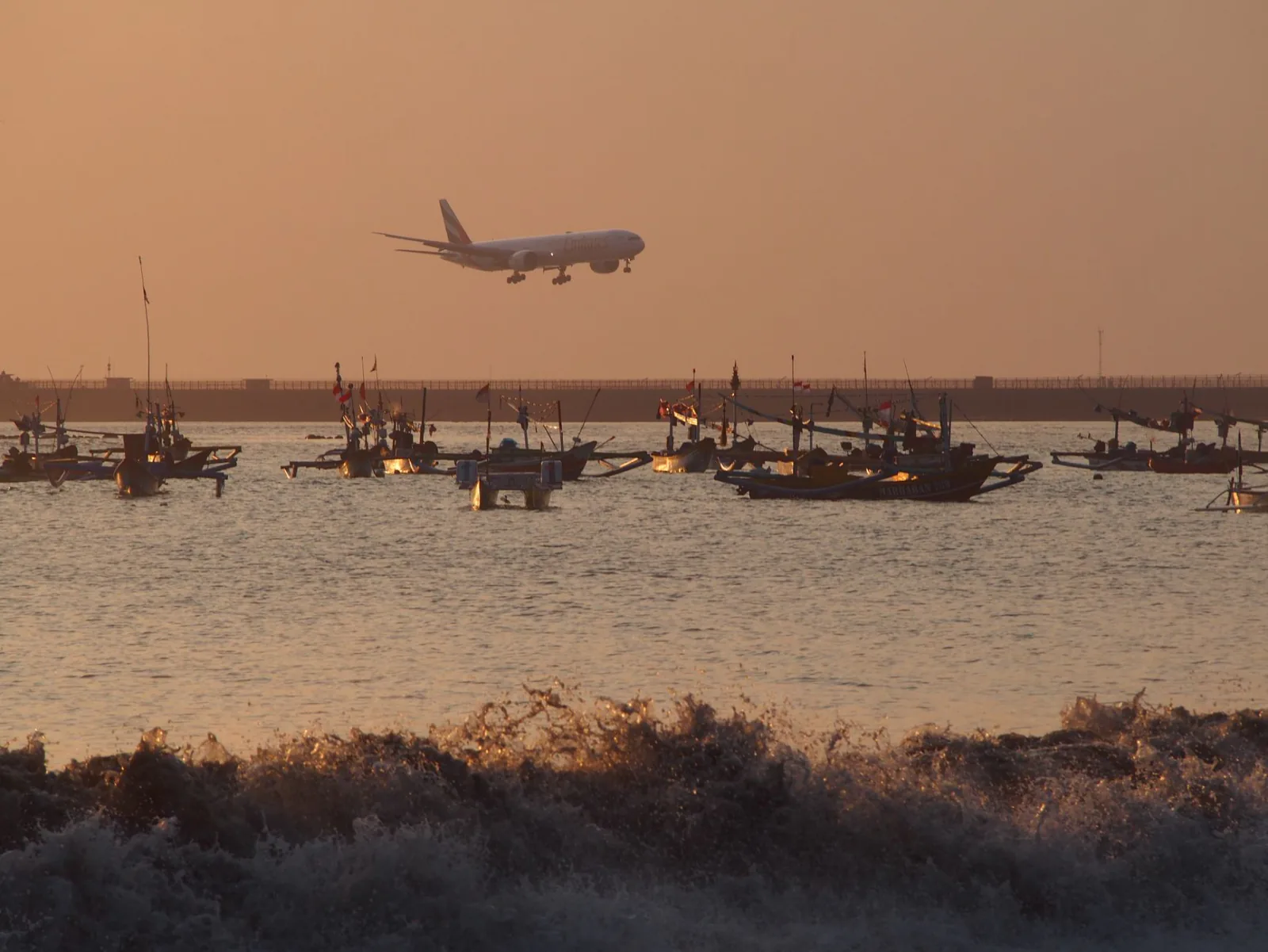
Every surf trip starts with a flight into Ngurah Rai International Airport (DPS) in Denpasar, which sits a 10–20 minute drive from the beginner beaches of Kuta and Legian and about 45–60 minutes from Canggu. From there, a taxi or Grab gets you to your hotel cheaply.
To keep more budget for lessons, compare fares early. Search flights to Bali (DPS) on Aviasales to scan airlines and dates side by side, and if you’re routing in from multiple cities or want a cheaper multi-stop itinerary, check creative connections on Kiwi.com. Booking your flights 6–10 weeks out and aiming for those shoulder-season months usually lands the best combination of price and beginner-friendly waves.
Frequently Asked Questions
How much does a beginner surf lesson in Bali cost in 2026?
A group beginner lesson costs around $22–35 USD (IDR 400,000–600,000) for 1.5–2 hours including gear and instructor. Private lessons run about $55–80, and multi-lesson packages bring the per-lesson cost down to roughly $35–40. Add a $5–10 surcharge in high season (June–September).
Can a complete beginner learn to surf in Bali?
Absolutely — Bali is one of the best places in the world to start. The sandy-bottom beaches at Kuta, Legian, and Canggu have gentle whitewater waves, warm water, and certified instructors who teach total first-timers daily. Most people stand up and ride the whitewater in their very first lesson.
Which beach is best for first-time surfers in Bali?
Kuta Beach is the classic choice for absolute beginners thanks to its long sandy bottom and mellow waves. Legian is a quieter alternative with the same conditions, and Batu Bolong in Canggu is great if you want a trendier scene — just stay on the sand-bottom inside section.
What’s the best time of year to learn to surf in Bali?
The dry season, April to October, is best for the west-coast beginner beaches, with clean, offshore-groomed waves. The shoulder months of April–June and September–October are ideal — smaller, friendlier waves, thinner crowds, and no peak-season surcharge.
Should I book group or private surf lessons as a beginner?
Group lessons (4–5 students) are cheaper and social, fine for testing the waters. Private lessons cost more but get you the instructor’s full attention and faster progress — well worth it if you’re nervous about the ocean or want to advance quickly. A multi-lesson package is the best overall value.
Do I need travel insurance to surf in Bali?
Yes. Surfing carries real risks — reef cuts, sprains, the odd urchin sting — and many standard policies exclude watersports. Get a policy that explicitly covers surfing and adventure activities before you travel, so a clinic visit doesn’t blow your budget.
Final Thoughts: Your First Wave Is Closer Than You Think
Learning to surf in Bali is one of the most rewarding things you can do on a trip here, and it’s far more affordable than most people expect — around $22–35 for a group lesson, or a package that drops the per-lesson cost to roughly $35–40 while you actually improve. Pick a sand-bottom beach like Kuta, Legian, or Batu Bolong, go with a certified school such as Rip Curl, Odysseys, or Pro Surf School, aim for the April–October dry season, and surf a few days in a row rather than once.
Lock in the two things that make or break the trip: a good-value flight to Bali (DPS) and surf-friendly travel insurance. Sort those, show up at the beach, and your first wave is honestly just a lesson away. See you in the lineup.
Never Miss a Deal
Get the best travel tips, festival guides & flight deals straight to your inbox.

Gbuska is the founder and lead writer at WanderFunTrip. What began as one too many 3 a.m. festival fields and a $40 flight booked on a whim turned into a full-time habit of testing adventure trails, party cities, and adults-only resorts firsthand — then writing up what actually worked (and what didn't). Every guide here starts from a real trip or a real booking, never a press release. Usually somewhere between a departures board and the next cliff jump.