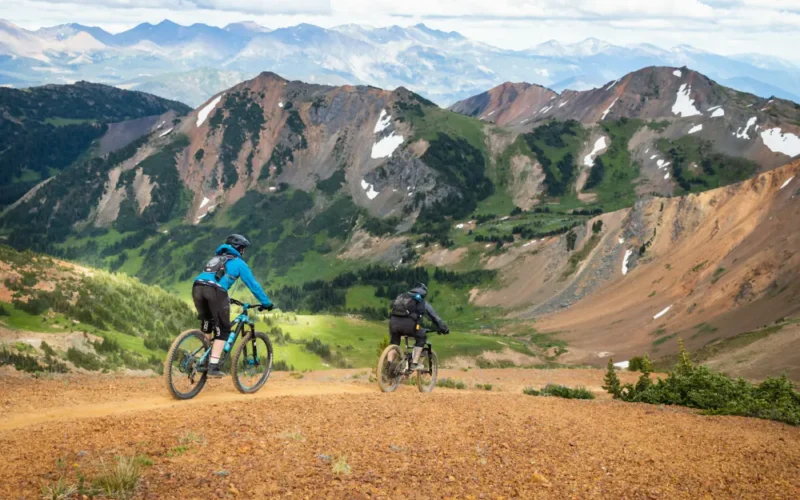
The first time you unzip a tent flap on the shore of a Highland loch with nobody else in sight for miles, you understand why Scotland has one of the most generous wild camping laws on Earth. No campground fees, no booking apps, no neighbors banging tent pegs at 6am — just you, a midge net, and roughly 80% of the country legally open to pitch on. This guide covers exactly what’s legal, what gear actually survives a Highland night, and where to point your tent first.
⚡ Heads up: This post contains affiliate links. If you book or buy through them, we may earn a small commission — at no extra cost to you. We only recommend stuff we’d actually use ourselves.
TL;DR: Wild camping is legal on most unenclosed land in Scotland under the Land Reform (Scotland) Act 2003, no permit needed — except inside the Loch Lomond & Trossachs National Park camping management zones between March and September, where you must buy a permit in advance. Pack for rain and midges regardless of the forecast.
Is Wild Camping Legal in Scotland? The Right to Roam Explained
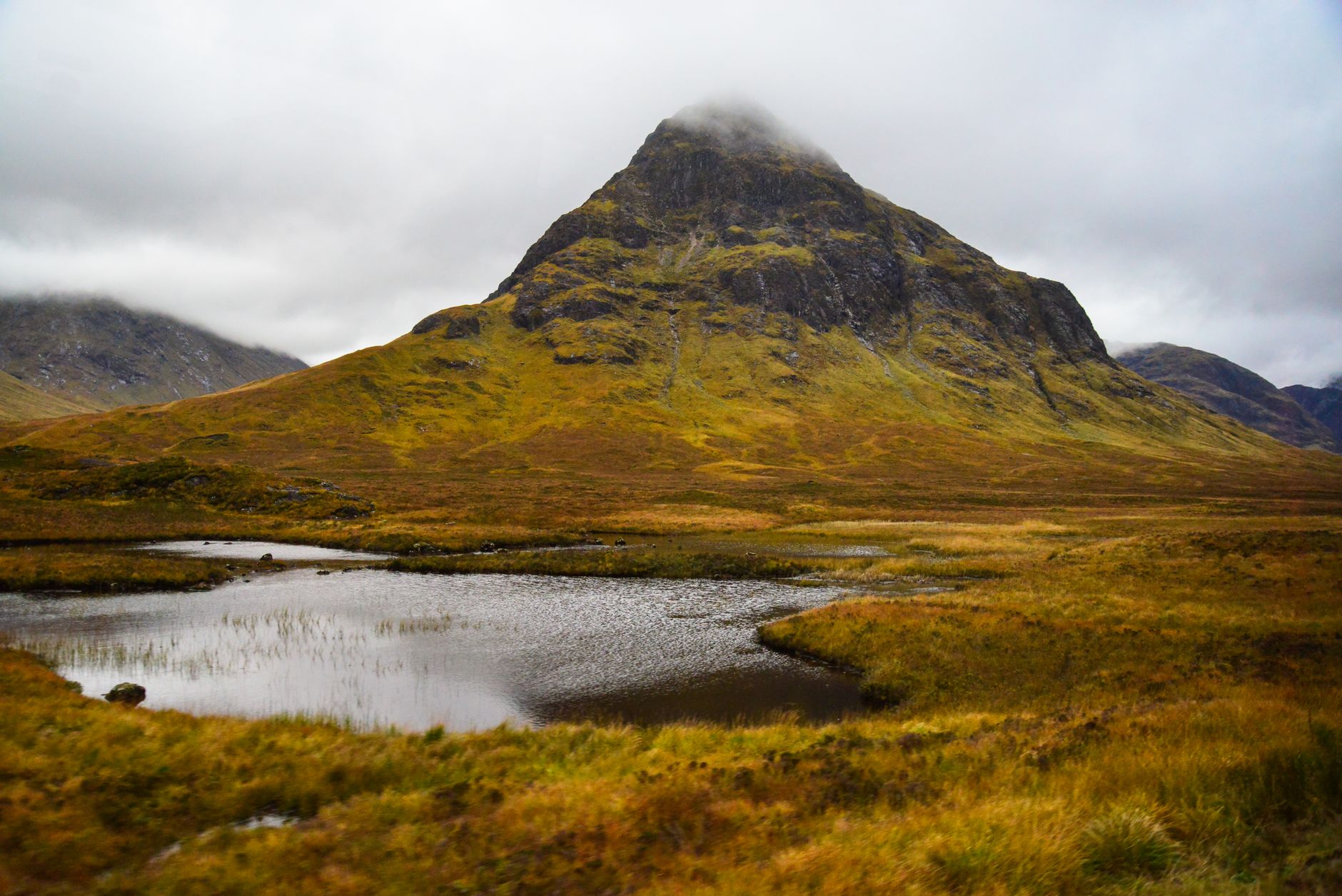
Yes — Scotland is one of the only places in Europe where wild camping is a statutory right, not a gray-area workaround. The Land Reform (Scotland) Act 2003 created a general right of responsible access to most land and inland water, and the Scottish Outdoor Access Code (SOAC) spells out how that applies to camping: pitch a small tent on unenclosed land, stay one or two nights, then move on, and you’re operating entirely within the law.
“Unenclosed land” is the key phrase. It covers hillsides, glens, moorland, riverbanks and most of the coast — but not gardens, fields with crops or grazing livestock, or ground close enough to a house to bother the people living in it. If you’re planning to fly in rather than drive, it’s worth booking early: comparing flights into Edinburgh, Glasgow or Inverness a few months ahead usually saves you the most on a summer Highland trip.
There’s one major exception worth knowing before you plan a route. Since 2011 (expanded in 2017), the Loch Lomond & Trossachs National Park has run camping management byelaws across specific zones on the eastern shore of Loch Lomond and around a handful of other lochs. Inside those zones, from March through September, casual wild camping is banned — you need to book one of a limited number of permit pitches through the park authority in advance. Outside the mapped zones, and everywhere else in Scotland, the normal SOAC right still applies in full.
The Rules: Leave No Trace and Wild Camping Etiquette
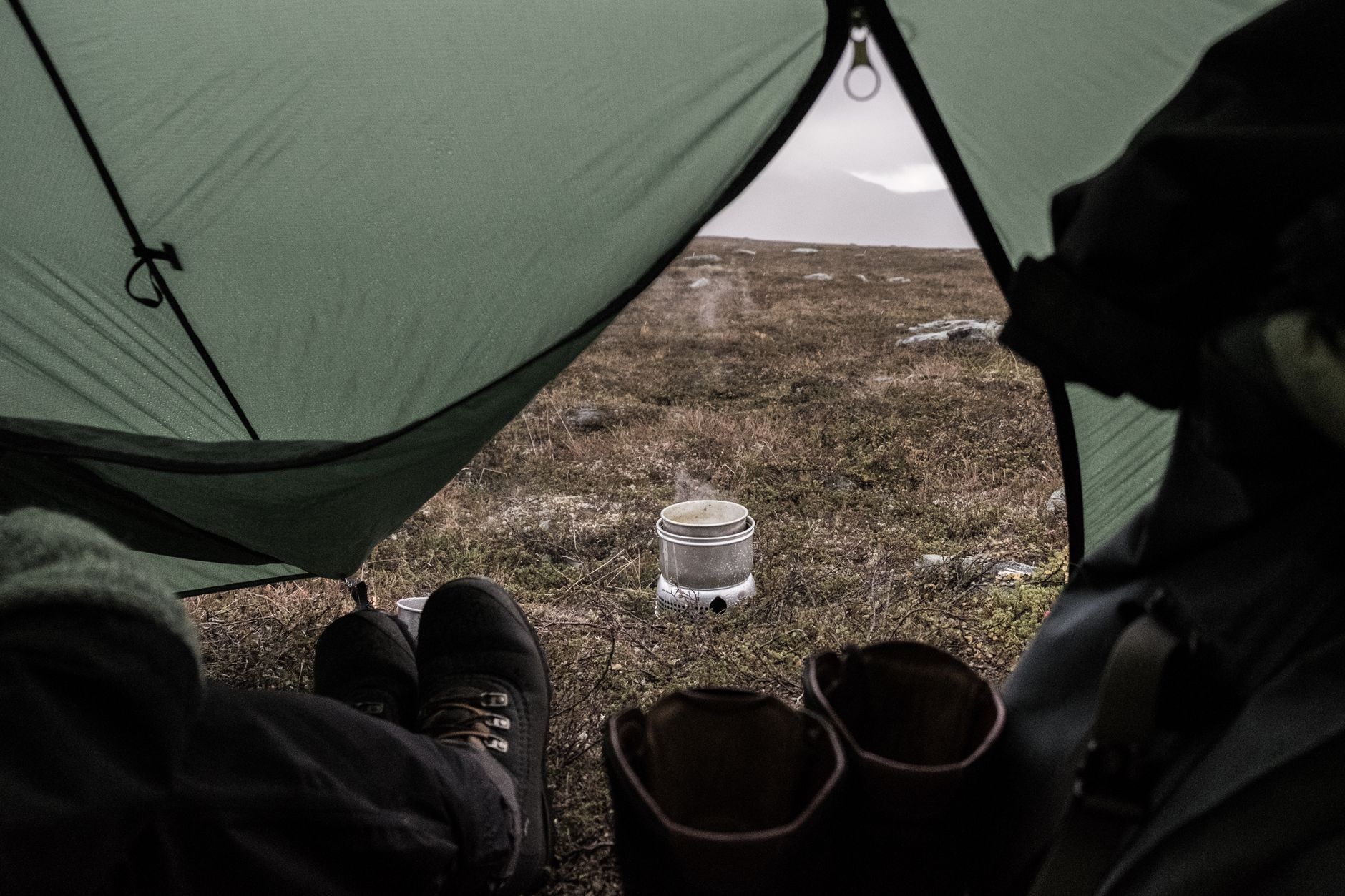
The right to camp comes with real responsibilities, and rangers in popular glens do check. Keep your group small — two or three tents, not a festival encampment — and pitch away from roads, buildings and enclosed fields. Two nights in one spot is the accepted ceiling before you’re expected to pack up and move somewhere new.
- Pack out everything you bring in, including food scraps — nothing gets buried or burned
- Bury human waste at least 15cm deep and 30 meters from any water source or path; pack out toilet paper
- Skip the campfire during dry spells — Police Scotland and NatureScot both issue wildfire warnings most springs, and a stove is safer and leaves zero trace anyway
- Never cut live wood, and never use soap or detergent directly in a loch or river
- Leave gates as you found them and give livestock and deer stalking activity a wide berth in autumn
Because so much of this happens far from a road, a policy that actually covers remote solo travel is worth having before you go rather than after something goes wrong. This is one of the few trip types where travel insurance built for adventure and outdoor activities earns its cost — most standard policies quietly exclude wild camping, hillwalking above a certain altitude, or being more than a set distance from medical help. If Highland trips become a regular thing, it’s worth comparing that single-trip cost against our guide to annual multi-trip travel insurance, which can work out cheaper for anyone camping more than a couple of times a year.
Two more things rarely mentioned in the postcard version of Scotland: ticks and stalking season. Ticks live in bracken and long grass below about 500m and can carry Lyme disease, so check your legs and waistline each evening and remove any you find promptly with tweezers, close to the skin. Between roughly August and October, many Highland estates carry out deer stalking on open hillsides — it’s worth checking the Heading for the Scottish Hills or Outdoor Access Scotland online tools for the estate you’re crossing, so you’re not walking into an active cull area.
Essential Gear for a Scottish Wild Camp
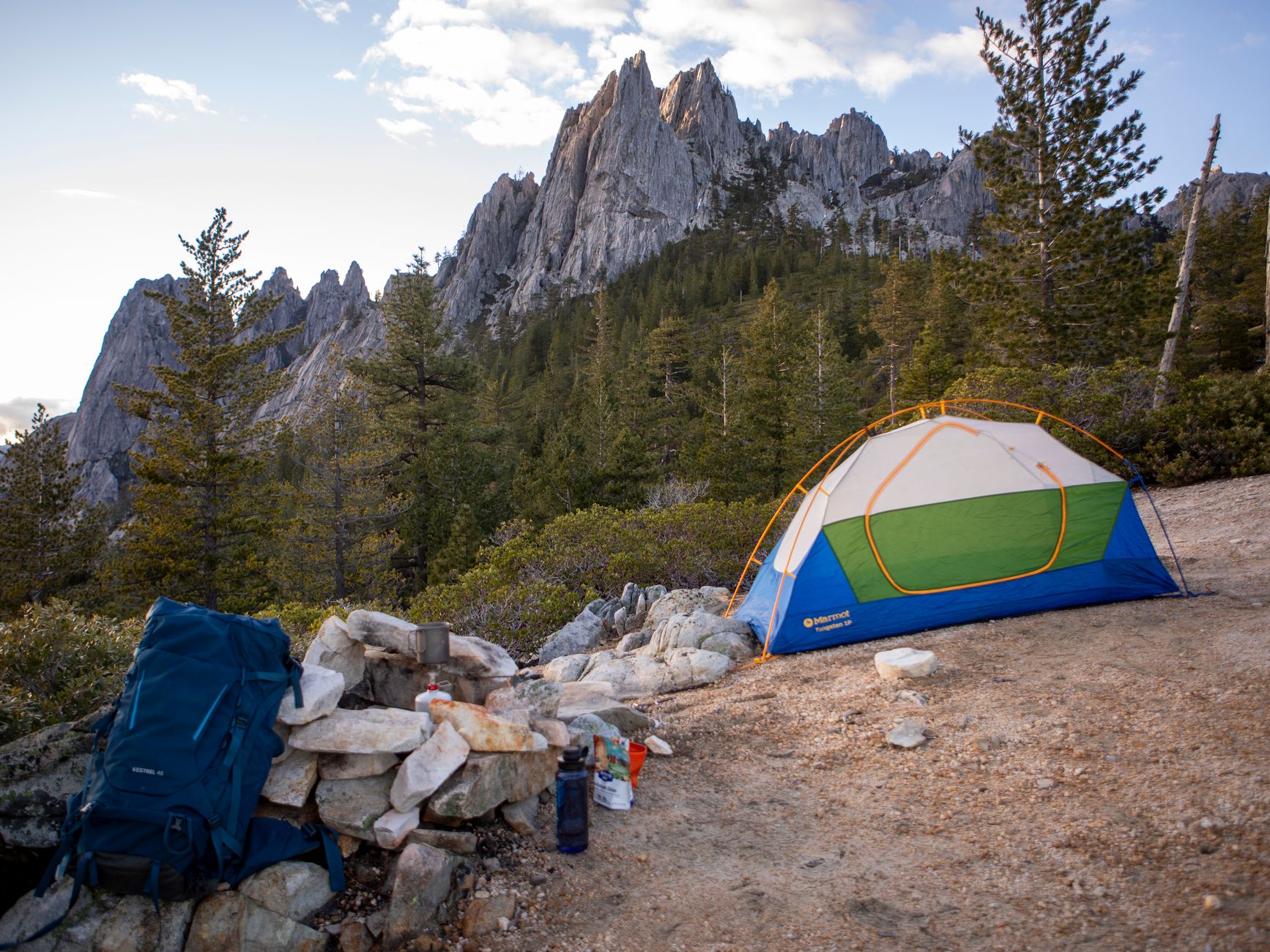
A festival tent will not survive a Highland gale, and this is not a place to find that out at 2am. Scottish weather can run four seasons in a single afternoon, even in July, so gear built for genuinely wet, windy conditions matters more than anything you’d pack for a Mediterranean trip.
| Gear | Why It Matters |
|---|---|
| 3-season tent, hydrostatic head 3,000mm+ | Sustained wind and rain will find every weak seam within a night |
| Sleeping bag rated to -5°C comfort | Temperatures drop close to freezing overnight even in summer at altitude |
| Midge head net + repellent | Late May–September midges can drive you into the tent by 8pm without one |
| Camping stove (not an open fire) | Works in the wet, leaves no scorch marks, no wildfire risk |
| Offline map + compass or OS Maps app | Mobile signal disappears completely in most glens |
| Breathable waterproof jacket and trousers | Rain is close to a daily possibility, any month of the year |
| Dry bags + trowel | Keeps your sleeping bag dry and covers Leave No Trace waste disposal |
Don’t skip water and food planning either. Highland streams look pristine, but treat or filter water drawn from anywhere downstream of grazing livestock — a lightweight filter bottle or purification tablets weigh almost nothing and remove the guesswork. For food, a simple one-pot dehydrated meal system beats anything that needs prep time once midges are out, and keep everything sealed away from your sleeping area since red deer and foxes will investigate an unattended food bag.
If this is your first proper remote pitch, it’s worth building confidence on a shorter route first. Our guide to glacier hiking in Iceland covers a lot of the same cold-weather layering logic, even though the terrain is different.
Enjoying This?
Get more guides like this — plus flight deals — sent straight to your inbox.
Best Wild Camping Spots in Scotland
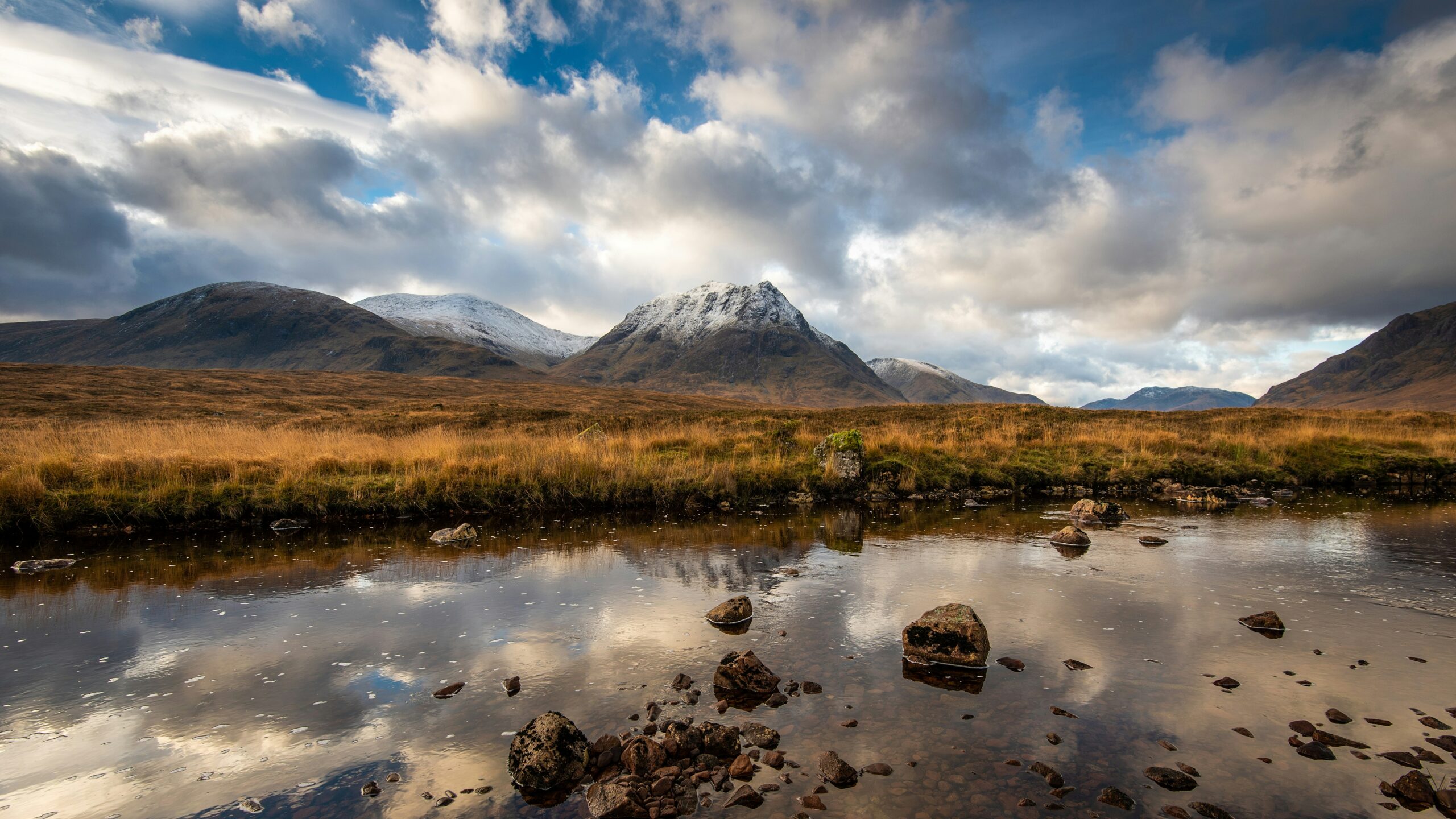
Scotland’s best wild camping is remote by design — you’re trading amenities for silence and views most people never see. These six spots cover the range from a five-minute stroll off a single-track road to a proper multi-hour walk-in.
| Spot | Region | Why Go | Permit? |
|---|---|---|---|
| Glen Etive | Near Glencoe | River pools under dramatic peaks, the single-track road made famous by Skyfall | No |
| Sandwood Bay | Sutherland, far NW | Pink-sand beach reached by a 4-mile walk-in, no vehicle access, sea stack views | No |
| Glen Brittle | Isle of Skye | Cuillin ridge backdrop, close to the Fairy Pools waterfalls | No |
| Loch Avon | Cairngorms National Park | High remote corrie loch for experienced hillwalkers only | No |
| Achmelvich | Assynt, Sutherland | White-sand bay with views of Suilven and Stac Pollaidh’s quartzite peaks | No |
| East Loch Lomond zones | Loch Lomond & Trossachs NP | Easiest access from Glasgow, good first-timer route | Yes, Mar–Sep |
Glen Etive and Glen Brittle are the easiest entry points if this is your first Highland pitch — both let you park close to the tent site rather than carrying a full pack for hours. Sandwood Bay and Loch Avon reward more effort with correspondingly fewer people around, which is really the whole point of doing this instead of booking a campsite. If you want quieter Munros without the Skye or Glencoe crowds, Torridon in Wester Ross has some of the same jagged sandstone scenery with a fraction of the visitors, though the terrain underfoot is rougher and route-finding takes more care.
Getting to most of these spots without a car is possible but takes planning. ScotRail’s West Highland Line and the Caledonian Sleeper reach Fort William, Corrour and Rannoch, all within striking distance of Glen Etive-style terrain, while Citylink coaches connect Glasgow and Inverness to Skye and Fort William daily. The famous North Coast 500 route also passes close to Sandwood Bay and Achmelvich if you’re driving and want to combine a few of these stops into one loop.
When to Go: Weather, Midges and Timing Your Trip
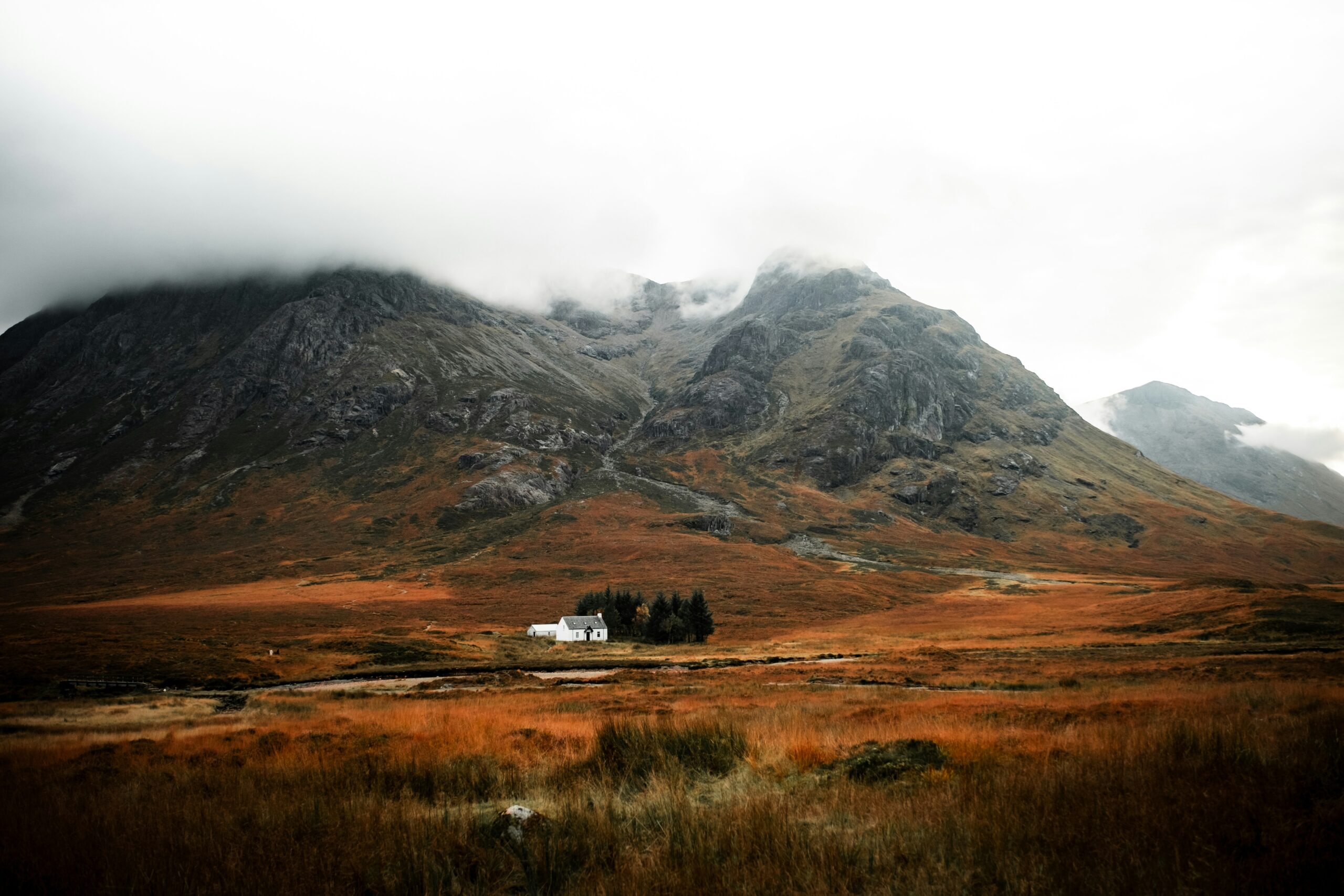
Late May and September give you the best balance of long daylight and manageable midges. June through August has the warmest weather and the longest days — Scotland gets close to 18 hours of daylight at midsummer — but it’s also peak midge season, and still, humid evenings near water can turn brutal fast.
Midges (tiny biting flies, not mosquitoes) are active roughly from late May to September and are worst at dawn and dusk in calm, humid conditions, especially on the west coast. A breeze keeps them away almost entirely, so an exposed ridge or coastal pitch beats a sheltered glen bottom on a still evening. Outside midge season, expect colder nights and a real chance of snow at altitude even into April and October — check a dedicated hill forecast, not just the general weather app, before heading into the Cairngorms or Skye’s Cuillin.
The Mountain Weather Information Service publishes forecasts specifically for Scotland’s hill ranges, broken down by altitude band, and it’s a far more useful read than a generic app before any trip above 600m. Layering is the practical answer to how fast conditions shift: a moisture-wicking base layer, an insulating mid layer you can add or remove, and a genuinely waterproof shell on top lets you adjust in minutes rather than getting caught out in a squall with no way to warm up.
FAQ: Wild Camping in Scotland
Is wild camping legal in Scotland?
Yes. The Land Reform (Scotland) Act 2003 and the Scottish Outdoor Access Code give a statutory right to camp responsibly on most unenclosed land, for free, without a permit.
Do I need a permit to wild camp in Scotland?
Not in most of the country. The one exception is the Loch Lomond & Trossachs National Park’s camping management zones, where a permit is required between March and September.
Can I light a campfire while wild camping?
Only if conditions are genuinely safe and there’s no wildfire warning in effect — bring a camping stove as your default and treat an open fire as the exception, not the plan.
How long can I stay in one spot?
The Scottish Outdoor Access Code recommends one or two nights maximum before moving to a new site, which also keeps any single spot from getting worn down.
When is the best time to go wild camping in Scotland?
Late May or September, for long daylight with fewer midges than peak summer. June to August has the warmest weather but the worst midges near water at dusk.
Is wild camping in Scotland safe?
Generally yes, but remoteness and fast-changing weather are the real risks, not people. Tell someone your route, carry offline navigation, and check a hill-specific forecast before setting off — most incidents involve underestimating a mountain forecast, not crime.
Final Thoughts
Scotland’s wild camping law is genuinely rare — a real, permit-free right to pitch a tent in some of the most dramatic scenery in Europe, as long as you leave it exactly as you found it. Start with an easy-access glen like Etive or Brittle before working up to a walk-in spot like Sandwood Bay, pack for rain no matter what the forecast says, and bring a midge net even if you’re skeptical you’ll need it.
Ready to book the trip? Compare flights into Edinburgh, Glasgow or Inverness and start mapping your route through the Highlands.
Never Miss a Deal
Get the best travel tips, festival guides & flight deals straight to your inbox.

Gbuska is the founder and lead writer at WanderFunTrip. What began as one too many 3 a.m. festival fields and a $40 flight booked on a whim turned into a full-time habit of testing adventure trails, party cities, and adults-only resorts firsthand — then writing up what actually worked (and what didn't). Every guide here starts from a real trip or a real booking, never a press release. Usually somewhere between a departures board and the next cliff jump.