⚡ Heads up: This post contains affiliate links. If you book or buy through them, we may earn a small commission — at no extra cost to you. We only recommend stuff we’d actually use ourselves.
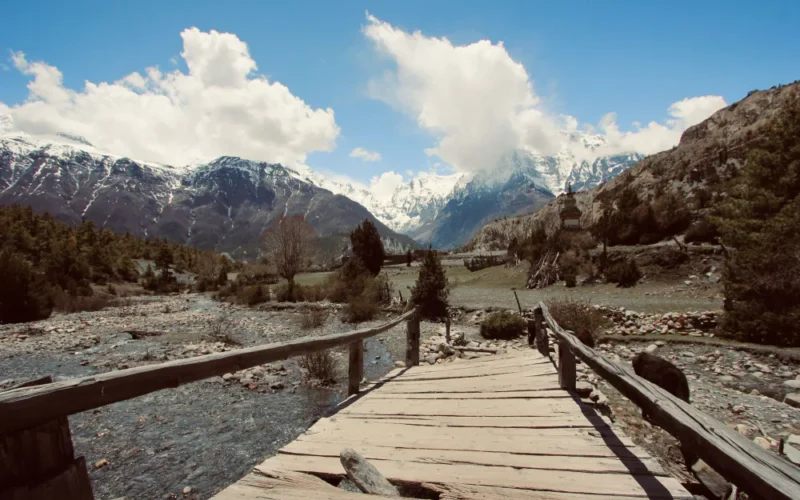
Your legs will ache, your lungs will work harder than they ever have, and somewhere around Tengboche you’ll stop mid-step because Ama Dablam just came into view. That’s the Everest Base Camp trek in one sentence — brutal, slow, and completely worth it.
TL;DR: Most trekkers spend around 12–14 days walking from Lukla to Base Camp and back, cover roughly 130 km round trip, and pay somewhere between $1,200 and $3,000 depending on whether they go guided or independent. No technical climbing skills required — just fitness, patience, and a solid acclimatization plan.
How Much Does the Everest Base Camp Trek Cost in 2026?
Budget around $1,200–$1,800 if you trek independently, staying in teahouses without a guide, and around $2,200–$3,000 for a fully guided package with a porter. Some local Nepali agencies now offer 14-day guided packages from around $1,500, which typically bundle the Kathmandu–Lukla flights, teahouse stays, meals on the trail, a guide, a porter, and your permits into one price.
The three costs that catch first-timers off guard are the Lukla flights, teahouse food (it gets pricier the higher you climb, since everything is carried in by porters or yaks), and trip insurance that actually covers high-altitude trekking. If you’re booking your own international leg into Kathmandu and the domestic hop onward, comparing routes through a flight search tool covering Nepal routes before you commit can shave real money off this line item. Here’s a rough breakdown for a standard 14-day guided trek:
| Expense | Approx. Cost (USD) | Notes |
|---|---|---|
| Kathmandu–Lukla flights (return) | around $350–$460 | Peak-season flights (Mar–May, late Sep–Nov) often shift to Ramechhap airport, plus a shared transfer fee |
| Permits (Sagarmatha NP + Khumbu Pasang Lhamu Rural Municipality) | around $50 | $30 park entry + $20 municipality fee; TIMS card no longer required on this route |
| Teahouse rooms & meals (12–14 days) | around $400–$700 | Prices climb the higher you go |
| Guide & porter (optional) | around $500–$900 | Often required for solo trekkers under current rules |
| High-altitude travel insurance | around $80–$150 | Must cover evacuation above 5,000 m |
Whatever you spend, don’t cut the insurance line. Helicopter evacuations from the Khumbu are common enough that guides bring it up on day one, and a policy built for high-altitude trekking — not a generic travel plan — is worth checking through a trekking-specific insurance provider before you fly out.
A few small choices move the total more than people expect. Trekking in a group of four or more splits the guide and porter fee and usually knocks $150–$300 off each person’s share. Carrying snacks and electrolyte tablets from Kathmandu instead of buying them at 4,500 m saves real money too — a chocolate bar that costs around $1 in Namche can run $4–$5 by Gorak Shep, simply because of what it costs to carry it up. Paying for hot showers and device charging along the way, both usually billed separately from your room, adds up faster than most first-timers budget for.
Best Time to Trek: Choosing Your Season

Pre-monsoon (March to May) and post-monsoon (late September to November) are the two windows almost everyone picks, and for good reason. Skies are clearer, trails are drier, and teahouses are fully open and stocked.
Autumn tends to have the crispest mountain views and coincides with Nepal’s festival season, which means livelier villages but also a busier trail — Base Camp itself can feel like a small city on a clear October morning. Spring brings rhododendron blooms lower down the valley and slightly warmer nights, though afternoon cloud cover builds up more often.
Winter (December–February) is quieter and colder, with some high lodges closing, while the monsoon months (June–August) bring leech-heavy trails, poor visibility, and a real risk of flight cancellations into Lukla. Because delays and cancelled Lukla flights are common enough to disrupt a whole itinerary, it’s worth checking whether your flight booking includes protection — a service like flight delay and cancellation compensation can at least soften the financial hit if a missed connection costs you a hotel night or a rebooked seat. If flexibility matters more to you than crowds, shoulder-season weeks just before or after the main windows can be a solid compromise.
The Classic Route: Lukla to Base Camp Day by Day
The standard route runs from Lukla to Base Camp and back over roughly 12–14 trekking days, covering around 130 km round trip at an average daily pace of 10–15 km. It’s not a straight climb — the trail zigzags in and out of river valleys, which means more total elevation gain than the net altitude change suggests.
A typical itinerary looks like this:
- Days 1–2: Fly into Lukla (2,860 m), trek to Phakding, then on to Namche Bazaar (3,440 m)
- Day 3: Acclimatization day in Namche, with a side hike to the Everest View Hotel
- Days 4–5: Trek to Tengboche (monastery views of Ama Dablam), then Dingboche (4,410 m)
- Day 6: Second acclimatization day, usually a hike toward Nangkartshang Peak
- Days 7–8: On to Lobuche, then Gorak Shep (5,164 m), the last village before Base Camp
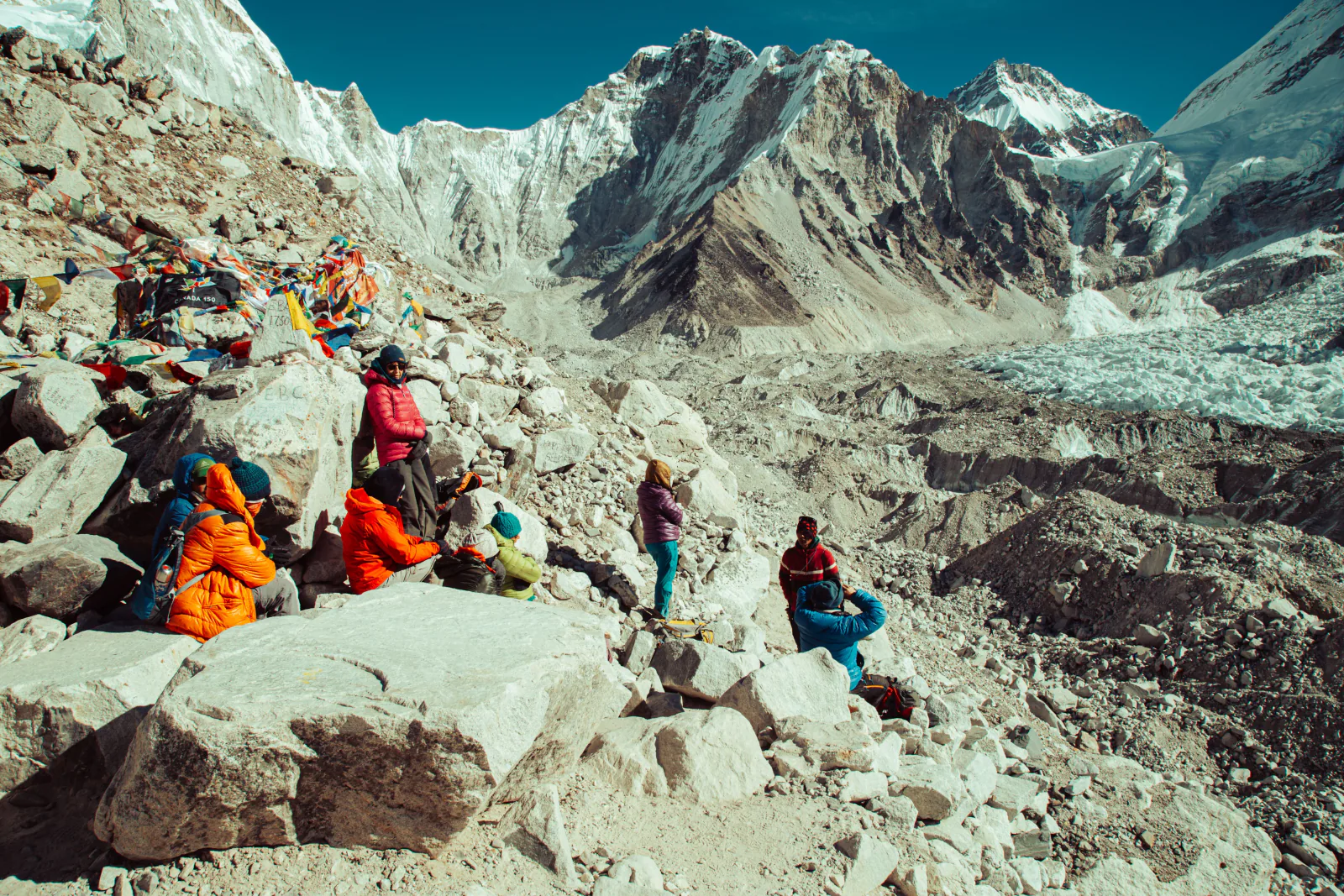
- Day 9: Trek to Everest Base Camp (around 5,364 m) and back to Gorak Shep
- Day 10: Sunrise hike up Kala Patthar (around 5,545 m) for the best close-up view of Everest’s summit, then descend
- Days 11–14: Descend back through Namche to Lukla, flying out to Kathmandu
Worth knowing: you don’t actually see Everest’s summit from Base Camp itself — Nuptse blocks the view. Kala Patthar is the payoff viewpoint, and most itineraries build it in specifically for that reason.
Permits and Paperwork You’ll Need
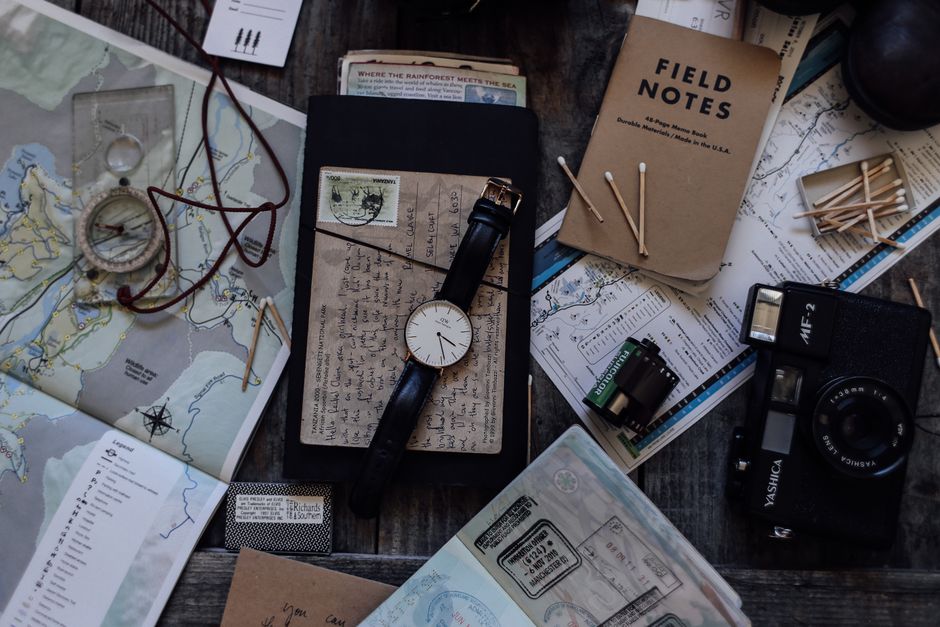
You need two permits for the standard EBC route: the Sagarmatha National Park entry permit and the Khumbu Pasang Lhamu Rural Municipality permit. As of 2026, the national park permit costs around $30 for foreign nationals, and the municipality permit costs around $20 — together, budget around $50 per person.
You can pick up the national park permit in Kathmandu at the Nepal Tourism Board office, and the municipality permit either there or in Monjo and Lukla along the trail. As of this route’s current regulations, the old TIMS card is no longer required — the Khumbu Pasang Lhamu permit replaced it. Bring a few passport photos and your passport itself; agencies handle the paperwork if you’re booking a guided trip. If you’re spending a few days in the capital beforehand to sort permits and gear, our Kathmandu travel guide for first-time visitors covers where to base yourself in Thamel and how to spend a buffer day well.
Enjoying This?
Get more guides like this — plus flight deals — sent straight to your inbox.
Fitness, Training & Altitude Sickness Prep
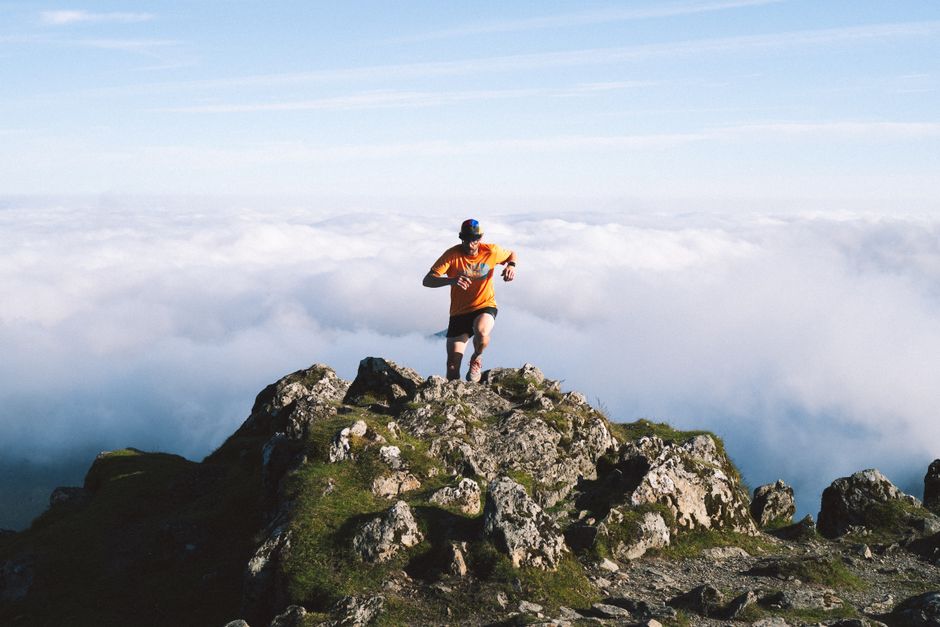
You don’t need mountaineering experience for EBC, but you do need a genuinely fit cardiovascular base built over at least 8–12 weeks before you fly out. Long hikes with a loaded pack, stair climbing, and steady-state cardio three to four times a week will do more for you than gym machines alone.
Altitude, not fitness, is what actually turns trekkers back. Above 3,000 m, the acclimatization rule is simple: don’t gain more than 300–500 m of sleeping altitude per day, and build in rest days like the ones at Namche and Dingboche. Symptoms of acute mountain sickness — headache, nausea, disrupted sleep, loss of appetite — are common and usually mild if you respect the pace. Worsening symptoms, confusion, or breathlessness at rest are signals to descend immediately, no exceptions.
Diamox (acetazolamide) is widely used as a preventive aid, but talk to a travel medicine doctor before you go rather than picking it up on the trail. Drinking 3–4 liters of water a day and avoiding alcohol above Namche also make a noticeable difference in how you feel by day six.
A simple 10-week lead-up works for most people who don’t already hike regularly: weeks 1–4 build a base with three 45–60 minute cardio sessions and one longer weekend hike, weeks 5–8 add a weighted pack (start at 6–8 kg and build toward 10–12 kg) plus stairs or hill repeats, and weeks 9–10 taper down so your legs are fresh, not fatigued, when you land in Lukla. If you can comfortably hike 15–18 km with a loaded pack over rolling terrain, you’re in good shape for the trail itself — the altitude is the variable training can’t fully prepare you for.
Gear Checklist: What to Pack
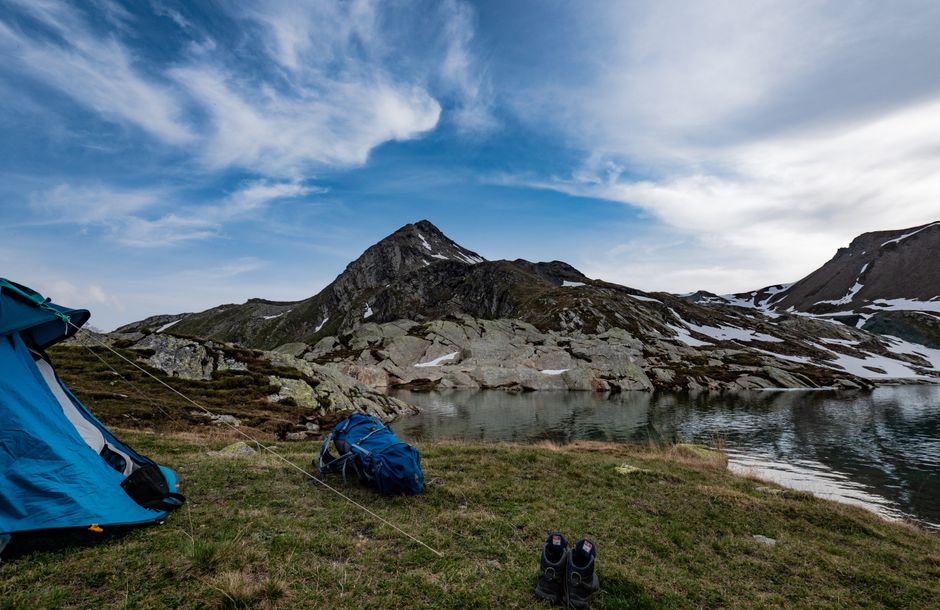
Layering is everything on this trek, since you’ll move from spring-like valley mornings to sub-zero nights at altitude within the same day. A duffel for your porter plus a daypack for yourself is the standard setup.
- Sleeping bag rated to at least -15°C for high-altitude nights
- Down jacket, fleece mid-layer, and a waterproof/windproof shell
- Broken-in trekking boots — not new ones — plus camp shoes for evenings
- Trekking poles (your knees will thank you on the descent)
- Headlamp with spare batteries for the pre-dawn Kala Patthar climb
- Water purification tablets or a filter to cut down on plastic bottle waste
- Sunscreen and glacier-grade sunglasses — UV exposure is intense above 4,000 m
- A basic first-aid kit including blister care and any personal medication
Most of this is available to rent or buy in Kathmandu’s Thamel district if you’d rather not fly it all in, though quality varies, so inspect gear before you commit to it. Renting a -15°C sleeping bag and a down jacket for two weeks typically costs a fraction of buying new, which makes sense if this is a one-off trip rather than the start of a trekking habit. Check zippers, seams, and down loft in person — Thamel shops range from genuinely well-stocked outfitters to stalls selling gear that won’t hold up above 4,000 m. For a broader packing rundown that applies beyond just this trek, see our Nepal packing list for high-altitude trekking.
Don’t forget the smaller items that are easy to overlook until you’re on the trail: a power bank for charging in villages where outlets are scarce or billed by the hour, ear plugs for thin-walled teahouse rooms, a lightweight towel, and cash in Nepali rupees — ATMs disappear after Namche, and cards aren’t accepted anywhere above it.
Booking Flights and Getting to Lukla

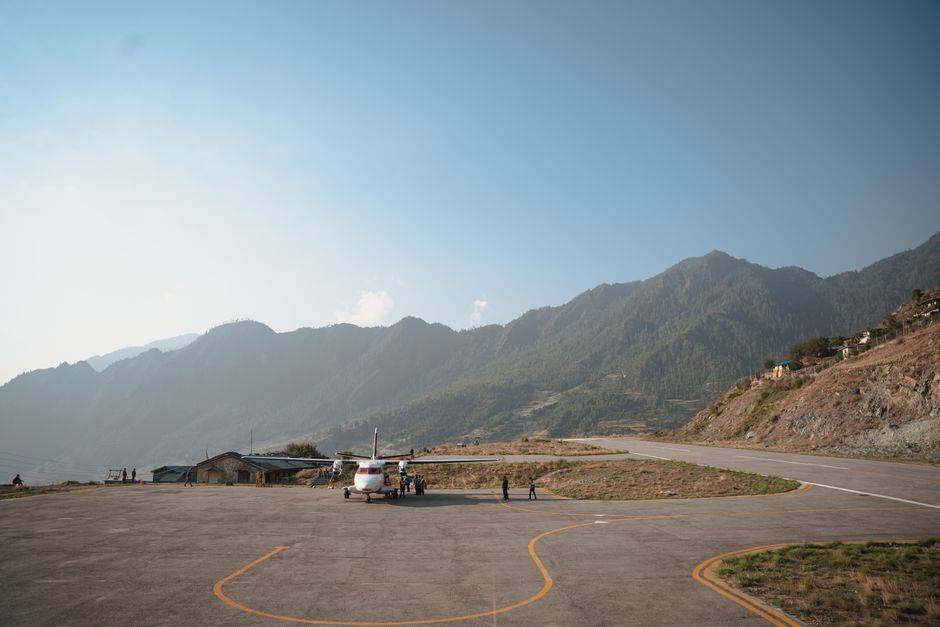
Almost every EBC trek starts with an international flight into Kathmandu, followed by a short domestic hop to Lukla’s Tenzing-Hillary Airport — one of the more dramatic runways you’ll ever land on. International fares into Kathmandu vary widely by origin and season, so it’s worth comparing options early rather than booking the first result you see; a flight search tool like this one for finding routes into Kathmandu can save you from overpaying during the busy autumn window.
During the peak March–May and September–November seasons, Lukla flights are frequently rerouted through Ramechhap airport, about a four-hour drive from Kathmandu, to ease congestion. Build a buffer day into your schedule before and after the trek — Lukla flights are notoriously weather-dependent, and even a single day of low cloud over the Khumbu can cascade into missed international connections if your itinerary is cut too close. Flying out of Kathmandu a day or two after your planned return date, rather than the same day, is the simplest insurance you can build into the trip for free.
Everest Base Camp Trek: FAQ
Do I need previous trekking experience for Everest Base Camp?
No — EBC is a non-technical trek that doesn’t require ropes, crampons, or climbing skills, just steady fitness and patience with altitude. Plenty of first-time trekkers complete it successfully each season, though a few shorter practice hikes beforehand help you gauge your pace.
How difficult is the Everest Base Camp trek?
It’s demanding because of altitude and duration, not technical terrain — you’re walking 5–7 hours a day for around 12–14 days with thinning air above 3,500 m. Most healthy adults who train beforehand and pace themselves complete it without major issues, but it’s a real physical challenge, not a casual walk.
Can I do the EBC trek without a guide?
Yes, independent trekking is still possible on this route, though current Khumbu regulations require solo trekkers to register with a licensed guide or agency in most cases. Going with at least a guide also helps with pacing, permits, and altitude decisions you might second-guess alone.
What is the success rate for reaching Base Camp?
Around 90–95% of trekkers who start the trek with a sensible acclimatization schedule reach Base Camp, based on figures commonly cited by Khumbu trekking agencies. Most people who turn back do so because of altitude sickness rather than fitness limits, which is why the built-in rest days matter more than raw training.
Is the Everest Base Camp trek safe for beginners?
Yes, with the right preparation — a realistic acclimatization pace, proper gear, and travel insurance that covers high-altitude evacuation. The main risks are altitude-related rather than terrain-related, so respecting rest days and knowing the warning signs of altitude sickness matters more than prior hiking experience.
What’s the minimum fitness level needed for EBC?
You should be able to comfortably hike 15–18 km over hilly terrain with a daypack before you go, built up over 8–12 weeks of regular cardio and hill training. You don’t need to be an athlete, but showing up untrained makes the altitude and long trekking days feel far harder than they need to.
Ready to Start Planning?

Everest Base Camp isn’t a trip you book on a whim — it rewards people who train for a couple of months, pace themselves on the trail, and respect what altitude does to the body. Get those three things right and the trek is well within reach for an averagely fit traveler, not just seasoned mountaineers.
Start by locking in your international flights into Kathmandu with a flight search covering Nepal routes, then sort a high-altitude trekking insurance policy through a trekking-specific insurance provider before you commit to dates. Everything else — permits, gear, guides — falls into place once those two are booked.
Never Miss a Deal
Get the best travel tips, festival guides & flight deals straight to your inbox.

Gbuska is the founder and lead writer at WanderFunTrip. What began as one too many 3 a.m. festival fields and a $40 flight booked on a whim turned into a full-time habit of testing adventure trails, party cities, and adults-only resorts firsthand — then writing up what actually worked (and what didn't). Every guide here starts from a real trip or a real booking, never a press release. Usually somewhere between a departures board and the next cliff jump.