⚡ Heads up: This post contains affiliate links. If you book or buy through them, we may earn a small commission — at no extra cost to you. We only recommend stuff we’d actually use ourselves.
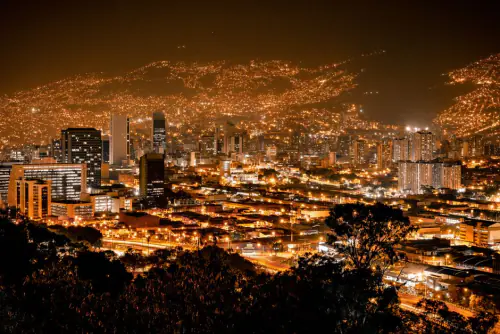
Picture a dry lakeside valley in central Portugal turning into a week-long dream state — sunrise sets by the water, art installations you can climb into, and a crowd that treats “leave no trace” as a religion, not a rule. That’s Boom Festival, and if you’ve never been, 2027 is shaping up to be your entry point.
Boom is a biennial transformational and psytrance festival held in odd-numbered years at Boomland, near Idanha-a-Nova in central Portugal. The most recent edition ran 17–25 July 2025. There was no 2026 edition — Boom simply doesn’t happen in even years — and the next one is expected in 2027, with exact dates not yet officially confirmed as of August 2026.
TL;DR: Boom Festival 2027 is the next edition of Portugal’s flagship psytrance and transformational gathering at Boomland, Idanha-a-Nova, following the confirmed 17–25 July 2025 edition. No 2026 edition exists (odd-year cycle), and 2027 dates/prices remain unconfirmed as of August 2026 — plan your flights and accommodation early, because tickets and flights to nearby airports sell out fast once dates drop.
What Is Boom Festival, and Why Does It Matter?
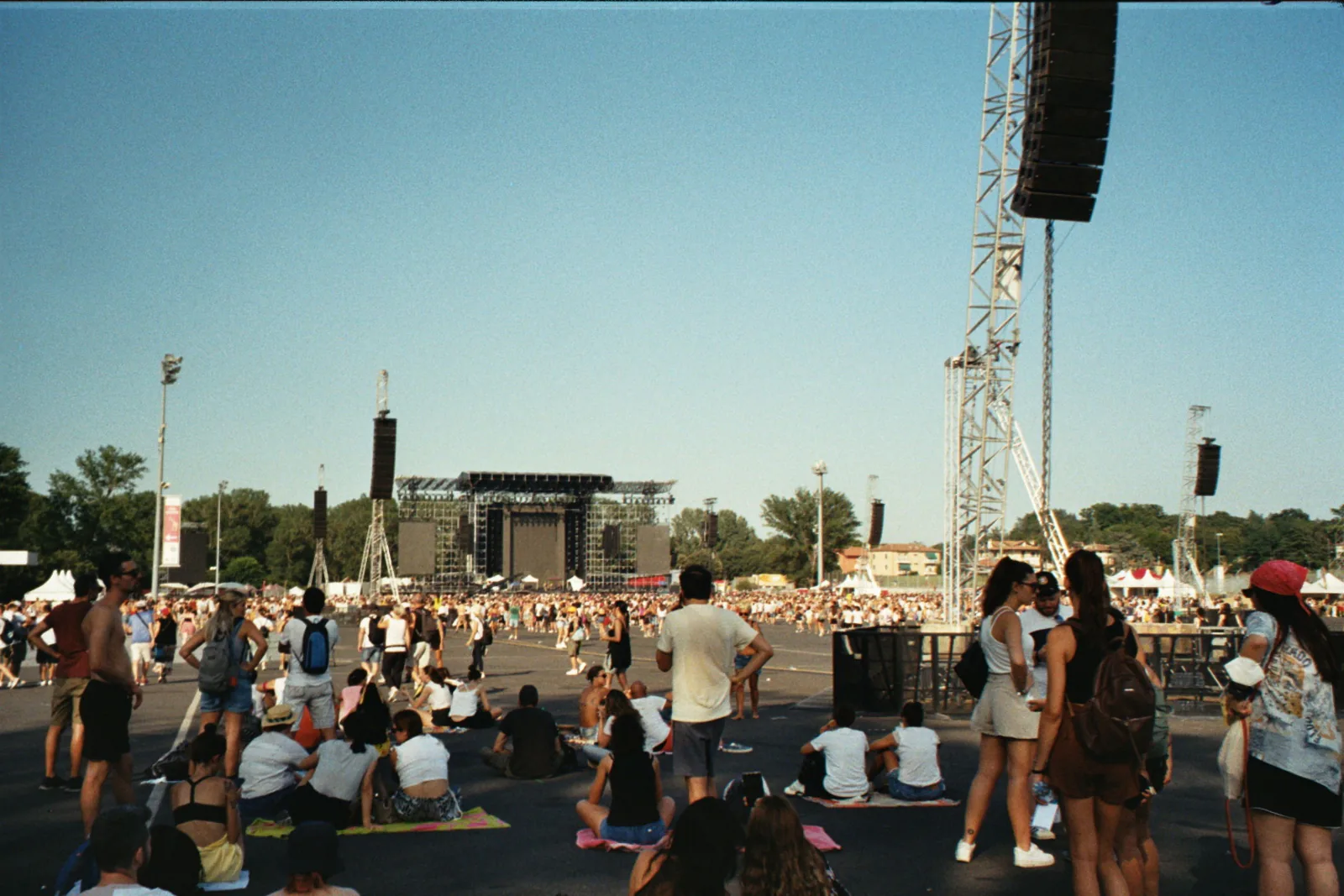
Boom Festival is one of Europe’s longest-running psytrance and transformational gatherings, running since 1997 and now held every odd year at Boomland, a dedicated festival site beside the Albufeira da Idanha reservoir near Idanha-a-Nova, Portugal. It’s not just a music festival — it’s built around art, workshops, permaculture, and a self-described “temporary sustainable city.” Recent editions have drawn an estimated 30,000+ attendees from well over 100 countries (approx, 2025 edition — not an official audited figure), which gives a sense of scale before you even set foot on-site.
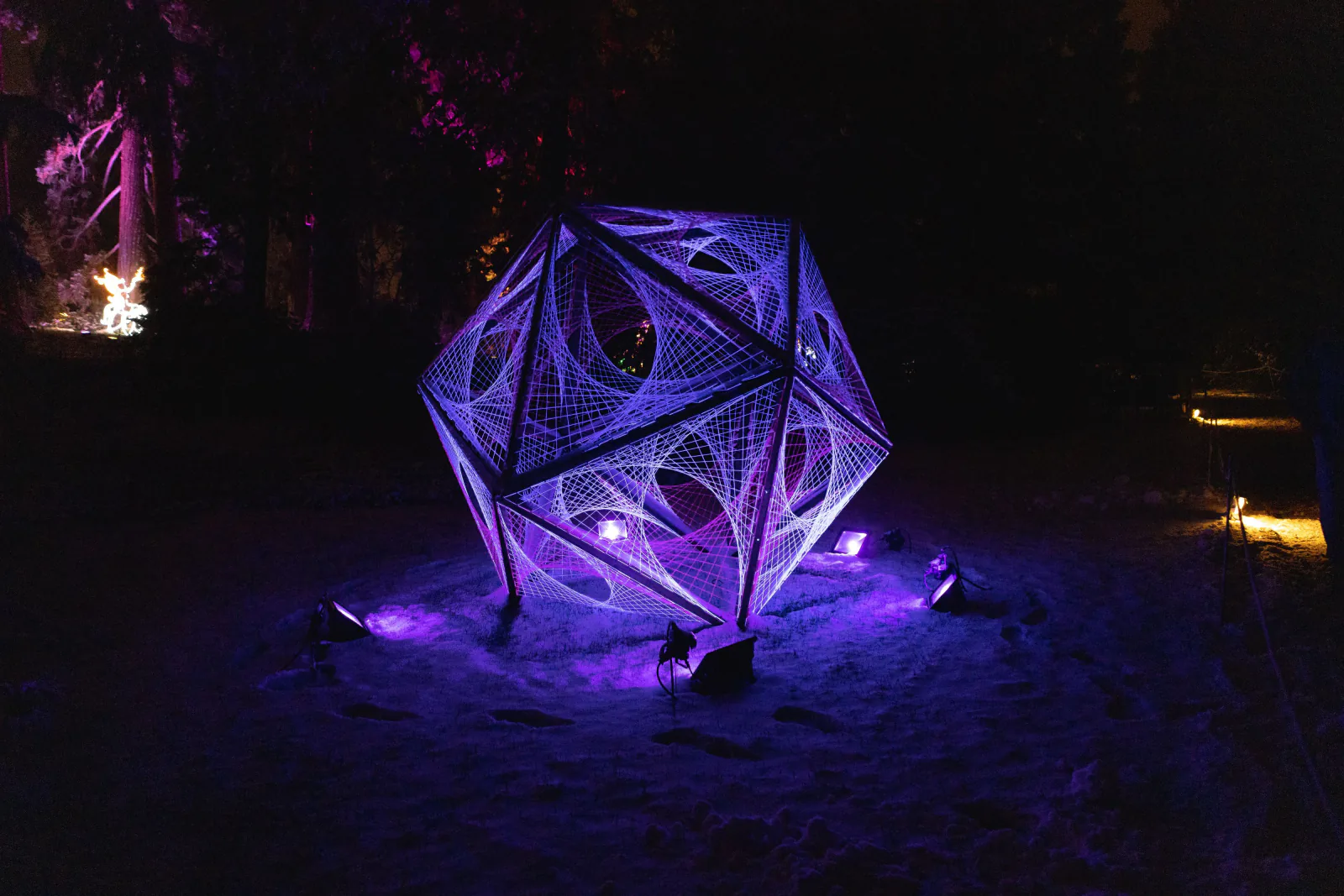
The site is organized around a handful of iconic zones: the Dance Temple (the main psytrance stage), the Alchemy Circle for downtempo and world music, and the Liminal Village, a program of talks, workshops, and ritual-adjacent experiences that runs alongside the music. Art installations — many built by attendees and resident artists — are scattered across the whole site, so you’re never more than a short walk from something worth photographing. Attendees who’ve done multiple editions often mention the same thing first: the sunrise sets at the Chill-Out area overlooking the reservoir, where the music slows down right as the sky turns pink over the water — a moment that repeatedly shows up in Boom’s own recap footage and attendee trip reports.
What sets Boom apart from a typical European festival is its sustainability obsession: composting toilets, water refill stations instead of plastic bottles, and a “leave no trace” ethic that’s actually enforced. If your festival radar is normally tuned to big-stage EDM, this is a different animal entirely — closer in spirit to Burning Man than to a typical Ibiza pool party. If you’re comparing formats before deciding where to spend your festival budget in 2027, our European Music Festival Guide 2026 breaks down how Boom stacks up against other major European events.
When Is Boom Festival 2027? What We Know So Far
Boom Festival 2027 will most likely take place in mid-to-late July, mirroring the pattern of recent editions, though official dates remain unconfirmed as of August 2026. Boom runs on a strict biennial rhythm — odd years only — so 2027 is confirmed as the next edition simply by that cycle, even before organizers publish a date.
Recent editions give a useful pattern to watch. The 2025 edition ran 17–25 July 2025, an eight-day arc that’s typical for Boom: the site opens a few days early for camping and decompression, the main program runs across the middle days, and there’s a wind-down period before everyone disperses. Expect a similar length and a similar mid-summer window for 2027, likely announced via Boom’s official channels roughly a year or more in advance — that’s the same lead time past editions have followed.
Because nothing is locked yet, treat any 2027 date you see elsewhere with caution unless it links back to Boom’s own announcements. Our advice: bookmark the official site, set a calendar reminder to check back every few months starting late 2026, and avoid booking non-refundable flights until dates are confirmed.
Getting to Boomland: Flights, Shuttles, and the Journey In
The fastest route to Boomland is flying into Lisbon (LIS), then covering the roughly 230 km northeast to Idanha-a-Nova by car, transfer, or festival shuttle — a trip that typically takes 2.5 to 3 hours door to door once you clear the airport. Lisbon Humberto Delgado Airport is the main international gateway — it’s well connected across Europe and typically has the widest flight selection, so it’s worth comparing routes early with a flight search tool like Aviasales once 2027 dates are public.
Official shuttle fares have historically run around €25–40 one-way — 2025-cycle pricing, unconfirmed for 2027 — for buses timed to the site’s gate-opening days, picking up from central Lisbon and dropping directly at Boomland’s gate. It’s the easiest no-car option if you’re flying solo or don’t want to navigate rural Portuguese roads after a red-eye flight. Some attendees fly into Porto instead, which can work out similar in distance depending on your home airport — worth checking both when you’re comparing fares.
If you’re driving yourself, know that the last stretch off the main highway runs through narrow country roads before you reach the site, and signage during festival week is usually handled by volunteer traffic marshals rather than permanent road signs — follow their hand signals, not your GPS, once you’re within a few kilometers of the gate. One veteran attendee’s tip that circulates in Boom’s community groups every cycle: fill up your fuel tank in Idanha-a-Nova town before heading to the site, since the nearest pumps get busy and some first-timers underestimate how far the last stretch actually is. There’s no direct train to Idanha-a-Nova, so most people either rent a car, join an organized shuttle, or arrange a private pickup in advance.
Once you’re actually on-site, budget extra time and energy for the walk-in: Boomland’s entrance car park typically sits a good 15–20 minutes on foot from the main camping fields, and hauling a loaded trolley or duffel bag across dusty, uneven ground in July heat is most first-timers’ first real workout of the week. A folding cart or wheeled cooler earns its weight in gold here. If you’d rather not deal with rental car logistics after a long-haul flight, pre-booking an airport transfer through a service like Welcome Pickups takes the guesswork out of arriving at an unfamiliar airport, especially if you’re landing late or traveling in a group with gear.
One logistics tip from past attendees: book accommodation or transport near Idanha-a-Nova early. The town itself sits roughly 8–10 km from Boomland and has limited guesthouse capacity, so options fill up fast once dates drop — last-minute arrivals often end up paying a premium or driving much further than expected.
Enjoying This?
Get more guides like this — plus flight deals — sent straight to your inbox.
Boom Festival Tickets: Price Tiers and What They Include
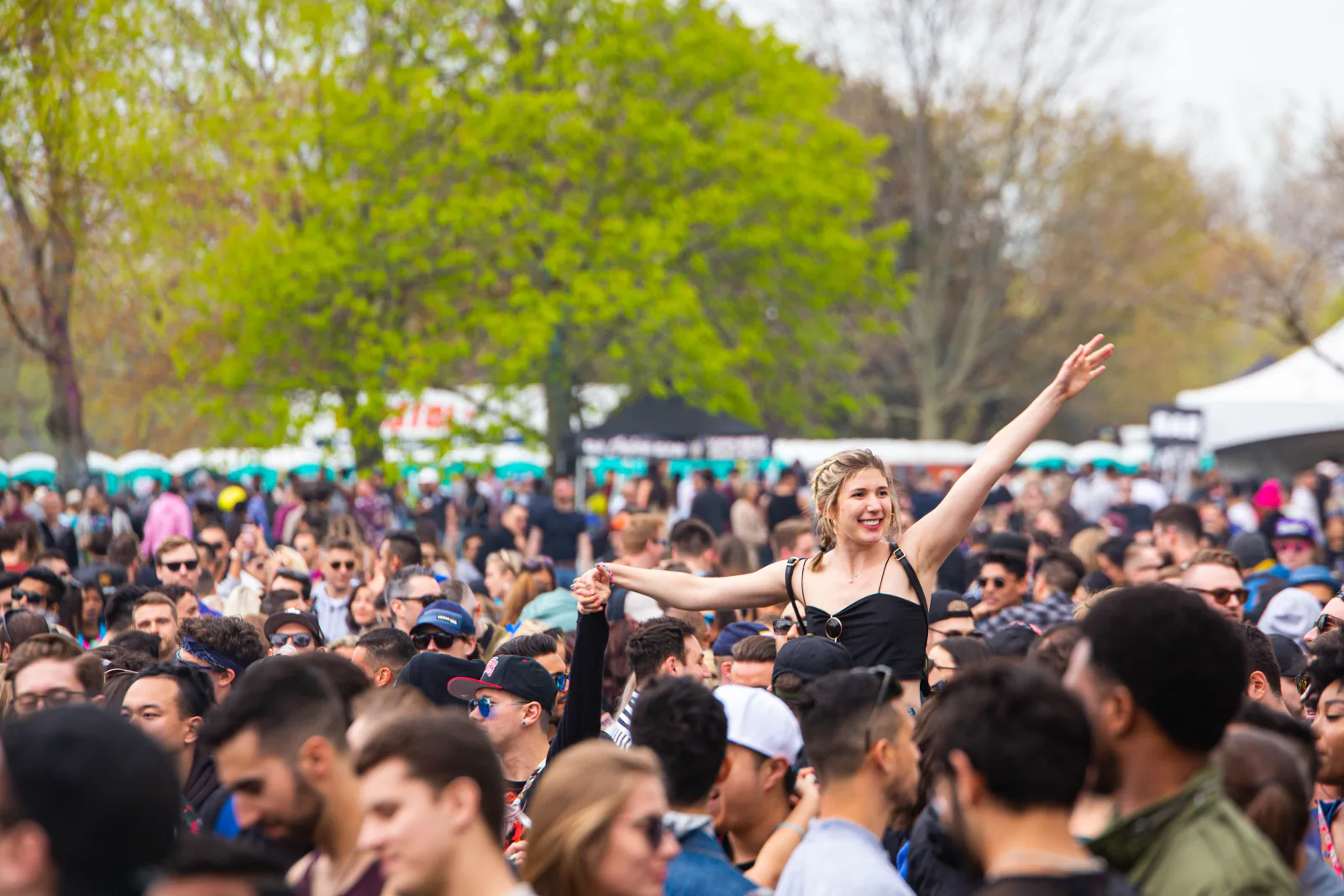
Boom Festival tickets release in sequential phases, with the cheapest early-bird passes historically priced meaningfully below the last-release rate — a gap of roughly 40–50% between the first and final tier in recent editions. Exact 2027 prices have not been announced as of August 2026, but the table below reflects the approximate, historical price structure from the 2025 cycle as a realistic planning reference — not a forecast of 2027 pricing.
| Ticket Phase | Typical Timing | Approx. Price (2025, historical) |
|---|---|---|
| Early Bird | Released roughly a year or more ahead | Around €160–180 — lowest tier, limited allocation, sold out first |
| Second Release | Autumn/winter before the event | Around €200–220 — moderate step up from early bird |
| Third Release | Spring, a few months out | Around €230–260 — typically the last “affordable” phase |
| Last Release / Gate | Closer to or at the event, if available | Around €270–300+ — not guaranteed; Boom has sold out ahead of gate before |
All figures above are approximate and historical (2025 cycle) — treat them as a budgeting reference only, since 2027 pricing has not been published. A few practical notes that have applied to past editions and are likely relevant again for 2027: a standard ticket includes camping access, tickets are generally non-transferable outside official resale channels, and Boom has historically offered instalment payment plans for early-bird buyers, which is worth watching for if you want to spread the cost. Separate add-ons — like a vehicle or campervan parking pass, historically priced in the approx €30–50 range, and an upgraded “quiet camping” zone away from the sound systems — have also appeared in past editions but aren’t guaranteed to return in the same form. Once 2027 dates are confirmed, expect the early-bird window to be your best value, and expect it to move fast — the 2025 early-bird allocation reportedly sold out within weeks of release, according to attendee forum reports at the time.
Packing and Surviving Boom: Camping, Weather, and Essentials
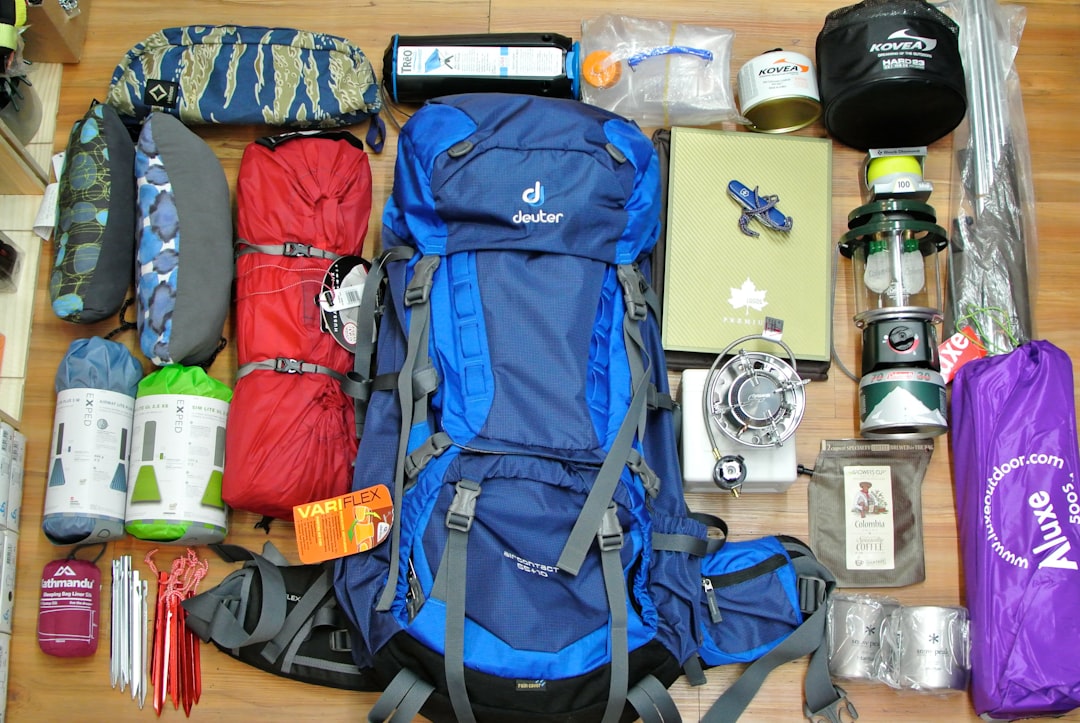
Surviving Boom comes down to three things: heat management, dust management, and pacing yourself across an eight-day event. Idanha-a-Nova in July regularly sees daytime temperatures well into the 30s°C, with cooler nights near the reservoir, so your packing list needs to cover both extremes. Ask anyone who’s done a full week and they’ll tell you the same thing: the fine, pale dust gets into everything — tents, camera gear, food — by around day three, which is why a simple bandana ends up being one of the most-used items in most people’s kit.
The site itself is big enough that distance becomes part of the survival math: the walk from the Dance Temple to the Alchemy Circle is roughly 500–600 meters, the Liminal Village sits adjacent to both, and a lap of the main art trail can easily eat an hour once you stop to actually look at everything. Budget real time just to move between zones, especially in peak afternoon heat. On-site food stalls have historically charged around €5–9 for a simple meal and a bit more for specialty or vegan options, while water refill stations are free — bring a bottle rather than buying disposable ones, since single-use plastics are discouraged across the site.
Here’s a realistic packing checklist based on what past attendees consistently say they needed:
- Sun protection: a wide-brim hat, high-SPF sunscreen, and a UV umbrella or shade tarp for your camping spot.
- Dust and heat gear: a bandana or light scarf, electrolyte tablets, and a refillable water bottle (Boom’s refill stations mean you don’t need to carry days of bottled water).
- Sleep setup: a good tent rated for heat, an eye mask, and earplugs — the site doesn’t go quiet, even away from the main stages.
- Footwear: sturdy closed shoes for the dusty ground, plus sandals for downtime.
- Practical extras: a headlamp, a portable power bank, cash in small denominations for stalls that don’t take cards, and a basic first-aid kit with blister plasters and rehydration salts.
Because Boom runs on a leave-no-trace policy, pack out everything you bring in — that includes food waste and cigarette butts. Bring reusable containers rather than disposable ones. If this is your first large-scale transformational or multi-day festival, the pacing lessons from our Tomorrowland First Time Tips guide still apply here — hydrate before you’re thirsty, and plan at least one full rest day into an eight-day event.
Frequently Asked Questions
When is Boom Festival 2027?
Exact dates for Boom Festival 2027 haven’t been officially announced as of August 2026. Based on the biennial odd-year pattern and the 17–25 July 2025 edition, a mid-to-late July window is likely, but confirm dates through Boom’s official channels before booking flights.
Why is there no Boom Festival in 2026?
Boom Festival runs on a biennial schedule and only takes place in odd-numbered years. The most recent edition was in 2025, so 2026 is a gap year by design, with the next edition expected in 2027.
Where exactly is Boom Festival held?
Boom Festival takes place at Boomland, a dedicated festival site beside the Albufeira da Idanha reservoir near Idanha-a-Nova, in central Portugal, roughly 230 km northeast of Lisbon. The site has hosted the festival at this location for multiple editions running.
How much do Boom Festival 2027 tickets cost?
Boom Festival 2027 ticket prices have not been announced as of August 2026. Based on the 2025 cycle (approx €160–300+ across early-bird through last-release tiers), a similar or slightly higher tiered structure is a reasonable planning assumption, but treat any specific 2027 figure you see elsewhere with caution until Boom confirms it officially.
What’s the best way to get from Lisbon to Boomland?
The most reliable option is flying into Lisbon and either joining an official festival shuttle (historically around €25–40 one-way, 2025 pricing) or arranging a private transfer, since there’s no direct train to Idanha-a-Nova. Driving yourself works too, but expect the final stretch to run through narrow country roads directed by volunteer marshals during festival week.
Is Boom Festival suitable for first-timers traveling solo?
Yes — Boom has a strong reputation as a welcoming, safety-conscious event for solo travelers, helped by its shuttle services, communal camping culture, and active volunteer and info-point network on-site. First-timers should still plan transport and accommodation early, since options near Idanha-a-Nova fill up fast once dates are confirmed.
Ready for Boomland in 2027?
Boom Festival 2027 doesn’t have confirmed dates or prices yet, but everything else about it — the reservoir-side setting, the eight-day rhythm, the art you can walk into — is already well documented by the 2025 edition. Bookmark Boom’s official announcements, start comparing routes into Lisbon with Aviasales once dates drop, and consider Compensair in your back pocket in case a delayed or cancelled connecting flight threatens your festival start date. Plan early, pack for dust and heat, and you’ll be ready the moment 2027 becomes official.
Never Miss a Deal
Get the best travel tips, festival guides & flight deals straight to your inbox.

Gbuska is the founder and lead writer at WanderFunTrip. What began as one too many 3 a.m. festival fields and a $40 flight booked on a whim turned into a full-time habit of testing adventure trails, party cities, and adults-only resorts firsthand — then writing up what actually worked (and what didn't). Every guide here starts from a real trip or a real booking, never a press release. Usually somewhere between a departures board and the next cliff jump.