⚡ Heads up: This post contains affiliate links. If you book or buy through them, we may earn a small commission — at no extra cost to you. We only recommend stuff we’d actually use ourselves.
Forget the postcard lakes for a second. Slovenia’s real showstopper is underground — a limestone karst so riddled with tunnels that cavers have mapped over 14,000 caves across a country the size of New Jersey. Caving in Slovenia ranges from a stroller-friendly train ride to full rope-and-headlamp expeditions, often within the same afternoon. TL;DR: you can ride a train into Postojna Cave for around €29, crawl and rope-descend through the non-tourist Pivka Cave on an adrenaline route from May to September, or row a wooden boat across 22 underground lakes at Križna Cave. This guide covers all four, what they actually cost in 2026, and how to string them together from Ljubljana.
We’ve split this by how much adrenaline you actually want. If you just want to see something impossible, Postojna and Škocjan do that on foot with zero prep. If you want to earn the view a little, the adventure routes and the long Križna boat tour are where Slovenia stops feeling like a museum and starts feeling like an expedition.
Why Caving in Slovenia Beats Anywhere Else in Europe

Slovenia sits on the Classical Karst — the original limestone plateau that gave the word “karst” to geology textbooks worldwide. That’s not marketing spin; the terrain here is why caves, sinkholes and underground rivers get studied here first and named after Slovenian villages second.
What makes it work for travelers is the range. You don’t need caving experience to see a cave here — Postojna’s electric train handles that. But if you’ve ever wanted to rope down into total darkness, Slovenia is one of the few places in Europe where a half-day adventure tour with full gear costs less than a nice dinner for two. Everything sits within roughly an hour of Ljubljana, so you’re not sacrificing a week of your trip to see it.
The story behind it helps explain the obsession. Local guide Luka Čeč first pushed past the known end of Postojna Cave back in 1818, holding a candle into a passage nobody had entered, and found the chambers that now form the show-cave route. Two centuries later, guides still lead groups through the same unlit sections he found first — except now you’re wearing a headlamp instead of carrying a candle. That continuity, a cave still being actively explored by the descendants of the people who first mapped it, is rare anywhere in Europe.
Postojna Cave: The Easy Way Underground

Postojna Cave is where most people start, and for good reason: a 1.5-hour guided tour includes a ride on the cave’s own underground train before you walk the rest on foot past stalagmites and the “Brilliant” — a five-meter white stalagmite that’s become the cave’s unofficial mascot. As of 2026, adult tickets run around €28.80–30.90 depending on season (June–September is peak), with a combined Postojna + Predjama Castle ticket at roughly €40.30, about 10% cheaper than buying separately.
Predjama Castle itself is worth the add-on — it’s built directly into a cave mouth halfway up a 123-meter cliff, and you can tour the tunnels behind it that connect to the same cave system. Book both together if you’re only doing one cave day in the region.
Inside, the temperature holds at a steady 8–10°C whatever the season, and you’ll walk roughly 700 meters on foot after the 3.7 km train ride, past chambers named things like the Concert Hall and the Spaghetti Hall for the pasta-thin stalactites hanging overhead. Groups are large — tours run every 20–30 minutes in peak season and are guided in multiple languages, so it never feels intimate, but it also means you rarely wait long to get in. Book your entry slot online a few days ahead in July and August; walk-up tickets can mean a two-hour wait at the gate.
| Cave | Duration | Adult price (2026) | Best for |
|---|---|---|---|
| Postojna Cave | ~1.5 hrs | ~€28.80–30.90 | First-timers, families |
| Luka Čeč adrenaline route (Pivka/Black Cave) | ~3–4 hrs | Priced on request, May–Sept only | Real caving, no experience needed |
| Škocjan Caves | ~1.5–2 hrs | ~€20–24 | UNESCO scenery, walking only |
| Križna Cave (short tour) | ~1 hr | ~€12–14 | One underground lake, easy |
| Križna Cave (13-lake boat tour) | ~3.5–4 hrs | ~€45–65 pp | Small groups, real rowing |
The Adrenaline Route: Caving Beyond Postojna’s Tourist Trail
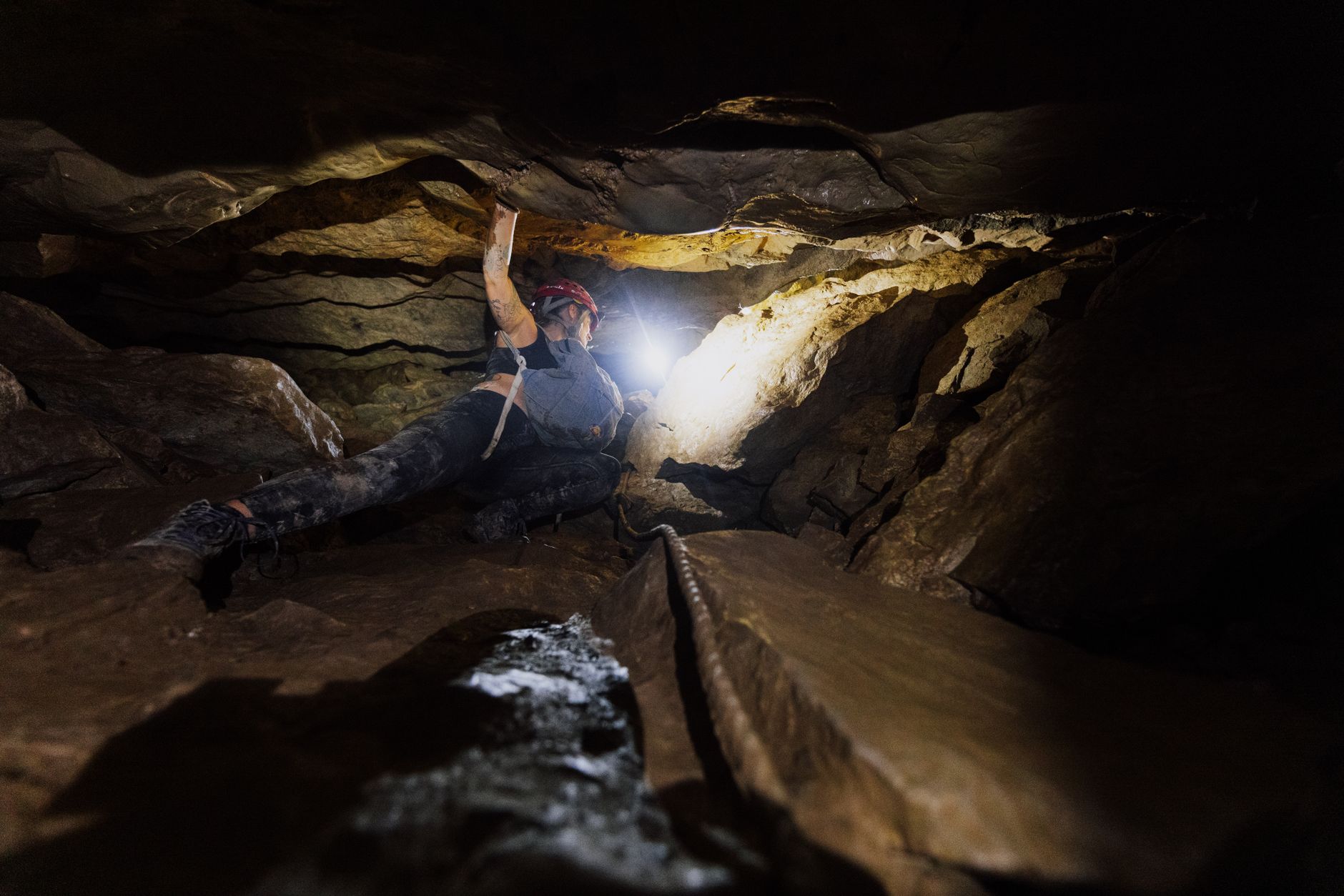
Once you’re past the boardwalks, Postojna Cave Park runs an actual caving tour called “In the Footsteps of Luka Čeč,” named after the local cave guide who discovered the cave’s inner chambers in 1818. It takes place in the non-touristy sections of Pivka Cave and Black Cave — the same system, just the parts without lighting or a train track.
Expect to descend a section by rope, climb over the underground Pivka River, cross a lake in Black Cave, and try basic underground orienteering along the way. All caving gear — helmet, headlamp, harness, overalls — is included in the price, and you don’t need prior caving experience. The catch: it only runs May through September, and it’s arranged in advance rather than walked into, so book a slot before you land if this is the reason you’re going.
What actually surprises people isn’t the rope work — it’s the silence. Once the guide switches off the group’s headlamps for a minute in Black Cave, there’s no ambient light at all, no hum of a ventilation system, nothing. You hear your own breathing and, if the river’s running, water somewhere below. It’s the closest most travelers will get to sensory deprivation without booking a spa. Groups are kept small, usually under ten people, and the whole thing is run directly by Postojna Cave Park — the same operator behind the train tour — though this route books through their dedicated adventure desk rather than the general ticket counter, so reserve it on their official site before you land rather than assuming you can add it on the day.
If that kind of rope-and-harness adrenaline is your thing, it pairs naturally with a trip built around canyoning in Interlaken — same skill set, opposite direction (down a mountain instead of into one).
Enjoying This?
Get more guides like this — plus flight deals — sent straight to your inbox.
Škocjan Caves: Walking Through a UNESCO Canyon
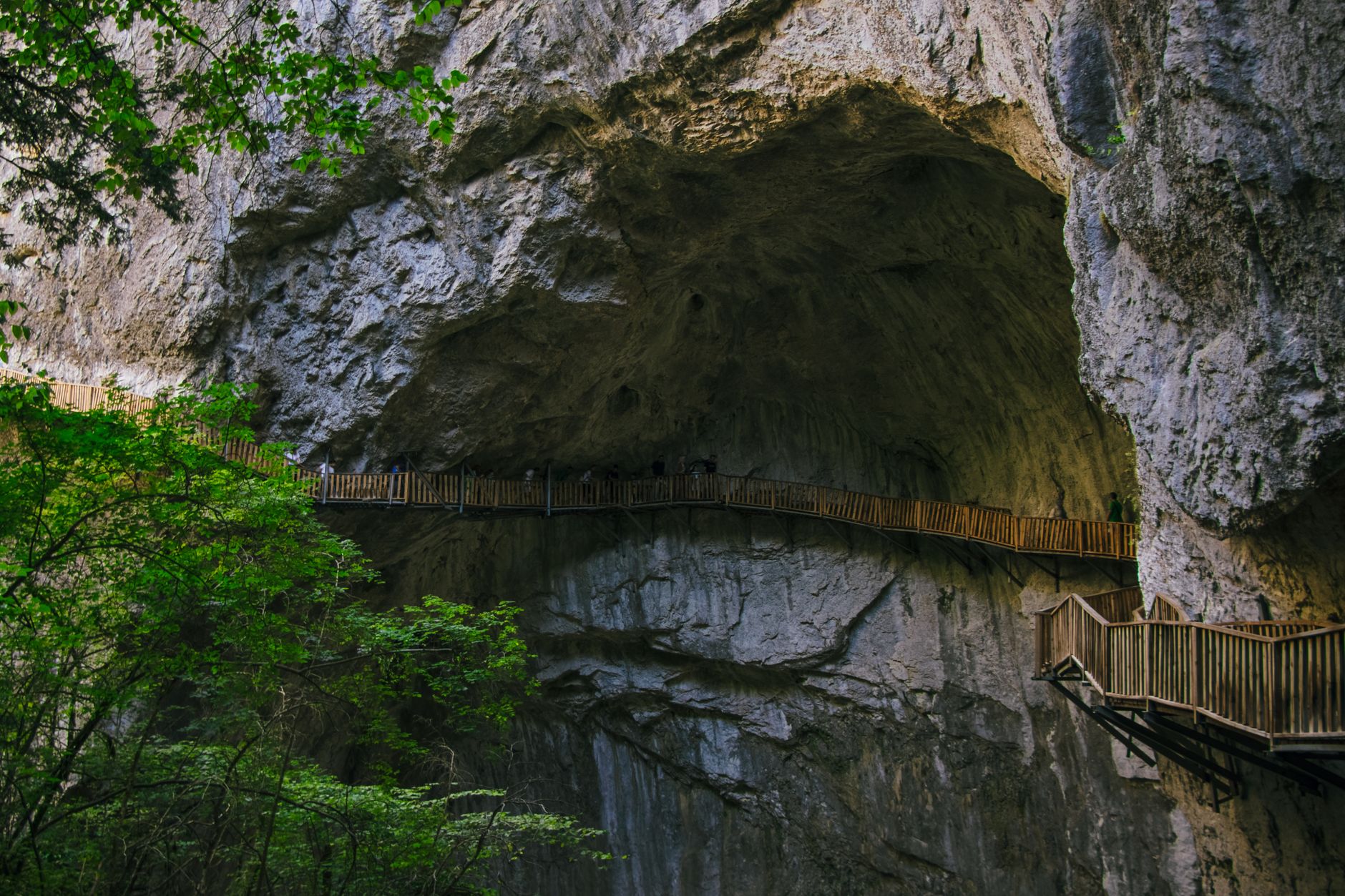
Škocjan Caves earned UNESCO World Heritage status as the first Slovenian site on the list, and once you’re standing on the Cerkvenik Bridge 45 meters above the underground Reka River, it’s obvious why. This is one of the largest known underground river canyons on Earth — no boat, no rope, just a walking tour through a cavern big enough to swallow a cathedral.
Tours run about 90 minutes to two hours and cost roughly €20–24 for adults, open year-round with longer hours from March to October (typically 10 a.m.–5 p.m.) and reduced winter slots. Book online in advance in July and August — this is the one cave in the region that regularly sells out its guided time slots.
The walk covers close to 3 km round trip, mostly on stone paths and stairs rather than flat boardwalk, so it’s more of a hike than Postojna’s train-assisted stroll — wear proper shoes, not sandals. The route ends at the Reka River’s collapsed sinkhole, part of the same underground system that carries the river roughly 30-plus km toward the Italian border, where it resurfaces as the Timavo River. Photography is allowed but tripods and flash aren’t, out of respect for the cave’s fragile formations, so bring a phone or camera that handles low light reasonably well if you want usable photos.
Križna Cave: Rowing Across Underground Lakes
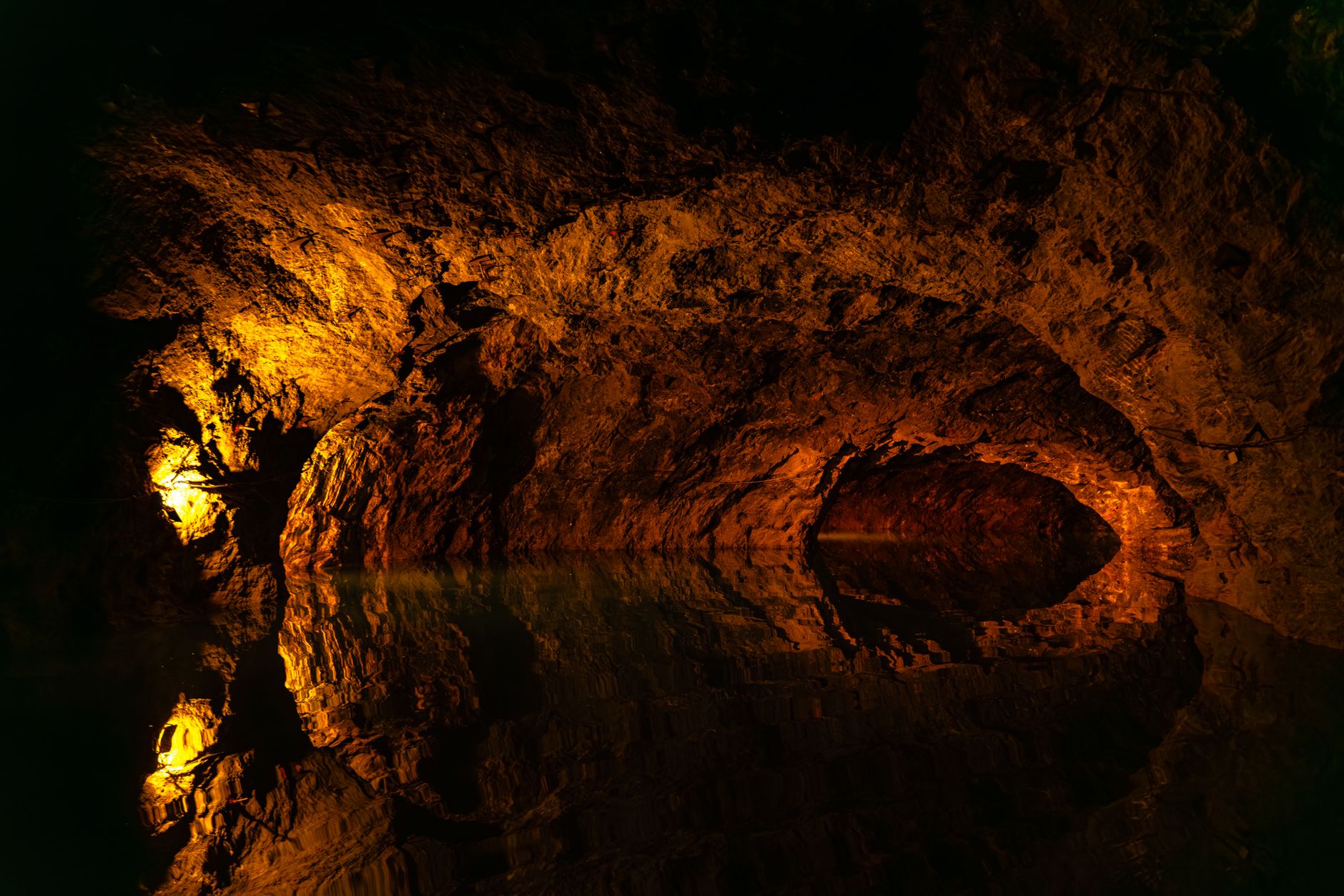
Križna Cave is the one to pick if the idea of a wooden rowboat gliding across still, pitch-black water sounds better than walking. The cave holds 22 lakes deep enough to cross by boat (45 if you count the smaller pools in Blatnikov Rov), some reaching 7 meters deep.
A short version crosses a single lake in about an hour for roughly €12–14 per adult. The serious version — a 3.5 to 4-hour tour by advance booking only, rowing across 13 lakes toward the Kalvarija chamber — runs about €45–65 per person with all equipment supplied, and it’s genuinely physical, not a sightseeing float. One practical note nobody mentions until you’re there: bring cash. Tickets here are cash-only, and the nearest ATM isn’t close.
You’ll wear a headlamp and rubber boots for the longer tour, and take turns rowing since the guide can’t paddle all 13 lakes solo for a full group. The cave is also a protected habitat for the olm — the pale, blind salamander that lives only in these karst waters and can survive years between meals — so guides ask everyone to keep hands out of the water past the first lake. Group sizes on the long tour are capped low, often around eight people, which is part of why it books up weeks ahead in peak summer.
Planning Your Trip: Gear, Season & Getting to Postojna
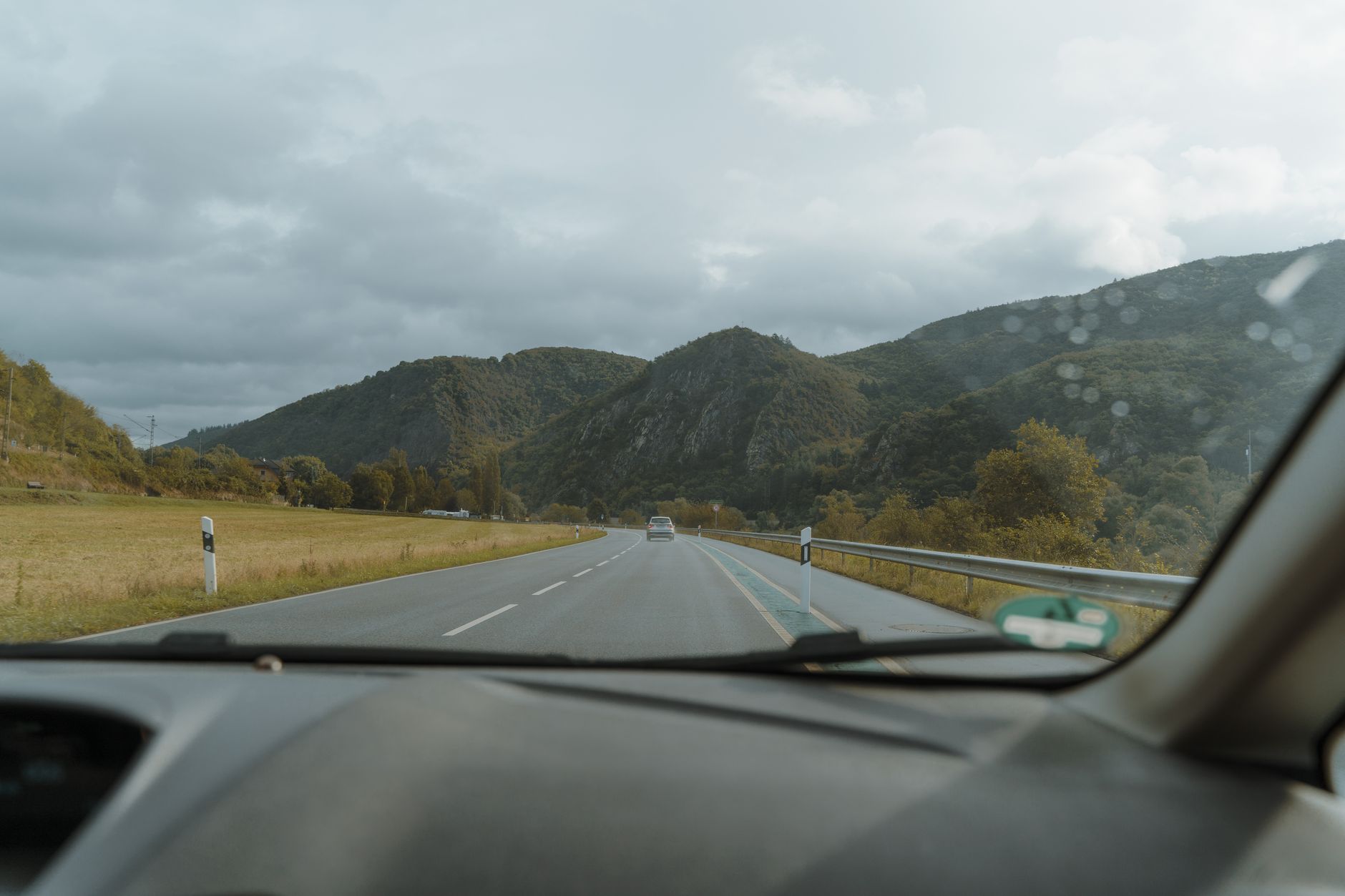
May through September is the sweet spot — it’s when the adventure caving routes actually run, and cave temperatures stay a steady 8–10°C year-round regardless of what’s happening outside, so bring layers no matter the month. Fly into Ljubljana Jože Pučnik Airport; Postojna sits about 74 km (roughly a 50-minute drive) away, with a taxi or private transfer far faster than the combination of shuttle and train, which can take over two hours.
Search flights into Ljubljana with Aviasales to compare routes before booking anything else, and if you’d rather skip the taxi queue after landing, an airport transfer through Welcome Pickups gets you straight to Postojna without the guesswork. Rope descents and underground river crossings also make this exactly the kind of trip where travel insurance built for adventure activities via EKTA is worth the extra few euros, since standard policies often exclude caving and rope work outright.
For the adventure routes specifically, pack:
- Old clothes you don’t mind getting muddy or wet (overalls are provided, but you’ll still get dirty underneath)
- Closed, grippy shoes — hiking boots or old trainers, never sandals
- A light fleece or jacket for the 8–10°C cave temperature
- A change of clothes and shoes for after the tour
- Cash, especially if Križna Cave is on your list
If you’ve only got a weekend, here’s a realistic split: spend day one at Postojna Cave and Predjama Castle in the morning, then drive the roughly 40 minutes to Škocjan for an afternoon slot before the light fades on the sinkhole views. Save day two for whichever adventure route matches your appetite for adrenaline — either the Luka Čeč tour back at Pivka and Black Cave, or the long boat crossing at Križna if rowing through still water sounds better than rope work. Both need booking at least a few days ahead in summer, so lock them in before you land rather than hoping for a same-day slot.
Frequently Asked Questions About Caving in Slovenia
Do I need caving experience to do the adventure routes?
No. The Luka Čeč adventure tour at Pivka and Black Cave is designed for first-timers, with all gear provided and a guide leading every technical section.
What’s the best month to go caving in Slovenia?
May through September is best, since it’s the only window the adrenaline adventure tours at Postojna and the longer Križna Cave boat tour run at all.
Can I visit Postojna Cave and Škocjan Caves in one day?
Yes, but plan for a full day — they’re about 40 minutes apart by car, and each tour plus travel time and a lunch stop realistically fills 8–9 hours.
Is Postojna Cave suitable for kids?
Yes. The standard 1.5-hour train-and-walk tour is stroller- and family-friendly, with child tickets priced lower than adult admission.
How cold does it get inside these caves?
Slovenian caves stay a consistent 8–10°C year-round, so a fleece or light jacket is essential even in the height of summer.
Do I need a car to visit these caves from Ljubljana?
A car or private transfer makes it far easier — public transport between Ljubljana Airport and Postojna can take over two hours with transfers, versus about 50 minutes by road.
Between the train ride at Postojna, the rope work at Pivka and Black Cave, the UNESCO canyon at Škocjan, and the rowboats at Križna, Slovenia packs more underground variety into one small region than almost anywhere else in Europe. Book your Postojna or Škocjan tickets online ahead of July and August, and if the adrenaline route is the whole reason you’re going, reserve that slot before you land — it’s seasonal and it does sell out. Pair it with a few days of via ferrata in the Dolomites next door and you’ve got a full week of Alpine-and-underground adventure sorted.
Never Miss a Deal
Get the best travel tips, festival guides & flight deals straight to your inbox.

Gbuska is the founder and lead writer at WanderFunTrip. What began as one too many 3 a.m. festival fields and a $40 flight booked on a whim turned into a full-time habit of testing adventure trails, party cities, and adults-only resorts firsthand — then writing up what actually worked (and what didn't). Every guide here starts from a real trip or a real booking, never a press release. Usually somewhere between a departures board and the next cliff jump.