⚡ Heads up: This post contains affiliate links. If you book or buy through them, we may earn a small commission — at no extra cost to you. We only recommend stuff we’d actually use ourselves.
Iceland’s glaciers cover about 10% of the country, and hiking one is nothing like a regular mountain trail — you’re walking on a moving river of ice riddled with hidden crevasses, which is exactly why nobody does it alone. TL;DR: glacier hiking in Iceland is guide-only by law and by common sense, tours run year-round on Sólheimajökull and Vatnajökull outlet glaciers, and a basic 2–3 hour walk runs roughly $65–115 per person as of 2026, with combo ice cave tours only possible from November through March. This guide covers which glacier to pick, what it actually costs, and how to pack for it.
We’ve kept this practical rather than dreamy — the crevasse warnings are real, the gear list matters, and the prices below are what operators are actually charging this year, not marketing-page ranges from three years ago.
Guided Only: Why You Can’t Just Walk Onto an Icelandic Glacier
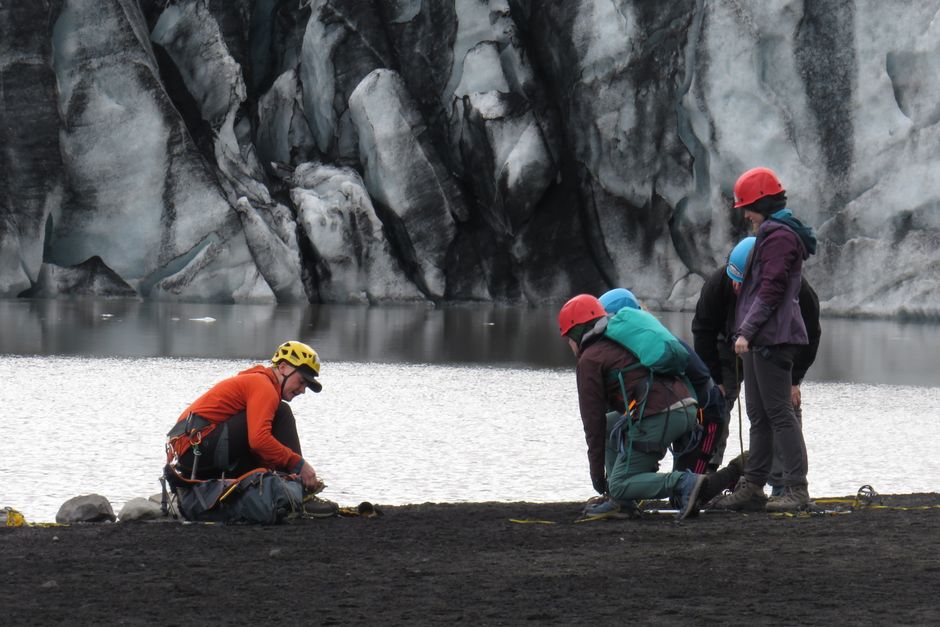
You cannot legally or safely walk onto an Icelandic glacier without a certified guide. Crevasses — deep cracks in the ice — get hidden under thin snow bridges that look solid from above but can collapse under a single footstep, and a fall into one can be fatal. Every reputable operator requires a guide for exactly this reason, and Iceland’s volunteer search-and-rescue teams (ICE-SAR) spend a meaningful chunk of their callouts each year on hikers who tried to freelance it on marked or unmarked glacier terrain.
What a guide actually adds beyond legality: route-reading around crevasse fields that shift week to week as the glacier moves downhill under its own weight, a rope for the sections where it matters, and the equipment you’d otherwise have no way to rent solo — crampons, ice axes, and harnesses are supplied on every standard tour, along with a safety briefing before you set foot on the ice. Group sizes on beginner walks typically run 10–15 people with one or two guides; smaller “private” and ice-climbing add-on tours cap lower, often around 6–8, which matters if you want more one-on-one instruction on the technical sections.
None of this makes it inaccessible. Beginner glacier walks assume zero prior experience — you’ll get a 10–15 minute briefing on how to walk in crampons (short, deliberate steps, feet flat, let the spikes do the work) before the guide leads the group onto the ice single-file. Guides typically test the route themselves each morning before a group ever sets foot on it, since a glacier’s surface genuinely looks different week to week as meltwater carves new channels and old crevasses widen or seal over.
Sólheimajökull vs. Skaftafell vs. Vatnajökull: Picking Your Glacier
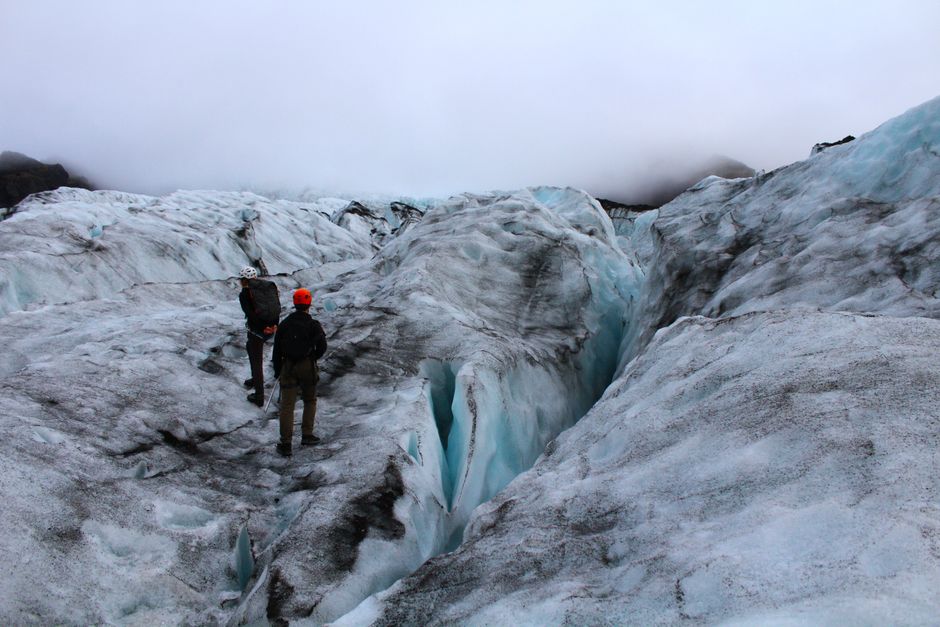
Sólheimajökull is the default choice for a reason: it’s an outlet glacier about two hours (roughly 150 km) from Reykjavík near the town of Vík, streaked black and grey with volcanic ash from nearby eruptions, which makes it look genuinely different from the white-glacier photos you’ve seen elsewhere. It’s the easiest to combine with a South Coast day trip past Seljalandsfoss and Reynisfjara black sand beach.
Skaftafell, inside Vatnajökull National Park about four hours from Reykjavík, is the gateway to the ice-cave season and to Falljökull — the steep, dramatically crevassed outlet glacier used in Game of Thrones filming — for hikers who want a more technical walk than Sólheimajökull’s gentler terrain. Vatnajökull itself is Europe’s largest ice cap by volume, covering roughly 8% of Iceland’s landmass, and “Vatnajökull glacier hike” tours usually mean one of its several outlet tongues, Falljökull and Svínafellsjökull among the most booked.
The visual difference matters more than most first-timers expect. Sólheimajökull is streaked dark grey and black from volcanic ash layered in by past eruptions, which makes for striped, almost marbled ice up close — dramatic in photos but occasionally disappointing if you pictured pure white. Falljökull and Svínafellsjökull run whiter and bluer, especially deeper into the ice field, and their steeper icefalls mean more scrambling over ridges rather than Sólheimajökull’s flatter, more even walking surface.
| Glacier | Distance from Reykjavík | Difficulty | Best for |
|---|---|---|---|
| Sólheimajökull | ~150 km (~2 hrs) | Easy–moderate | First-timers, South Coast day trip |
| Falljökull (Skaftafell) | ~330 km (~4 hrs) | Moderate | Steeper icefall, ice cave pairing |
| Svínafellsjökull | ~325 km (~4 hrs) | Moderate | Dramatic crevasses, photography |
| Langjökull | ~140 km (~2.5 hrs) | Easy (snowmobile-assisted) | Into-the-glacier ice tunnel combo |
The Real Cost of an Iceland Glacier Tour in 2026

A basic 2–3 hour glacier walk on Sólheimajökull runs around $65–115 per person as of 2026, with entry-level options from local operators starting near 8,490 ISK (about $65) and most mid-range bookings landing closer to $95–115. Step up to a 4–6 hour hike with an ice-climbing add-on and expect $150–220 per person, since that includes extra gear time and a smaller group.
Full-day tours from Reykjavík that bundle a glacier walk with South Coast sightseeing — waterfalls, the black sand beach, sometimes a second stop — run $180–280 per person, transport included, which is worth it if you don’t have a rental car. Private and small-group glacier tours cost more, generally $250–400 per person, but you’re not sharing crampon-fitting time with fifteen strangers, and guides tend to go deeper on the geology and route explanations when the group is small.
Gear rental (crampons, ice axe, harness, helmet where needed) is included in every price above — you’re not paying extra unless you need waterproof boots rented too, which usually adds $10–15. Tips aren’t expected the way they are in the US, but rounding up or leaving a small cash tip for a guide who went out of their way is normal and appreciated. Cancellation policies vary; most operators offer a free reschedule if weather closes the glacier that day, which happens more often than travelers expect given how quickly Icelandic conditions shift.
| Tour type | Duration | Price per person (2026) |
|---|---|---|
| Basic glacier walk | 2–3 hrs | ~$65–115 |
| Extended hike + ice climbing | 4–6 hrs | ~$150–220 |
| Full-day South Coast + glacier | ~9–10 hrs | ~$180–280 |
| Ice cave + glacier combo (winter) | ~5–6 hrs | ~$150–250 |
Enjoying This?
Get more guides like this — plus flight deals — sent straight to your inbox.
Ice Cave and Glacier Combo Tours
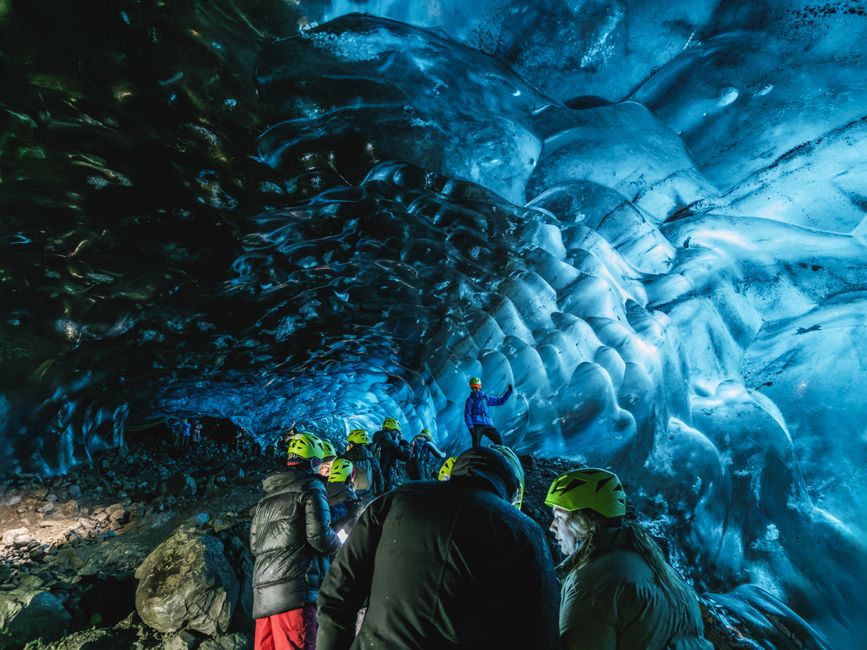
Natural blue ice caves are only safe to enter from November through March, once sustained freezing temperatures stabilize the ice enough for guides to open them. Try to book one in July and you’ll be offered a man-made ice tunnel on Langjökull instead — impressive in its own way, but not the same thing as the natural blue-ice chambers that make Iceland’s winter ice caves famous on Instagram.
The Skaftafell Blue Ice Cave tour pairs a glacier walk on Falljökull or Svínafellsjökull with an hour or so inside a cave where compressed glacial ice glows a deep, saturated blue when guides’ headlamps catch it — a color that’s genuinely hard to photograph accurately on a phone. Katla ice cave, accessed via Mýrdalsjökull, is the more weather-reliable alternative when Vatnajökull-area caves get shut down by storms, since it sits inside a man-made tunnel system that isn’t as exposed.
Book combo tours at least a few weeks ahead if you’re traveling in December or January — that’s peak demand for ice caves specifically, and access is tightly controlled since a cave that’s stable on Monday can be closed by Thursday if temperatures spike. Guides check ice stability daily using the same route-testing approach they use on the glacier surface itself, and they will reroute or cancel rather than take a group into a cave that’s showing new cracks.
Expect near-freezing temperatures inside even a “warm” cave, and bring the same layered clothing you’d wear on the glacier hike itself — the cave doesn’t warm things up, it just blocks the wind. Photography inside is usually allowed without a tripod, and the deep blue color comes from centuries of compressed ice absorbing every wavelength of light except blue, which is worth mentioning to anyone in your group who assumes it’s an edited photo when they see it beforehand.
What to Wear and Pack for the Ice
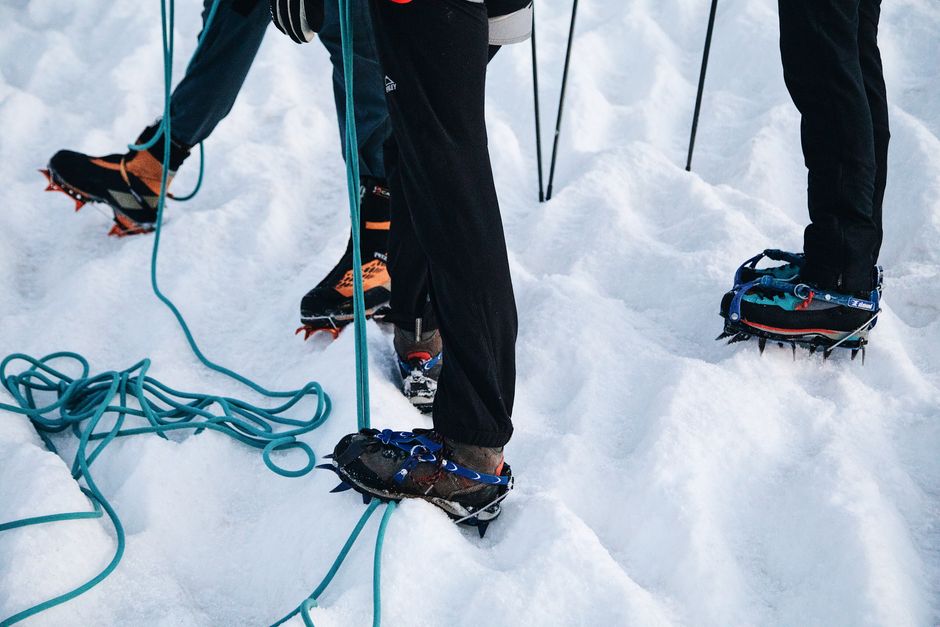
Layers matter more than any single piece of gear. Glacier surfaces sit at or below freezing even in July, and wind off the ice cap cuts through anything that isn’t windproof.
- Waterproof, ankle-supporting hiking boots — crampons are fitted over these, so trainers or trail runners generally aren’t accepted
- A base layer plus a warm mid-layer (fleece or wool) plus a windproof/waterproof outer shell
- Waterproof gloves — thin liner gloves underneath make it easier to handle zippers and cameras without exposing bare skin
- A hat that covers your ears, even in summer
- Sunglasses — glare off white or blue ice is intense on clear days
- A daypack for water and snacks; most tours don’t include lunch
Crampons, ice axes, and harnesses (where the route needs one) are provided by every operator worth booking — don’t buy your own for a single tour. If your boots aren’t waterproof, some operators rent them for a small extra fee, but it’s worth confirming that when you book rather than finding out at check-in.
Getting to Iceland and Booking Your Tour
Keflavík International Airport is the arrival point for nearly everyone, about 45 minutes from Reykjavík, and most glacier tours either pick up from the capital or expect you to have a rental car for the South Coast drive. Search flight options into Keflavík with Aviasales before locking in tour dates, since Iceland’s weather can shift a departure by a day either way in shoulder season.
Book glacier walks 1–2 weeks ahead in peak summer (June–August) and further out for winter ice cave combos, since both sell out on short notice around holidays. Crevasses shift and ice caves close on short notice due to weather, which is exactly the kind of activity standard travel insurance tends to exclude — adventure-specific coverage through EKTA is worth the extra cost for anything involving crampons and rope. If your flight into Keflavík gets delayed or cancelled and throws off a pre-booked tour slot, Compensair can help claim compensation for the flight itself.
If you’re building a longer Iceland itinerary, glacier hiking pairs naturally with a day of caving-style guided adventure elsewhere in Europe on the same trip — the rope-and-crampon skill set carries over almost directly from caving in Slovenia or via ferrata in the Dolomites, if you want to compare guided mountain adventures before picking one.
Frequently Asked Questions About Glacier Hiking in Iceland
Do I need hiking experience to go glacier hiking in Iceland?
No. Standard beginner glacier walks on Sólheimajökull assume zero prior experience, with a short briefing on walking in crampons before you step onto the ice.
Can I walk on an Icelandic glacier without a guide?
No — this isn’t allowed on any operator-managed access route, and it’s genuinely dangerous, since crevasses hide under snow bridges that can collapse without warning.
What’s the best month for glacier hiking in Iceland?
Glacier walks run year-round, but if you specifically want a natural blue ice cave combo, you need November through March — that’s the only window caves are stable enough to enter.
How fit do I need to be for a glacier hike?
Basic 2–3 hour walks need only average fitness and no technical skill; extended 4–6 hour hikes with ice climbing are more physically demanding and usually have a minimum age around 12–16.
Is glacier hiking safe for kids?
Most operators set a minimum age of 8–10 for basic walks and higher for extended or ice-climbing tours — check the specific tour’s age policy before booking, since it varies by operator.
What should I wear on a glacier hike?
Waterproof hiking boots, layered warm clothing under a windproof shell, gloves, and a hat — crampons, ice axes, and harnesses are supplied by the tour operator.
Between Sólheimajökull’s ash-streaked ice an easy two hours from Reykjavík and Vatnajökull’s blue ice caves further east, Iceland packs an unusual amount of glacier variety into a country you can loop in a week. Book your walk through a licensed operator, budget for the gear you don’t already own, and if a winter ice cave is the whole reason you’re going, lock that slot in weeks ahead rather than hoping for a same-day booking. Compare flights into Keflavík early, since tour dates and flight dates need to line up before anything else falls into place.
Never Miss a Deal
Get the best travel tips, festival guides & flight deals straight to your inbox.

Gbuska is the founder and lead writer at WanderFunTrip. What began as one too many 3 a.m. festival fields and a $40 flight booked on a whim turned into a full-time habit of testing adventure trails, party cities, and adults-only resorts firsthand — then writing up what actually worked (and what didn't). Every guide here starts from a real trip or a real booking, never a press release. Usually somewhere between a departures board and the next cliff jump.