⚡ Heads up: This post contains affiliate links. If you book or buy through them, we may earn a small commission — at no extra cost to you. We only recommend stuff we’d actually use ourselves.
The wind never really stops in Tarifa, and that’s exactly the point. This scrappy little town at the southern tip of Spain gets over 300 windy days a year, which is why it’s been the kitesurfing capital of Europe since the sport was basically invented here in the late ’90s.
If you’ve never clipped into a kite before, Tarifa is still the right place to start — the beaches are long, the schools are IKO-certified, and the learning curve is famously forgiving compared to sketchier spots. This guide covers when to go, where to learn, what a lesson actually costs, and which schools are worth your money.
TL;DR: Tarifa has two main wind directions — Levante (east) and Poniente (west) — and wind on roughly 300+ days a year, with the strongest, most reliable conditions from around June to September. Beginners should learn on Los Lances beach, book an IKO-certified school, and budget for a multi-day course rather than a single lesson.
When Is the Best Time to Kitesurf in Tarifa?
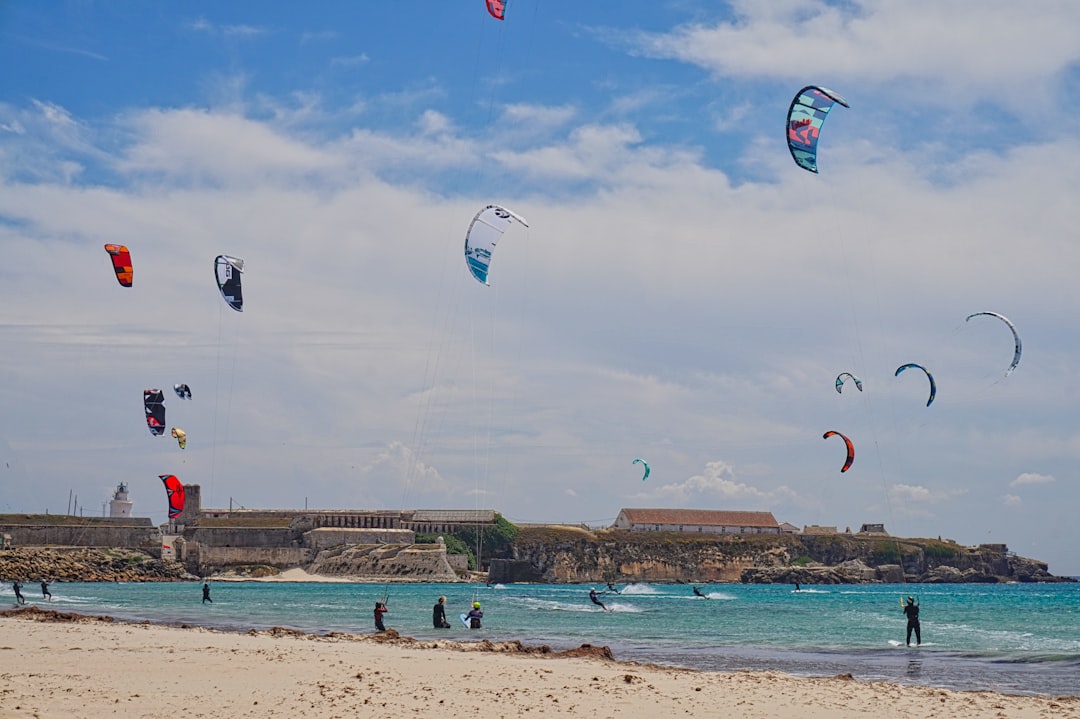
The best time to kitesurf in Tarifa is from June to September, when Levante and Poniente winds blow most consistently and water temperatures are warmest. That said, Tarifa is windy nearly year-round, which is why the season officially runs from around March through November.
Two winds shape everything here. Levante blows from the east, out of the Mediterranean, and tends to be stronger and gustier — it can hold for days and occasionally pushes past 40 knots. Poniente comes from the Atlantic in the west, is generally smoother and easier to ride, and pairs with cleaner conditions for beginners.
Locals will tell you Poniente is the friendlier wind for a first course, since it’s steadier and less punchy near the shore. Levante looks epic in photos but can be intimidating when you’re still learning to body-drag.
- March–May: Wind picks up, water is still cool (wetsuit season), fewer crowds.
- June–September: Peak season — warmest water, most consistent wind, busiest beaches and schools.
- October–November: Strong Levante days, quieter town, cooler water.
- December–February: Kitesurfing continues for the hardy, but many schools reduce hours or close for the low season.
Whatever month you pick, check the forecast a few days out rather than booking blind — Tarifa’s wind is reliable in general but not guaranteed on any single day. Local schools and beach bars post daily wind readings, and most instructors will happily reshuffle your course schedule around a flat spell rather than burn a paid session on dead air.
One more seasonal detail worth knowing: Tarifa’s Levante wind has a reputation that goes beyond kitesurfing — locals half-joke that it affects moods and sleep during long multi-day blows. It’s a real phenomenon tied to the pressure difference between the Atlantic and Mediterranean funneling through the Strait of Gibraltar, and it’s part of what makes this stretch of coast so consistently windy compared to almost anywhere else in Europe.
Where to Kitesurf: Los Lances vs Valdevaqueros Beach
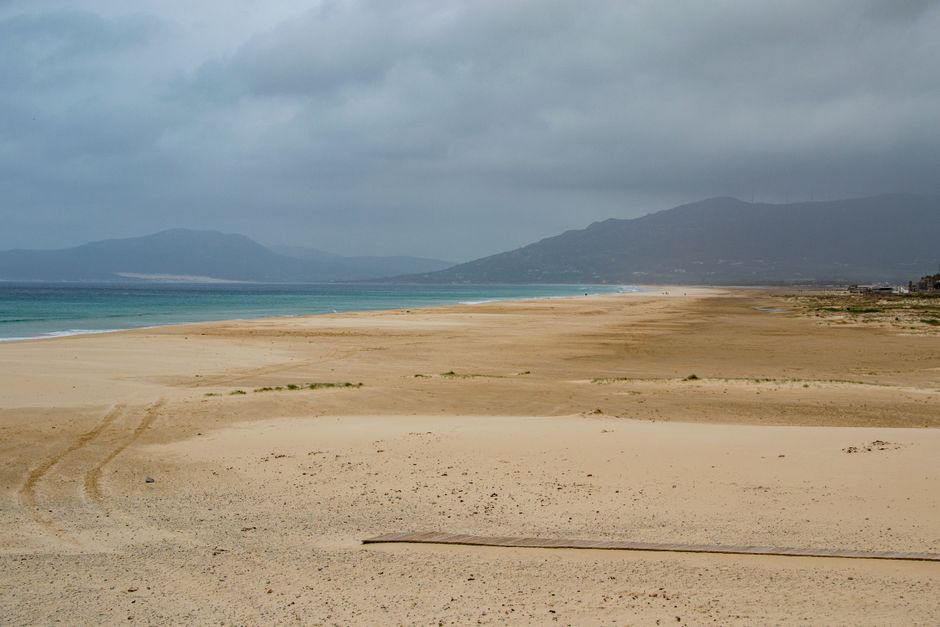
Los Lances is the better beach for beginners, while Valdevaqueros suits intermediate and advanced riders who want more space and a livelier scene. Both sit within a short drive of central Tarifa and both work in Levante or Poniente conditions, but the vibe and layout are pretty different.
Los Lances is a wide, kilometer-long stretch of sand right next to town, with flat, sandy-bottomed water close to shore — ideal for the endless self-rescue and relaunch drills that fill a beginner’s first days. Valdevaqueros, a few kilometers south near the dunes of Punta Paloma, stretches over 4 km with a curved coastline that angles the wind slightly side-off in places, which locals rate as safer once you’re past the basics.
| Beach | Best For | Wind | Vibe |
|---|---|---|---|
| Los Lances | Beginners, lessons | Levante & Poniente | Close to town, family-friendly |
| Valdevaqueros | Intermediate & advanced | Best in Levante | Beach bars, dunes, freestyle crowd |
| Punta Paloma | Quieter sessions | Levante & Poniente | Wilder, fewer crowds |
Most schools teach exclusively on Los Lances for exactly this reason — it’s the one beach in the area where a nervous first-timer isn’t dodging kitesurfers doing 30 km/h transitions ten meters away.
How Much Does a Kitesurfing Course Cost in Tarifa?
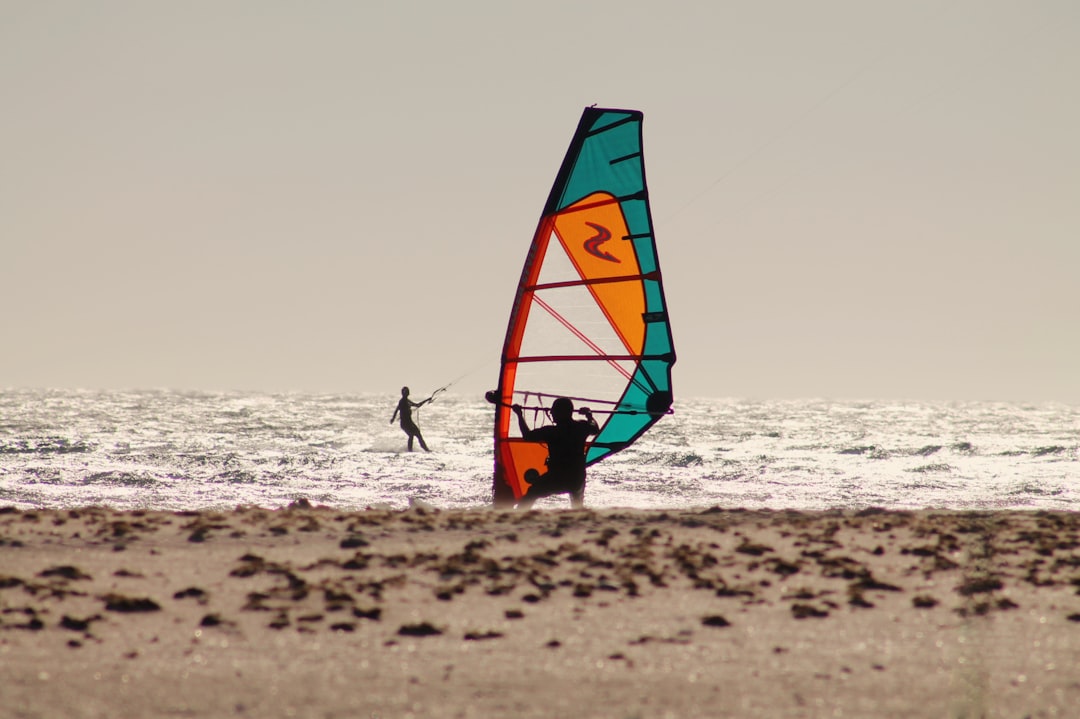
A kitesurfing course in Tarifa typically runs from around €20 to €35 per hour in a group setting, with most beginner packages bundling several hours across 2–4 days. Private or semi-private lessons (one instructor, one or two students) cost more per hour but move faster since you get more direct feedback.
Group courses usually cluster four students around one instructor and two kites, which keeps costs down but means more time watching and waiting. Semi-private lessons split one instructor between two people, and full private lessons are just you and the instructor — the quickest way to get through the safety and kite-control basics.
| Course Type | Group Size | Approx. Rate |
|---|---|---|
| Group course | Up to 4 students | Around €20–25/hour |
| Semi-private | 2 students | Around €30–40/hour |
| Private lesson | 1 student | Highest hourly rate |
| Supervised gear rental | Independent riders | Around €75 / 3 hours |
Prices shift with the season and always confirm current rates directly with the school before booking — Tarifa operators update pricing yearly and often bundle equipment, insurance, and a boat rescue service into the course fee. Because you’ll be on open water learning to self-rescue, it’s worth pairing a course with travel insurance that actually covers extreme sports — standard policies often exclude kitesurfing entirely.
Enjoying This?
Get more guides like this — plus flight deals — sent straight to your inbox.
Best Kitesurf Schools in Tarifa for Beginners
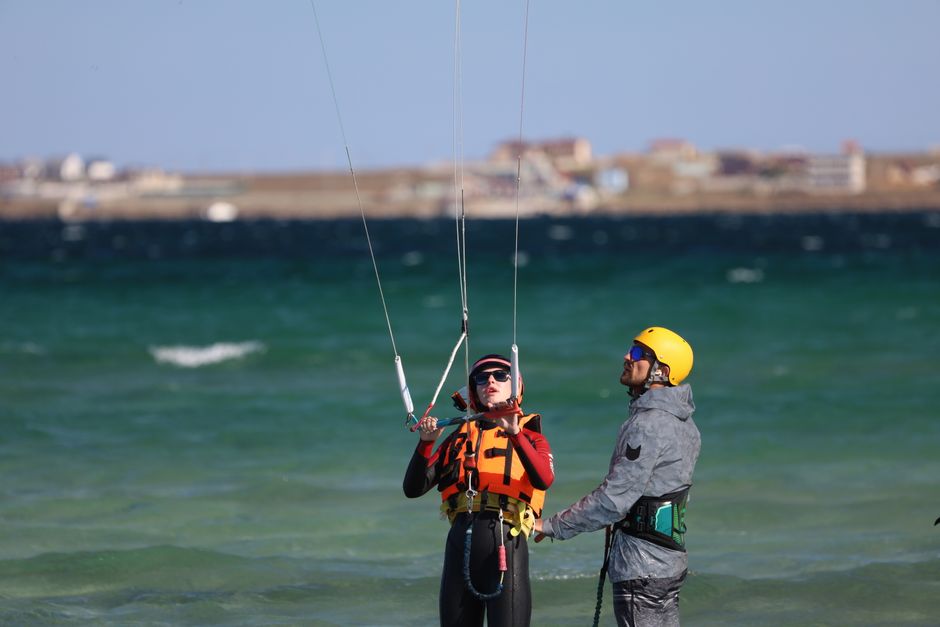
The best kitesurf schools for beginners in Tarifa are IKO-certified operations based on Los Lances beach, since IKO’s structured curriculum is built specifically around a safe, step-by-step progression. A handful of names come up again and again among riders and instructors.
- KBC Tarifa (Kiteboarding Club): Long-running school on Los Lances with structured beginner-to-advanced course tracks and its own beach base.
- Freeride Tarifa: IKO-affiliated school based near Facinas, known for smaller groups and multi-day kite camps.
- KitePassion: IKO-certified instructors and a strong reputation for patient, methodical teaching with beginners.
- KTS Tarifa: Offers both standard courses and IKO instructor training, a sign of deep technical credibility.
- Ozu School: Over two decades in Tarifa, teaching both kitesurf and wingfoil.
- Bull Tarifa: Runs an official IKO/IWO instructor training center alongside standard beginner courses.
Whichever school you pick, confirm three things before paying a deposit: that instructors are IKO or equivalent certified, that the course includes insurance and a rescue boat, and that lessons run on Los Lances (or a similarly beginner-friendly beach) rather than a spot better suited to experienced riders.
What to Expect From Your First Lesson

Your first kitesurfing lesson in Tarifa won’t involve a board at all — it starts on the beach with kite control, safety systems, and wind theory before you ever touch water. This is standard across IKO-certified schools and it’s the single biggest reason Tarifa has a reputation for producing safe, competent riders.
A typical beginner course follows this rough progression:
- Kite setup and safety systems: How to rig the kite, use the quick-release, and read wind windows.
- Beach flying: Controlling a small trainer kite on land until steering feels automatic.
- Body dragging: Getting pulled through the water without a board, which builds kite control and teaches self-rescue.
- Water relaunch: Getting the kite back in the air after it drops — a non-negotiable skill before boarding.
- Board start: Your first attempts at standing up and riding a short distance.
Most beginners need somewhere between 9 and 12 hours of instruction spread across three or four days before they can ride independently in light-to-moderate wind. Don’t expect to be carving turns on day one — the goal of a first course is safety and self-sufficiency, not style.
Getting to Tarifa: Flights, Transfers & Where to Stay
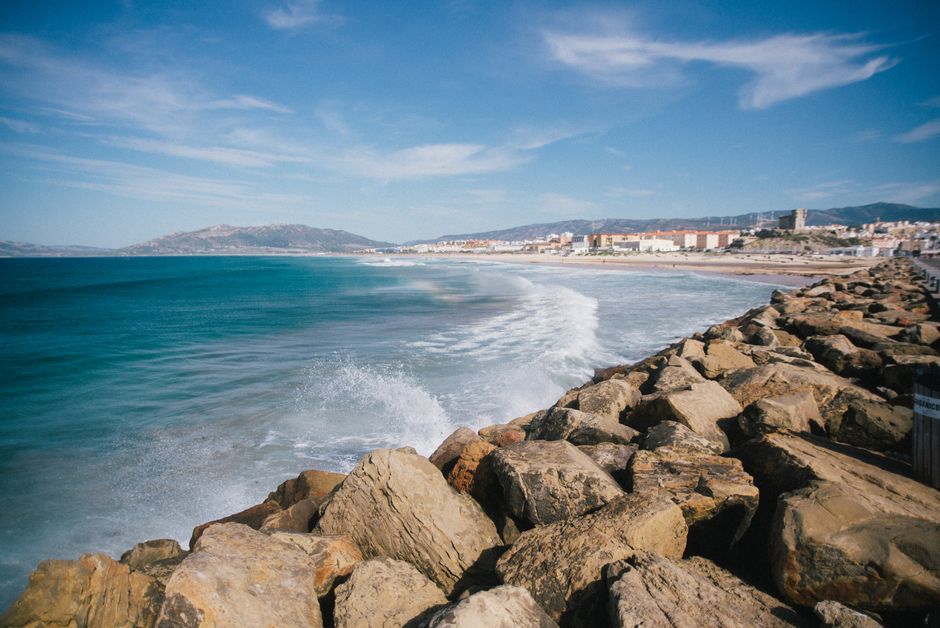
The fastest way into Tarifa is flying into Gibraltar or Jerez airport and driving roughly 45–75 minutes south, since Tarifa itself has no commercial airport. Málaga and Seville are the other common entry points, both around a two-to-three-hour drive depending on traffic.
Because flight options and layovers into southern Spain vary a lot by season, it’s worth comparing routes rather than booking the first result — a good place to start is searching flights to Málaga, Jerez, or Gibraltar and comparing total travel time against price. If your kite gear is packed as oversized luggage, double-check your airline’s sports-equipment policy before flying, since fees vary wildly.
Once you land, renting a car is the easiest way to shuttle between beaches — Los Lances, Valdevaqueros, and Punta Paloma are spread over several kilometers of coast road, and public transport between them is limited. If you’re staying near the airport before heading south, our guide to airport-adjacent stays for early flights covers a few solid options.
Tarifa’s old town has budget hostels, kite-focused guesthouses, and beachfront apartments near Los Lances — book beachfront if you can, since a five-minute walk to the water matters after a long day of lessons. If you’re building out a wider Andalusia itinerary, our Andalusia road trip itinerary pairs well with a few days of kiting in Tarifa.
Peak summer weekends get busy, both on the water and in town, so if you’re set on July or August dates it’s worth locking in your school and accommodation several weeks ahead. Shoulder-season travelers get more flexibility, shorter waitlists at popular schools, and noticeably cheaper apartment rates around the old town.
Frequently Asked Questions About Kitesurfing in Tarifa
Is Tarifa good for beginner kitesurfers?
Yes, Tarifa is considered one of the best places in the world for beginners because of its wide, flat beaches, consistent wind, and dense cluster of IKO-certified schools. Los Lances beach in particular is set up specifically for teaching, with sandy-bottomed shallows close to shore.
How many days does it take to learn kitesurfing?
Most beginners need around 9–12 hours of instruction across 3–4 days to ride independently in easy conditions. Progressing to confident, all-condition riding usually takes several more sessions beyond that initial course.
What is the difference between Levante and Poniente wind?
Levante blows from the east and tends to be stronger, gustier, and can hold for multiple days, while Poniente comes from the Atlantic in the west and is generally smoother and more beginner-friendly. Schools often prefer teaching in Poniente when it’s available.
Do I need my own kitesurfing equipment in Tarifa?
No, every school in Tarifa provides kites, boards, harnesses, and safety gear as part of course pricing. Renting gear independently once you’re certified is also common and typically cheaper than buying your own set for a short trip.
Is kitesurfing dangerous for beginners?
Kitesurfing carries real risk from strong wind and gear malfunction, which is exactly why IKO-certified schools spend so much of the first course on safety systems and self-rescue before any board work. Booking a certified school and confirming insurance coverage significantly reduces that risk.
When is the windiest month in Tarifa?
Wind is strong and frequent from June through September, with Levante gusts occasionally reaching 40+ knots, though Tarifa sees wind on the majority of days year-round. Shoulder months like April, May, and October also offer solid, less crowded conditions.
Ready to catch your first gust? Book a multi-day course with an IKO-certified Tarifa school, sort your flights early since summer fills up fast, and make sure your travel insurance actually covers the sport before you clip in. Tarifa’s wind has been turning nervous beginners into confident riders for thirty years — yours could be next.
Never Miss a Deal
Get the best travel tips, festival guides & flight deals straight to your inbox.

Gbuska is the founder and lead writer at WanderFunTrip. What began as one too many 3 a.m. festival fields and a $40 flight booked on a whim turned into a full-time habit of testing adventure trails, party cities, and adults-only resorts firsthand — then writing up what actually worked (and what didn't). Every guide here starts from a real trip or a real booking, never a press release. Usually somewhere between a departures board and the next cliff jump.