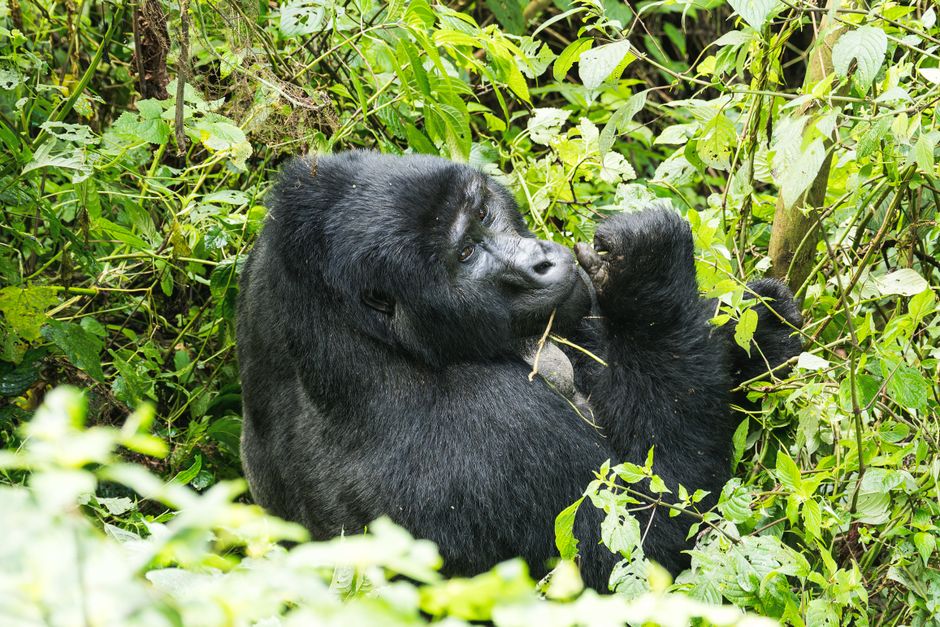
Your knees are shaking — not from the two-hour scramble through equatorial mud, but because a 180kg silverback just settled three meters away and started chewing bamboo like nothing’s happening. That’s gorilla trekking in Uganda: the closest most of us will ever get to a wild great ape doing absolutely nothing dramatic, which is exactly the point. Quick answer: a standard 2026 gorilla permit costs $800 for foreign non-residents, treks run out of Bwindi Impenetrable Forest or Mgahinga Gorilla National Park, and you’ll want to book 4-6 months ahead for peak season dates.
⚡ Heads up: This post contains affiliate links. If you book or buy through them, we may earn a small commission — at no extra cost to you. We only recommend stuff we’d actually use ourselves.
What Gorilla Trekking in Uganda Actually Involves

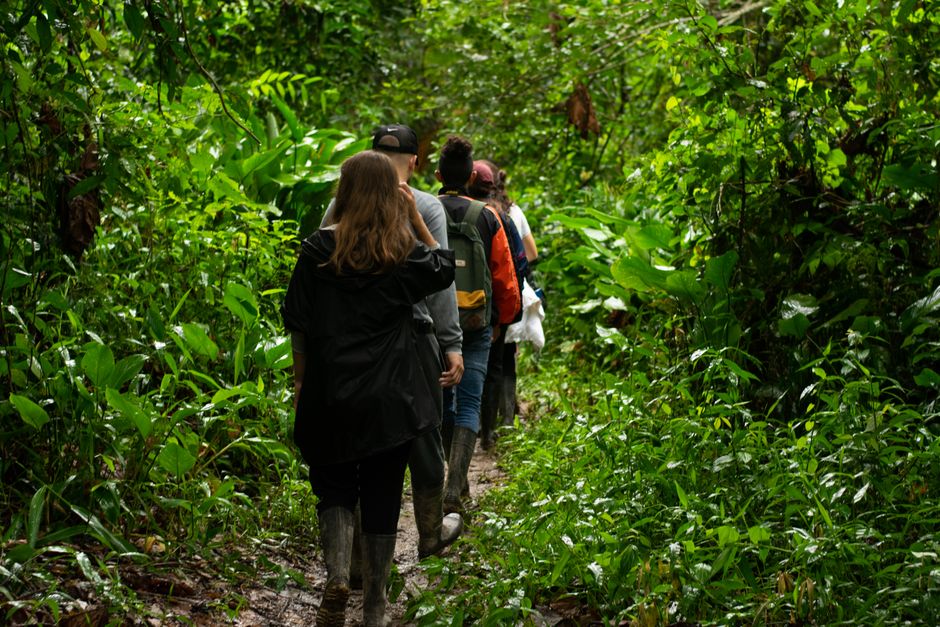
Gorilla trekking means hiking through dense rainforest, following rangers and trackers who radio ahead once a habituated family has been located that morning. The walk itself can range from 30 minutes to 8 hours round trip — nobody can promise you a number, because the gorillas move overnight and nobody knows exactly where they’ll be until trackers find fresh dung and nests at dawn.
The terrain is the real challenge. Bwindi’s name is not marketing — “impenetrable” means steep, muddy, vine-tangled slopes, often at altitudes between 1,190m and 2,600m. You’ll want a baseline fitness level similar to a full-day mountain hike, not a stroll. If you’ve trained for other strenuous adventure trips, like the routes covered in our rock climbing in Kalymnos guide, you already know the kind of leg-and-lung conditioning that helps here.
Once you find the gorillas, the reward is short and strict: exactly one hour with the family, from a mandatory 10-meter distance, no flash photography, no eating or drinking near them. Porters are available to hire at the trailhead (around $15-20 for the day) and are genuinely worth it — they carry your bag, help you over roots, and the fee goes straight to the local community.
Each gorilla family sees a maximum of eight visitors per day, a rule Uganda Wildlife Authority enforces strictly to limit stress on the animals and reduce disease risk. That cap is also why the whole experience feels intimate rather than like a wildlife-park queue — you, seven other trekkers, two rangers, and a family of gorillas that mostly ignores all of you in favor of breakfast.
Gorilla Permits in 2026: Cost and How to Book
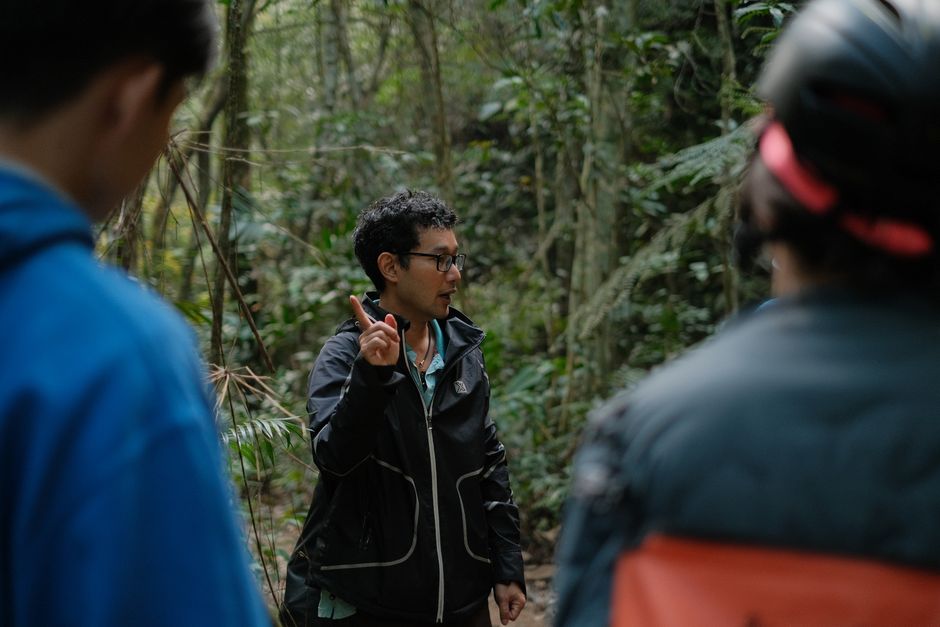
A Uganda gorilla trekking permit costs $800 per person for foreign non-residents, $700 for foreign residents, $500 for visitors from other African countries, and UGX 300,000 for East African Community citizens, according to the Uganda Wildlife Authority’s official conservation tariff, valid through June 2026. Permits are the same price whether you trek in Bwindi Impenetrable National Park or Mgahinga Gorilla National Park, and the fee covers the guide, park entrance for the day, and a community development contribution.
| Visitor Category | Standard Gorilla Permit | Gorilla Habituation Experience |
|---|---|---|
| Foreign non-resident | $800 | $1,500 |
| Foreign resident (Uganda) | $700 | $1,000 |
| Rest of Africa citizen | $500 | $1,000 |
| East African Community citizen | UGX 300,000 | UGX 750,000 |
Source: Uganda Wildlife Authority Conservation Tariff, July 2024–June 2026 (fees are subject to change without prior notice, so confirm before you pay). Foreign non-residents and Rest of Africa visitors can only book gorilla permits through a UWA-licensed tour operator, not directly at the gate — plan on paying a deposit months in advance for July-August or December-January dates, since Bwindi’s roughly dozen-plus habituated families across four sectors sell out fast in peak season.
Two fines are worth knowing before you commit real money: rescheduling late costs 25% of the permit fee, and getting caught trekking a different gorilla family than you’re assigned costs 50%. Since most travelers fly into Entebbe International Airport to connect onward to the southwest, it’s worth locking in flights to Entebbe early so your permit date and your arrival actually line up — and given how non-refundable an $800 permit effectively is if you miss your flight, pairing it with flight delay compensation cover is a cheap insurance policy against a very expensive scheduling disaster.
Bwindi vs Mgahinga: Which Park Should Beginners Choose
Bwindi Impenetrable Forest is the better choice for most first-time trekkers, mainly because it gives you options. Mgahinga is beautiful and far less crowded, but it has just one habituated gorilla family, the Nyakagezi group, out of roughly 30 gorillas total in the park — and that group sometimes wanders across the border into Rwanda or the Democratic Republic of Congo, which occasionally means no trek at all that day.
| Feature | Bwindi Impenetrable | Mgahinga Gorilla |
|---|---|---|
| Park size | 331 km² | 33.9 km² |
| Elevation range | 1,190m – 2,607m | 2,227m – 4,127m (volcanic) |
| Habituated gorilla families | At least a dozen, across 4 sectors | 1 (Nyakagezi group) |
| Best for | First-timers, flexible sector/difficulty choice | Repeat visitors, quieter trails, volcano views |
Inside Bwindi itself, sector choice matters more than park choice. Buhoma has the gentlest trails and the most established infrastructure, making it the go-to for a first trek. Rushaga and Nkuringo sit on steeper terrain and tend to suit trekkers who want a harder day or a shot at the gorilla habituation experience, which lets you spend up to four hours with a semi-habituated family instead of the standard one hour.
Bwindi is also home to close to half the world’s remaining mountain gorilla population, spread across its four sectors — one of only two countries on earth where you can trek them at all, alongside Rwanda’s Volcanoes National Park and neighboring DR Congo. Mgahinga sits inside the same Virunga volcanic range as Rwanda’s gorilla parks, so if you’re combining Uganda with a Rwanda leg, tracking Mgahinga’s Nyakagezi group can make more geographic sense even with the single-family limitation. It’s also the only park in Uganda offering golden monkey tracking as an easy add-on activity, for travelers who want a second primate encounter without extending the trip by much.
What to Pack and How to Prepare Physically
Start walking hills or stairs at least a month out — even a fit runner can be humbled by Bwindi’s mud on a 60-degree incline. If you’ve done another beginner-friendly but physically demanding trip, like the one in our scuba diving in Koh Tao guide, the same logic applies here: show up with basic cardio fitness and the day gets dramatically easier.
- Waterproof hiking boots with ankle support, broken in before the trip
- Gardening gloves for grabbing stinging nettles and vines on the way up
- Long trousers tucked into socks (safari ants and nettles are relentless)
- A rain jacket regardless of season — it’s a rainforest, not a desert
- 2-3 liters of water, energy snacks, and a dry bag for your camera
- A walking stick (usually provided free at the trailhead)
Given the remote location, the altitude, and the genuine chance of a fall on wet terrain, this is a trip where skipping travel insurance is a bad bet — especially with an $800 non-refundable permit riding on you actually being fit to travel. We’d arrange cover through EKTA travel insurance before you fly, since it’s built for exactly this kind of higher-risk adventure itinerary, including medical evacuation from remote areas.
Enjoying This?
Get more guides like this — plus flight deals — sent straight to your inbox.
Best Time to Go: Dry Season vs Wet Season
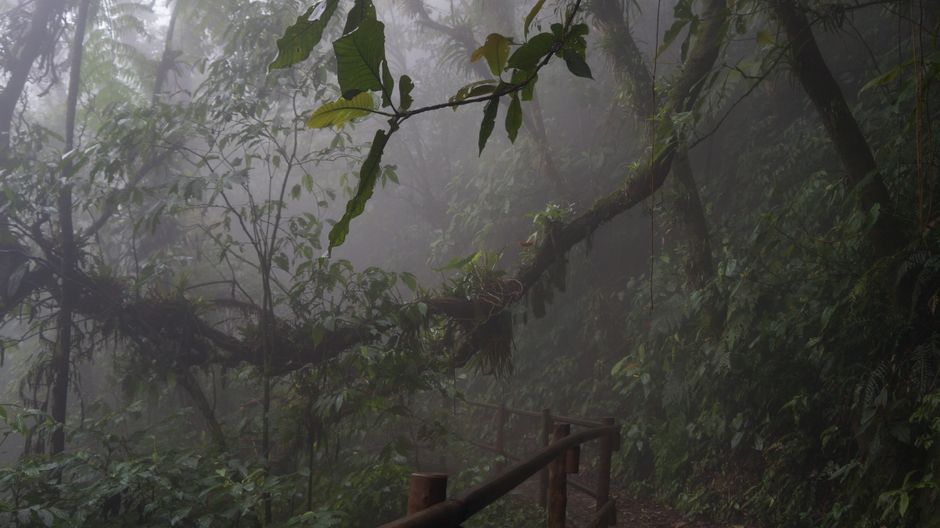
The best months for gorilla trekking in Uganda are June through August and December through February, Bwindi’s two dry stretches, when trails are firmer and the hiking is noticeably less punishing. Rainfall in the park peaks from March to April and again from September to November, according to long-term climate data for the forest — those wetter months mean muddier, slower trekking but also thinner crowds and occasionally softer lodge rates.
| Season | Months | Trekking Conditions |
|---|---|---|
| Long dry season | June – August | Firmest trails, busiest, permits sell out first |
| Short dry season | December – February | Nearly as dry, slightly fewer crowds |
| Long rains | March – May | Muddy, humid, cheaper lodge rates |
| Short rains | September – November | Wetter, greener forest, fewer trekkers |
Temperatures inside the forest stay mild year-round, roughly 7-15°C at night and 20-27°C by day, so the season swing is really about mud, not heat. If your priority is a manageable trail over a cheap flight, aim for late June or early July, right as the long dry season starts and before the August rush peaks.
Where to Stay Near Bwindi Impenetrable Forest
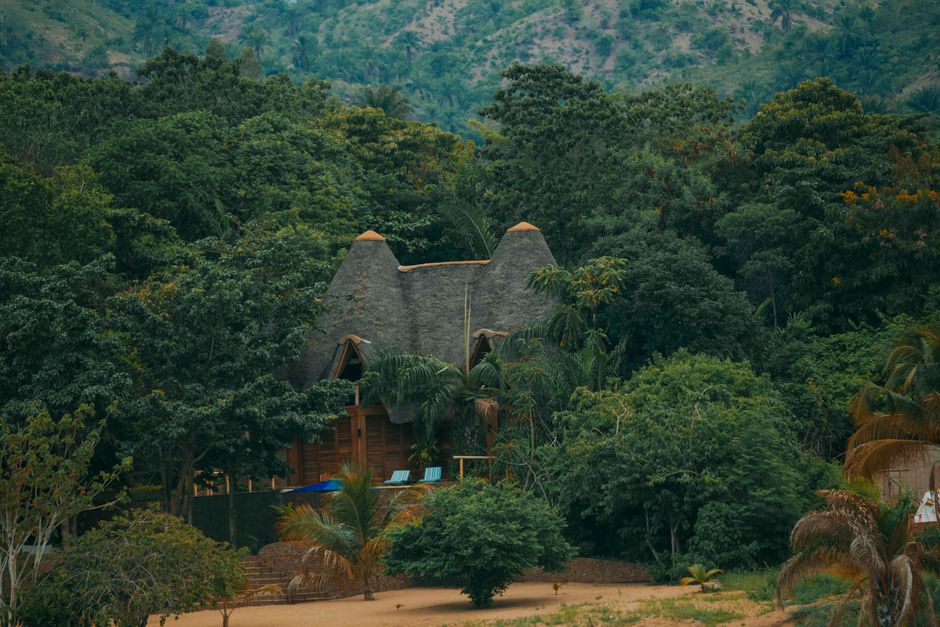
Accommodation clusters around Bwindi’s four trekking sectors — Buhoma, Ruhija, Rushaga, and Nkuringo — so where you sleep should match where your permit is assigned, since the drive between sectors can take hours on unpaved roads. Bwindi itself sits roughly 512km from Kampala by road, which typically means a full day’s drive or a short domestic flight to one of the airstrips near the park, followed by a transfer to your lodge. Expect three rough tiers of pricing, all quoted per person per night and varying by season and exact sector.
| Tier | Approx. Price/Night | What You Get |
|---|---|---|
| Budget | Around $40-90 | Simple guesthouse or community bandas, shared or basic ensuite |
| Midrange | Around $150-300 | Ensuite lodge rooms or safari tents, meals included |
| Luxury | Around $400-900+ | Forest-edge or clifftop lodges, full board, sometimes private trackers |
Book your lodge before your permit if you can, not after — the best-located properties near Buhoma and Rushaga fill up around the same permit windows everyone else is chasing, and last-minute options near the park gate are limited by design to protect the forest buffer zone.
Frequently Asked Questions
How much does a gorilla trekking permit cost in Uganda in 2026?
A standard permit costs $800 for foreign non-residents, $700 for foreign residents, and $500 for visitors from other African countries, per the Uganda Wildlife Authority’s tariff valid through June 2026. Prices can change without notice, so confirm with your operator before paying.
Is gorilla trekking in Uganda safe?
Yes, for the vast majority of visitors. Rangers accompany every group, gorillas are habituated to human presence, and strict rules like the 10-meter distance protect both you and the gorillas from disease transmission. The main real risks are terrain-related: slips, twisted ankles, and altitude fatigue.
How fit do you need to be for gorilla trekking?
You need moderate-to-good fitness for a multi-hour uphill hike on uneven, muddy ground, though there’s no formal fitness test. Porters can carry your bag and help you physically, and rangers set the pace to the group’s slowest member.
Should I choose Bwindi or Mgahinga for my first trek?
Bwindi is the better pick for first-timers because it has far more habituated gorilla families across four sectors, giving you flexibility on difficulty and dates. Mgahinga is quieter but has only one habituated family that sometimes crosses into neighboring countries.
What is the best month to go gorilla trekking in Uganda?
June through August and December through February are the driest, easiest-trekking months. Late June or early July hits the sweet spot of firm trails before the August peak-season crowds and permit sellouts.
Can I get a refund if I can’t complete the trek?
Gorilla permits are generally non-refundable once purchased. Rescheduling late costs 25% of the permit fee as a penalty, which is exactly why adventure travel insurance and flexible flight bookings matter so much for this trip.
Ready to Plan Your Gorilla Trek
Gorilla trekking in Uganda isn’t cheap and it isn’t easy, but the math is simple: one hour with a wild mountain gorilla family, in a forest that holds roughly half the world’s remaining population, for the price of a mid-range vacation. Lock in your permit dates first, then work backward from there — book your flights to Entebbe once your trekking date is confirmed, so the two never fall out of sync.
Never Miss a Deal
Get the best travel tips, festival guides & flight deals straight to your inbox.

Gbuska is the founder and lead writer at WanderFunTrip. What began as one too many 3 a.m. festival fields and a $40 flight booked on a whim turned into a full-time habit of testing adventure trails, party cities, and adults-only resorts firsthand — then writing up what actually worked (and what didn't). Every guide here starts from a real trip or a real booking, never a press release. Usually somewhere between a departures board and the next cliff jump.