⚡ Heads up: This post contains affiliate links. If you book or buy through them, we may earn a small commission — at no extra cost to you. We only recommend stuff we’d actually use ourselves.
TL;DR: Lifestyle resort etiquette reduces to three rules every property enforces the same way: ask before anything, accept “no” instantly and permanently, and never point a camera at anyone. Staff are off-limits and should be tipped like any other resort. Budget a planning bracket of around US$300–600 per night for two people all-inclusive, plus roughly US$150–350 per couple per week in transfers, taxes, tips and upcharges — and expect most of the week to feel surprisingly ordinary: breakfast buffets, pool volleyball, sunburn.
Almost everyone who books a lifestyle resort for the first time arrives carrying the same two fears: that they’ll be pressured into something they don’t want, or that they’ll be the only couple in the place not doing anything. Both fears are usually wrong, and the reason both are wrong is etiquette. These properties run on social rules that are stricter, more explicit and more consistently enforced than anything you’ll meet in a normal bar back home. Once you understand the rules — and roughly what the week costs — the trip stops being intimidating and starts being a holiday that simply happens to involve fewer clothes.
By the WanderFunTrip editorial team — updated September 2026. Written from first-hand traveller reporting and resort-published guest codes of conduct. Every money figure below is an indicative planning range, not a quote: nightly rates at these properties swing hard by season, room category and occupancy, and government fees change without much notice. Pull a live quote for your own dates, and check taxes on the official state or national website before you pay anyone.
What Is a Lifestyle Resort, Exactly?
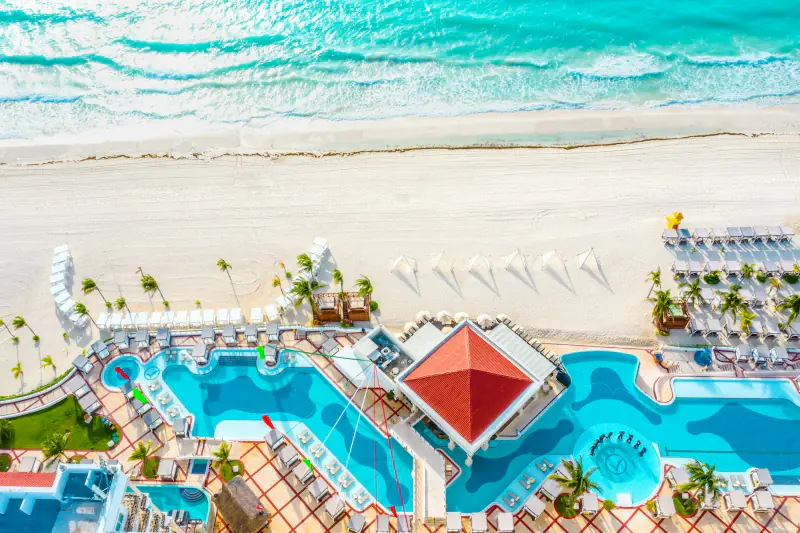
A lifestyle resort is an adults-only property where sexual openness between consenting guests is permitted on-site rather than merely tolerated. That is the entire definition, and it is narrower than most first-timers assume. It does not mean a resort-wide free-for-all, it does not mean nudity is compulsory, and it absolutely does not mean staff participate in anything. What it means in practice is that the property has dropped rules a mainstream hotel enforces: public displays of affection aren’t policed, dress codes are looser or optional in defined zones, and there are usually dedicated spaces where couples and groups can be intimate without being asked to leave.
The category covers a wide spread, and that spread matters enormously for a first trip. At the tamer end sit topless-optional, adults-only party resorts, clustered in Cancún’s Hotel Zone, where the atmosphere is closer to a very flirty Ibiza pool party than to anything else. In the middle sit clothing-optional couples resorts, several of them along Mexico’s Riviera Maya, where nudity is normal at the pool and beach and play spaces exist on-site. At the far end sit openly lifestyle-branded properties, the longest-running of them in Negril, Jamaica, which have operated in this space for decades and are entirely upfront about what happens there.
Two structural distinctions are worth knowing before you book anything:
- Couples-only versus mixed. Several of the best-known properties accept couples only, or cap single men tightly. This changes the atmosphere completely, and it is the single biggest driver of whether a first-timer feels comfortable.
- All-inclusive versus partial. Most are all-inclusive on food and standard drinks, which is precisely why the daytime feels so mundane — you’re eating omelettes at 9am beside the same people you saw at last night’s foam party.
The ratio surprises nearly everyone. Expect something like 80% of your waking hours to look like a standard beach holiday, with the genuinely adult portion concentrated into late nights and specific venues you have to deliberately walk into.
What Does Lifestyle Resort Etiquette Actually Mean?
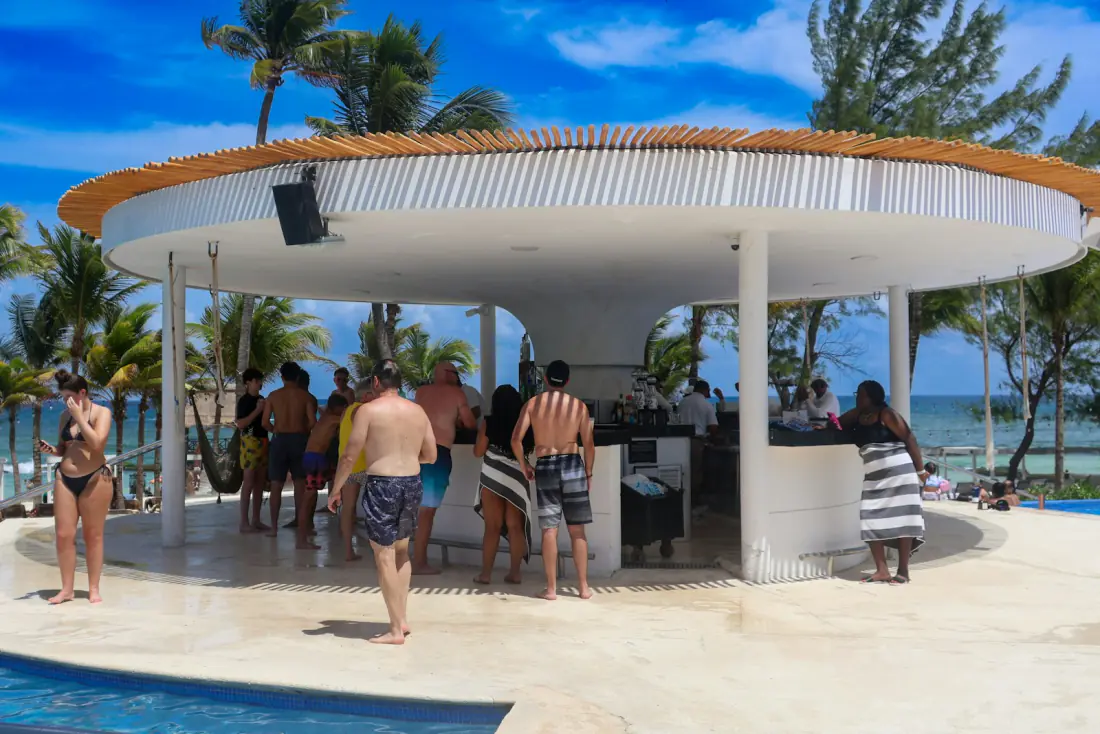
Lifestyle resort etiquette is a consent protocol, not a dress code — and guests enforce it socially long before staff get involved. The culture exists because these properties only function if everybody trusts that “no” is free and costs nothing socially. Break that trust and you’re not committing a faux pas; you’re the exact problem the whole community is built to eject.
The rules are remarkably consistent from property to property:
- Ask first — out loud. A verbal question is the standard, and it is not awkward. “Mind if we join you?” is a completely normal sentence here. Touching anyone before asking — including a hand on a shoulder or a waist — is the most common first-timer error by a wide margin.
- “No thanks” ends it permanently. No negotiating, no asking again after two more drinks, no sulking, no cold shoulder for the rest of the week. Accepting rejection gracefully and immediately is the highest-status behaviour in the room, and people notice who does it well.
- Couples are a single unit. If you’re interested in one half of a couple, you address both of them. Peeling one partner off at the bar reads as predatory and gets talked about fast.
- No cameras. Ever. Phones out at the pool, in play spaces or anywhere people are undressed is the one rule with real consequences — most properties will remove you from the resort for it, with no refund. Assume a hard camera ban everywhere except your own room, and don’t argue the edge cases.
- Watching may be fine; commenting never is. In play spaces, observing quietly from a respectful distance is generally accepted unless the room signals otherwise. Narrating, laughing or joining uninvited is not.
- What happens there stays there. Don’t tag people, don’t name people, don’t loudly recognise anyone in the lobby or, later, in an airport queue.
- Hygiene is etiquette. Shower, carry a towel to sit on, and treat shared furniture as shared.
Staff are entirely off-limits. Bartenders, servers, entertainment crew and housekeeping are working, and every reputable property treats guest advances toward staff as a removable offence. Flirty banter is part of the job in the party venues; anything beyond that is not, and reading it as an invitation is the fastest way to a conversation with management. Tipping is separate and expected — roughly US$1–2 per drink, around US$5 a day for housekeeping, and something meaningful at the end of the week for whoever looked after you. “Tips included” in the brochure is rarely the whole story, and the service difference by day three is obvious.
Singles and couples play by different rules. Single women are generally welcome everywhere; single men face caps, higher rates or outright exclusion at couples-only properties, and where they are admitted the social bar is higher — approach groups, not individuals, and expect to be read carefully before anyone warms up. If you’re travelling as a couple, the etiquette that matters most happens before you fly: agree what’s a yes, what’s a maybe, what’s a hard no, and settle on a signal that means “I want to leave now, no discussion.” Our guide to club etiquette in Germany walks through the same ground rules in a European venue setting. Couples who sort this out on the plane have a dramatically better week than couples improvising at 1am.
What Really Happens in Your First 24 Hours?
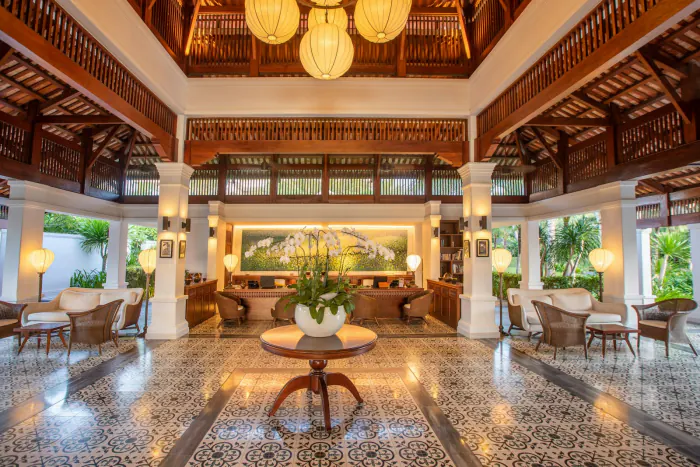
Your first 24 hours are almost entirely logistical and far less dramatic than you’re imagining. Here’s the realistic sequence.
Arrival and check-in. You’ll get a wristband, a room key and — at most lifestyle properties — a short, matter-of-fact briefing covering where nudity is permitted, where cameras are banned, and which venues are play spaces. Staff deliver this in the same tone other hotels use to explain breakfast hours. It is not a wink-wink conversation.
The first pool visit. This is the moment people genuinely dread, and it lasts about four minutes. You walk out, you register that a good share of the loungers are occupied by people in various states of undress, nobody looks up, and the anxiety evaporates. A tip that works: keep your swimwear on for the first day. There is zero social penalty, and it buys you time to read the room.
Dinner. Usually the most conventional part of the whole trip. Many properties enforce a real dress code in the à la carte restaurants — clothes required, sometimes smart-casual, occasionally long trousers for men. Pack accordingly, because “I only brought shorts” is a genuine and slightly embarrassing problem. Our guide to what to expect at clothing-optional resorts covers how far the dress code relaxes — and where it does not.
Late night. The schedule runs later than you expect. The pool party winds down, the club fills around midnight, and the explicitly adult venues generally don’t get busy until well after that. If you’re jet-lagged off a transatlantic flight, your first night will probably end before anything interesting starts — which is fine, and a solid argument for booking at least five nights rather than a long weekend.
What you won’t experience: being propositioned at the check-in desk, pressure from staff, or any expectation that you participate in anything at all. Plenty of guests spend the entire week drinking, sunbathing, flirting and going to bed alone together. That is a completely normal way to use these resorts.
How Do Dress Codes and Play Spaces Work?
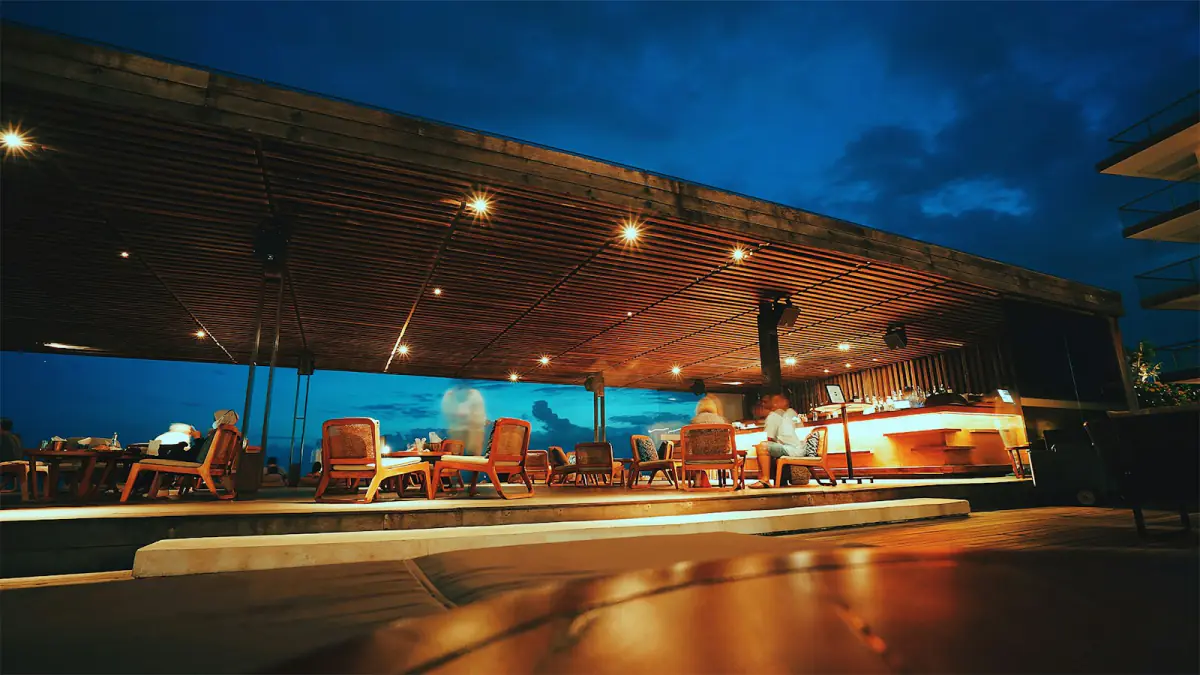
Dress codes at lifestyle resorts are zoned rather than global — the same property will run a clothing-optional beach, a topless-optional main pool and a restaurant that turns you away in swimwear. Nothing about this is left to guesswork: the zones are printed in the room folder, posted at entrances and covered in the check-in briefing.
The typical zoning looks like this:
- Main pool and party areas: topless-optional almost everywhere, fully clothing-optional at the more explicit properties. Swimwear is always an acceptable choice.
- Quiet or “nude side” pool and beach: where full nudity is normal. Some properties separate a “nude side” from a “prude side” physically, which is genuinely useful on a first trip.
- Restaurants and lobbies: clothes required, cover-ups minimum, and a real evening dress code at the reservation restaurants.
- Play spaces: designated rooms or areas, usually opening late, often with their own posted rules at the door.
Play-space etiquette deserves its own note because it is where uncertainty peaks. Doors and curtains carry meaning — open generally signals “watching is welcome”, closed means leave it alone. You may enter, look and leave without doing anything, and nobody will comment. What you may not do is touch, talk to participants, hover directly over anyone, or bring a phone through the door. Theme nights add another layer: many properties run a nightly dress theme, and it is far more social than sexual — it’s a conversation-starter that gives people something to talk about at the bar. Bring one theme outfit and you’ll fit in immediately; bring none and you’ll be slightly, harmlessly conspicuous.
The single most useful reframe for a first trip: you are allowed to be a spectator all week. The etiquette is designed to make participation entirely optional, and the people around you have almost certainly had their own first-timer week where they did exactly the same.
What Does a Lifestyle Resort Week Actually Cost?
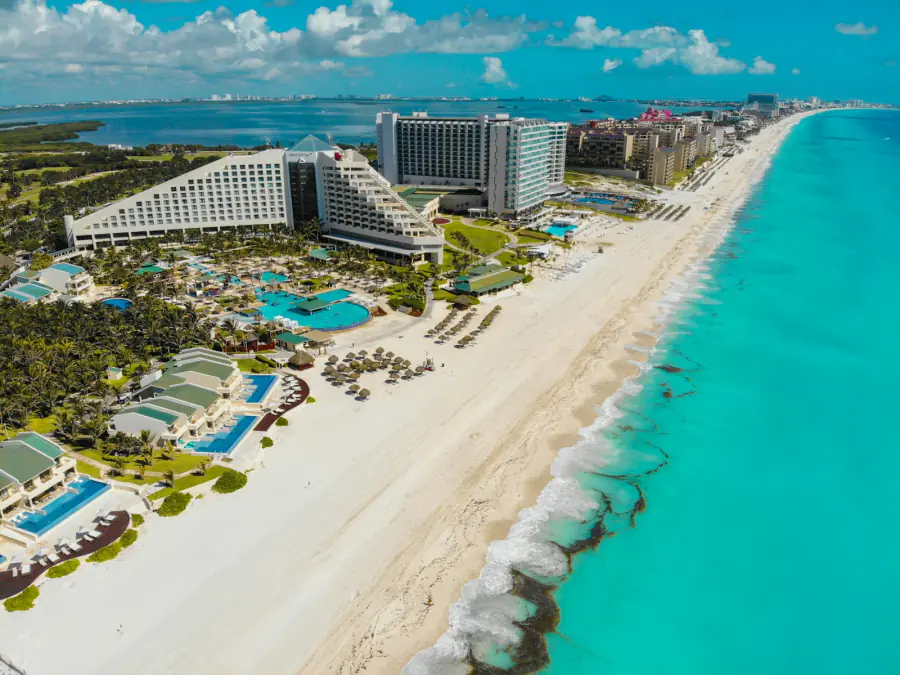
Plan on a bracket of around US$300–600 per night for two people, all-inclusive, at the three best-known properties — which puts seven nights somewhere around US$2,100–4,200 for room, food and standard drinks, before flights and extras. The spread inside that bracket is driven almost entirely by season: Christmas, New Year and the roughly February-to-April high season sit at the top, while September and October — hurricane season in both Mexico and Jamaica — sit at the bottom, sometimes dramatically so. Flights follow the same curve, so if your dates are flexible it is worth comparing fares across a whole month before you lock the resort dates — shifting a trip by two weeks often moves both the airfare and the nightly rate at once.
| Resort type | Location | Indicative bracket — 2 adults, all-inclusive, per night | What that buys |
|---|---|---|---|
| Topless-optional party resort | Cancún Hotel Zone, Mexico | Around US$250–450 | Topless-optional party resort; loudest and youngest crowd of the three |
| Clothing-optional couples resort | Puerto Morelos, Riviera Maya, Mexico | Around US$400–650 | Couples-only, clothing-optional, smaller and quieter; play spaces on-site |
| Full lifestyle resort | Negril, Jamaica | Around US$300–550 | Nude and prude sides, singles accepted, longest-running of the three |
Brackets are planning estimates as of September 2026, not quotes. Confirm live rates and current government fees at source before budgeting.
The extras are where first-timers get caught out, because “all-inclusive” stops at the resort gate:
- Airport transfer. Cancún (CUN) to the Riviera Maya runs approximately 30–75 minutes depending on the property, and a private vehicle typically costs somewhere around US$70–130 each way. Shared shuttles cost less and stop repeatedly. A named driver waiting in arrivals genuinely earns its money here — the CUN arrivals hall is notorious for aggressive timeshare touts, and a pre-booked private transfer with your name on the sign lets you walk straight past all of it rather than negotiating at 11pm. For Jamaica, budget roughly 1.5–2 hours from Montego Bay to Negril.
- Mexican state visitor levy. Quintana Roo charges a one-off tourist levy (commonly called Visitax) of around MX$270–300 per visitor — very roughly US$15–20 at recent rates. Pay it on the official state site before you fly; airport kiosks and lookalike websites add a markup, and the official amount is updated periodically, so check the figure at source.
- Premium bar, cabanas and spa. Top-shelf spirits and champagne frequently sit outside the standard package. A day cabana or beach bed typically runs around US$100–250, and a couples’ massage lands in a similar bracket.
- Tipping. Around US$1–2 per drink and roughly US$5 a day for housekeeping is normal, whatever the brochure implies.
- Travel insurance. Worth its own line, because a package holiday’s built-in “insurance” is usually a cancellation waiver, not medical cover. Private clinics in Cancún and Negril bill tourists in US dollars and up front, and a routine stomach bug or a scooter scrape can produce a four-figure invoice. A standalone medical travel policy for the dates you’re away is a small fraction of what you’re spending on the room, and it’s the one extra we’d never skip on a Caribbean trip.
Realistically, add around US$150–350 per couple per week on top of the room rate for transfers, taxes, tips and an upcharge or two. Nudge that higher if you’re a champagne household or you want the cabana every day.
What Mistakes Do First-Timers Actually Make?
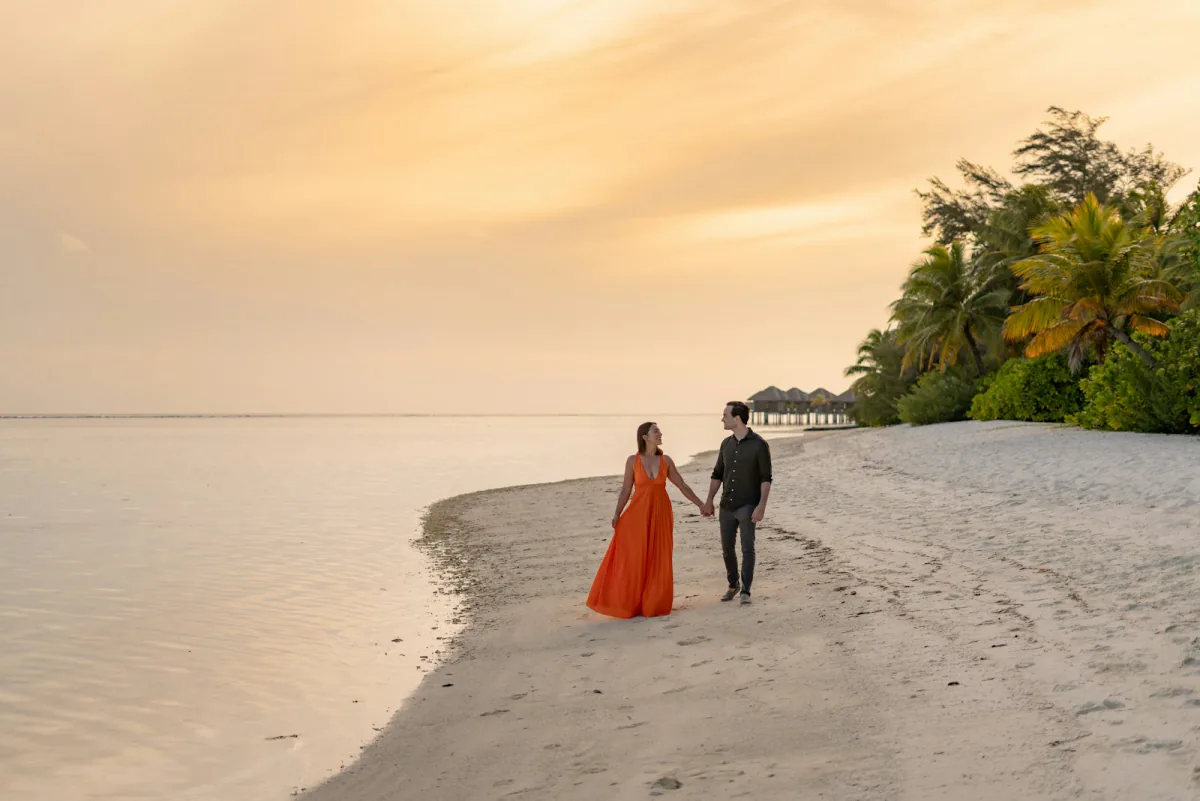
The most common first-timer mistakes are social and logistical, not sexual — and every one of them is avoidable in advance. In rough order of how often they come up:
- Bringing a phone to the pool. Even for an innocent photo of your own drink. It reads as a camera, it makes everyone nearby tense, and at most properties it can end your holiday. Leave it in the room.
- Drinking like it’s free. It is free, which is the problem. Sloppy is the least attractive quality in this environment, and heavy day-drinking is behind most of the awkward incidents that do occur.
- Booking too short. Two or three nights means you spend the whole trip acclimatising and leave just as you relax. Five to seven nights is the sweet spot.
- Skipping the pre-trip conversation. Negotiating boundaries in real time, in public, after drinks, is how couples end up having a bad week.
- Packing wrong. No evening clothes for the dress-code restaurants, no theme-night outfit, no reef-safe sunscreen, and — reliably — not enough shade tolerance on day one.
- Treating flirty staff as available. Covered above, and worth repeating because it’s the fastest route to being asked to leave.
- Assuming everyone else is doing more than you. They mostly aren’t. The visible party is a small slice of the guest list.
Frequently Asked Questions
Do you have to participate in anything at a lifestyle resort?
No — participation is entirely optional and always has been. A significant share of guests at every one of these properties use them as adults-only party hotels and nothing more. Nobody tracks what you do, and nobody asks.
Are single men allowed at lifestyle resorts?
It depends heavily on the property. Couples-only resorts exclude single men outright, while some of the larger lifestyle-branded properties accept singles, sometimes with quotas or higher rates. Check the guest policy on the resort’s own site before booking anything, because third-party listings often omit this.
Is nudity compulsory at a clothing-optional resort?
No. “Clothing-optional” means exactly that — swimwear is always an acceptable choice in optional zones. Most first-timers stay dressed for the first day or two, and it goes completely unremarked.
Can you take photos at a lifestyle resort?
Assume no, everywhere outside your own room. Camera bans are the most strictly enforced rule at these properties, and breaching one can get you removed without a refund. Some resorts run official photographers or designated photo zones — use those instead.
What should you pack for a first lifestyle resort trip?
Evening clothes for the dress-code restaurants, at least one theme-night outfit, more swimwear than you think, reef-safe sunscreen and a wrap or cover-up for moving between zones. Leave anything you’d be uncomfortable being photographed in — because you won’t be, but the instinct is a useful filter.
Is it safe to travel to a lifestyle resort as a couple?
Broadly yes: these are gated all-inclusive properties with security, strict consent enforcement and a guest culture that polices itself hard. The real risks are the ordinary travel ones — medical costs abroad, missed connections, and transfers arranged on the fly at the airport. Sort insurance and your transfer before you fly and the rest is a beach holiday.
The Bottom Line
A first lifestyle resort trip is far less intense and far more ordinary than the internet suggests, and the etiquette is the reason. Ask first, take “no” instantly and permanently, keep the camera away, treat staff as staff, tip properly — do those five things and you’ll be a well-regarded guest inside 24 hours, whatever you do or don’t get up to after midnight. Budget honestly for the extras, book at least five nights, and have the boundaries conversation before you’re anywhere near a departure gate.
When you’re ready to price it up, start with the flight rather than the room — airfare is the figure that moves most between seasons, and it sets what you can afford to spend on the resort. Check flexible-date fares to Cancún or Montego Bay, find the cheap week, then build the trip around it.

Gbuska is the founder and lead writer at WanderFunTrip. What began as one too many 3 a.m. festival fields and a $40 flight booked on a whim turned into a full-time habit of testing adventure trails, party cities, and adults-only resorts firsthand — then writing up what actually worked (and what didn't). Every guide here starts from a real trip or a real booking, never a press release. Usually somewhere between a departures board and the next cliff jump.


