⚡ Heads up: This post contains affiliate links. If you book or buy through them, we may earn a small commission — at no extra cost to you. We only recommend stuff we’d actually use ourselves.
TL;DR: Volcano boarding down Cerro Negro near León costs around US$30–40 per person as of 2026 for a half-day tour including transport, board, safety suit and the park entrance fee. You hike roughly 45 minutes up a 728 m active volcano, then sled down about 500 m of black gravel in one to three minutes. Book the day before, not months ahead.
By the WanderFunTrip team — updated September 2026.
There are exactly two things most travellers know about Nicaragua’s adventure scene: the surf in San Juan del Sur, and the fact that you can throw yourself down an active volcano on a plank of wood. The second one is real, it’s cheap, and it takes place on Cerro Negro — a black cone of loose volcanic gravel that first erupted out of a farmer’s field in 1850 and has been rearranging itself ever since. This guide covers what volcano boarding in Nicaragua actually costs in 2026, how the day runs from pickup to beer, how fast you’ll really go (spoiler: less than Instagram suggests), and what to sort out before you fly.
[IMAGE]What Is Volcano Boarding on Cerro Negro?
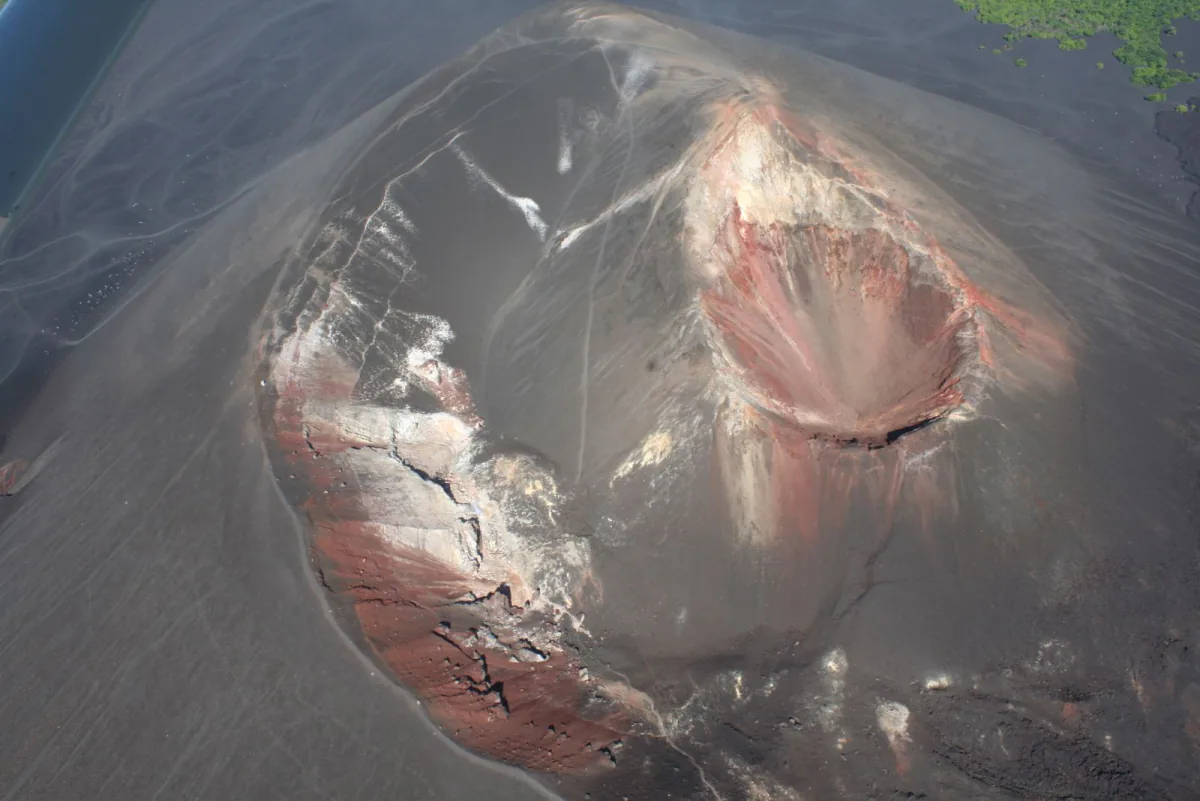
Volcano boarding is sledding down the loose ash-and-gravel slope of Cerro Negro on a reinforced wooden board, either sitting upright with a rope in your hands or standing snowboard-style. The activity was invented at Cerro Negro in around 2004 by an Australian hostel owner in León who had run out of ideas for what to do with a very steep pile of volcanic scree, and it has since become Nicaragua’s single most recognisable adventure activity.
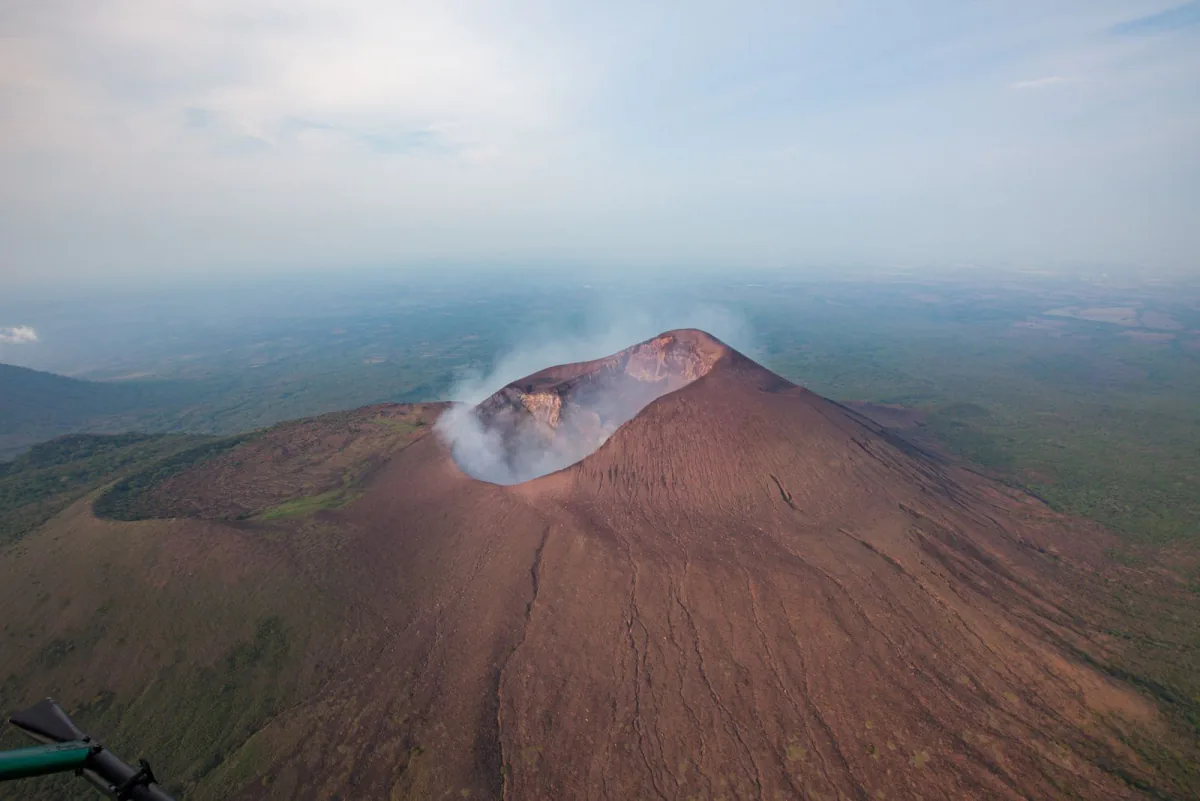
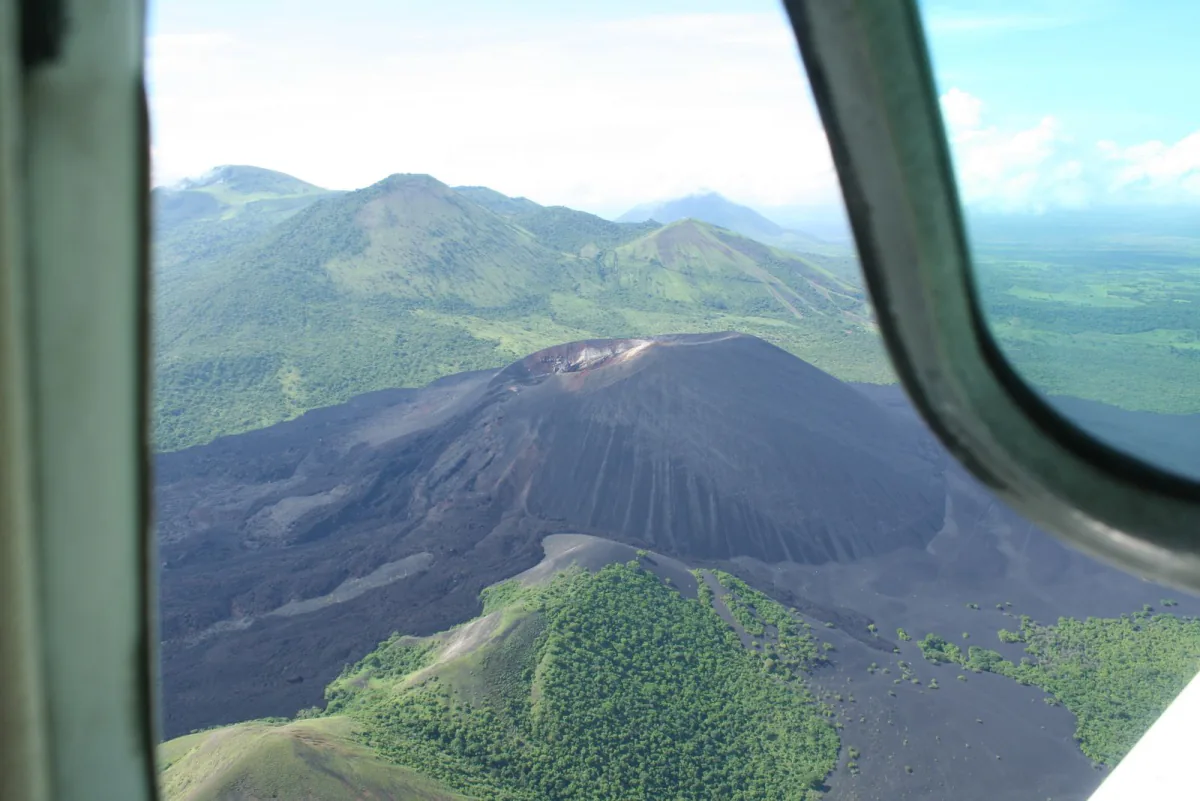
Cerro Negro itself is worth understanding, because it explains why this works here and almost nowhere else. It is the youngest volcano in Central America, born in April 1850, and it stands roughly 728 m above sea level with the boarding slope dropping around 500 m from the crater rim toward the plain. The surface is not rock — it’s loose black lapilli, small pebbles of cooled ash that behave a bit like coarse sand. That’s the whole trick: the gravel is soft enough to slow a board to survivable speeds and forgiving enough that a wipeout usually costs you a grazed elbow rather than a hospital visit.
The volcano is genuinely active. It has erupted more than 20 times since 1850, most recently in 1999, and there are still fumaroles near the crater warm enough to feel through your shoes. Tours are suspended when the national institute for territorial studies (INETER) raises the alert level, which happens occasionally and is not something operators negotiate with.
- Board type: plywood base with a metal or laminate underside, rope handle, small foot rest
- Two styles: seated (most people, faster, easier to control) or standing (harder, most beginners fall)
- Descent length: around 500 m of slope at approximately 40 degrees near the top
- Time on the board: roughly 1–3 minutes, depending on nerve and weight
How Much Does Volcano Boarding Nicaragua Cost in 2026?
Expect to pay around US$30–40 per person for a standard half-day volcano boarding tour from León as of 2026, with budget hostel-run trips sitting near the bottom of that range and small-group or private tours running higher. That price almost always bundles the round-trip transport, the board, a protective jumpsuit and goggles, a guide, and usually the park entrance fee — but confirm the last one, because a few of the cheapest operators quote the tour without it.
Here’s a realistic breakdown of what a day on Cerro Negro costs, based on typical León operator pricing. Treat the figures as approximate ranges, not quotes — Nicaraguan tour prices move with fuel and season.
| Item | Approx. cost (2026) | Notes |
|---|---|---|
| Group tour from León | ~US$30–40 pp | Transport, board, suit, guide |
| Park entrance fee | ~US$5 pp | Often already included — ask |
| Guide tip | ~US$3–5 pp | Customary, not compulsory |
| Travel insurance (adventure cover) | from ~€1.50/day | Must include extreme sports |
| Hostel bed in León | ~US$10–18/night | Private rooms roughly double |
| Managua → León transfer | ~US$3 (chicken bus) to ~US$60+ (private) | Shuttles sit in between |
All in, a backpacker doing this as a day trip out of a León hostel typically spends somewhere around US$40–50 on the volcano day itself. Compared with almost any other adrenaline activity in Central America — canyoning, tandem skydiving, dive courses — that is absurdly good value, and it is the main reason León stays busy even when the rest of Nicaragua’s tourism numbers wobble.
[IMAGE]How Do You Get to Cerro Negro from León?
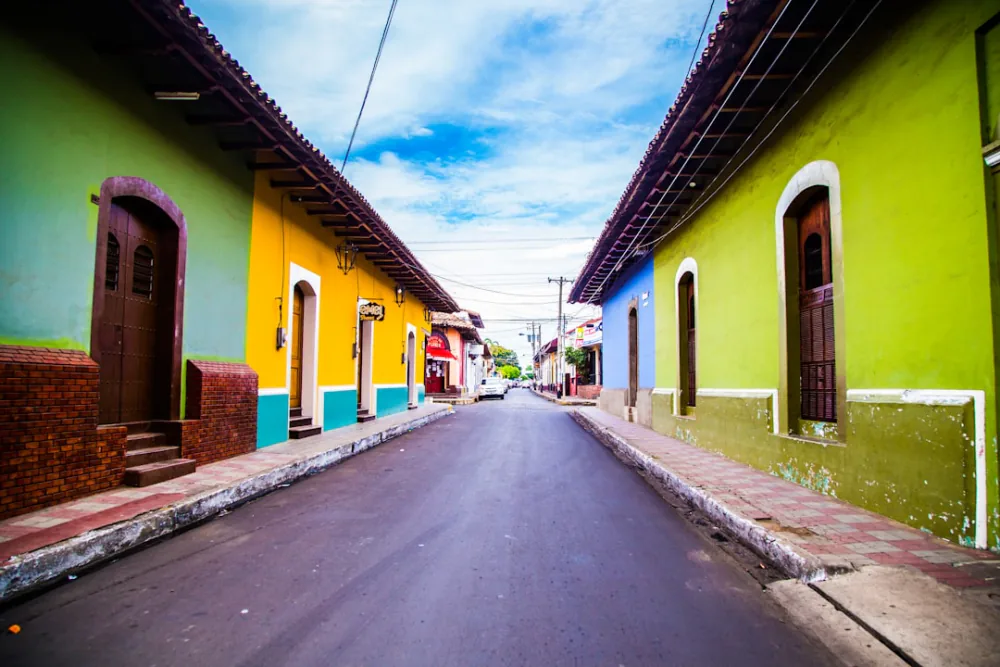
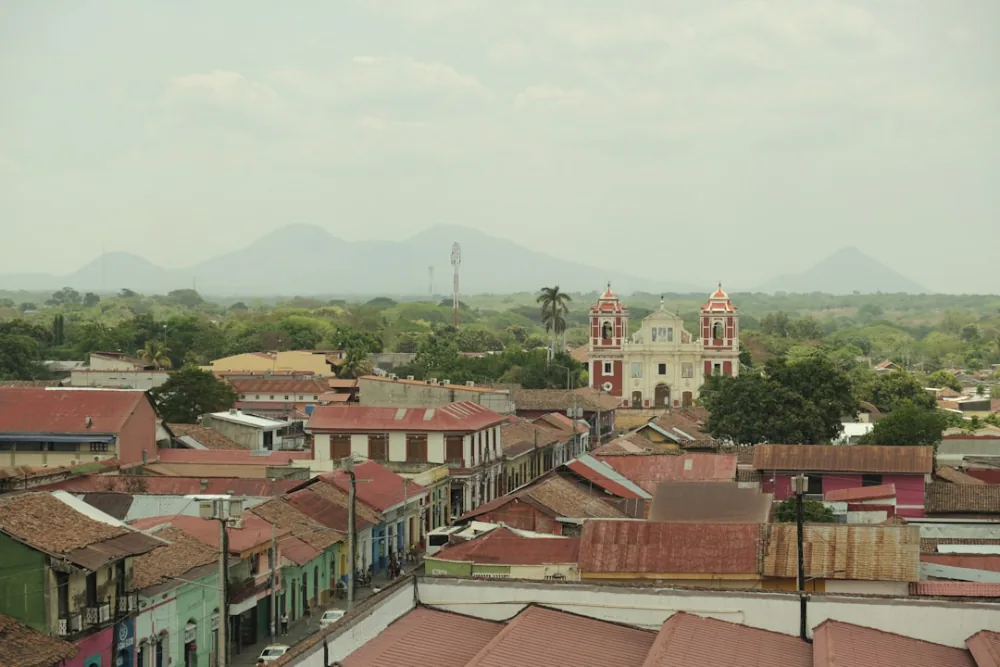
Almost everyone reaches Cerro Negro on a tour truck from León, roughly 25 km away, which takes about 45 minutes to an hour on a mix of paved highway and a rough dirt access track. Independent access is technically possible with a 4×4, but the final stretch is soft volcanic gravel, rental cars are frequently not insured for it, and you still need to rent a board — so the tour is the sensible option even for confident drivers.
Getting to León in the first place is the bigger logistics question. Managua’s Augusto C. Sandino International Airport (MGA) is the main gateway, roughly 90 km southeast of León, or about 1.5–2 hours by road. Flights into Managua usually route through Panama City, San Salvador, Miami or Houston, and fares swing hard by season — it’s worth running a flexible-date search to compare flights into Managua across airlines and dates before you lock anything in, because a two-day shift can move the price meaningfully on this route.
From MGA, your options in rough order of cost:
- Pre-booked shuttle — around US$25–35 per person, door to door, most popular with first-timers
- Private taxi — roughly US$60–90 for the car, negotiate before getting in, split it and it’s competitive
- Public bus via Managua’s UCA terminal — a few dollars, around 2.5 hours, requires a taxi to the terminal first
If you land after dark, take the shuttle or a private car. Nicaraguan highways are fine by day and considerably less fun at night, and arriving in León at 22:00 with a backpack is not the moment to be figuring out microbus connections. Many travellers fold this into a wider Latin America overland route — if the slide-down-a-slope thing turns out to be your kind of day, our Huacachina sandboarding guide covers the same idea on Peru’s desert dunes, with the same walk-in booking logic.
[IMAGE]What Actually Happens on the Tour, Hour by Hour?
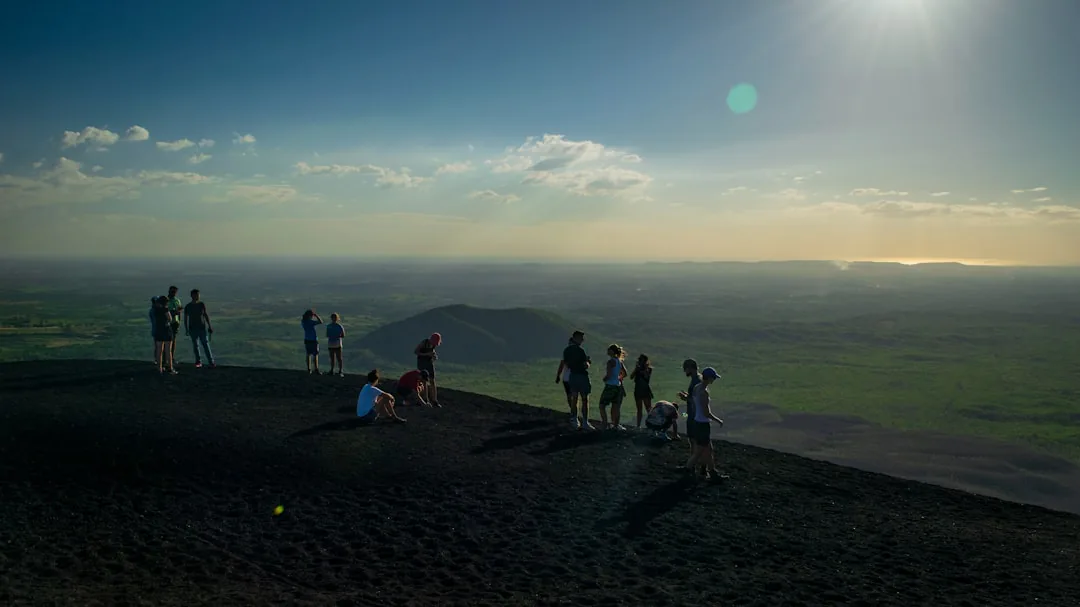
A standard Cerro Negro tour runs about four to five hours door to door, of which roughly 45 minutes is hiking, 20 minutes is gearing up at the crater rim, and somewhere between one and three minutes is the actual boarding. That ratio surprises people. This is a hike with a very short, very loud payoff at the end.
Here’s the realistic shape of the morning:
- Pickup, around 08:00 or 13:00. Most León operators run two departures. Morning is cooler; afternoon has better light for photos.
- Drive and registration, ~1 hour. You’ll stop at the park gate, sign a waiver, and get assigned a board.
- The hike, ~45–60 minutes. You carry your own board — around 4–5 kg, awkward rather than heavy — up a ridge of loose gravel and volcanic rubble. Wind at the top is genuinely strong and throws grit sideways.
- Crater walk and briefing. Most guides take you along the rim first. You can smell sulphur and feel warmth from the fumaroles.
- Suit up. Orange jumpsuit, gloves, goggles, sometimes a bandana. Wear all of it; the gravel is abrasive.
- The descent, 1–3 minutes. Lean back and lift your heels to accelerate, dig your heels in to brake. That’s the entire technique.
- Beer and speed reveal. Many operators clock riders with a radar gun and hand out a drink at the bottom.
On speed: most riders top out somewhere around 30–50 km/h, and the widely repeated record on this slope sits near 90–95 km/h, set by riders who were deliberately trying to break something. If you sit upright, keep the rope taut and don’t lift your heels, you’ll cruise gently and still have a fantastic time. If you flatten out and commit, you’ll go considerably faster and eat some gravel. Both are valid choices; there is no prize for the first one.
[IMAGE]Enjoying This?
Get more guides like this — plus flight deals — sent straight to your inbox.
Is Volcano Boarding Dangerous? Safety and Insurance
Volcano boarding carries real but modest risk: the common injuries are gravel burns, cuts to hands and forearms, and the occasional sprained wrist or ankle from a bad tumble, not catastrophic trauma. The slope is loose material rather than rock, speeds are controllable, and the run-out at the bottom is flat and long. That said, “modest risk” is not “no risk,” and this is exactly the category of activity that standard travel insurance policies quietly exclude.
Check your policy wording before you go. Many mainstream policies list “extreme sports,” “sledding,” or “activities on active volcanoes” as excluded, which means a broken wrist becomes a private-hospital bill in Managua and, potentially, a paid medical evacuation. If yours doesn’t cover it, a dedicated adventure policy is cheap relative to the downside — it’s worth checking a travel insurance plan that explicitly covers extreme sports and volcano activities rather than assuming your card’s included cover applies. Read the activity schedule, not the marketing page.
Practical safety notes from people who’ve done it:
- Keep your mouth shut on the way down. Literally. Grit at 40 km/h is unpleasant.
- Goggles on, always. A stone in the eye at speed is the one genuinely nasty outcome.
- Wear closed shoes you don’t love. You brake with your heels; the volcano eats soles.
- Don’t stand up unless you’re told you can. Standing runs cause most of the injuries.
- Skip it if you’re hungover. Sun, exposed ridge, no shade, and a 45-minute climb with a board.
- Check the alert status. If the volcano is closed, no operator can get you up there, and anyone promising otherwise is a red flag.
When Should You Go, and What Should You Pack?
The dry season from roughly December to April is the most reliable window for volcano boarding, with clear skies, firm slope conditions and near-guaranteed departures. The green season (May to November) brings afternoon downpours that can cancel tours or make the gravel slower and heavier, though mornings often stay clear and the landscape around León is dramatically greener. September and October are the wettest months statistically and the most likely to hand you a cancelled afternoon slot.
Whatever the month, the top of Cerro Negro is hot, exposed and windy at the same time — there is no shade anywhere on the climb. Pack accordingly:
- 1.5 L of water minimum — more if you’re doing the afternoon departure
- Closed shoes you’re willing to sacrifice; trainers are fine, sandals are not
- Sunscreen and a buff or bandana for the wind-blown ash
- Sunglasses for the hike (goggles are provided for the descent)
- A cheap or well-secured camera. Fine ash gets into everything; a phone in a zip bag survives better than a DSLR
- Small cash for the park fee, tips and drinks — cards are not useful at the volcano
One scheduling tip: book your tour the day before, in person, at a León hostel or agency. Cerro Negro is one of those rare bucket-list activities where advance online booking gains you nothing and usually costs more. Walk-in availability is normal, prices are lower, and you keep the flexibility to move your slot if the weather turns. If you’re building a wider adrenaline itinerary, our guide to Costa Rica’s zipline canopy tours is the obvious next stop south — same region, same walk-in-friendly pricing, very different kind of drop.
[IMAGE]Volcano Boarding Nicaragua FAQ
How fast do you actually go volcano boarding?
Most riders reach around 30–50 km/h sitting upright, which feels considerably faster than the number suggests when your face is 20 cm off the gravel. Experienced riders pushing hard have been clocked near 90–95 km/h, but that requires deliberately flattening out and accepting a serious crash risk. Your speed is mainly a function of body weight, how flat you lie, and whether you keep your heels off the ground.
Do you need to be fit to go volcano boarding?
You need moderate fitness for the hike, not for the boarding. The climb is roughly 45 minutes up a loose, exposed ridge while carrying a 4–5 kg board, which is manageable for most reasonably active people but genuinely unpleasant in midday heat. There’s no skill requirement for the descent itself — guides teach the entire technique in about two minutes.
What is the minimum age for volcano boarding at Cerro Negro?
Most León operators set a minimum age of around 12 to 14 years, with under-18s requiring a parent or guardian to sign the waiver. Policies vary by company, so confirm directly when you book if you’re travelling with teenagers. There’s typically no upper age limit, but the hike is the deciding factor rather than the ride.
Can you volcano board in the rainy season?
Yes, but with a higher chance of cancellation. Tours run year-round and morning departures usually go ahead even in the green season, since the heavy rain typically arrives mid-afternoon. Wet gravel is slower and heavier, so your descent times drop; if the volcano is being struck by storms, operators cancel and rebook you for the next day.
How long does the whole tour take?
Budget four to five hours door to door from León. That breaks down as roughly one hour driving each way, 45–60 minutes hiking up, 20–30 minutes at the crater rim gearing up and taking photos, and one to three minutes on the board. Most people are back in León in time for a very late lunch.
Is Cerro Negro safe given that it’s still an active volcano?
Cerro Negro is monitored continuously by Nicaragua’s INETER, and the park closes when activity increases. Its last eruption was in 1999, and eruptions here are preceded by measurable seismic signals rather than arriving without warning. The realistic risks on a tour day are gravel abrasions and sprains, not volcanic activity.
[IMAGE]Should You Actually Do It?
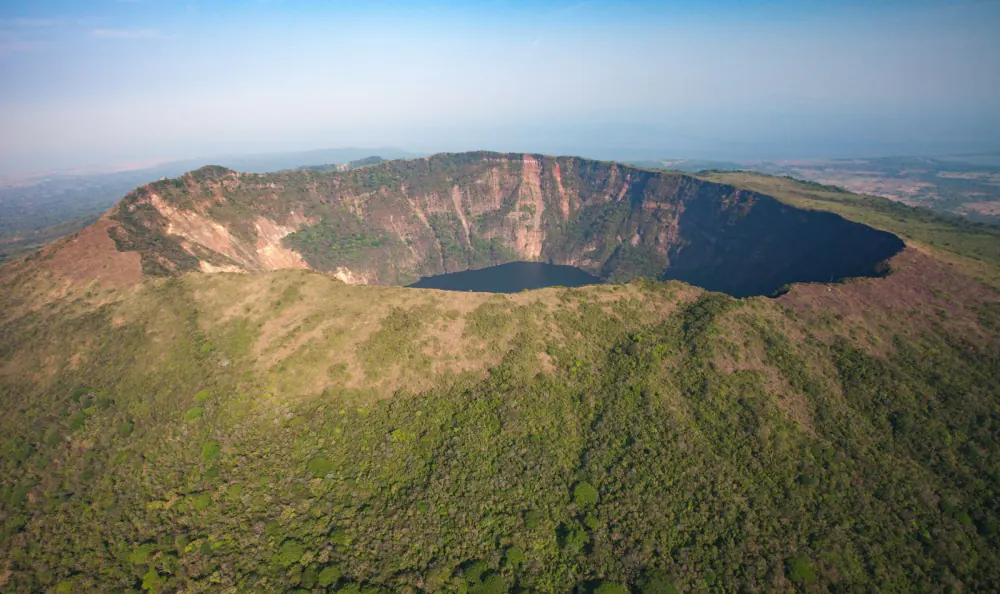
Yes — with the honest caveat that this is a 45-minute hike for a 90-second thrill, and anyone expecting a full day of adrenaline will be underwhelmed. What makes Cerro Negro worth the trip isn’t the speed. It’s standing on the rim of a volcano younger than most European train stations, smelling sulphur, looking across a chain of cones stretching toward the Pacific, and then sliding down the side of it on a plank for the price of a decent dinner back home.
At around US$30–40 all in, it’s one of the highest-fun-per-dollar activities anywhere in Central America, and León — a genuinely great colonial city with cheap food, huge murals and a rooftop cathedral you can walk on — is worth two or three days regardless of whether you board.
Your next step: lock in the dates first, because the flight is the only expensive part of this trip. Run a flexible-date search to find the cheapest flights to Managua, check that your policy actually covers volcano activities, and book the tour itself when you’re standing in León with a weather forecast in front of you. Then buy the goggles-and-jumpsuit photo. You’ll want it.
Never Miss a Deal
Get the best travel tips, festival guides & flight deals straight to your inbox.

Gbuska is the founder and lead writer at WanderFunTrip. What began as one too many 3 a.m. festival fields and a $40 flight booked on a whim turned into a full-time habit of testing adventure trails, party cities, and adults-only resorts firsthand — then writing up what actually worked (and what didn't). Every guide here starts from a real trip or a real booking, never a press release. Usually somewhere between a departures board and the next cliff jump.