You tap your card for a €40 dinner in Lisbon, and three days later your statement shows €41.20 — a “foreign transaction fee” you never agreed to, stacked on top of whatever exchange rate your bank felt like using. Multiply that across a two-week trip and you’ve quietly donated €60-€100 to your bank for doing nothing. It’s avoidable, and it doesn’t require carrying a stack of cash or learning a new currency trick for every country. Here are seven ways to keep that money in your pocket instead.
TL;DR: Roughly 90% of credit cards charge a foreign transaction fee, averaging 1.59% of every purchase abroad, according to WalletHub’s 2026 Credit Card Landscape Report. A free no-FX-fee card plus declining dynamic currency conversion eliminates most of that cost before you even land.
⚡ Heads up: This post contains affiliate links. If you book or buy through them, we may earn a small commission — at no extra cost to you. We only recommend stuff we’d actually use ourselves.
| Fee Type | Typical Cost | How to Dodge It |
|---|---|---|
| Card foreign transaction fee | 1%-3% (avg. 1.59%) | Use a no-FX-fee card |
| Dynamic currency conversion (DCC) | 3%-7% hidden markup | Always choose to pay in local currency |
| Airport currency exchange kiosk | Often 8%-12% spread | Skip it, withdraw or use a travel card instead |
| Out-of-network ATM abroad | Flat fee + 1%-3% | Withdraw larger amounts, less often |
1. Get a No-Foreign-Transaction-Fee Card Before You Book Anything
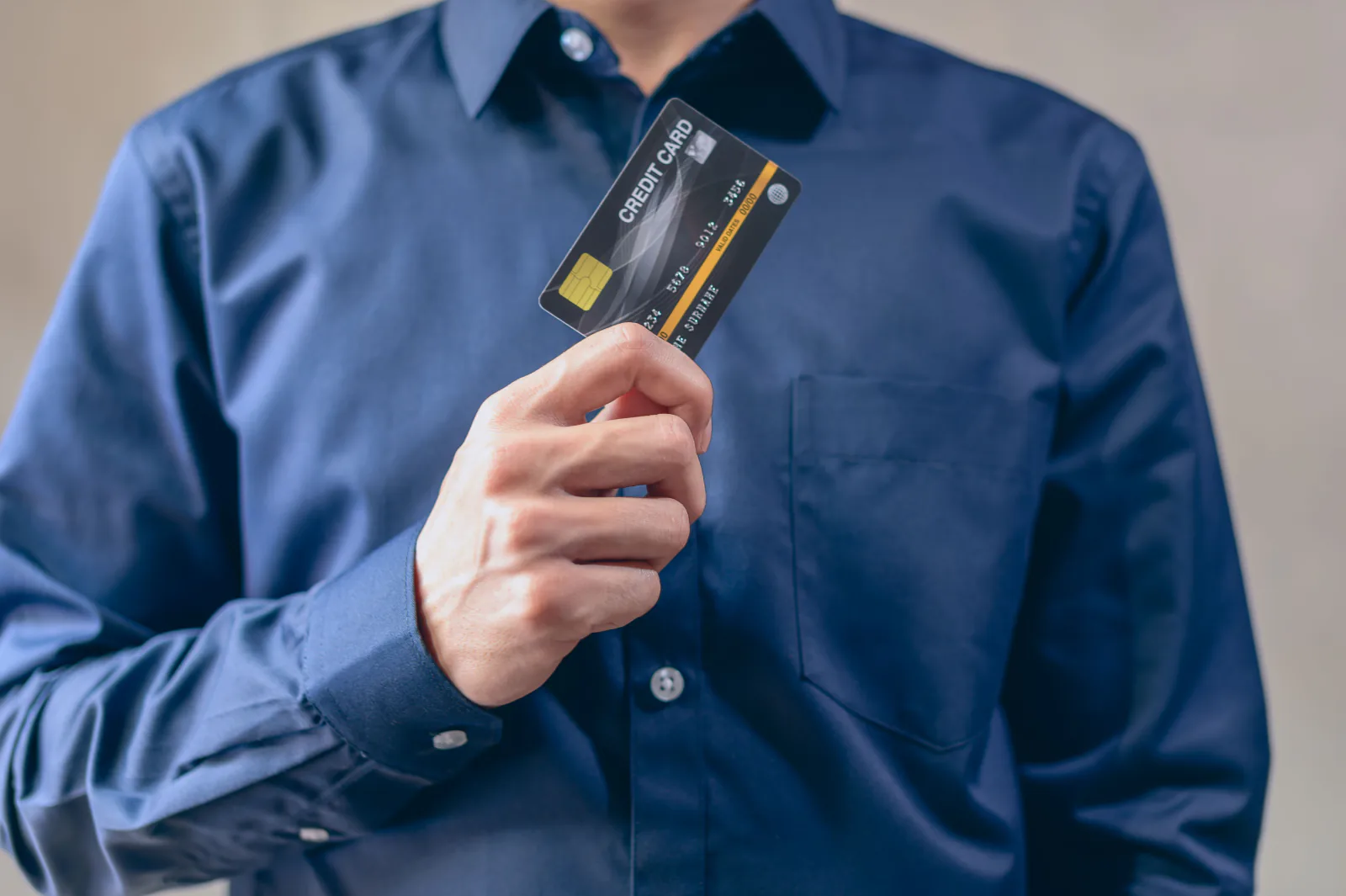
Start here, because this one step removes the fee entirely instead of just shrinking it. A foreign transaction fee is a surcharge — usually 1% to 3% of the purchase — that your card network and issuer split on every payment processed outside your home country, and it applies whether you’re paying in a restaurant or booking a hotel online from home. According to WalletHub’s 2026 Credit Card Landscape Report, the average sits at 1.59%, and issuers like Capital One, Discover, and HSBC Premier skip it altogether, while others (Chase, Bank of America, Citibank, PNC) charge up to 3% and Amex up to 2.7% depending on the card.
The good news: no-FX-fee cards aren’t a niche product anymore — most mid-tier travel rewards cards waive the fee as standard, and many also stack points or cashback on top, which is worth pairing with a beginner-friendly travel credit card points strategy so the same swipe that dodges a fee also earns you a future flight. Apply at least 3-4 weeks before departure — approval and card delivery both take time, and you don’t want to be stuck using your old fee-charging card for the first week of a trip.
2. Always Choose to Pay in the Local Currency (Decline DCC)
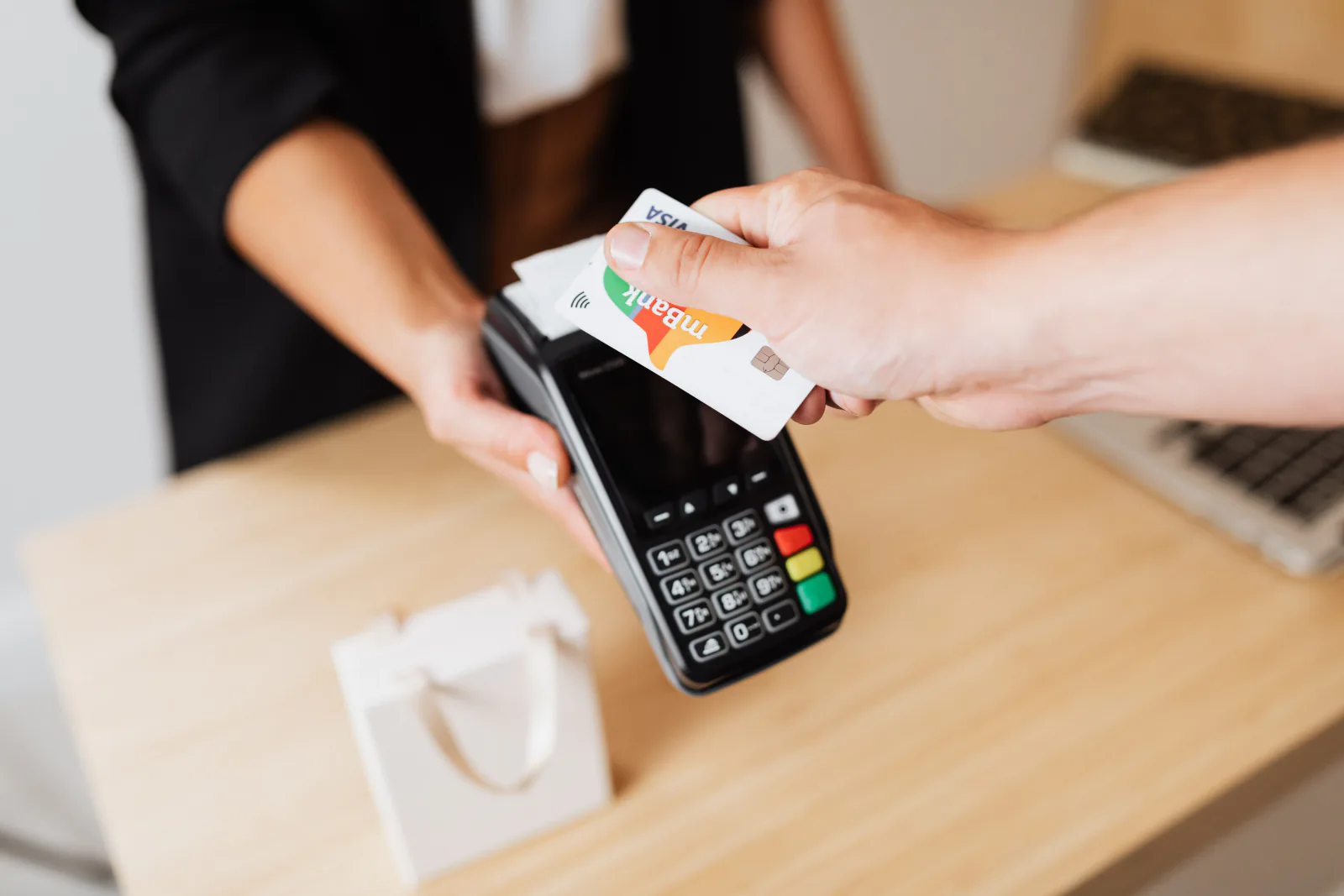
When a card terminal or ATM abroad asks “Would you like to pay in EUR or USD?” — always pick the local currency. That prompt is dynamic currency conversion (DCC), and it lets the merchant’s payment processor set its own exchange rate instead of your card network’s, typically padding the bill by 3% to 7% on top of whatever fee your card already charges. It’s legal, disclosed in fine print, and still catches a huge share of travelers because the “home currency” option is framed as the convenient, familiar choice.
The rule is simple and never changes: if you’re ever asked to choose a currency at checkout, a hotel front desk, or an ATM, choose the currency of the country you’re standing in. Your own card issuer will convert it using the Visa or Mastercard network rate, which is consistently closer to the real mid-market rate than any DCC offer you’ll be shown at the counter.
Run the numbers once and the habit sticks fast: on a €500 hotel bill, a 5% DCC markup is €25 gone for a single tap of “yes.” Decline it, pay in euros, and your own card handles the conversion at a fraction of that cost — the terminal will usually re-prompt you, so don’t panic if it asks twice.
3. Carry a Multi-Currency Travel Debit Card as a Backup
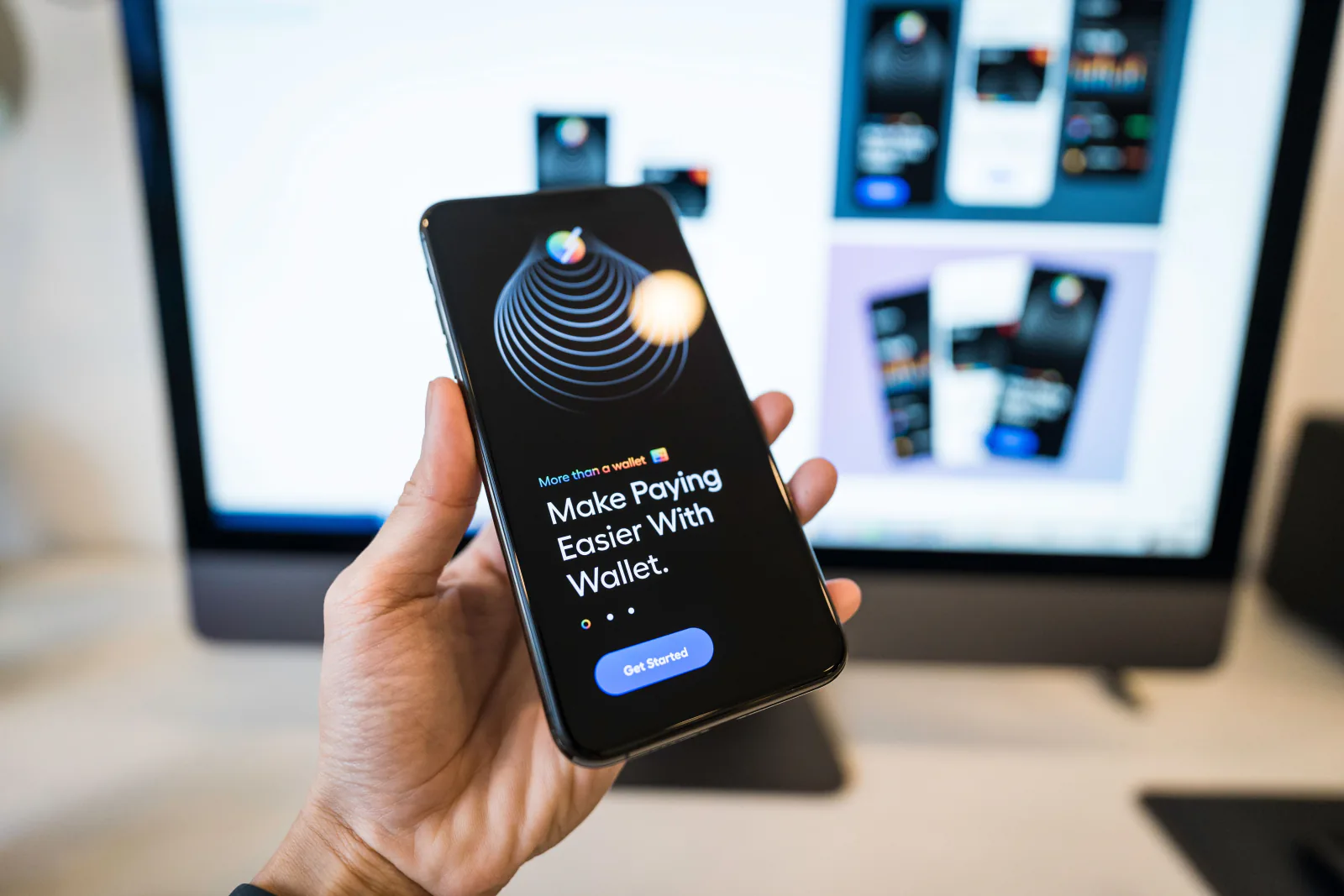
A no-FX-fee credit card handles most purchases, but you still need cash sometimes — markets, small guesthouses, tipping — and that’s where a multi-currency travel debit card earns its place in your wallet. Cards like Wise and Revolut let you hold and spend in dozens of currencies at the real mid-market rate, converting only when you actually spend, with no markup buried in the exchange rate itself.
Load the card with your trip currency a day or two before you fly, so the conversion happens once at a fair rate rather than in dozens of small transactions later. Keep it as a genuinely separate account from your main bank card, too — if one gets lost, skimmed, or frozen mid-trip, you’re not locked out of every payment method at once, which matters more than most travelers realize until it happens to them.
4. Skip Airport Currency Exchange Counters Entirely
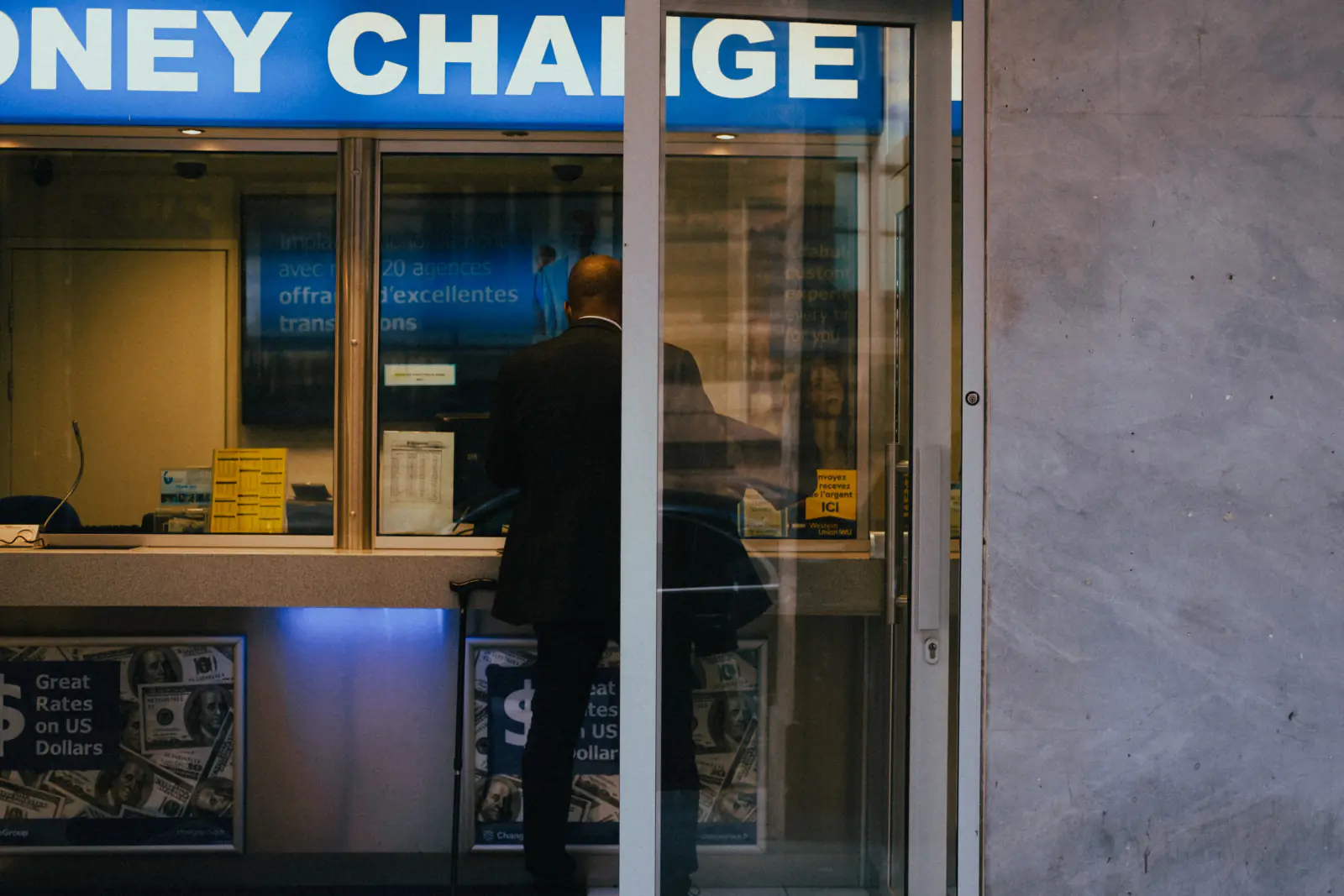
Airport exchange kiosks are the single worst place to convert money — the spread between what they buy and sell currency for routinely runs 8% to 12%, dressed up with a “0% commission” sign that only refers to a separate, additional fee. That “no commission” claim is almost always true and almost always irrelevant, because the bad rate is baked into the exchange itself before any commission is even applied.
Between a no-FX-fee card for purchases and a multi-currency debit card or ATM withdrawal for cash, there’s rarely a reason to touch an airport counter at all. If you land somewhere late and need a fixed-price ride into the city without hunting for a fair-rate ATM first, booking an airport transfer through Welcome Pickups in advance locks in the price before you arrive, so you’re not stuck exchanging cash under pressure just to pay a taxi driver.
The only exception worth making: exchanging a small amount of local cash before you fly, just enough for a coffee or a trolley if the ATM line is long on arrival. Keep it under €20-€30 — enough to bridge the first hour, not enough to matter if the rate is mediocre.
Enjoying This?
Get more guides like this — plus flight deals — sent straight to your inbox.
5. Withdraw Cash Strategically to Minimize ATM Fees

Most out-of-network ATMs abroad charge a flat fee (often €3-€5) plus a percentage, and some card issuers add their own fee on top of that — meaning three withdrawals of €50 can cost more in fees than one withdrawal of €150. Fewer, larger withdrawals almost always beat frequent small ones, as long as you’re comfortable carrying the cash safely.
Before you fly, check whether your bank has a partner ATM network in your destination country (many do, especially through the Global ATM Alliance or similar arrangements) — using a partner machine can waive the flat fee entirely. And always decline the “convert to home currency” prompt at the ATM screen too; it’s the same DCC trap from Way #2, just wearing a different interface.
6. Tell Your Bank Before You Fly (and Ask About Its Fee Structure)
A travel notification takes two minutes and prevents the single most disruptive money problem abroad: a frozen card. Most banks flag sudden foreign-country charges as potential fraud and block the card automatically, which is exactly the kind of thing that ruins a first night in a new country. Set the notification through your banking app before departure, covering your full trip dates plus a few buffer days on each end.
While you’re in the app, actually read your card’s foreign transaction fee disclosure — issuers are required to state it clearly, but most people never check until they see it on a statement. If your primary card does charge a fee and swapping it isn’t realistic before your trip, pairing it with annual multi-trip travel insurance at least covers you if that same card gets lost, cloned, or needs an emergency replacement mid-trip — a separate risk from fees, but one that compounds quickly if you’re stuck cash-only while waiting for a new card.
Keep your banking app usable the moment you land, too — a working data connection is what lets you freeze a card, check a real-time rate, or approve a fraud alert in seconds instead of hours. If your phone plan doesn’t cover your destination, sorting a local eSIM (see our Airalo vs Saily vs Holafly comparison) before departure is worth the ten minutes it takes.
7. Book Flights and Bookings With a Fee-Free Card From the Start
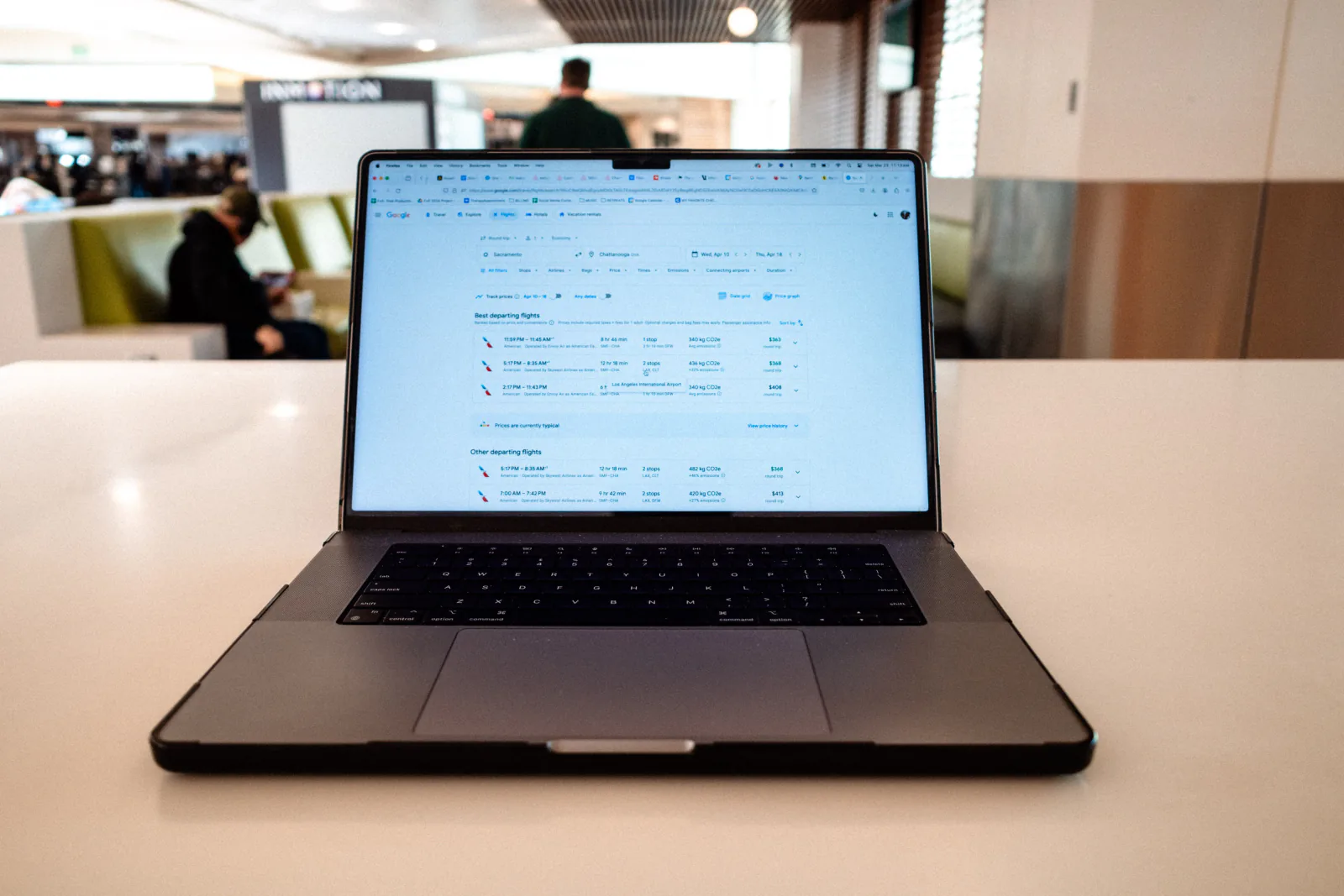
Foreign transaction fees don’t just apply in person — booking a flight, hotel, or tour from a website with pricing in a foreign currency triggers the same fee, even from your couch at home. If you’re comparing routes and dates on Aviasales to find a cheap fare, or piecing together a multi-stop backpacking route on Kiwi.com, run that booking through your no-FX-fee card by default, not the first card in your wallet.
This habit matters more than it sounds like it should, because booking costs are usually your trip’s biggest single charges. A 2%-3% fee on a €40 dinner is a couple of euros; the same fee on a €600 flight is €12-€18 gone for nothing. Build the habit once — always book travel on the fee-free card — and it protects the largest transactions of your entire trip automatically.
FAQ
What exactly is a foreign transaction fee?
It’s a surcharge — typically 1% to 3% of the purchase — that your card network and issuer add to any transaction processed outside your home country, including online purchases from foreign-currency websites.
How much do foreign transaction fees actually cost over a trip?
On a typical €2,000 two-week trip, a 2% average fee adds about €40. It sounds small per swipe but adds up fast across flights, hotels, and daily spending.
Is it better to pay by card or use cash abroad?
A no-FX-fee card is usually cheapest and safest for most purchases. Keep some cash from a low-fee ATM withdrawal or multi-currency card for markets, tips, and small vendors that don’t take cards.
Do debit cards charge foreign transaction fees too?
Yes — many standard bank debit cards charge the same 1%-3% fee as credit cards, plus separate ATM withdrawal fees. Multi-currency travel debit cards like Wise or Revolut are built specifically to avoid both.
What’s the difference between a foreign transaction fee and dynamic currency conversion?
A foreign transaction fee is charged by your own card issuer on every foreign purchase. Dynamic currency conversion (DCC) is a separate, optional markup a foreign merchant or ATM adds only if you choose to pay in your home currency instead of the local one — always decline it.
Will a no-FX-fee card save money even on small purchases?
Yes. There’s no minimum threshold — the fee applies per transaction, so a fee-free card saves money on a €3 coffee just as it does on a €600 flight, and the savings compound over a multi-week trip.
Quick pre-flight checklist:
- Apply for a no-foreign-transaction-fee card at least 3-4 weeks before departure
- Load a multi-currency debit card (Wise, Revolut, or similar) a day or two before you fly
- Set a travel notification on every card you’re bringing
- Save your bank’s international support number offline, not just in an app
- Exchange no more than €20-€30 in cash before departure, if any at all
- Book flights and hotels on your fee-free card, never the default one
Conclusion
None of these seven steps require carrying a money belt or memorizing exchange rates — they’re mostly decisions you make once, before you fly, that then run on autopilot for the rest of the trip. Get the right card, decline DCC every time you’re asked, keep a multi-currency backup for cash, and skip the airport counter completely. Start by comparing routes and locking in your flights on Aviasales with your fee-free card already in hand, so the savings start before you even leave the ground.
Never Miss a Deal
Get the best travel tips, festival guides & flight deals straight to your inbox.

Gbuska is the founder and lead writer at WanderFunTrip. What began as one too many 3 a.m. festival fields and a $40 flight booked on a whim turned into a full-time habit of testing adventure trails, party cities, and adults-only resorts firsthand — then writing up what actually worked (and what didn't). Every guide here starts from a real trip or a real booking, never a press release. Usually somewhere between a departures board and the next cliff jump.